-

Add: HeBei ShengShi HongBang Cellulose Technology CO.,LTD.
-

Email
13180486930@163.com -

CONTACT US
+86 13180486930

Understanding Different Grades of HPMC for Industrial Use
Diving Into the Different Grades of HPMC and Why They Matter
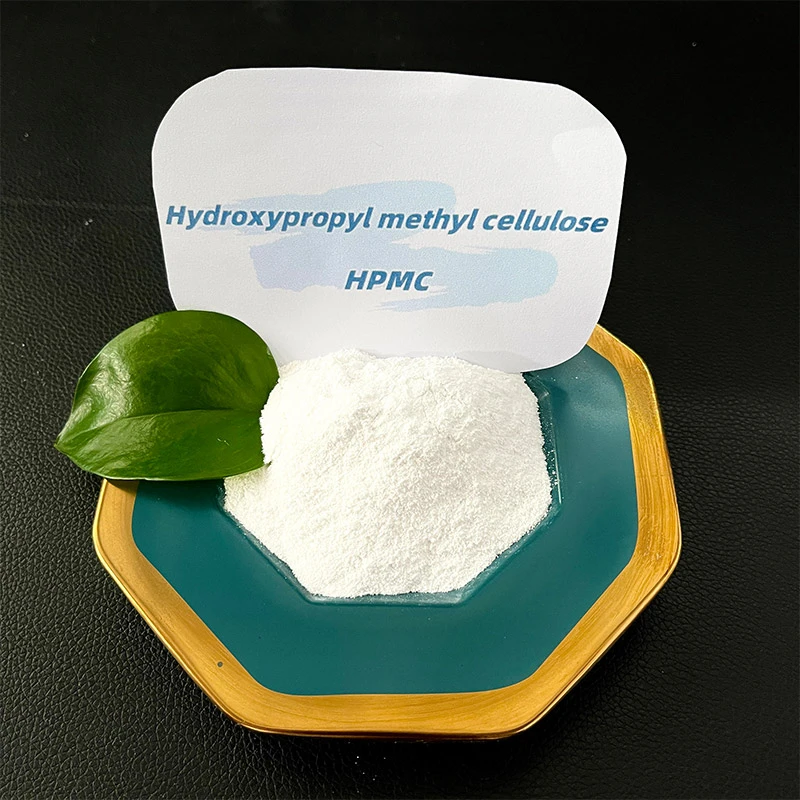
Having clocked years in the industrial materials sector, I can say that few things are as deceptively simple yet crucial as choosing the right grade of hydroxypropyl methylcellulose (HPMC). It isn’t just about slapping it in and calling it a day. Different grades carry subtle, sometimes game-changing variations that will directly affect product performance and processing behavior.
Now, HPMC is everywhere — from construction mortars to pharmaceuticals and even food packaging. But here’s the kicker: grades vary primarily by viscosity, methoxy substitution, and particle size, among other factors. And it’s not like one size fits all; what works beautifully for tile adhesives might be a nightmare in tablet coating.
Oddly enough, talking to engineers over the years, I’ve heard the phrase, "it’s the quiet powerhouse" thrown around for HPMC. And I get it. It’s not flashy, but it holds stuff together while adjusting flow, moisture control, and stability behind the scenes.
How Grades of HPMC Influence Industrial Performance
So what differentiates the grades, practically? Well, viscosity is a major player. Higher viscosity grades make thicker gels and improve water retention, which is critical in applications like tile adhesives and cement plasters. Meanwhile, low viscosity grades excel as binders or film-formers in pharmaceuticals. As I think about it, this reminds me of adjusting paint thickness depending on the brush size — not fancy, but crucial.
Moreover, the degree of substitution, like the level of methoxy and hydroxypropyl groups, influences solubility and thermal gelation. Some grades indeed have a higher setting temperature, meaning they gel or thicken at different points, which can either be an advantage or challenge, depending on your process.
Particle size is another subtle but impactful trait. Smaller particles dissolve faster, which is an advantage when a quick setup is key. But sometimes, slower dissolution offers prolonged working time — valuable in large projects.
| HPMC Grade | Viscosity (mPa·s) | Methoxy Content (%) | Hydroxypropyl Content (%) | Typical Application |
|---|---|---|---|---|
| Low Viscosity (3,000–5,000) | 3,000–5,000 | 19–22 | 7–12 | Pharmaceutical binders, paint additives |
| Medium Viscosity (10,000–20,000) | 10,000–20,000 | 28–30 | 9–14 | Tile adhesives, cementitious mortars |
| High Viscosity (50,000+) | 50,000+ | 28–30 | 11–16 | Waterproofing, thickening agents |
Choosing Your Supplier Matters: Comparing Leading Vendors of HPMC
Now, this is where it gets tricky. I once dealt with a supplier who promised consistent quality but couldn’t back it up in real terms. Batch to batch, their HPMC would feel slightly different under the microscope. And I swear, that small difference cascaded into headaches on site with mixed mortar performance.
In the end, picking a vendor isn't just price-focused — their certification, customizability, delivery timelines, and after-sales support can make or break your production schedules. Here’s a quick rundown of familiar names and how they stack up:
| Vendor | Available Grades | Quality Certifications | Custom Formulations | Typical Lead Time |
|---|---|---|---|---|
| SSH Biotech | All standard grades | ISO 9001, GMP | Yes, tailored solutions | 2-3 weeks |
| CelluChem Corp | Low & medium viscosity | ISO 9001 | Limited | 3-5 weeks |
| HydroBond Ltd. | High viscosity only | ISO 14001 | Yes | 4 weeks |
If you ask me, I always lean towards a supplier who can flex to your needs and provide reliable batch-to-batch consistency. That’s where products like those from HPMC specialists really shine.
One final anecdote — a friend working in a large-scale tile adhesive plant shared how switching to a mid-viscosity HPMC grade, supplied reliably by a trusted vendor, cut their product setting issues in half. No more rework, fewer complaints, just smoother operations.
So yes, grades do matter — perhaps more than many imagine at first. And choosing your grade alongside a reliable partner? That’s the quiet edge that can make your project’s success rate go from decent to stellar.
Hope this glimpse into the world of HPMC grades gave you a bit of clarity. Anything industrial is never one straightforward answer, but knowing the nuances helps us choose smarter.
References and personal notes:
1. My years of supplier audits and material testing
2. Engineer interviews from various industrial projects
3. Product datasheets from SSH Biotech and peer vendors
-
Industrial Guide to ГПМЦ целлюлоза High Performance CelluloseNewsApr.16,2026
-
Wood Cellulose Properties and Industrial Applications GuideNewsApr.09,2026
-
Does Wood Contain Cellulose A Detailed Exploration of its Composition and UsesNewsApr.07,2026
-
Understanding Wood Cellulose Meaning Applications and Future TrendsNewsApr.04,2026
-
Exploring the Potential of Wood Cellulose is wood cellulose a Sustainable MaterialNewsMar.31,2026
-
Exploring the Sustainability and Versatility of Cellulose Wood ChipsNewsMar.28,2026
-
Understanding Wood Pulp Cellulose A Comprehensive Guide to Properties and ApplicationsNewsMar.26,2026