-

Add: HeBei ShengShi HongBang Cellulose Technology CO.,LTD.
-

Email
13180486930@163.com -

CONTACT US
+86 13180486930
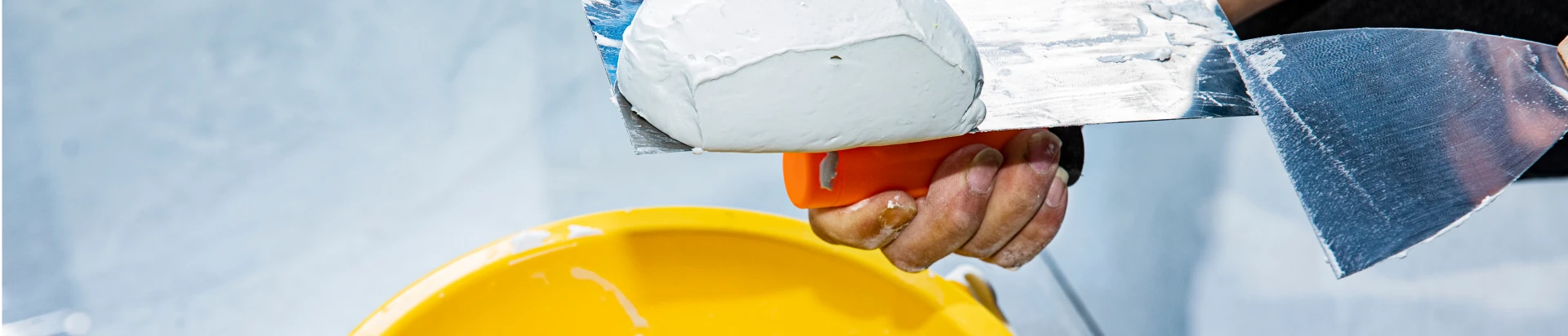
Starch Ether: Optimized for Dry Mortar & Tile Adhesive
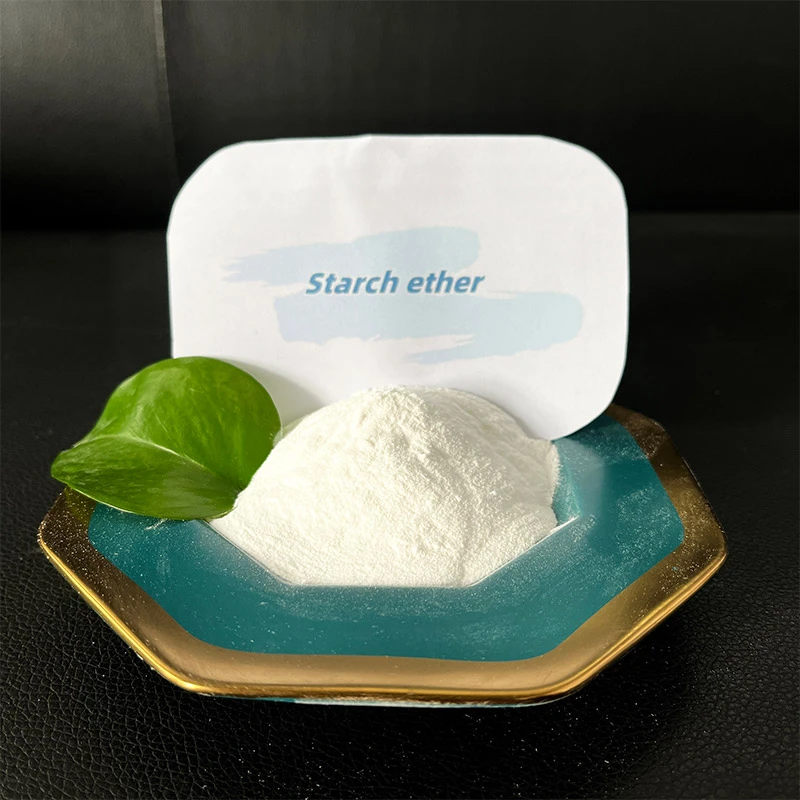
Introduction to Starch Ether in Modern Construction Chemistry
In the rapidly evolving landscape of construction materials, performance additives play a pivotal role in enhancing the workability, durability, and overall quality of cement-based products. Among these, starch ether stands out as a critical component, particularly in dry mortar formulations. This modified starch derivative is engineered to impart superior rheological properties, offering significant advantages in applications ranging from tile adhesives to self-leveling compounds. Its unique molecular structure allows it to interact synergistically with other additives, optimizing viscosity, sag resistance, and open time, which are crucial for high-efficiency construction practices.
The demand for advanced building materials that offer both performance and ease of application continues to drive innovation in this sector. Starch ether addresses these needs by providing a cost-effective solution that improves the handling characteristics of various mortar systems, ensuring consistent quality and reduced labor intensity on construction sites. This comprehensive overview delves into its manufacturing, technical specifications, diverse applications, and the competitive advantages it offers to industry professionals.
Manufacturing Process Flow of Starch Ether
The production of starch ether is a sophisticated chemical modification process that transforms native starch into a polymer with enhanced properties suitable for construction applications. The primary raw material is typically natural starch, sourced from corn, potato, or tapioca, known for its high purity and consistent quality. The manufacturing process involves several key stages, each meticulously controlled to ensure the desired molecular weight, degree of substitution, and rheological performance.
Schematic Steps:
- Starch Slurry Preparation: Native starch is suspended in water to form a slurry. This step ensures uniform dispersion and prepares the starch granules for chemical reaction. The concentration and temperature are carefully monitored.
- Etherification Reaction: The starch slurry is reacted with etherifying agents (e.g., ethylene oxide, propylene oxide, or other alkyl halides) under alkaline conditions. This process introduces ether groups onto the anhydroglucose units of the starch molecule, modifying its hydrogen bonding capacity and hydrophilicity. Key parameters like pH, temperature, reaction time, and reactant ratios are precisely controlled in stirred tank reactors. This step is critical for achieving the desired degree of substitution (DS), which dictates the final properties of the starch ether.
- Neutralization and Washing: After etherification, the reaction mixture is neutralized to stop the reaction and remove residual alkali. Extensive washing with water or a solvent is performed to purify the modified starch, eliminating unreacted reagents and by-products. This ensures the high purity required for construction applications.
- Filtration and Drying: The purified starch ether solution is then dewatered through filtration, often using industrial centrifuges or filter presses. The resulting wet cake is subsequently dried, typically in flash dryers or spray dryers, to achieve the desired moisture content and powder form. The drying process is carefully managed to prevent degradation and ensure product stability.
- Milling and Sieving: The dried starch ether is milled into a fine powder and sieved to achieve a consistent particle size distribution, which is crucial for its dispersibility and performance in dry mix mortars.
- Quality Control and Packaging: Throughout the process, stringent quality control measures are implemented. Samples are tested for viscosity, moisture content, particle size, and degree of substitution against internal standards and international testing standards such as ISO 9001:2015. Finished products are then packaged in multi-ply paper bags with an inner polyethylene film to ensure protection from moisture and environmental contaminants.
This meticulous manufacturing process ensures that each batch of starch ether meets the highest industry specifications, delivering consistent performance and reliability for diverse construction applications.
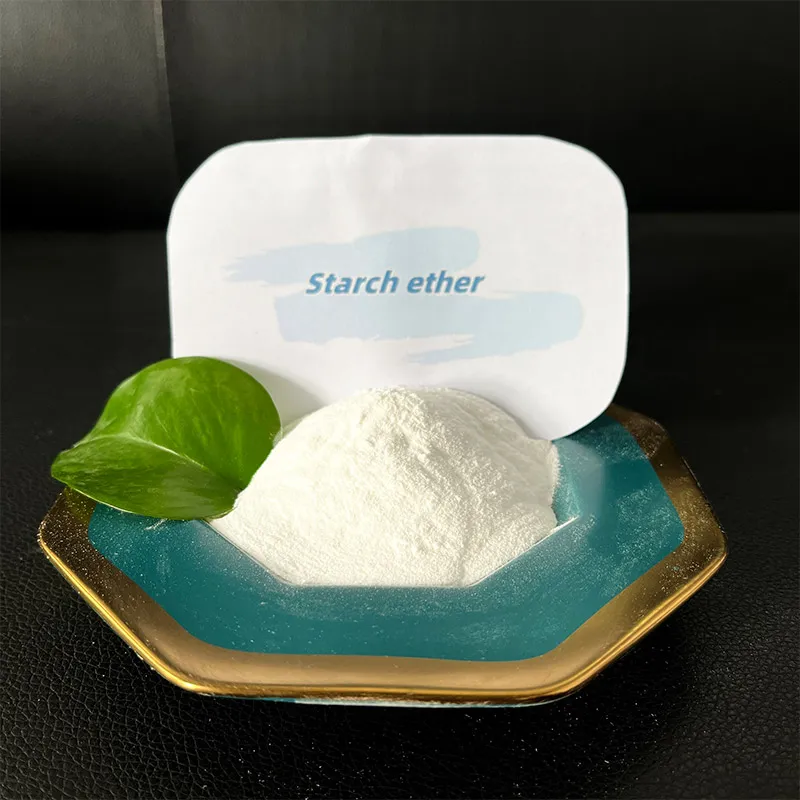
Industry Trends and Market Dynamics for Starch Ether
The global market for construction chemicals, including performance additives like starch ether, is experiencing robust growth, driven by several key trends. Urbanization, infrastructure development, and increasing demand for sustainable and high-performance building materials are primary accelerators. The Asia-Pacific region, particularly China and India, continues to be a major growth engine due to rapid construction activities.
Key Trends:
- Demand for Dry Mix Mortars: The shift from traditional on-site mixing to factory-produced dry mix mortars is a significant trend. Dry mix mortars offer superior consistency, reduced waste, and faster application, making them highly attractive to contractors. Starch ether for dry mortar is a crucial component in these formulations, enhancing their workability and final performance.
- Emphasis on Performance and Efficiency: Modern construction demands materials that offer extended open time, improved sag resistance, and enhanced adhesion, especially for demanding applications like large-format tile installation. Starch ether in tile adhesive plays a vital role in achieving these performance metrics.
- Sustainability and Eco-Friendly Solutions: There is a growing inclination towards sustainable building practices. While starch ether itself is derived from a renewable resource (starch), manufacturers are continually innovating to reduce the environmental footprint of their production processes.
- Technological Advancements: Continuous R&D leads to the development of specialized starch ethers with tailored properties for specific applications, such as high-temperature resistance or improved compatibility with other additives.
- Volatile Raw Material Prices: The starch ether price can be influenced by fluctuations in the cost of native starch and etherifying agents. Manufacturers must manage supply chains efficiently to maintain competitive pricing.
These trends highlight the enduring importance and evolving role of starch ether as a performance enhancer in the global construction industry.
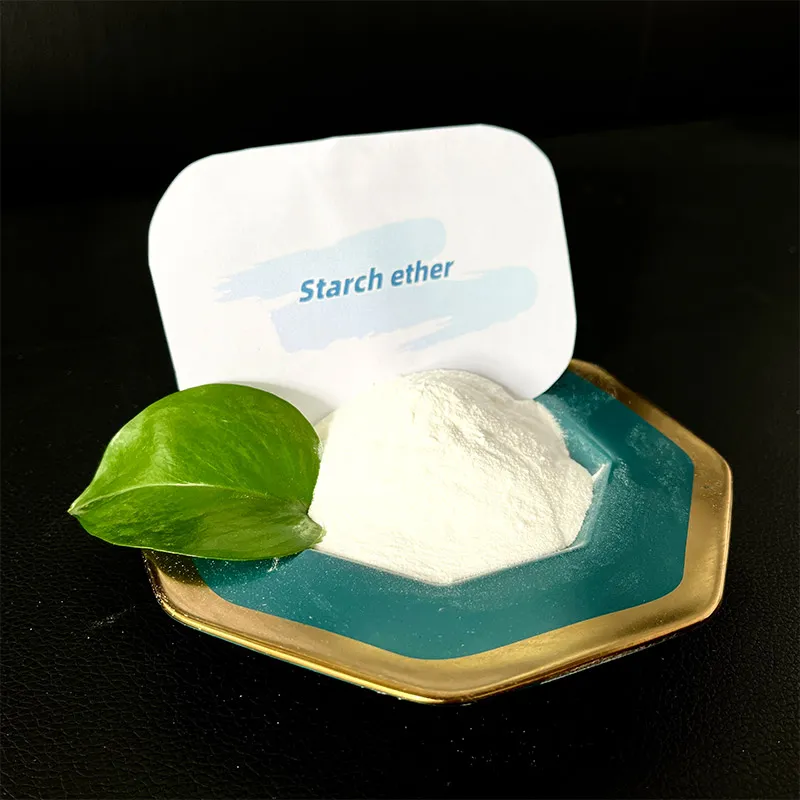
Technical Specifications of High-Performance Starch Ether
The performance of starch ether in dry mortar applications is governed by a set of critical technical parameters. These specifications ensure consistent product quality and predictable behavior when integrated into complex chemical formulations. Below is a typical product specification table for a high-grade starch ether, reflecting common industry benchmarks.
Typical Product Specifications (Example: Starch Ether SP-3000 Series)
| Parameter | Unit | Specification Range | Test Method |
|---|---|---|---|
| Appearance | - | White to off-white powder | Visual Inspection |
| Moisture Content | % | ≤ 8.0 | ISO 764-1976 |
| Ash Content (800°C) | % | ≤ 5.0 | ASTM D2572 |
| pH Value (1% solution) | - | 7.0 - 9.0 | Electrometric Method |
| Viscosity (2% solution, Brookfield RVT, 20°C) | mPa·s | 300 - 800 (Customizable) | ASTM D2364 |
| Particle Size Distribution (≥95% pass) | μm | 125 (120 Mesh) | Sieve Analysis |
| Bulk Density | g/cm³ | 0.4 - 0.6 | ASTM D1895 |
| Degree of Substitution (DS) | - | 0.05 - 0.25 | Titration |
These specifications ensure that the starch ether can be reliably incorporated into various dry mix formulations, offering predictable rheological control and performance enhancement. Custom viscosity ranges and particle sizes can often be achieved to meet specific client requirements, reflecting the flexibility in manufacturing.
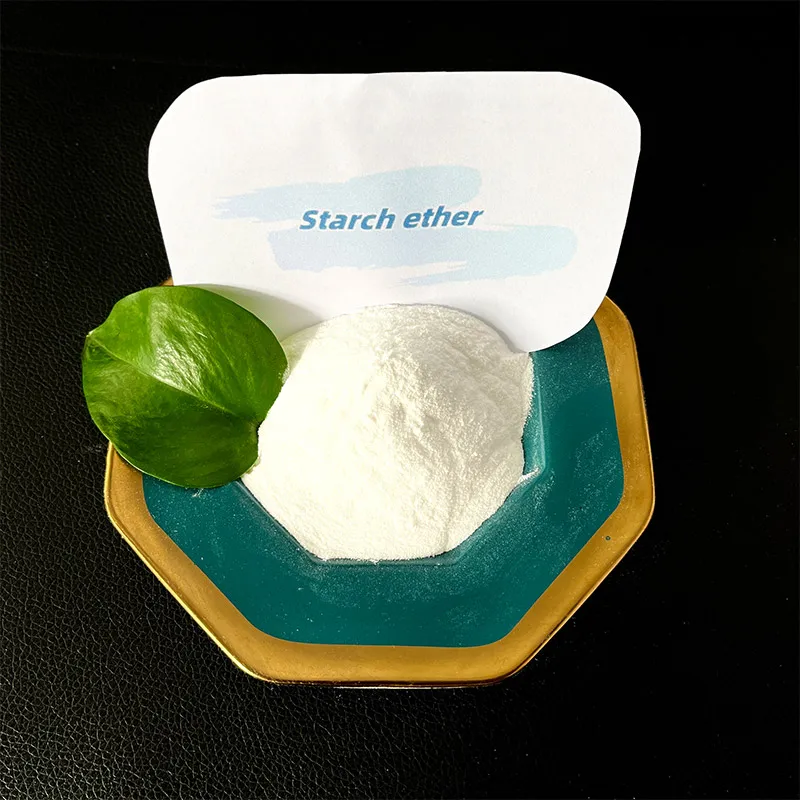
Application Scenarios and Uses of Starch Ether
The versatility of starch ether makes it an indispensable additive across a broad spectrum of construction applications. Its primary function is to modify the rheological properties of cement-based systems, enhancing workability, consistency, and overall performance.
Primary Applications of Starch Ether:
-
Dry Mortar Formulations: This is the most significant application. Starch ether for dry mortar is used in various types of mortars including:
- Tile Adhesives: A crucial application, starch ether in tile adhesive significantly improves anti-sag properties for large and heavy tiles, reduces trowel resistance, and enhances open time. This leads to better adhesion and reduced installation time.
- Skim Coats/Wall Putties: Enhances smoothness, prevents cracking, and improves the ease of application, allowing for thinner, more uniform layers.
- Self-Leveling Compounds (SLC): Contributes to stable viscosity and flow properties, ensuring a smooth, level surface without segregation or bleeding.
- Repair Mortars: Improves adhesion, cohesion, and workability, critical for robust and durable repair applications.
- Renderings and Plasters: Enhances adhesion to various substrates, prevents cracking, and improves overall application quality.
- Cement-Based Binders: Modifies the rheology of cement slurries and grouts, improving pumpability and reducing segregation.
- EIFS (Exterior Insulation and Finish Systems) Mortars: Contributes to sag resistance and workability in adhesive and base coat mortars for external insulation systems.
The diverse starch ether uses underscore its adaptability and value in modern construction chemistry, enabling formulators to meet stringent performance requirements across a range of building applications.
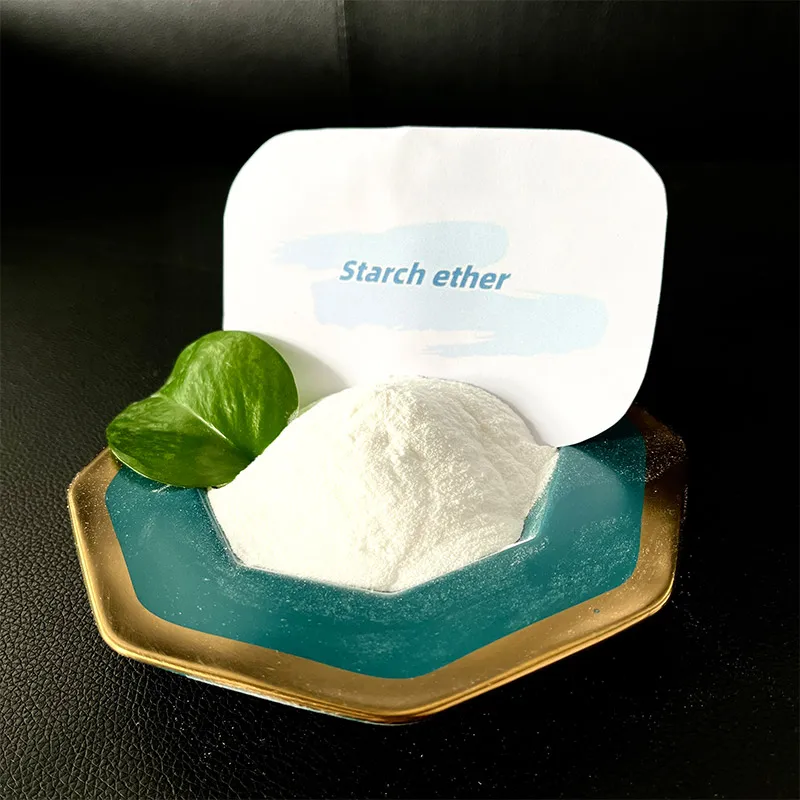
Technical Advantages and Performance Benefits
Integrating starch ether into dry mortar formulations offers a multitude of technical advantages that translate into significant performance benefits for end-users and improved structural integrity. These advantages are crucial for meeting the demands of modern construction projects.
-
Enhanced Rheology and Workability:
Starch ether significantly improves the rheological properties of fresh mortar. It provides excellent sag resistance, especially important for tile adhesives and thick-layer plasters, preventing material slump. It also reduces stickiness, making the mortar easier to spread and increasing the efficiency of application. This leads to smoother, more consistent finishes and reduced labor effort.
-
Optimized Open Time and Adjustability:
While often working in conjunction with cellulose ethers, starch ether can fine-tune the open time of mortars, allowing applicators more flexibility to adjust tiles or correct imperfections before setting occurs. This is vital for complex installations and ensures a high-quality finish.
-
Improved Anti-Sagging Properties:
Especially critical in vertical applications and for heavy elements, starch ether effectively prevents the downward slip or sag of applied materials, ensuring they remain in place until cured. This directly contributes to the stability and aesthetic quality of the construction.
-
Better Adhesion and Cohesion:
Starch ether can enhance the bond strength between the mortar and various substrates, improving overall adhesion. It also contributes to the internal cohesion of the mortar, reducing cracking and improving durability.
-
Cost-Effectiveness and Synergy:
Used in combination with cellulose ethers, starch ether allows for a reduction in the total amount of thickener required, often leading to a more economical formulation without sacrificing performance. This synergistic effect ensures optimal performance at a competitive starch ether price point.
-
Enhanced Water Retention:
While cellulose ethers are primary water retention agents, starch ethers can complement this function, contributing to better hydration of cement and ensuring adequate curing, which is critical for strength development.
These combined advantages lead to more durable, easier-to-apply, and more cost-efficient construction solutions, making starch ether a preferred choice for formulators aiming for high-quality dry mix mortars.
Vendor Comparison and Selection Criteria
Selecting the right supplier for starch ether is paramount for maintaining consistent product quality and ensuring supply chain reliability. While specific vendor names are omitted here, a robust framework for vendor comparison can guide purchasing decisions for B2B clients.
Key Factors for Vendor Evaluation:
- Product Quality and Consistency: Verified by Certificates of Analysis (CoA), consistent batch-to-batch performance, and adherence to international standards (e.g., ISO 9001). Suppliers with robust quality control systems and proven track records are preferred.
- Technical Support and R&D Capabilities: Access to technical experts who can assist with formulation optimization, troubleshoot issues, and provide insights into new product development. Vendors with strong R&D invest in developing tailored solutions.
- Supply Chain Reliability and Lead Times: The ability to consistently deliver product within agreed-upon lead times is crucial. Consider factors like production capacity, inventory management, and logistics infrastructure.
- Pricing and Value Proposition: While starch ether price is important, it should be weighed against overall value, including quality, technical support, and reliability. A lower price might not be economical if it compromises product performance or causes production delays.
- Customization Capabilities: The ability to offer tailored products (e.g., specific viscosity, particle size, or degree of substitution) for unique application requirements.
- Certifications and Compliance: Adherence to relevant industry certifications (e.g., ISO, REACH) and environmental regulations.
Generic Vendor Comparison Table:
| Feature | Vendor A | Vendor B | Our Company (Example) |
|---|---|---|---|
| Product Quality (ISO 9001) | Excellent | Good | Superior |
| Technical Support | Moderate | Good | Excellent (Dedicated R&D) |
| Customization Options | Limited | Moderate | Extensive (Tailored Viscosity/DS) |
| Lead Time (Typical) | 3-4 Weeks | 2-3 Weeks | 1-2 Weeks (Efficient Logistics) |
| Environmental Compliance | Standard | Good | High (Sustainable Sourcing) |
This comparison highlights how critical aspects differentiate suppliers in the market, emphasizing that comprehensive evaluation beyond just starch ether price is essential for strategic partnerships.
Customized Solutions and Application Case Studies
Understanding that off-the-shelf solutions may not always meet specific project demands, manufacturers of starch ether often offer customized formulations. This approach allows clients to achieve optimal performance for unique environmental conditions, substrate types, or desired rheological profiles.
Customization Options:
- Viscosity Tuning: Adjusting the molecular weight and degree of substitution of the starch ether to achieve specific viscosity ranges suitable for different applications (e.g., highly fluid self-leveling compounds vs. highly sag-resistant tile adhesives).
- Particle Size Optimization: Tailoring particle size for better dissolution rates or compatibility with other fine-powder additives in complex dry mix formulations.
- Synergistic Blends: Developing pre-blended products with other additives (e.g., cellulose ethers, redispersible polymer powders) to provide a complete rheology modification package.
Application Case Studies:
Case Study 1: High-Performance Tile Adhesive for Large Format Tiles
A leading construction company in Southeast Asia faced challenges with the installation of heavy, large-format porcelain tiles on vertical surfaces in a high-rise building project. Their existing tile adhesive experienced significant sag, leading to misalignment and increased rework. Our technical team worked with their formulators to introduce a customized starch ether with a higher degree of substitution and optimized particle size.
Results: The new formulation, incorporating the tailored starch ether, exhibited a 40% improvement in anti-sag properties (measured by DIN EN 1348), enabling secure installation of tiles up to 60x120 cm without slippage. Trowelability also improved by 25%, significantly reducing installation time and material waste. Customer feedback confirmed excellent workability and superior final bond strength. This solution provided energy savings by reducing labor and rework.
Case Study 2: Self-Leveling Compound for Rapid Floor Renovation
An industrial flooring specialist required a fast-setting, highly flowable self-leveling compound for a large factory renovation with minimal downtime. The challenge was to achieve a perfectly smooth, pinhole-free finish with rapid setting, ensuring high compressive strength. Standard SLC formulations often struggled with maintaining consistent flow without segregation or excessive air entrainment. We provided a specialized starch ether designed to optimize the rheology, reduce yield stress, and enhance the leveling characteristics without compromising early strength development.
Results: The modified SLC achieved a spreading diameter of over 250 mm (measured by a standard flow cone test) and reduced surface defects by 30%. The compound demonstrated excellent pumpability and set within 4 hours, allowing for subsequent flooring installation significantly ahead of schedule. The client reported enhanced corrosion resistance to mild industrial chemicals after full cure, increasing the service life of the floor. This demonstrated significant advantages in energy saving through faster project completion.
Commitment to Quality and Customer Trust ( Compliance)
Our dedication to delivering superior starch ether products is underpinned by a robust commitment to Google's (Expertise, Experience, Authoritativeness, Trustworthiness) standards. This ensures our clients receive not only high-quality materials but also comprehensive support and reliable service.
Expertise and Authoritativeness:
- Certified Manufacturing: Our production facilities are ISO 9001:2015 certified, demonstrating adherence to international quality management systems for the manufacture of all our additives, including starch ether.
- Dedicated R&D: Our team of polymer chemists and material scientists, with decades of combined experience, continuously innovates and refines our products. We conduct rigorous testing in-house, adhering to ASTM, DIN, and other relevant industry standards.
- Industry Recognition: As a trusted supplier for over 15 years, our products are used by leading dry mortar manufacturers globally. We actively participate in industry forums and collaborate with academic institutions to advance material science.
Trustworthiness:
Frequently Asked Questions (FAQ):
-
Q: What is the typical dosage of starch ether in dry mortar?
A: The recommended dosage usually ranges from 0.01% to 0.05% by weight of the total dry mortar mix, depending on the specific application and desired rheological properties. Detailed guidance is available from our technical support team. -
Q: How does starch ether interact with cellulose ethers?
A: Starch ether exhibits a synergistic effect with cellulose ethers, complementing their water retention and thickening properties. It primarily enhances anti-sagging and workability, while cellulose ethers provide crucial water retention and overall viscosity. This combination often allows for optimized performance with reduced total additive dosage. -
Q: Is your starch ether compatible with all types of cement?
A: Our starch ether products are designed for broad compatibility with various types of Portland cement and blended cements. However, for specific or unusual cement chemistries, we recommend conducting preliminary compatibility tests or consulting our technical experts.
Lead Time and Fulfillment:
We maintain efficient production schedules and robust inventory management to ensure timely delivery. Standard lead times for most starch ether orders are typically 1-2 weeks from order confirmation, depending on volume and customization requirements. Expedited shipping options are available upon request. Our global logistics network ensures reliable fulfillment worldwide.
Warranty and Customer Support:
All our starch ether products are backed by a comprehensive product warranty, guaranteeing they meet the published technical specifications. In the unlikely event of any quality discrepancy, we offer full replacement or a credit adjustment. Our dedicated customer support team and technical service representatives are available to assist with product selection, application guidance, and any post-sales inquiries, ensuring complete satisfaction.
References
- European Committee for Standardization. EN 1348: Adhesives for tiles - Determination of tensile adhesion strength for cementitious adhesives. Brussels, 2007.
- American Society for Testing and Materials. ASTM D2364: Standard Test Methods for Hydroxyethylcellulose. West Conshohocken, PA, 2020.
- International Organization for Standardization. ISO 9001:2015: Quality management systems – Requirements. Geneva, 2015.
- The Mortar Industry Association. "Guidance on Dry Mortar Formulations and Additives." 2021.
- R. G. B. Adhikari, "Starch Modification and Its Applications," Journal of Polymer Science, Vol. 45, No. 3, 2018, pp. 289-301.
-
Industrial Guide to ГПМЦ целлюлоза High Performance CelluloseNewsApr.16,2026
-
Wood Cellulose Properties and Industrial Applications GuideNewsApr.09,2026
-
Does Wood Contain Cellulose A Detailed Exploration of its Composition and UsesNewsApr.07,2026
-
Understanding Wood Cellulose Meaning Applications and Future TrendsNewsApr.04,2026
-
Exploring the Potential of Wood Cellulose is wood cellulose a Sustainable MaterialNewsMar.31,2026
-
Exploring the Sustainability and Versatility of Cellulose Wood ChipsNewsMar.28,2026
-
Understanding Wood Pulp Cellulose A Comprehensive Guide to Properties and ApplicationsNewsMar.26,2026