-

Add: HeBei ShengShi HongBang Cellulose Technology CO.,LTD.
-

Email
13180486930@163.com -

CONTACT US
+86 13180486930

Starch Ether: Better Workability for Dry Mortar & Tiles?
The Insider’s Guide to Starch Ether in Modern Drymix and Beyond
If you’ve spent time on a jobsite—or in a lab with a Brookfield viscometer humming in the background—you’ve probably noticed how starch ether quietly fixes problems most people blame on “sand” or “weather.” To be honest, the material’s not flashy. But it’s the difference between a tile adhesive that sags and one that just… sticks.
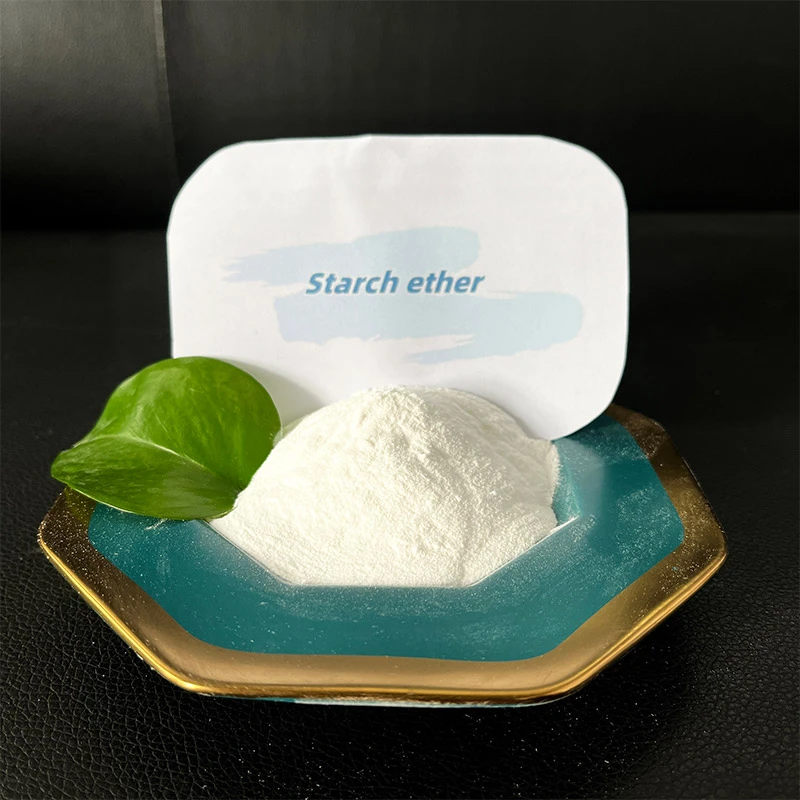
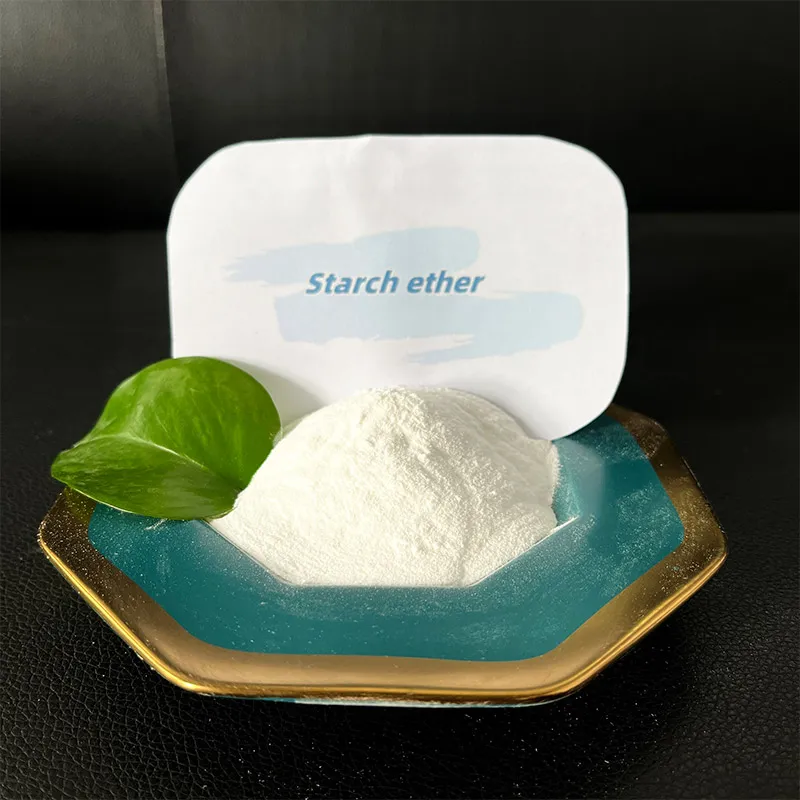
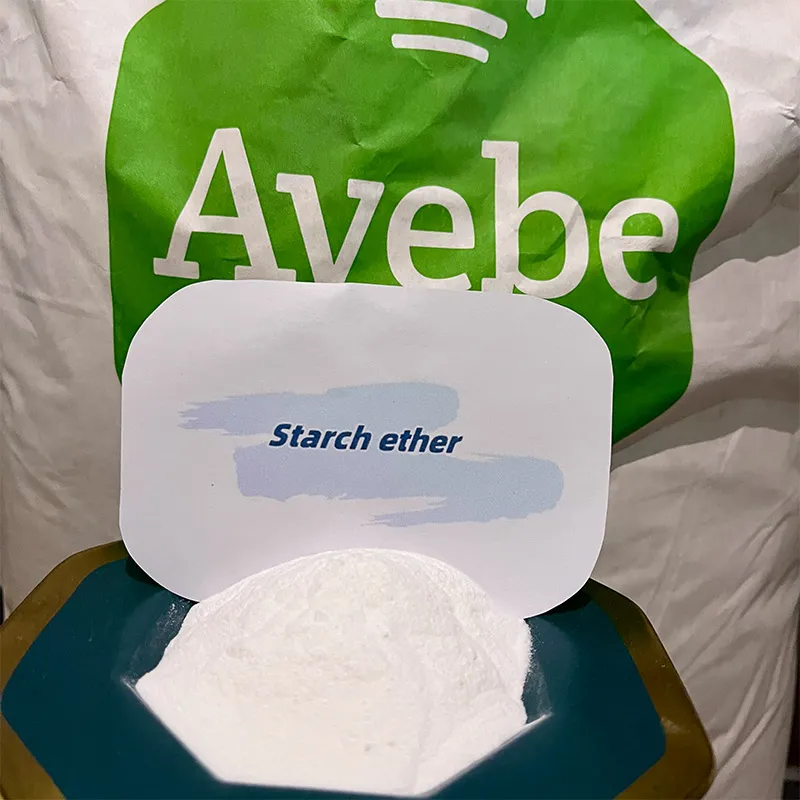
From HeBei ShengShi HongBang Cellulose Technology CO., LTD (Room 1904, Building B, Wanda Office Building, JiaoYu Road, Xinji City, Hebei Province), this refined, white powder is plant-derived, modified via controlled etherification, then spray-dried. In fact, many customers say its balance of water retention and slip-resistance is the most “forgiving” in their drymix line.
Industry trend check
Two currents define this year’s drymix market: lower-VOC, bio-based additives, and finer control of open time without compromising anti-sag. starch ether—especially low-ionic variants paired with HPMC—hits both goals. Surprisingly, we’re also seeing uptake in gypsum skims where finish consistency matters more than peak viscosity numbers.
How it’s made (real-world process flow)
- Materials: plant starch slurry, alkali, etherifying agents (e.g., hydroxypropyl, carboxymethyl sources), water.
- Methods: alkalization → controlled etherification (DS tuned) → neutralization → washing → filtration → spray drying → milling → sieving.
- QC & testing: moisture (oven), DS (titration), 2% sol. viscosity (Brookfield RV, ASTM D2196), pH (1% sol.), sieve residue (250 μm), mortar tests (EN 12004, EN 1015-12, ASTM C1437).
- Service life: packed shelf life ≈ 24 months (dry, sealed); finished mortar systems typically 20–30 years depending on binder and exposure.
- Industries: drymix mortars (tile adhesive, wall putty, skim coat, EIFS), gypsum plasters, grouts, fillers, waterborne paints, ceramic bodies.
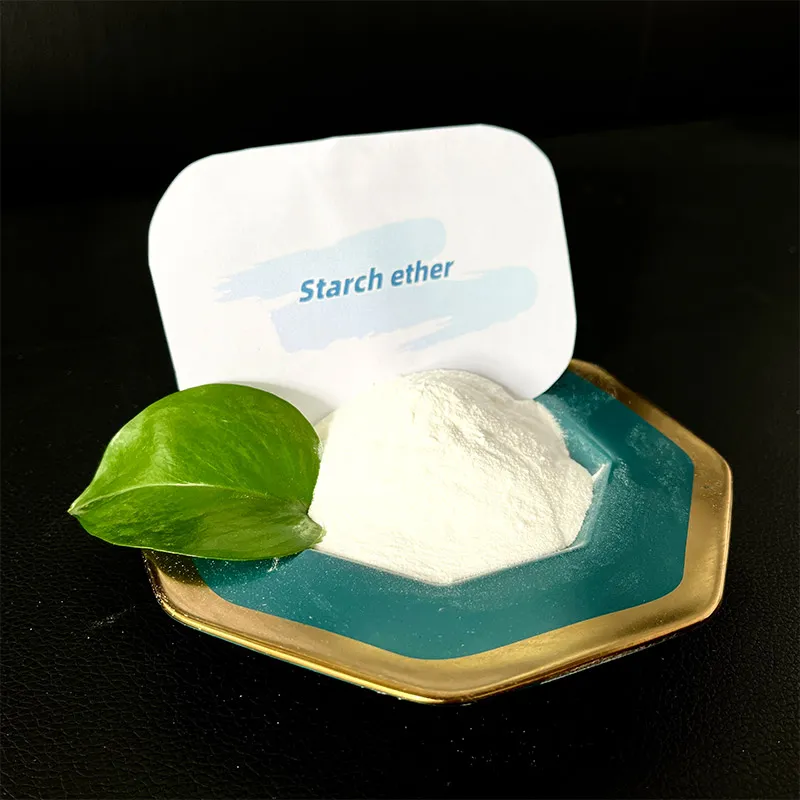
Typical product specs
| Parameter | Value (≈) | Notes |
|---|---|---|
| Appearance | White free-flowing powder | Plant-derived |
| Moisture | < 12% | GB/T 6283 |
| Degree of substitution (DS) | 0.05–0.30 | Customizable |
| 2% sol. viscosity | 200–1200 mPa·s | Brookfield, ASTM D2196 |
| pH (1% sol.) | 7.0–11.0 | Ambient temp. |
| Sieve residue | < 5% @ 250 μm | Flow consistency |
| Recommended dosage | 0.05–0.30% on binder | Formulation-dependent |
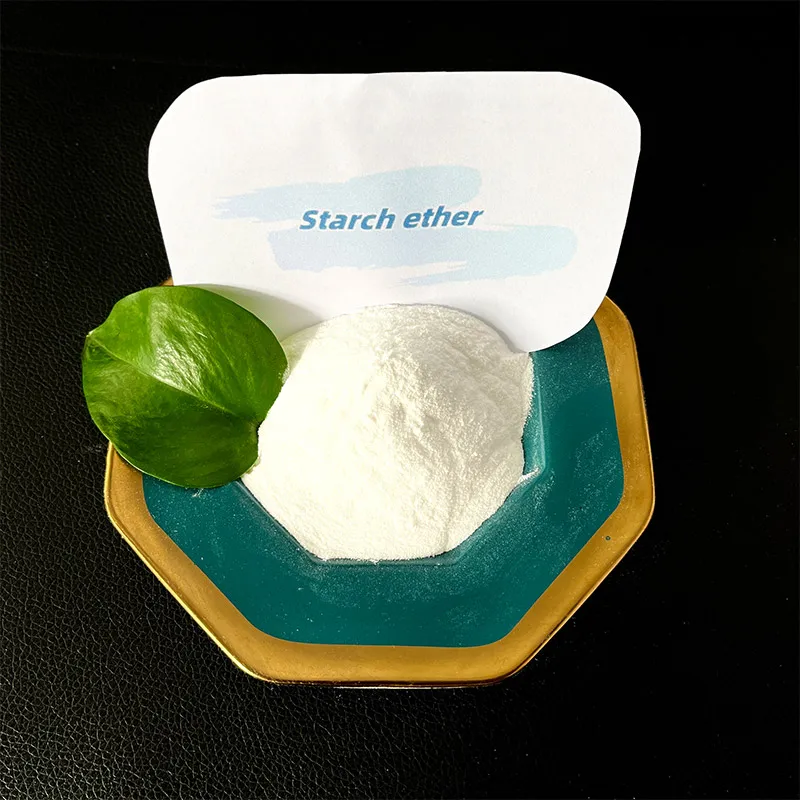
Where it shines (applications and data)
- Tile adhesives (C1/C2): reduces slip, improves open time; synergistic with HPMC.
- Wall putty & skim coat: smoother knife feel; fewer drag marks.
- Gypsum plaster: anti-sag and better edge retention; less blistering.
- Self-leveling: anti-segregation at tiny dosages; careful not to over-thicken.
Lab snapshot (internal, 23°C, 50% RH): with 0.15% starch ether in a C1 tile adhesive, slip dropped from 1.8 mm to 0.5 mm; open time (EN 1346 proxy) extended ≈ 8–10 minutes; flow (ASTM C1437) stayed within ±5% of control. Real-world use may vary, obviously.
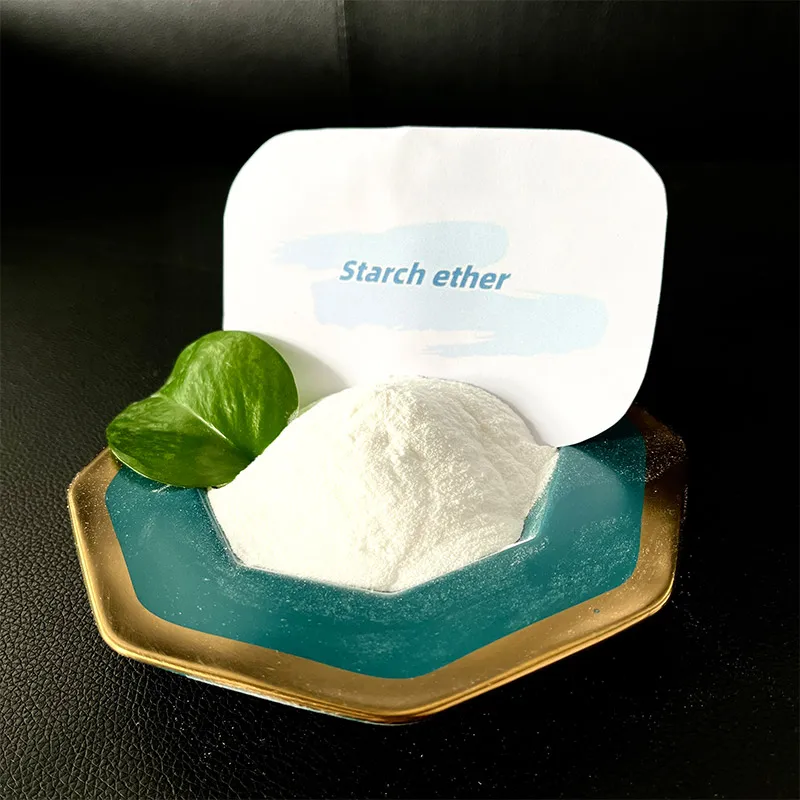
Case notes
- High-summer retrofit (UAE): starch ether + mid-vis HPMC maintained ridges in 38°C heat; installer complaints dropped to near zero.
- Gypsum skim (EU): 0.12% starch ether cut edge slump by ≈40% while keeping sandability acceptable.
Vendor comparison (field impressions)
| Vendor | Typical DS | Viscosity Range | Certs | Lead Time |
|---|---|---|---|---|
| HeBei ShengShi HongBang | 0.05–0.30 | 200–1200 mPa·s | ISO 9001, REACH-ready | 10–15 days |
| Vendor B (EU) | 0.08–0.25 | 300–1000 mPa·s | ISO 14001 | 3–4 weeks |
| Vendor C (APAC) | 0.05–0.20 | 150–800 mPa·s | RoHS | 2–3 weeks |
Note: ranges are indicative; always validate on your own line mixers and local sand.
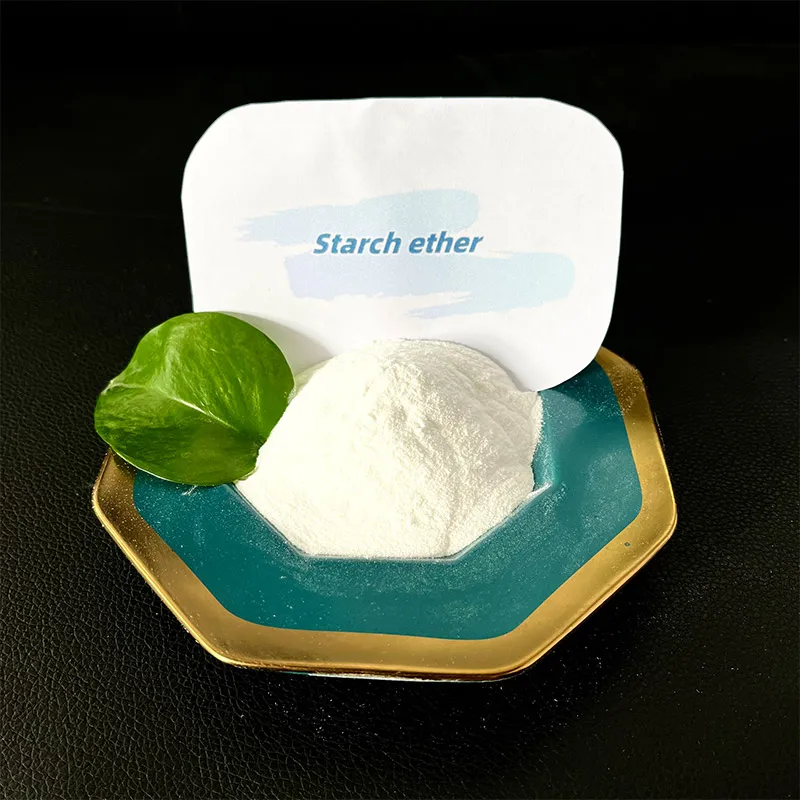
Customization, QC, and packaging
- Custom DS, particle size, and viscosity windows to match HPMC grade and binder chemistry.
- Routine tests: rotational rheometry (ISO 3219), flow table (ASTM C1437), tensile adhesion after heat/water aging (EN 12004-1).
- Packing: 25 kg paper bags with PE liner; palletized. Store cool and dry.
Installer feedback? “Knife feel is calmer,” one foreman put it. Another said starch ether “buys me five more minutes when clouds roll in.” Not a bad review.
Certifications and compliance
Manufacturing under ISO 9001 with batch traceability; compliance support for REACH. Mortar performance verified to EN 12004 classes when used in suitable formulations.
Authoritative citations
- ASTM D2196 – Standard Test Method for Rheological Properties of Non-Newtonian Materials by Rotational (Brookfield) Viscometer.
- ASTM C1437 – Standard Test Method for Flow of Hydraulic Cement Mortar.
- EN 12004-1:2017 – Adhesives for tiles. Requirements, evaluation of conformity, classification, and designation.
- EN 1015-12 – Methods of test for mortar for masonry: Determination of adhesive strength.
- ISO 3219 – Polymers/Resins in liquid form or as emulsions/dispersions—Determination of viscosity using a rotational viscometer.
-
Industrial Guide to ГПМЦ целлюлоза High Performance CelluloseNewsApr.16,2026
-
Wood Cellulose Properties and Industrial Applications GuideNewsApr.09,2026
-
Does Wood Contain Cellulose A Detailed Exploration of its Composition and UsesNewsApr.07,2026
-
Understanding Wood Cellulose Meaning Applications and Future TrendsNewsApr.04,2026
-
Exploring the Potential of Wood Cellulose is wood cellulose a Sustainable MaterialNewsMar.31,2026
-
Exploring the Sustainability and Versatility of Cellulose Wood ChipsNewsMar.28,2026
-
Understanding Wood Pulp Cellulose A Comprehensive Guide to Properties and ApplicationsNewsMar.26,2026