-

Add: HeBei ShengShi HongBang Cellulose Technology CO.,LTD.
-

Email
13180486930@163.com -

CONTACT US
+86 13180486930

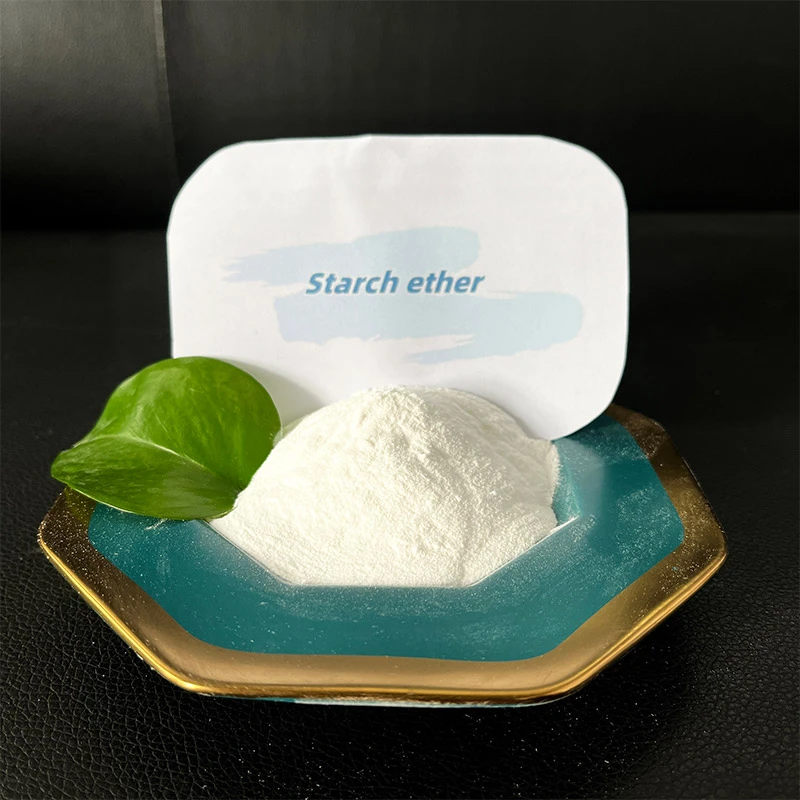
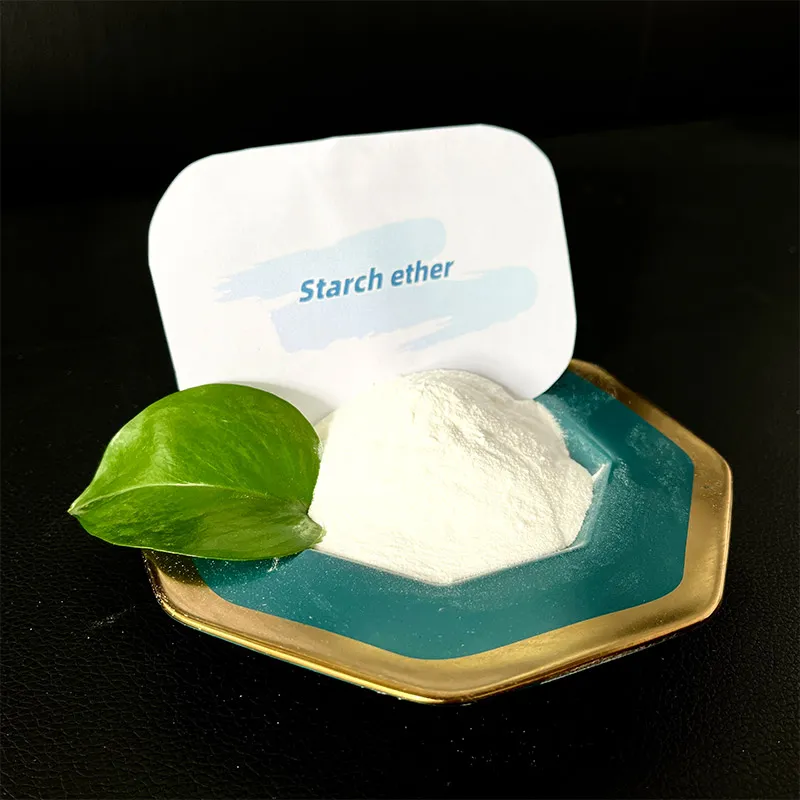
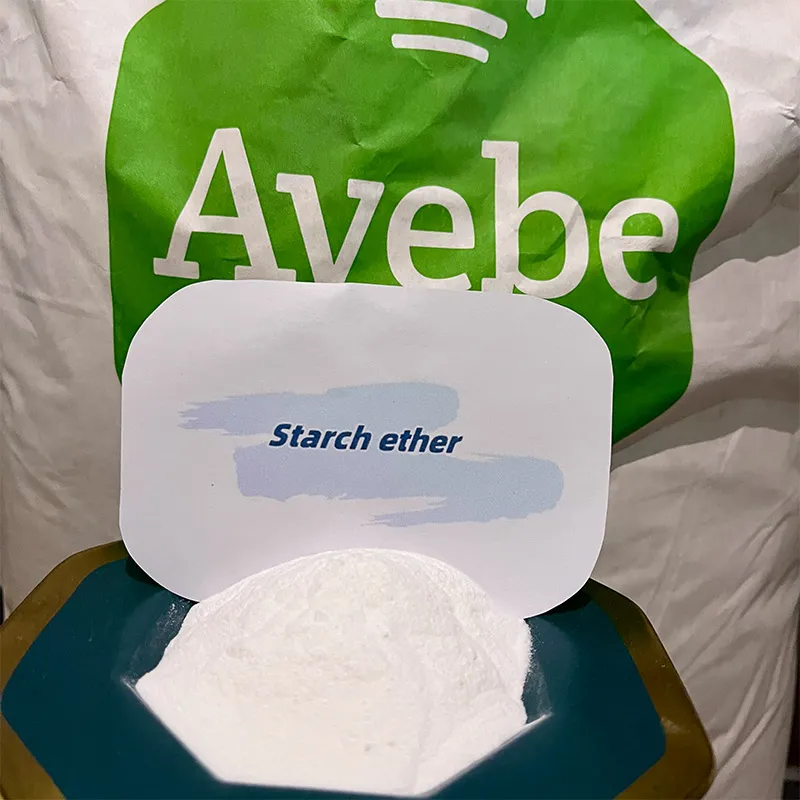
Starch Ether: High Retention, Smooth Troweling, Low Dosage
A Practical Insider’s Guide to Starch Ether in Modern Drymix Formulations
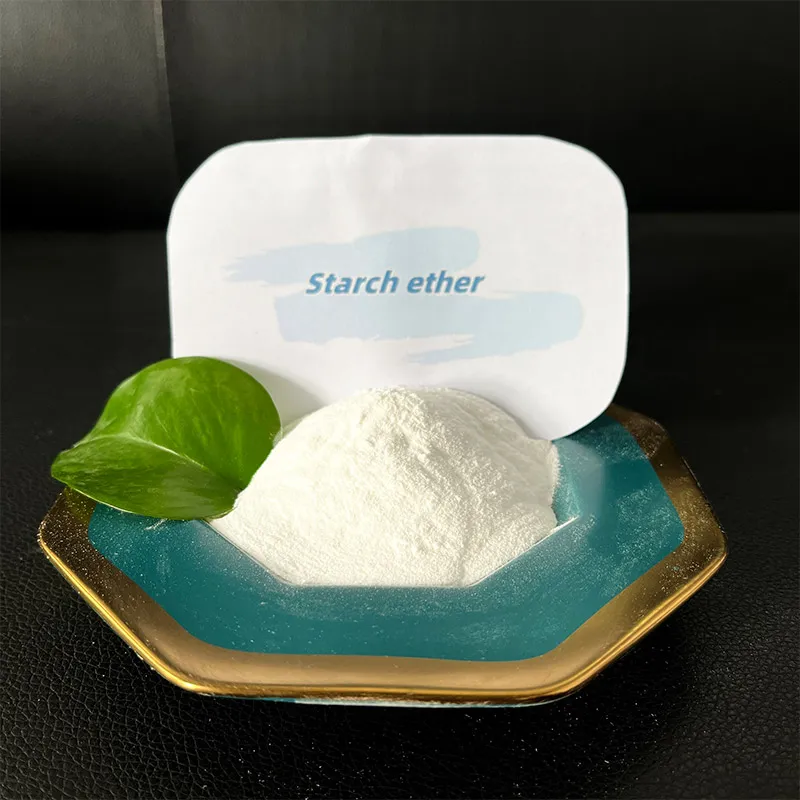
Over the last five years I’ve watched builders and chemists quietly fall in love with Starch Ether. Not because it’s flashy—it's a refined white powder from plant sources—but because it behaves impeccably in the real world: it tames water, improves workability, and helps mortars stay where you put them. And yes, when the recipe is right, it cuts costs without cutting corners. Origin-wise, the product here comes from HeBei ShengShi HongBang Cellulose Technology CO., LTD (Room 1904, Building B, Wanda Office Building, JiaoYu Road, Xinji City, Hebei Province). Solid team, pragmatic approach.
What’s Trending
Three currents I’m seeing: 1) leaner cement recipes needing smarter rheology control (hello, Starch Ether), 2) stricter slip/open time standards in tile adhesives, and 3) growing demand for low-odor, plant-derived additives. Contractors tell me, surprisingly, the biggest difference shows up on hot days—mixes stay workable instead of turning into a fight.
How It’s Made (Short Version)
Starch Ether is produced by substantial etherification of plant starch, followed by spray drying. Materials: edible-grade native starch, etherifying agents, deionized water. Methods: slurry prep → controlled etherification (pH, temperature, time tuned) → neutralization → filtration → spray drying → milling → sieving. QC gates include moisture, degree of substitution (DS), viscosity in 2% solution, and residue on sieve. Service life: typically 24 months sealed and dry; in-mortar durability aligns with host binder standards (real-world use may vary).
Product Specifications (typical)
| Item | Spec (≈) | Method/Note |
|---|---|---|
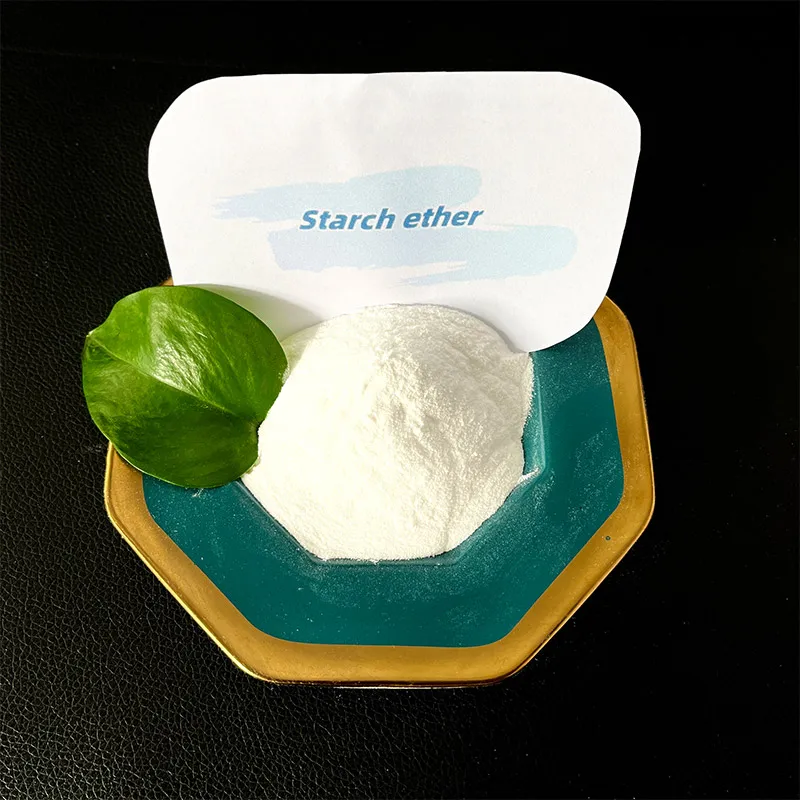
| Appearance | White to off-white powder | Visual |
| Moisture | ≤ 10% | ISO 712-like |
| pH (2% solution) | 6–9 | ISO 976 |
| DS (degree of substitution) | 0.05–0.20 | Titrimetric |
| Viscosity (2% @20°C) | 200–1000 mPa·s | Brookfield LV |
| Residue (120 mesh) | ≤ 5% | ISO 565 |
Where It Shines
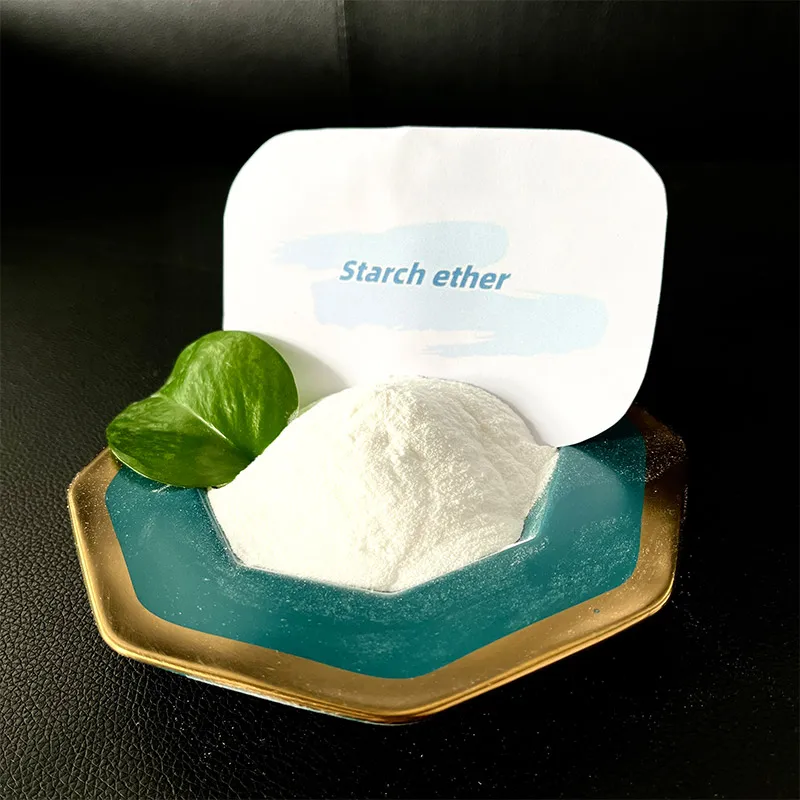
- Tile adhesives (C1/C2 classes): better open time, reduced slip per EN 12004-1.
- Gypsum plasters and wall putties: smooth troweling, reduced stickiness.
- Self-leveling underlayments: controlled segregation and edge stability.
- Cement renders (EN 998-1): improved sag resistance and workability.
Field data, sample mix: C1T adhesive with Starch Ether + HPMC showed slip ≤0.4 mm, open time ≥25 min, and water retention ≥95% (lab blend; verify in your plant). Many customers say the mortar “feels lighter” and stays creamy longer—anecdotal, but consistent.
Vendors at a Glance
| Vendor | Origin | DS Range | Viscosity Window | Customization | Certs | Lead Time |
|---|---|---|---|---|---|---|
| HeBei ShengShi HongBang | China (Hebei) | 0.05–0.20 | 200–1000 mPa·s | DS, mesh, surface | ISO 9001 | ≈ 10–15 days |
| Global Brand A | EU | 0.07–0.18 | 300–900 mPa·s | Limited | ISO 14001 | ≈ 3–4 weeks |
| Regional Mixer B | MEA | 0.05–0.12 | 250–700 mPa·s | On request | — | ≈ 2–3 weeks |
Customization & Testing
Tweakables: DS, viscosity grade, particle size, and compatibility with HPMC/HEMC. Test methods I trust: ASTM C1437 (flow), EN 12004-1 (slip, open time), EN 998-1 (render specs), plus in-house slump cone and sag boards. To be honest, pilot batching beats spreadsheets—run 3–5 ladder trials.
Mini Case Study
A regional tile adhesive maker swapped 0.03% cellulose for 0.02% Starch Ether + slight HPMC bump. Result: 12% better anti-slip, +5 minutes open time, and 3% materials cost reduction. Crew feedback? “Less sliding on verticals.” Small change, noticeable site impact.
Packaging, Safety, and Notes
Usual pack: 25 kg paper bags with PE liner; store dry, away from heat. Low hazard profile; keep dust down and use standard PPE. For food-contact ideas—ask first; industrial grades are not automatically food compliant.
References
- EN 12004-1:2017 – Adhesives for tiles. Requirements.
- EN 998-1:2016 – Specification for mortar for masonry – Rendering and plastering mortar.
- ASTM C1437 – Standard Test Method for Flow of Hydraulic Cement Mortar.
- ISO 9001:2015 – Quality management systems (vendor certification framework).
-
Industrial Guide to ГПМЦ целлюлоза High Performance CelluloseNewsApr.16,2026
-
Wood Cellulose Properties and Industrial Applications GuideNewsApr.09,2026
-
Does Wood Contain Cellulose A Detailed Exploration of its Composition and UsesNewsApr.07,2026
-
Understanding Wood Cellulose Meaning Applications and Future TrendsNewsApr.04,2026
-
Exploring the Potential of Wood Cellulose is wood cellulose a Sustainable MaterialNewsMar.31,2026
-
Exploring the Sustainability and Versatility of Cellulose Wood ChipsNewsMar.28,2026
-
Understanding Wood Pulp Cellulose A Comprehensive Guide to Properties and ApplicationsNewsMar.26,2026