-

Add: HeBei ShengShi HongBang Cellulose Technology CO.,LTD.
-

Email
13180486930@163.com -

CONTACT US
+86 13180486930

Starch Ether for Mortar & Tile Adhesive | High Workability
A Field Note on starch ether in Modern Dry-Mix Formulations
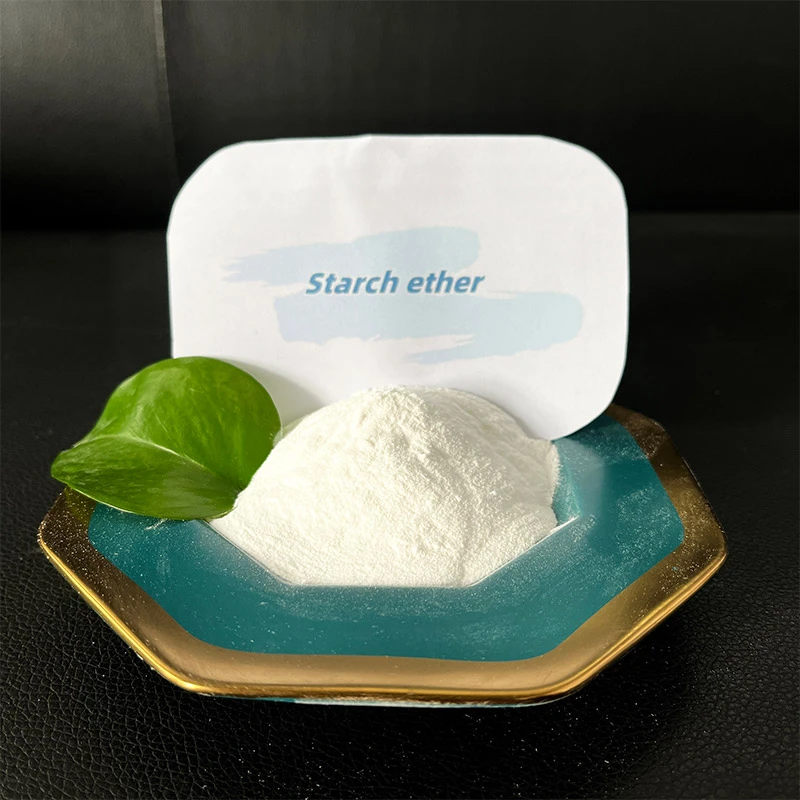
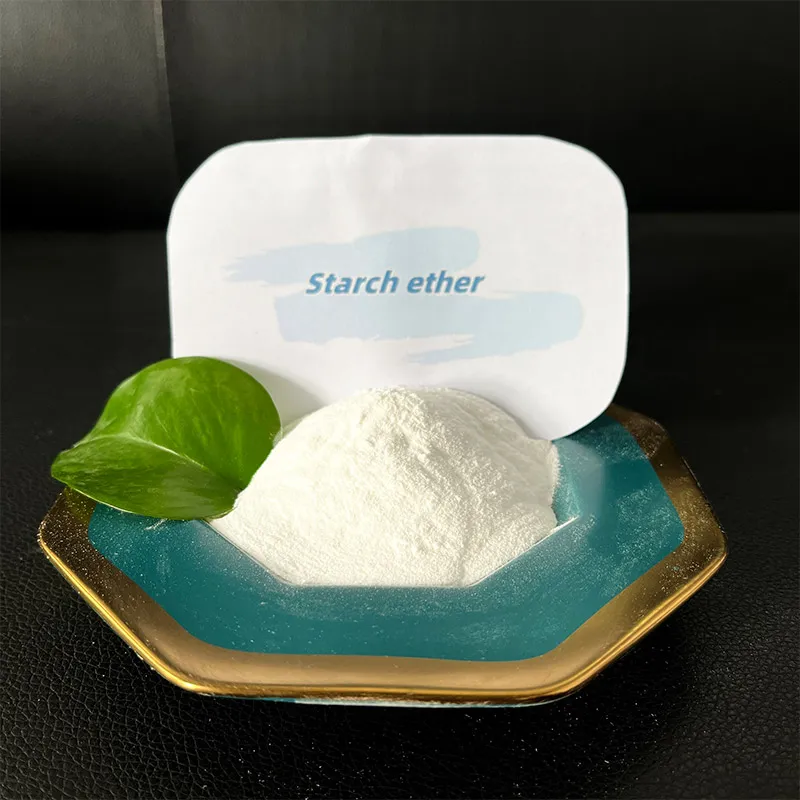
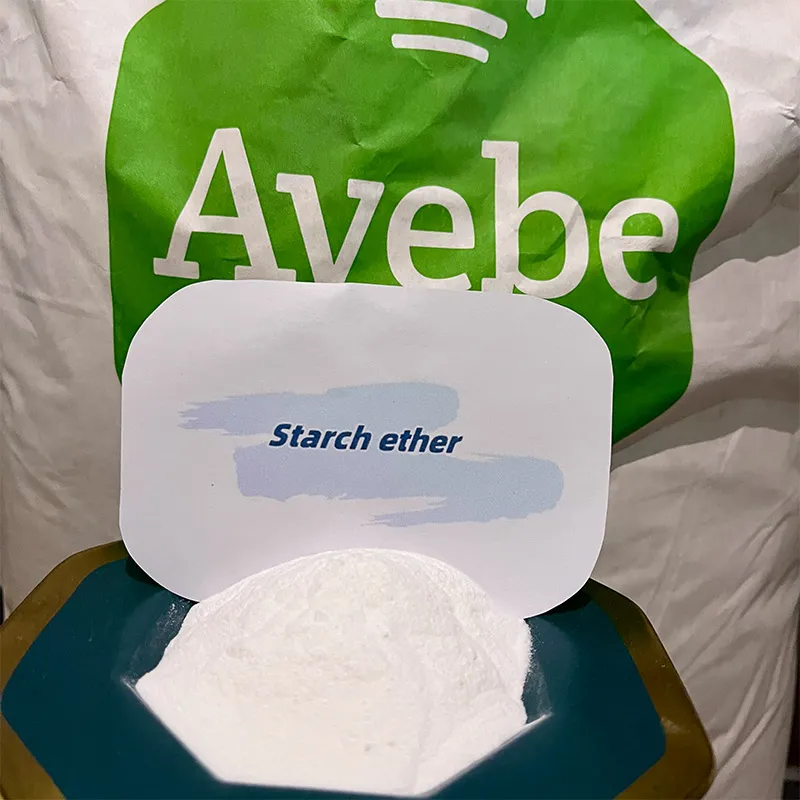
I’ve watched construction chemistries swing back toward bio-based additives, and—honestly—few ingredients have earned their keep like starch ether. It’s a refined white powder from natural plant sources, modified through etherification and smart spray drying. In the lab, it’s quiet; in the mixer, it’s a difference-maker: smoother spread, better sag control, calmer setting behavior.
Industry trends (and why they matter)
- Bio-based rheology modifiers displacing purely synthetic thickeners.
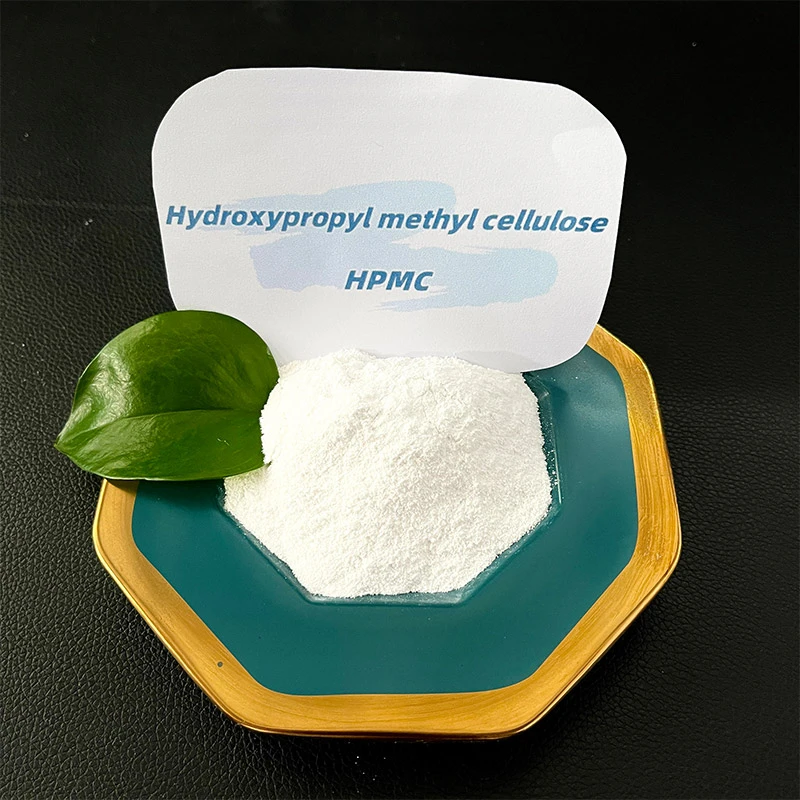
- Compatibility with HPMC/HMEHEC to fine-tune open time and anti-slip in tile adhesives.
- Lower odor, low-VOC targets in gypsum, putty, and EIFS basecoats.
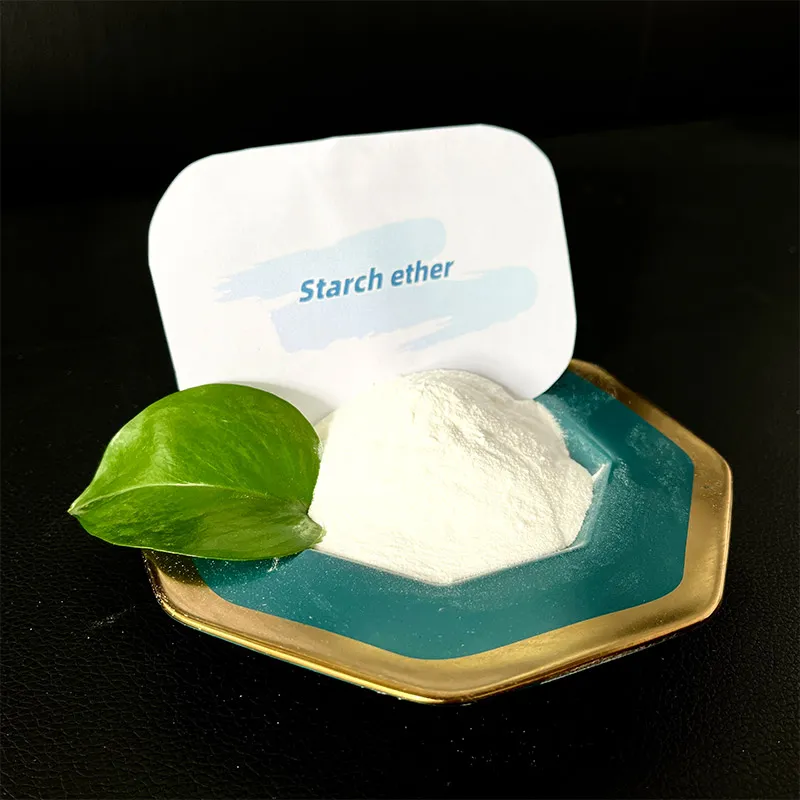
Typical specifications (real-world use may vary)
| Property | Spec (≈) |
|---|---|
| Appearance | White to off‑white powder |
| Moisture | ≤ 10% |
| pH (2% sol.) | 6.0–8.5 |
| Viscosity (2% sol., 20°C) | 50–400 mPa·s |
| Particle size (pass 100 mesh) | ≥ 95% |
| Bulk density | 0.35–0.55 g/cm³ |
| Shelf life | 12–24 months (dry, sealed) |
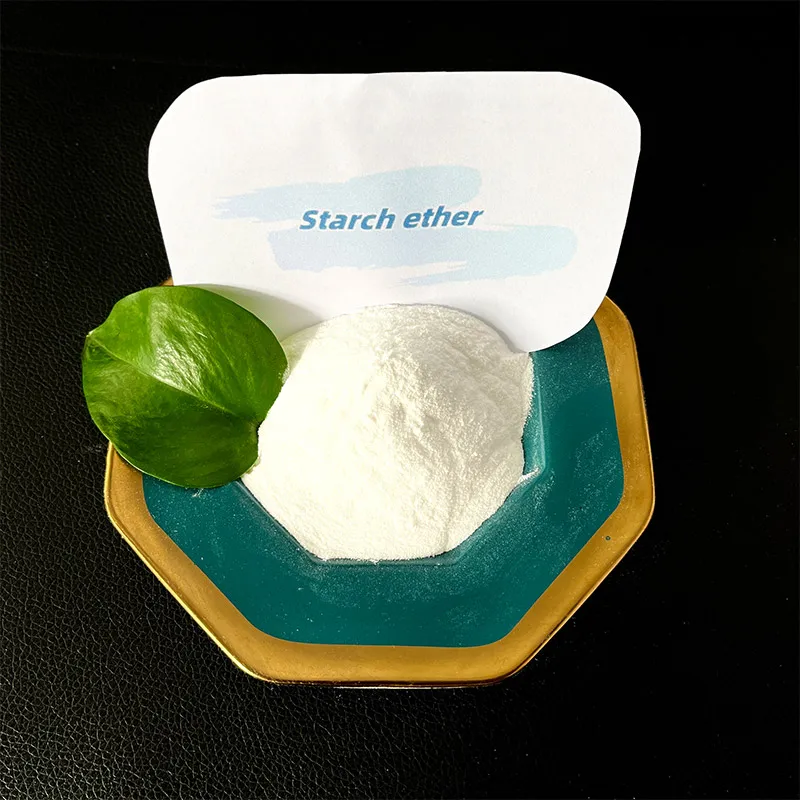
Process flow (short version)
Materials: plant starch → alkalization → etherification (e.g., hydroxypropyl/carboxymethyl reactions) → neutralization/wash → spray drying → sieving → QC.
QC methods: flow/consistency (EN 1015-3, ASTM C1437), slip (EN 1347), water retention (EN 1015-8), setting behavior (ASTM C266 for cementitious systems). Data are bench-verified, then validated in pilot mixers. Service life in finished mortar is essentially “built-in”; the additive is inert post-cure but it shapes rheology during fresh state.
Where it’s used
- Tile adhesives (EN 12004 classes C1/C2): anti-slip, open time, creamy trowel feel.
- Gypsum plasters and putties: anti-sag, improved workability, smoother finish.
- Cement renders/skim coats: reduced bleeding, better water retention.
Advantages: stable rheology, synergy with cellulose ethers, forgiving workability window. Many customers say it “calms” mixes that otherwise feel twitchy. I get that.
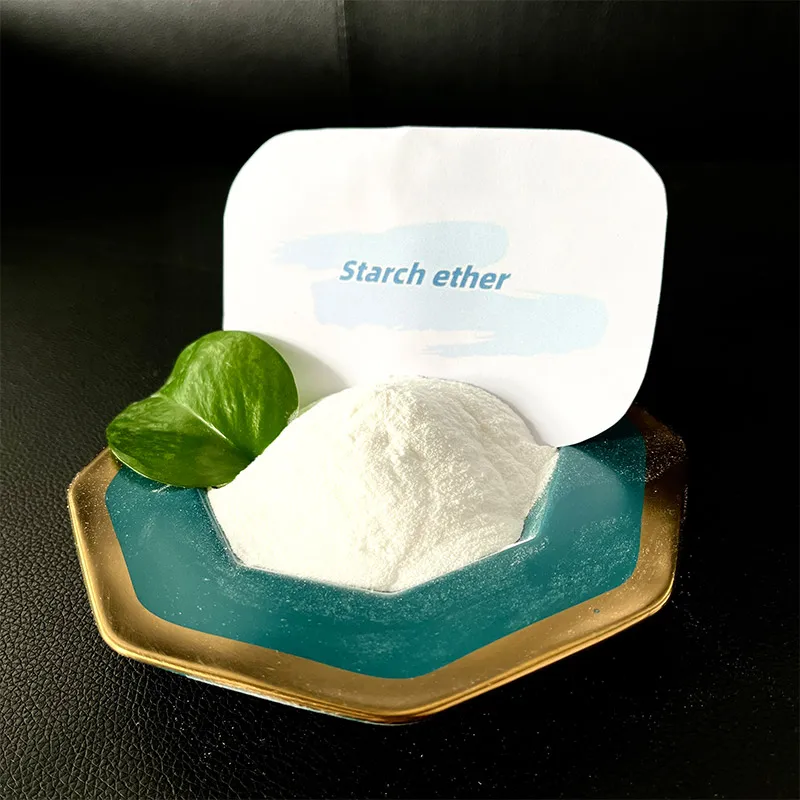
Field test snapshots (indicative)
- Water retention (EN 1015-8): up to 95–97% with 0.05–0.2% starch ether.
- Slip (EN 1347): reduced from ~1.5 mm to ≤ 0.5 mm in C2T formulations.
- Flow (ASTM C1437): 110–130% target maintained with less mixing energy.
- Open time: +5–12 minutes, depending on polymer/cellulose package.
Vendor snapshot and customization
Origin: HeBei ShengShi HongBang Cellulose Technology CO., LTD — Room 1904, Building B, Wanda Office Building, JiaoYu Road, Xinji City, Hebei Province.
| Vendor | Origin | Viscosity Range | Customization | Certs | Lead Time (≈) |
|---|---|---|---|---|---|
| HeBei ShengShi HongBang | China | 50–400 mPa·s | Degree of substitution, particle size, pH | ISO 9001, REACH-ready | 10–20 days |
| EU Supplier A | EU | 80–300 mPa·s | Limited SKUs | ISO 9001/14001 | 2–4 weeks |
| Asia Supplier B | APAC | 60–350 mPa·s | Custom blends on request | ISO 9001 | 14–25 days |
Customization tips: start at 0.05–0.15% of binder; pair with 0.2–0.5% HPMC; tweak polymer powder to hit EN 12004 C2T/S1 targets. To be honest, a small DoS shift can be the difference between “meh” and “nailed it.”
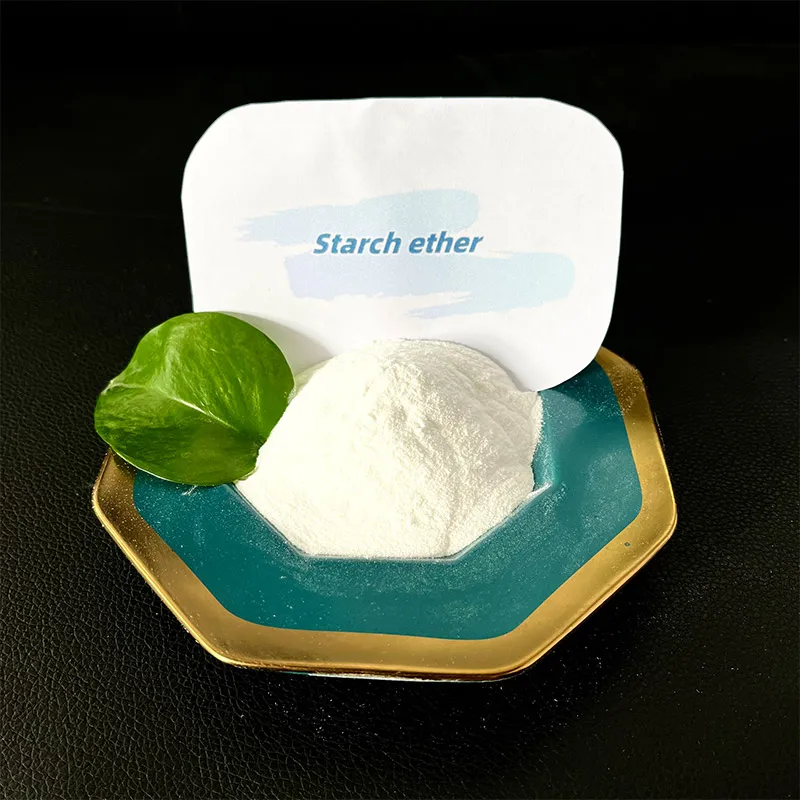
Case note
A Southeast Asia tile adhesive plant swapped 0.1% starch ether into a C2T formula. Slip fell from 1.2 mm to 0.4 mm; open time up ~7 minutes; mixers reported “creamier ribbons” and fewer edge tears. Not scientific poetry, but installers notice.
Customer feedback: “Less stick-slip on the trowel; easier to comb in humid mornings.” Fair enough—and repeatable.
Certifications and compliance
Available with ISO 9001 QMS; formulated to assist compliance with EN 12004 tile adhesive metrics; supports testing per EN 1015 series, ASTM C1437/C266. REACH and RoHS statements available on request.
References
- EN 12004-1:2017 Adhesives for tiles — Requirements.
- ASTM C1437 – Standard Test Method for Flow of Hydraulic Cement Mortar.
- EN 1015-3:1999 Methods of test for mortar — Determination of consistence.
- EN 1015-8:1999 Methods of test for mortar — Water retention.
- ASTM C266 – Time of Setting of Hydraulic-Cement Paste by Gillmore Needles.
- ISO 9001:2015 Quality management systems — Requirements.
-
Industrial Guide to ГПМЦ целлюлоза High Performance CelluloseNewsApr.16,2026
-
Wood Cellulose Properties and Industrial Applications GuideNewsApr.09,2026
-
Does Wood Contain Cellulose A Detailed Exploration of its Composition and UsesNewsApr.07,2026
-
Understanding Wood Cellulose Meaning Applications and Future TrendsNewsApr.04,2026
-
Exploring the Potential of Wood Cellulose is wood cellulose a Sustainable MaterialNewsMar.31,2026
-
Exploring the Sustainability and Versatility of Cellulose Wood ChipsNewsMar.28,2026
-
Understanding Wood Pulp Cellulose A Comprehensive Guide to Properties and ApplicationsNewsMar.26,2026