-

Add: HeBei ShengShi HongBang Cellulose Technology CO.,LTD.
-

Email
13180486930@163.com -

CONTACT US
+86 13180486930
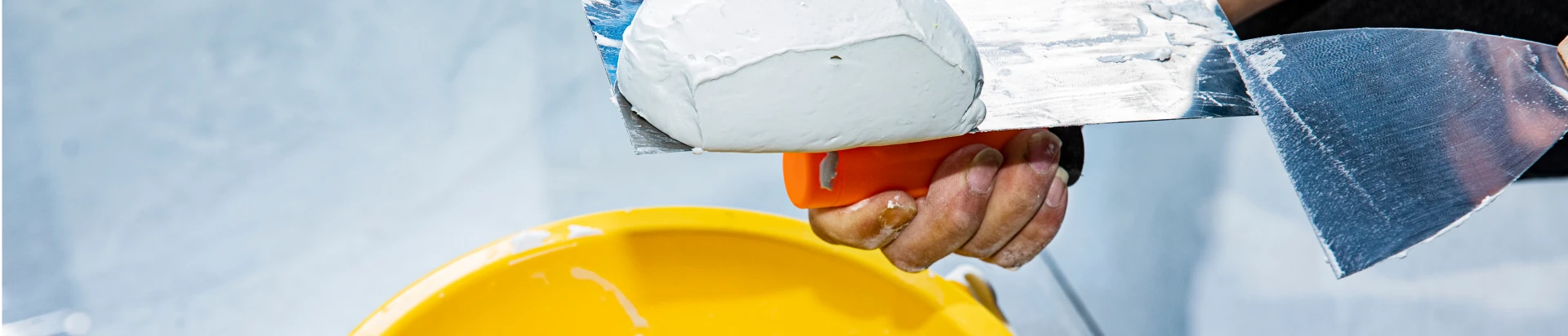
Rubber Powder Uses: What Grades & Price Suit Your Needs?
Rubber Powder-821: Practical Insights, Specs, and Real-World Results
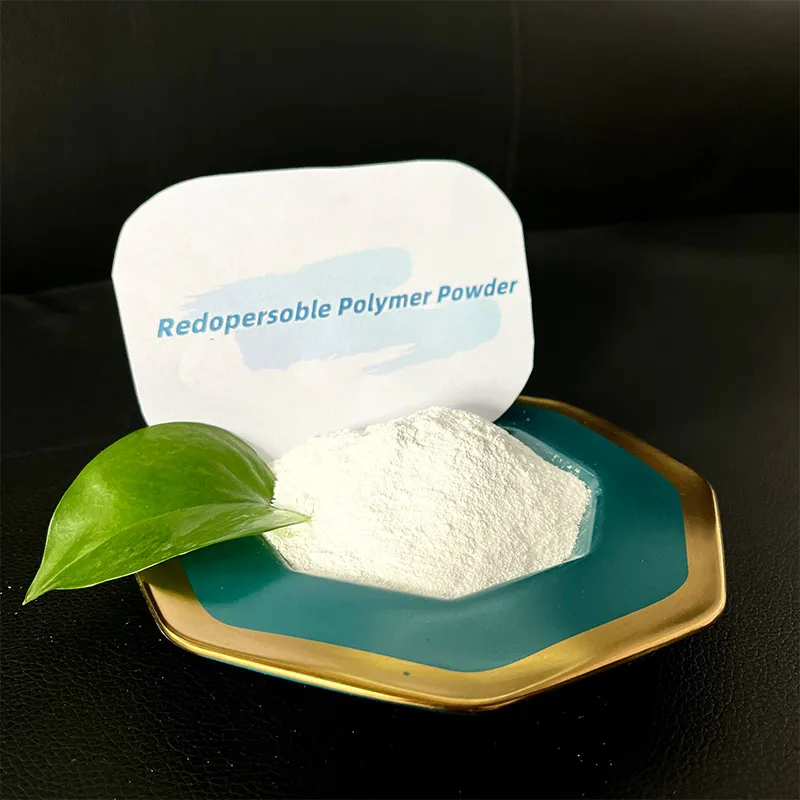
If you’ve been hunting for credible, field-tested rubber powder uses in tile adhesives, here’s the straight story from job sites and lab benches. Rubber Powder-821 is a high-consistency binder designed to upgrade cementitious adhesives—better flexibility, stronger bond, and fewer callbacks. In fact, many contractors tell me they switched after one wet-area project where cheaper mixes simply didn’t stick.
What’s trending (and why it matters)
Two forces are shaping the market: tighter performance specs (ISO/EN) and the shift to faster, cleaner installs. That means polymer-rich blends are winning. To be honest, price pressure is still real, but premium powders that deliver C2 performance are saving labor—and that cost impact is bigger than a few dollars on the bag.
Typical rubber powder uses today include ceramic and porcelain tiles, large-format slabs, façade systems, pools, and heated floors. In renovation, it shines where substrates are a bit… let’s say imperfect.
How it works: materials, method, and testing
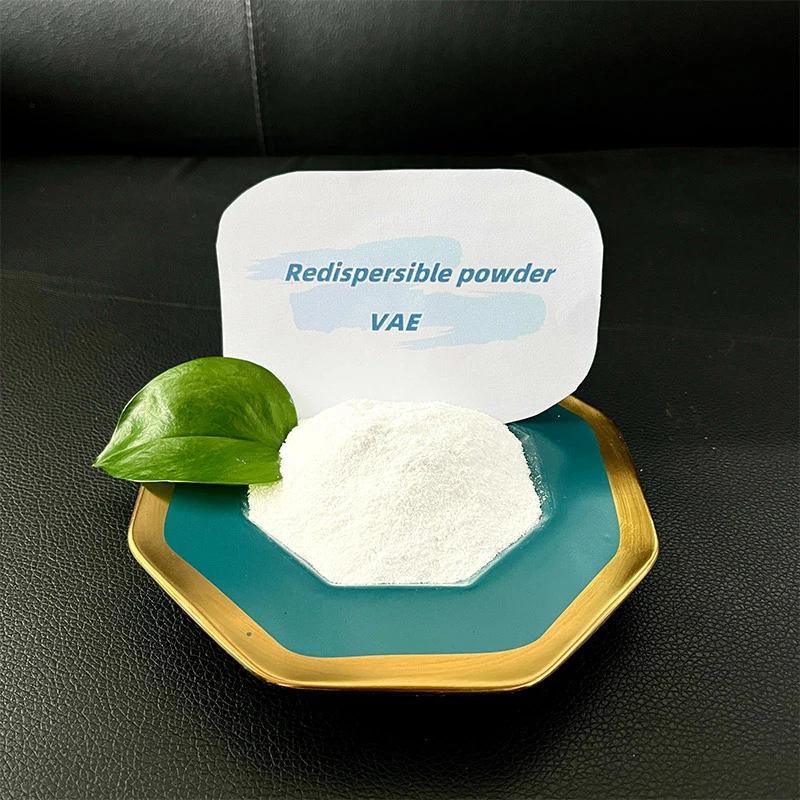
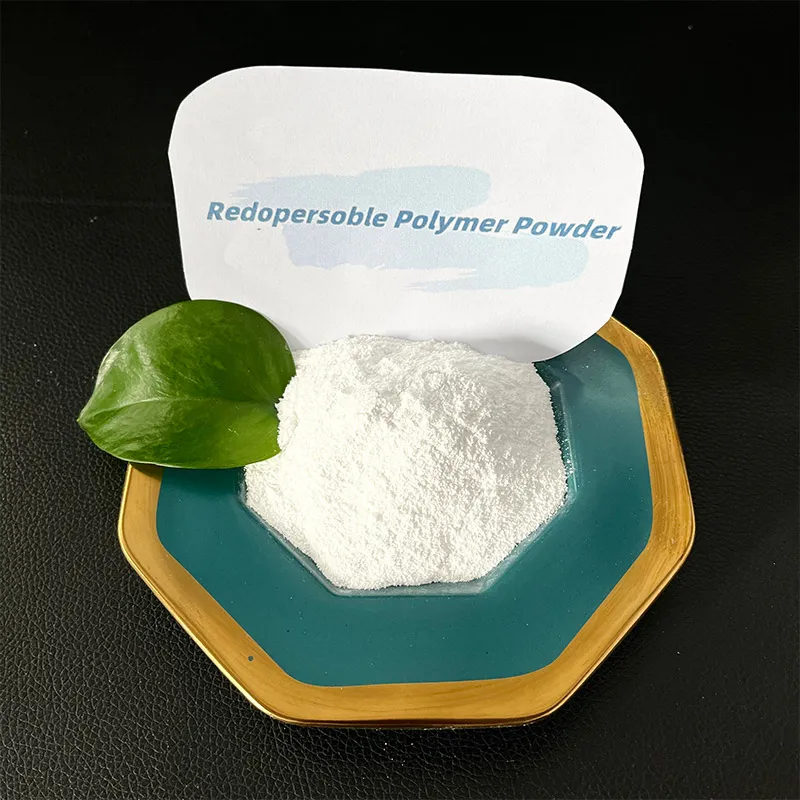
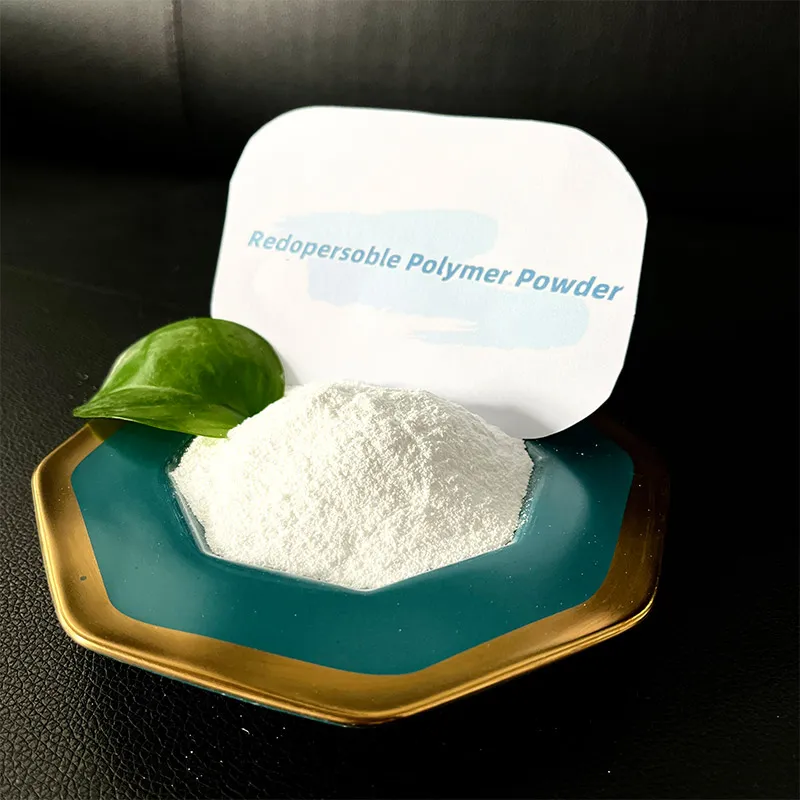
Rubber Powder-821 is a spray-dried polymer that redisperses in water, coalescing into a flexible film inside the mortar. You blend it with cement, graded sand, and modifiers (cellulose ether, defoamers) for open time and workability. Honestly, the mix window is forgiving, but follow your lab ratios.
- Process flow: cement + fillers → dry blend with Rubber Powder-821 → add water (≈20–24%) → mix 3–5 min → rest 2 min → remix → apply.
- Key tests: tensile adhesion strength (ISO 13007 / EN 12004), slip resistance, open time, water immersion, freeze–thaw, heat aging, and sometimes shear (ASTM C482).
- Service life: around 15–25 years in compliant systems; real-world use may vary with substrate prep, climate, and grout/seal routine.
Typical industries: residential/commercial tiling, hospitality, pools/spas, transportation hubs, and exterior façades where movement and moisture are constant headaches.
Product snapshot: Rubber Powder-821 (indicative)
| Parameter | Typical Value (≈) | Notes |
|---|---|---|
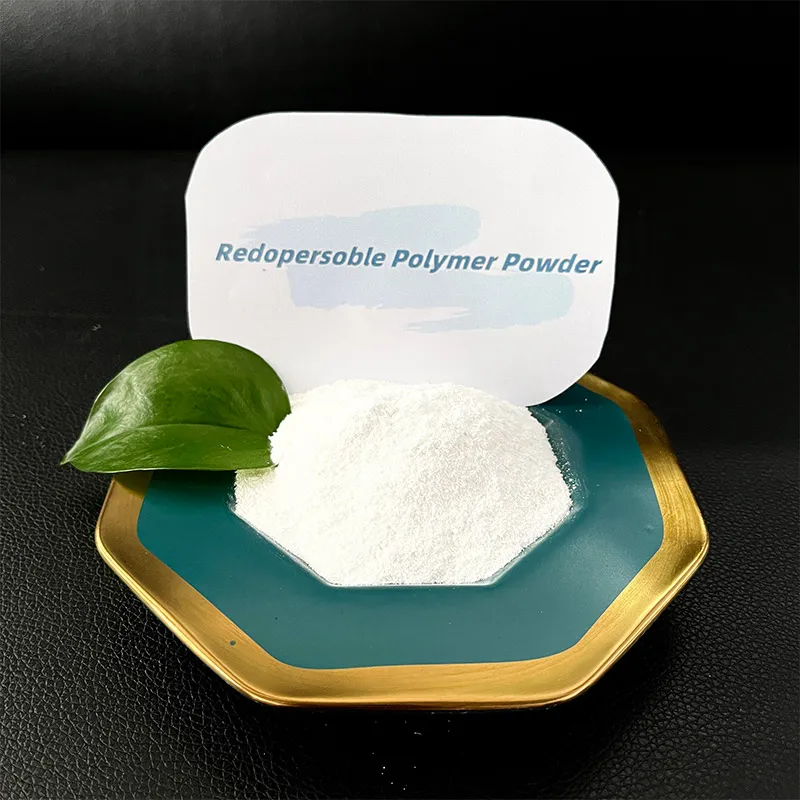
| Appearance | Free-flowing white powder | Low dust, easy dosing |
| Particle size | 80–200 mesh | Uniform dispersion |
| Polymer base | Elastic “rubber” polymer | Designed for flexibility |
| Tensile adhesion (dry) | ≈1.2–1.6 MPa | C2-capable formulations [1][2] |
| Open time (E) | ≥0.5 MPa @ 30 min | Lab mixed, 23°C/50% RH |
| Slip (T) | ≤0.5 mm | Large-format friendly |
Note: data are typical; verify in your system. That’s just good practice.
Vendor snapshot and customization
Origin: HeBei ShengShi HongBang Cellulose Technology CO., LTD, Room 1904, Building B, Wanda Office Building, JiaoYu Road, Xinji City, Hebei Province. Custom tweaks are common—polymer content, particle size, anti-caking, even hydrophobic grade. It seems that tailoring for S1 deformability pays off in cold regions.
| Vendor | Certs | Customization | MOQ | Lead Time | Tech Support |
|---|---|---|---|---|---|
| HongBang (Rubber Powder-821) | ISO 9001; RoHS-like claims | Particle size, Tg/MFFT, flow | ≈1–2 t | 10–15 days | Formulation + lab tests |
| Generic OEM A | ISO 9001 | Limited | ≈3–5 t | 15–25 days | Email-only |
| Resin Vendor B | ISO 14001/9001 | Broad, surcharge | ≥5 t | 20–30 days | On-site audits |
Field notes and mini case studies
rubber powder uses in wet-room retrofits: a coastal hotel switched to a 821-based C2TE mix; water-immersion pull-offs held around 1.0–1.2 MPa, and tiles stayed put through storm season. Another job—a winter install on radiant floors—needed S1 flexibility; adding a touch more 821 and adjusting water brought deformability into spec without nasty slump. Surprisingly smooth outcome.
Customer feedback: “Open time is forgiving, but not lazy,” one installer joked. That balance matters on big-format porcelain.
Practical tips
- Substrate prep is non-negotiable. Even the best rubber powder uses won’t fix dust or movement joints.
- Mockups: test at site temperature/humidity; document water addition and pot life.
- Verify compliance against ISO 13007/EN 12004 or ANSI A118 class before rollout.
References
- ISO 13007-1: Ceramic tiles — Grouts and adhesives — Part 1: Requirements.
- EN 12004: Adhesives for ceramic tiles — Requirements, evaluation of conformity, classification.
- ASTM C482: Standard Test Method for Bond Strength of Ceramic Tile to Portland Cement Paste.
- ANSI A118.4/A118.15: American National Standards for modified dry-set cement mortars.
-
Industrial Guide to ГПМЦ целлюлоза High Performance CelluloseNewsApr.16,2026
-
Wood Cellulose Properties and Industrial Applications GuideNewsApr.09,2026
-
Does Wood Contain Cellulose A Detailed Exploration of its Composition and UsesNewsApr.07,2026
-
Understanding Wood Cellulose Meaning Applications and Future TrendsNewsApr.04,2026
-
Exploring the Potential of Wood Cellulose is wood cellulose a Sustainable MaterialNewsMar.31,2026
-
Exploring the Sustainability and Versatility of Cellulose Wood ChipsNewsMar.28,2026
-
Understanding Wood Pulp Cellulose A Comprehensive Guide to Properties and ApplicationsNewsMar.26,2026