-

Add: HeBei ShengShi HongBang Cellulose Technology CO.,LTD.
-

Email
13180486930@163.com -

CONTACT US
+86 13180486930
Rubber Powder Uses: Versatile, Cost-Effective, Eco-Friendly
Rubber powder-821: a practical insider’s guide to rubber powder uses in tile adhesives
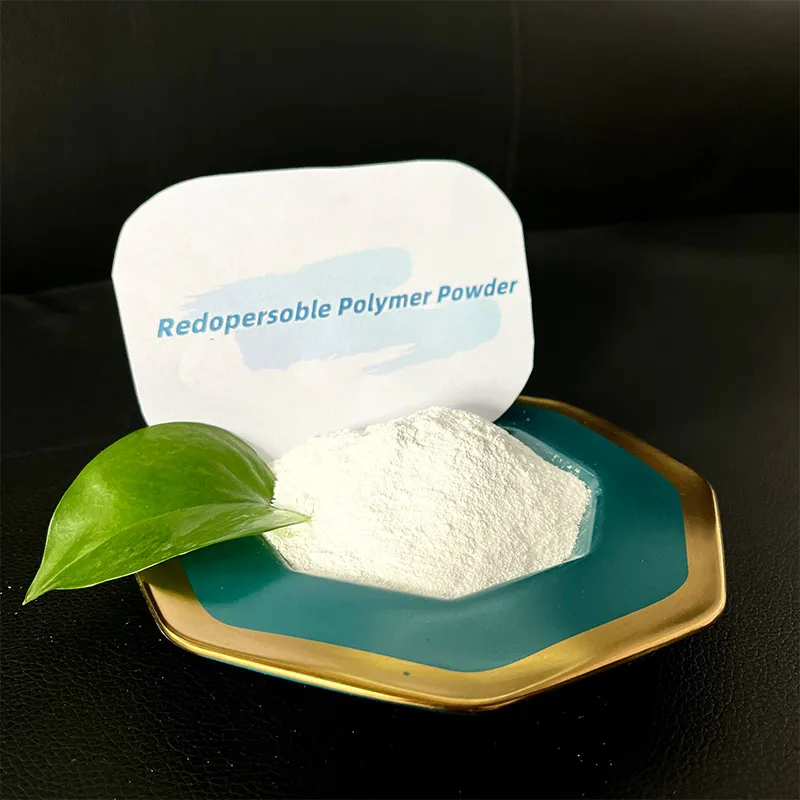
If you’ve mixed tile adhesive on a jobsite, you’ve probably noticed how modern binders feel “stickier” yet smoother. That’s no accident. Rubber powder-821 from HeBei ShengShi HongBang Cellulose Technology CO., LTD (Room 1904, Building B, Wanda Office Building, JiaoYu Road, Xinji City, Hebei Province) is one of those quiet upgrades driving stronger bonds, better flexibility, and fewer callbacks. To be honest, the market got here faster than many expected.
What’s changing in the industry
Three currents are shaping specifications right now: higher-performance porcelain and large-format tiles, sustainability pressures (low VOC, longer service life), and jobsite variability. Rubberized polymer powders give mortars the stretch (S1), adhesion (C2), and open time (E) you need to cope with real-world substrates. In fact, many customers say they see cleaner trowel ridges and fewer tiles “swimming.”
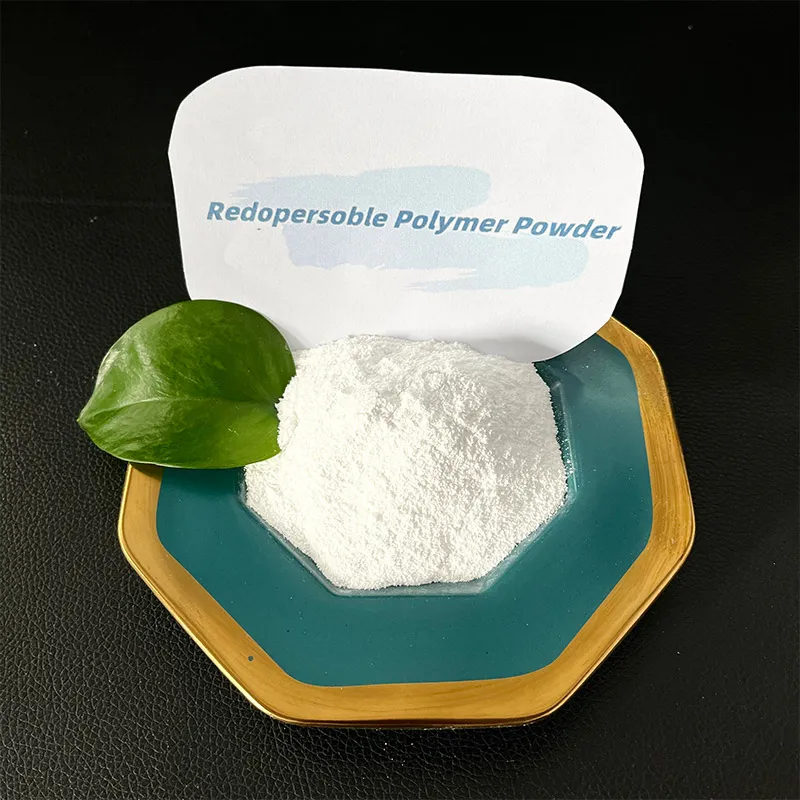
Technical snapshot: Rubber powder-821
| Parameter | Typical value (≈ / around) |
|---|---|
| Form | Free-flowing elastomeric polymer powder |
| Particle size (D50) | ≈ 80–150 μm |
| Bulk density | ≈ 450–650 kg/m³ |
| Recommended dosage | 2–5% of dry mortar (real-world use may vary) |
| EN 1348 tensile adhesion | ≥ 1.5 MPa (C2 grade with proper formulation) |
| Slip | ≤ 0.5 mm (T) |
| Deformability | S1 class potential |
Process flow and QC (short version)
Materials: Portland cement, graded silica sand, Rubber powder-821, HPMC (cellulose ether), limestone filler, defoamer, optional fibers.
Method: Dry blend 3–7 minutes in a ribbon mixer; target uniform distribution. For site-mixes, add water (≈ 23–28% by weight), mix 3–5 minutes, rest 2 minutes, remix 1 minute.
Testing standards: EN 12004-1/ISO 13007 classification; EN 1346 open time; EN 1348 tensile adhesion (initial/wet/heat/freeze-thaw); ASTM C1437 flow for consistency check; ASTM C109/C348 strength screening (informative).
Service life: around 15–25 years when applied over sound substrates with correct coverage and movement joints observed.
Where it shines: real-world rubber powder uses
- Large-format porcelain on cement render or self-levelers- Stone veneers in lobbies and shopping malls
- Facade tiling with deformable C2TE S1 mortars
- Wet areas: spas, commercial kitchens, balconies (with proper waterproofing underlay)
- Flexible patching/bedding mortars where crack-bridging helps
Customer feedback? “Better wet tack, fewer slips, and tiles stay put,” as one contractor in a humid coastal city told me, slightly surprised after a stormy week.
Mini case study
A hotel lobby retrofit (1,800 m²) specified C2TE S1. The formulator used 3.8% Rubber powder-821 + premium HPMC. Lab data showed EN 1348 ≥ 1.6 MPa (initial) and ≥ 1.2 MPa after water immersion; on-site pull-offs averaged 1.3 MPa. Open time hit the 30-minute mark comfortably. No hollow spots reported at 6-month audit—always a good sign.
Vendor comparison (what specifiers actually ask)
| Vendor | Certifications | Customization | Lead time | Tech support |
|---|---|---|---|---|
| HeBei ShengShi HongBang (Rubber powder-821) | ISO 9001; REACH-ready docs | Particle size/Tg/wetting agents | ≈ 2–3 weeks typical | Formulation and on-site guidance |
| Regional blender A | ISO 9001 | Limited grades | ≈ 1–2 weeks | Phone/email only |
| Importer B | Supplier self-declarations | Catalog only | ≈ 4–6 weeks (shipping) | Basic datasheets |
Customization options
It seems that one-size-fits-all isn’t cutting it anymore. Ask for: tuned glass transition (cold weather vs hot climates), hydrophobic grades for damp substrates, anti-slip packages for vertical work, and packaging in moisture-barrier bags. Lab co-development is honestly where the magic happens.
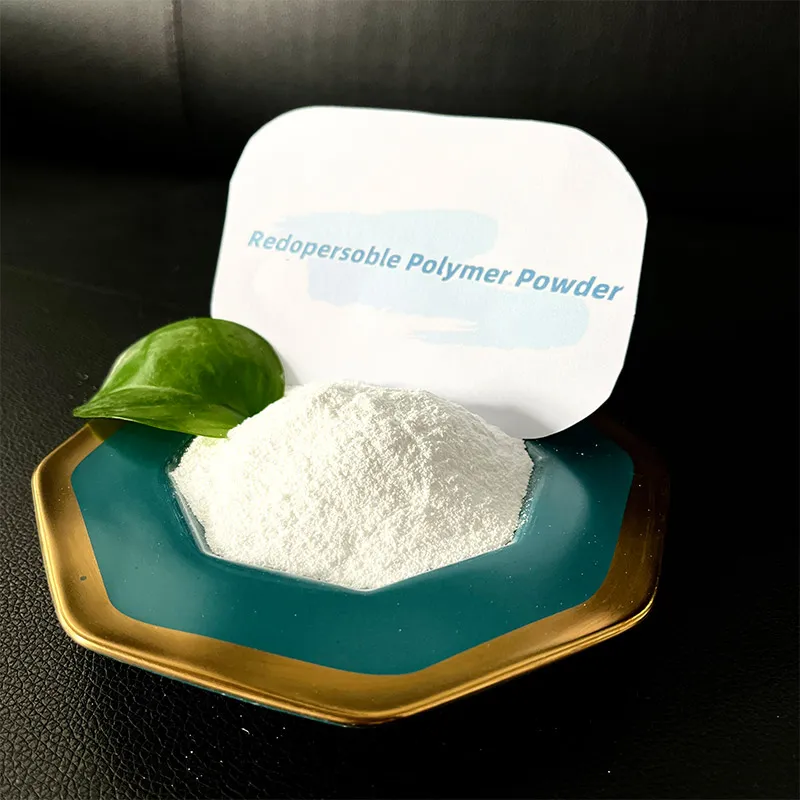
Final notes on responsible rubber powder uses
Follow EN 12004/ISO 13007 classifications, watch substrate moisture, and respect movement joints. Document your own tests; lab numbers are great, but jobsite water quality and mixing shears can nudge outcomes. However, with a sensible formulation, Rubber powder-821 is a solid way to hit C2TE S1 without drama.
Authoritative references
- ISO 13007-1/EN 12004-1: Ceramic tiles—Adhesives—Requirements.
- EN 1346: Determination of open time.
- EN 1348: Tensile adhesion strength for cementitious adhesives.
- ASTM C109/C109M: Compressive strength of hydraulic cement mortars (informative for screening).
- ISO 9001: Quality management systems—Requirements.
-
Industrial Guide to ГПМЦ целлюлоза High Performance CelluloseNewsApr.16,2026
-
Wood Cellulose Properties and Industrial Applications GuideNewsApr.09,2026
-
Does Wood Contain Cellulose A Detailed Exploration of its Composition and UsesNewsApr.07,2026
-
Understanding Wood Cellulose Meaning Applications and Future TrendsNewsApr.04,2026
-
Exploring the Potential of Wood Cellulose is wood cellulose a Sustainable MaterialNewsMar.31,2026
-
Exploring the Sustainability and Versatility of Cellulose Wood ChipsNewsMar.28,2026
-
Understanding Wood Pulp Cellulose A Comprehensive Guide to Properties and ApplicationsNewsMar.26,2026