-

Add: HeBei ShengShi HongBang Cellulose Technology CO.,LTD.
-

Email
13180486930@163.com -

CONTACT US
+86 13180486930
Rubber Powder Uses: Fine Grades, Low Price & Reliable Supply
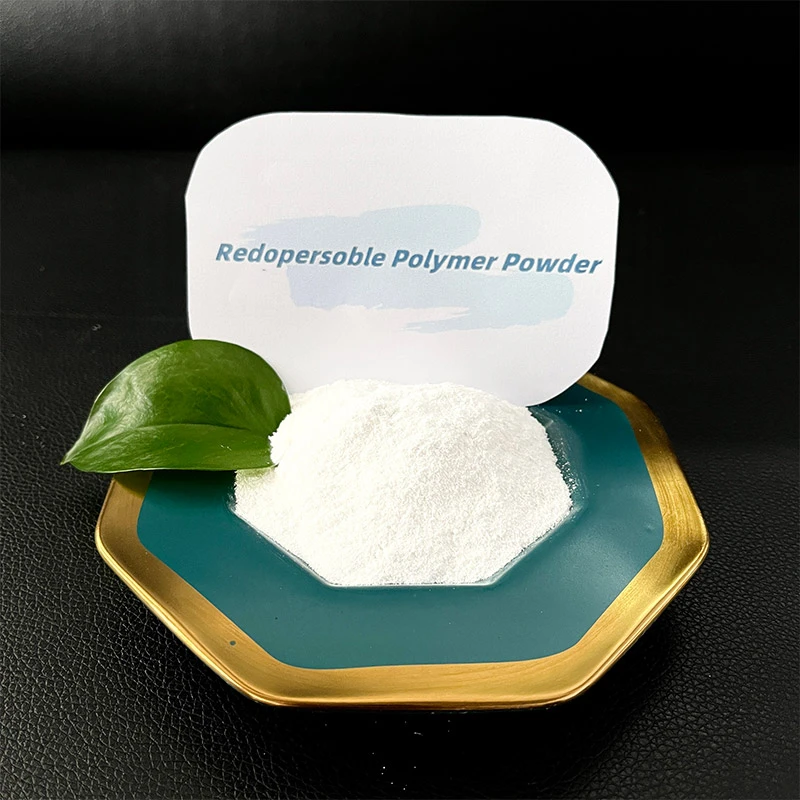
Rubber powder-821: an insider look at how it’s changing tile adhesive performance
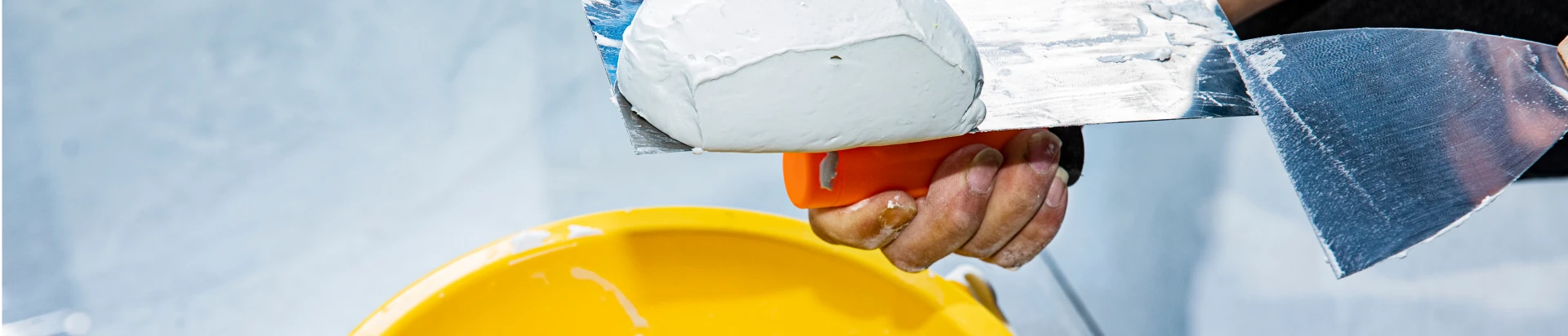
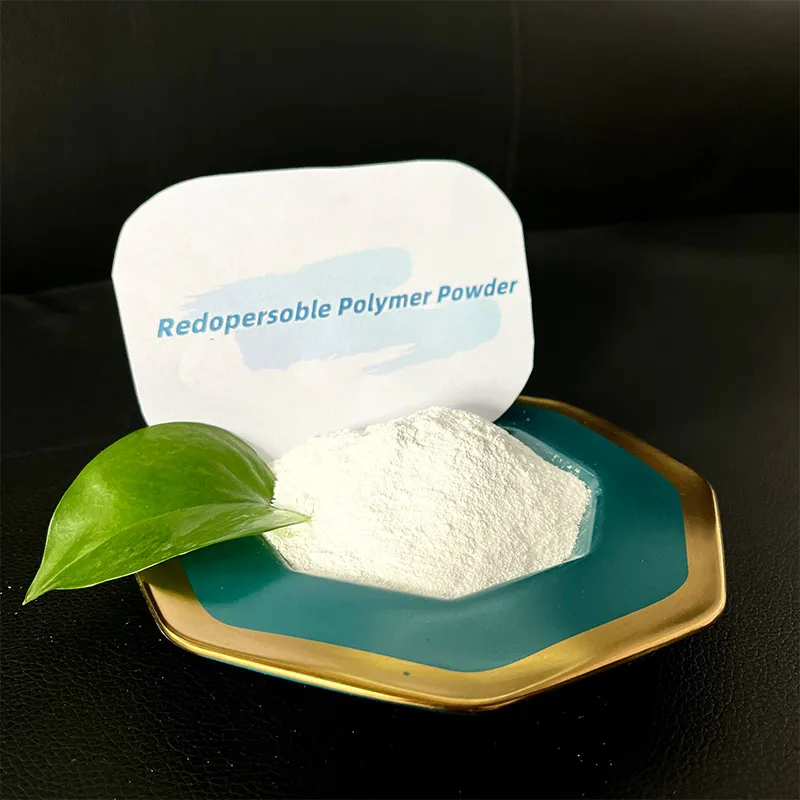
If you’re skimming for rubber powder uses, here’s the short version: this polymer-binder powder upgrades ordinary cement-based mortars into flexible, high-adhesion tile adhesives. I’ve seen it on job sites from humid bathrooms to windy facades—quietly doing the heavy lifting.
What’s happening in the market
Demand is shifting toward polymer-modified systems that meet EN/ISO tile adhesive classes (C1/C2, S1/S2). Builders want stronger initial grab, better flexibility, and longer open time—without making installers babysit the mix. To be honest, rubber powder uses have grown beyond “nice-to-have”; they’re now the insurance policy for tricky substrates, large-format porcelain, and heated floors.
Typical process flow (real-world)
- Materials: Portland cement, graded silica sand, Rubber powder-821 (≈2–5% by cement), HPMC cellulose ether for workability, defoamer as needed, clean water.
- Dry blending: 3–5 minutes in ribbon/paddle mixer to uniformity (moisture ≤0.5%).
- Mixing on site: water addition 20–24% by weight of dry mortar; rest 5 minutes; re-mix 30 seconds.
- Application: notched trowel; open time target ≥20–30 min; adjustability ≈15 min.
- Testing: EN 1348 tensile adhesion (initial, water immersion, heat aging, freeze–thaw), ISO 13007 slip/open time, ASTM C1583 pull-off for site checks.
- Service life: around 10–25 years depending on substrate prep, exposure, and tile type. Exterior façades and pools trend to the lower range unless fully compliant systems are used.
Where it’s used (and why)
- Large-format porcelain and low-absorption tiles: better wetting and bond.
- Heated floors and façades: elasticity to absorb movement; fewer debond claims.
- Renovation over old substrates: improved adhesion on legacy renders and primed concrete.
- Wet areas: bathrooms, pools, kitchens—enhanced water resistance when paired with proper waterproofing.
Many installers say it “feels creamier” and holds ridges longer. I guess that tactile feedback matters more than we admit.
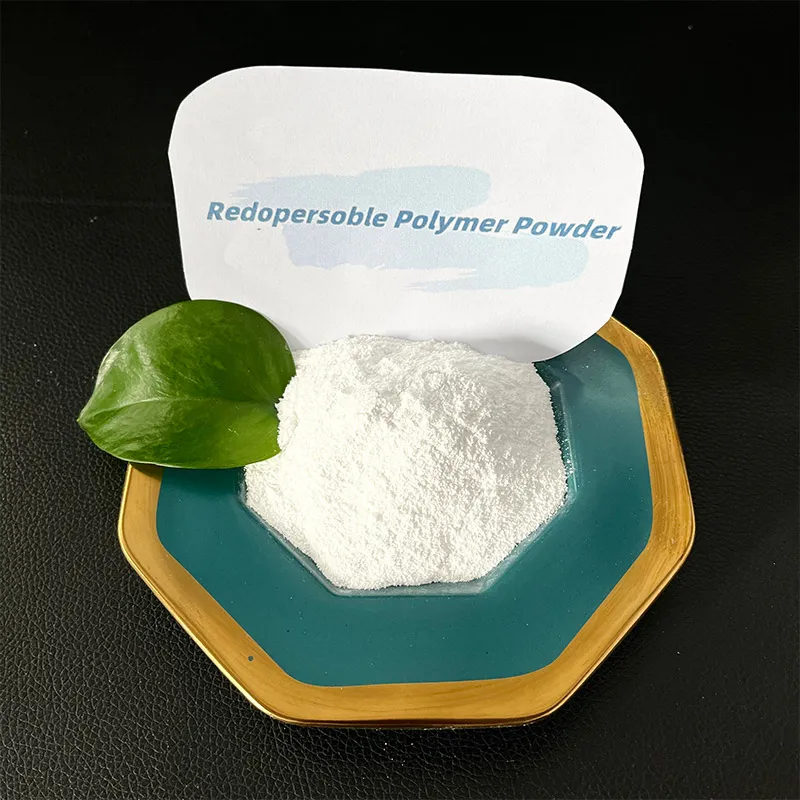
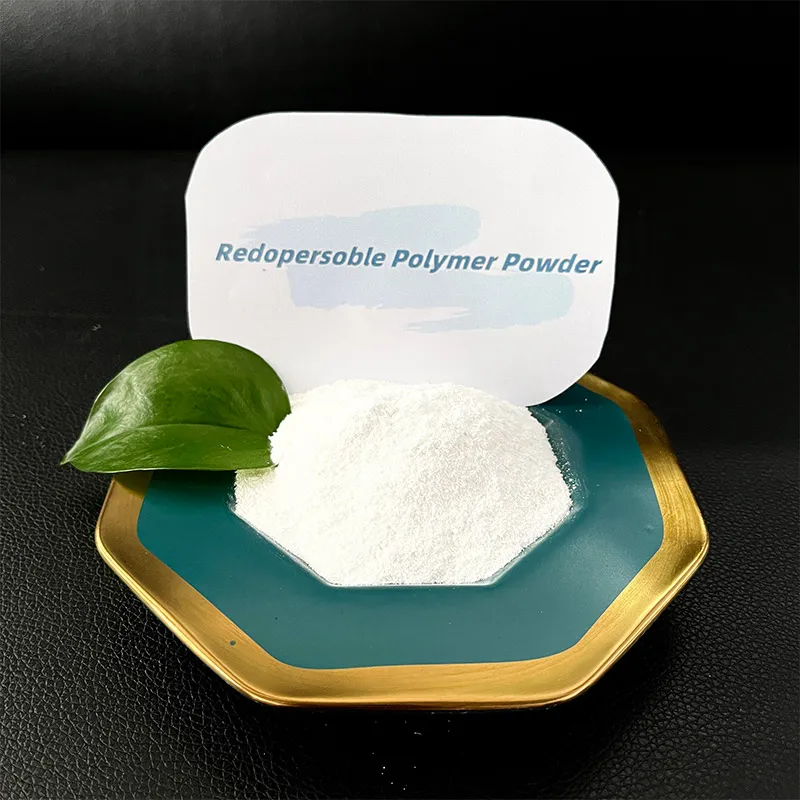
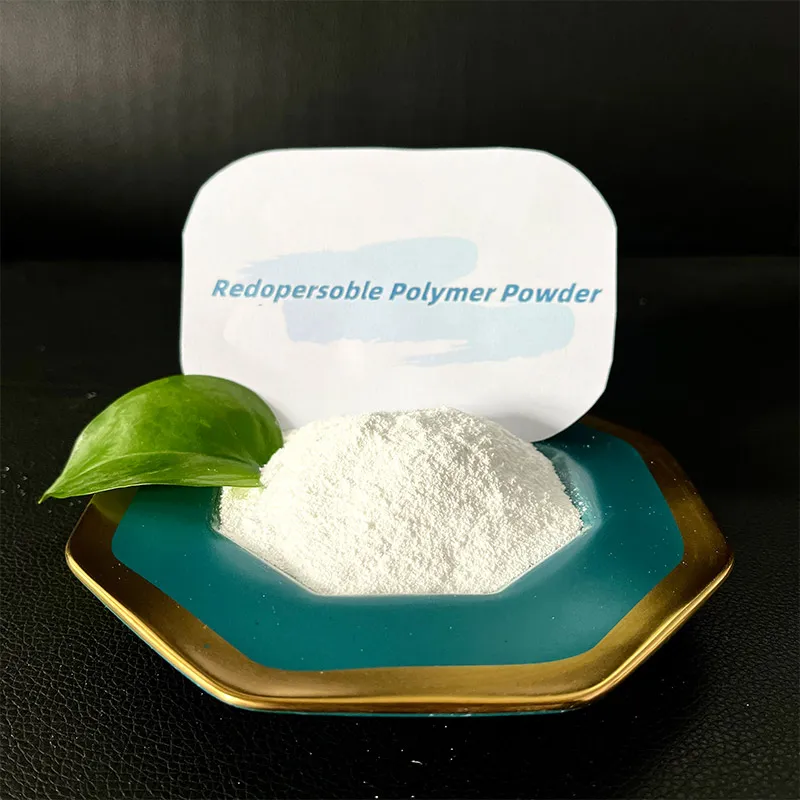
Rubber powder-821: indicative specs
| Parameter | Typical Value (≈) | Notes |
|---|---|---|
| Appearance | Free-flowing white powder | Low dust, easy dispersing |
| Bulk density | 0.45–0.55 g/cm³ | Real-world use may vary |
| Particle size (D50) | 80–150 μm | Optimized for mortar blending |
| Recommended dosage | 2–5% of cement | Higher for exterior or heavy duty |
| Adhesion (EN 1348) | ≥1.0 MPa initial; ≥0.5–1.0 MPa after water/heat | Formulation dependent |
Customization and compliance
Origin: HeBei ShengShi HongBang Cellulose Technology CO., LTD, Room 1904, Building B, Wanda Office Building, JiaoYu Road, Xinji City, Hebei Province. Custom options: Tg tuning for flexibility, anti-slip balance, faster wetting for dense porcelain, and pairing with HPMC grades for open time. Certifications commonly requested: ISO 9001, REACH/ROHS declarations, and test reports to ISO 13007/EN 12004.
Vendor snapshot (what buyers compare)
| Vendor | Lead time (≈) | Customization | Certs/Support |
|---|---|---|---|
| HeBei ShengShi HongBang | 10–15 days | Tg, flow, open-time tuning | ISO 9001; on-site formulation help |
| Vendor A | 15–25 days | Limited | COA only |
| Vendor B | 7–20 days | Moderate | ISO 9001; remote QA |
Field results and feedback
A coastal façade project (C2TES1 spec) used Rubber powder-821 at 4% dosage; pull-off after 28 days averaged 1.3 MPa (EN 1348), with freeze–thaw retention ≈0.9 MPa. In a hotel bathroom renovation, installers reported “longer open time and cleaner comb lines,” which, surprisingly, cut rework. It seems that rubber powder uses shine most when substrates are less than perfect.
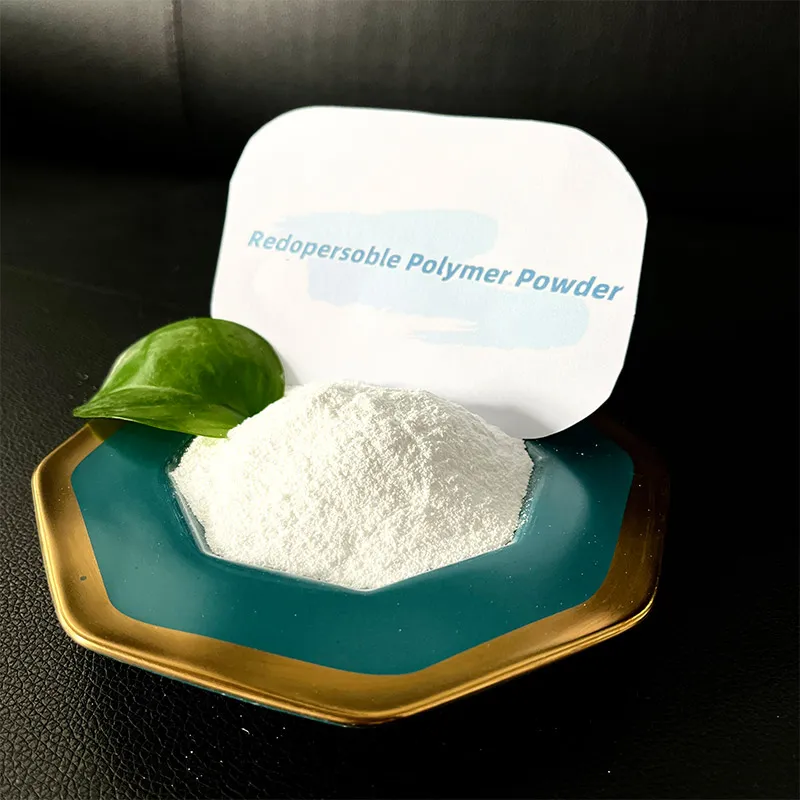
Advantages at a glance
- Higher bond strength on dense tiles; better water and heat aging resistance.
- Flexibility for thermal movement (underfloor heating) and exterior cycles.
- Installer-friendly rheology: creamy spread, lower slip, extended open time.
References
- ISO 13007 / EN 12004: Ceramic tile adhesives—classification and requirements.
- EN 1348: Adhesives for tiles—determination of tensile adhesion strength.
- ASTM C1583/C1583M: Tensile strength of concrete surfaces and bond strength of overlays.
- GB/T 25181: Ceramic tile adhesive—Chinese national standard.
- ETAG 004/ETAG related guidance for exterior bonded systems (context for durability testing).
-
Industrial Guide to ГПМЦ целлюлоза High Performance CelluloseNewsApr.16,2026
-
Wood Cellulose Properties and Industrial Applications GuideNewsApr.09,2026
-
Does Wood Contain Cellulose A Detailed Exploration of its Composition and UsesNewsApr.07,2026
-
Understanding Wood Cellulose Meaning Applications and Future TrendsNewsApr.04,2026
-
Exploring the Potential of Wood Cellulose is wood cellulose a Sustainable MaterialNewsMar.31,2026
-
Exploring the Sustainability and Versatility of Cellulose Wood ChipsNewsMar.28,2026
-
Understanding Wood Pulp Cellulose A Comprehensive Guide to Properties and ApplicationsNewsMar.26,2026