-

Add: HeBei ShengShi HongBang Cellulose Technology CO.,LTD.
-

Email
13180486930@163.com -

CONTACT US
+86 13180486930
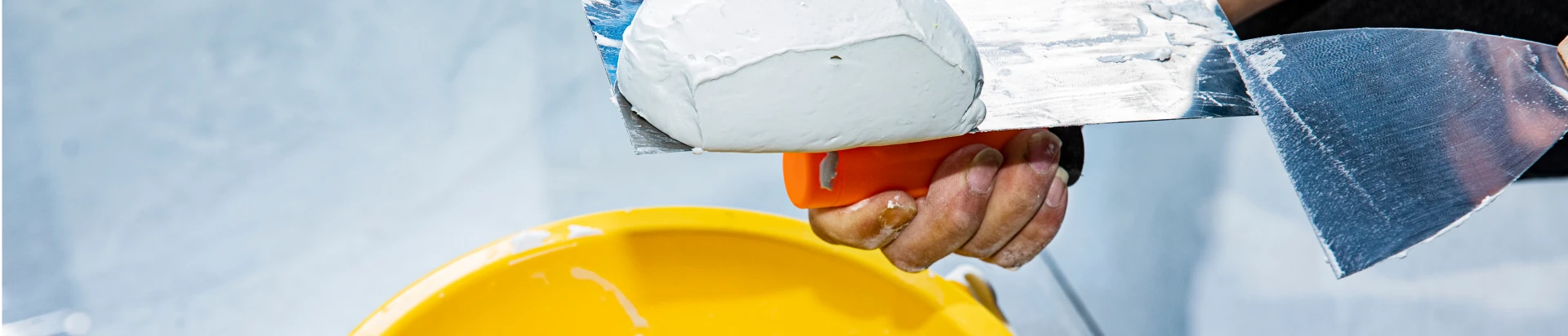
Rubber Powder Uses: Cost-Effective, High-Purity, Versatile
Real-World Rubber Powder Uses in Tile Adhesives: What Pros Actually Do
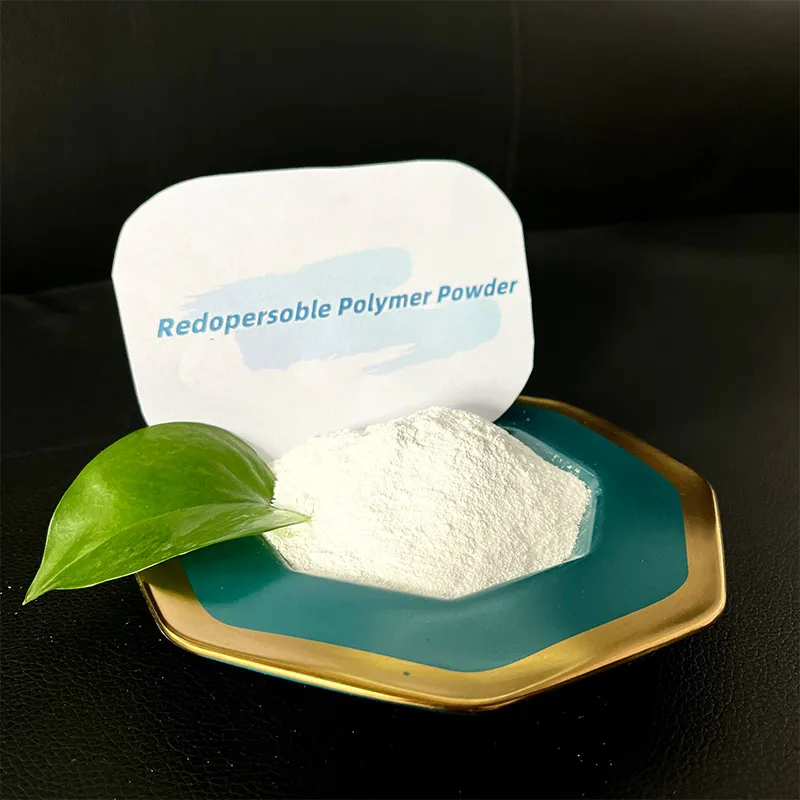
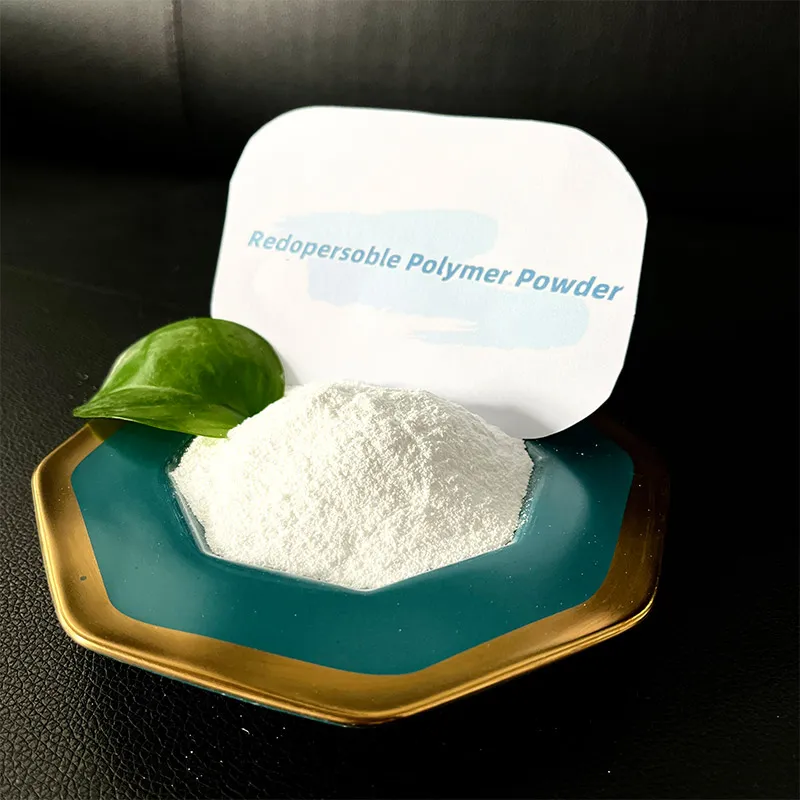
If you work with ceramic tile mortars day in, day out, you start to notice which additives quietly make everything stick. One of those is Rubber Powder Uses—specifically the flexible binder in modern thin-set formulations. The product I’ve seen spec’d a lot lately is Rubber powder-821, a redispersible rubber/polymer powder used to lift cement mortars from “okay” to “wow, that holds.” Origin-wise, it’s from HeBei ShengShi HongBang Cellulose Technology CO., LTD (Room 1904, Building B, Wanda Office Building, JiaoYu Road, Xinji City, Hebei Province). To be honest, that factory has been steadily improving batch consistency year over year.
Trends I’m Seeing
Contractors keep asking for higher flexibility in C2 tile adhesives that still pass water immersion and freeze–thaw. In fact, EN 12004 compliance is almost the baseline now. Energy retrofits also push EIFS/basecoat mortars that want rubber-rich binders for crack-bridging. And yes, terrazzo and large-format tiles? More polymer every season. That’s where Rubber Powder Uses really show up.
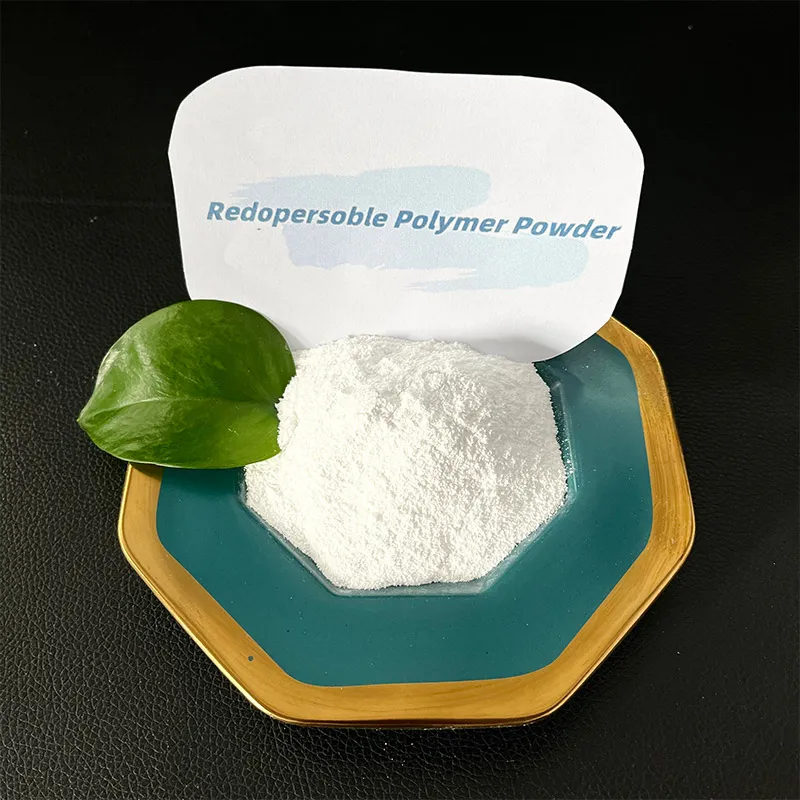
Product Snapshot: Rubber powder-821
| Appearance | Free‑flowing off‑white powder |
| Particle size (D50) | ≈ 80–120 μm (real‑world use may vary) |
| Bulk density | ≈ 500–650 g/L |
| Ash content | 10–14% (950°C) |
| Residual moisture | ≤ 1.5% (105°C) |
| Tg / MFFT | Tg ≈ 0°C; MFFT ≤ 0°C for flexibility |
| Adhesion gain (EN 12004 C2) | Dry ≥ 1.5 MPa; water ≥ 1.0 MPa; freeze–thaw ≥ 1.0 MPa |
| Dosage | 2–4% by cement weight (typical) |
| Shelf life | 12 months, cool and dry |
Process Flow (How it’s used in the plant)
Materials: cement, graded sand, Rubber powder-821, cellulose ether, defoamer, functional fillers.
Method: dry blend (ribbon or ploughshare mixer) → QC sieve → bag. On site, add water, mix 3–5 mins, rest, remix.
Testing: EN 12004 (C1/C2), EN 1346 open time, EN 1308 slip, EN 1348 shear; ASTM C1583 pull-off (optional).
Service life: ≈ 15–25 years in compliant systems; coastal exposure needs diligent curing, just saying.
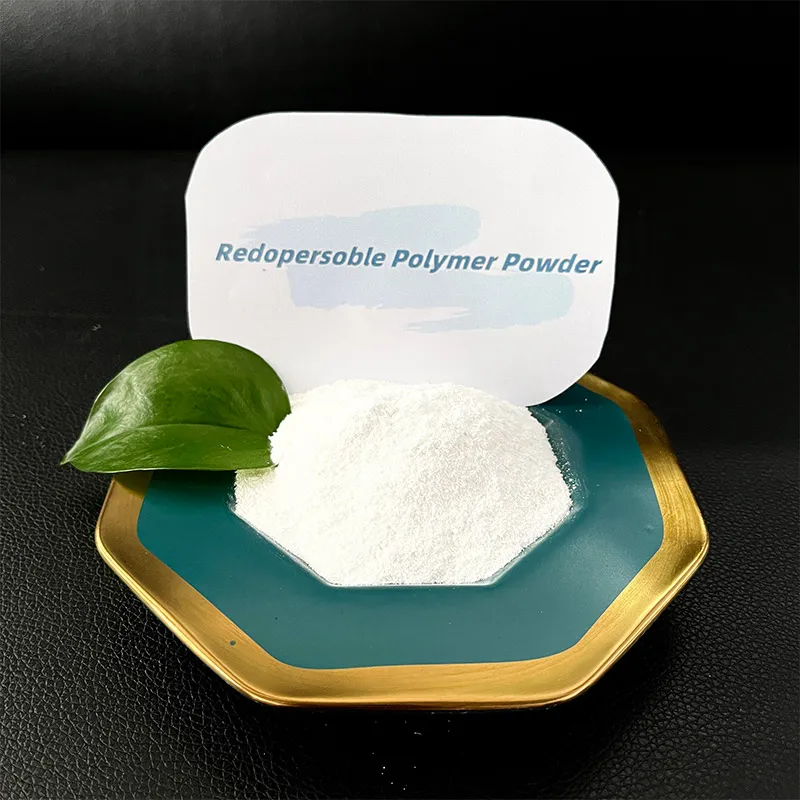
Where Rubber Powder Uses Shine
- Tile adhesives (C2/S1) for porcelain and large-format slabs
- Flexible grout and repair mortars
- Waterproofing slurries and cementitious membranes
- EIFS/basecoat mortars needing crack-bridging
- Self-leveling underlayments that want improved cohesion
Advantages: better wet adhesion, reduced brittleness, improved water resistance, nicer workability. Many customers say trowel feel is “creamier,” which, oddly, tracks with my own tests.
Vendor Comparison (high-level)
| Vendor | Core resin | Typical Tg | Support | Certs | Lead time |
|---|---|---|---|---|---|
| HeBei ShengShi HongBang (Rubber powder-821) | Flexible VAE/SBR‑type blend | ≈ 0°C | Formulation help; rapid QA feedback | ISO 9001, 14001; REACH-ready | ≈ 2–4 weeks |
| Competitor A (imported) | High‑Tg VAE | +10 to +14°C | Strong lab support | CE for EN 12004 systems | ≈ 4–6 weeks |
| Regional Blender B | Budget flexible mix | ≈ +5°C | Limited | Basic QC only | 1–2 weeks |
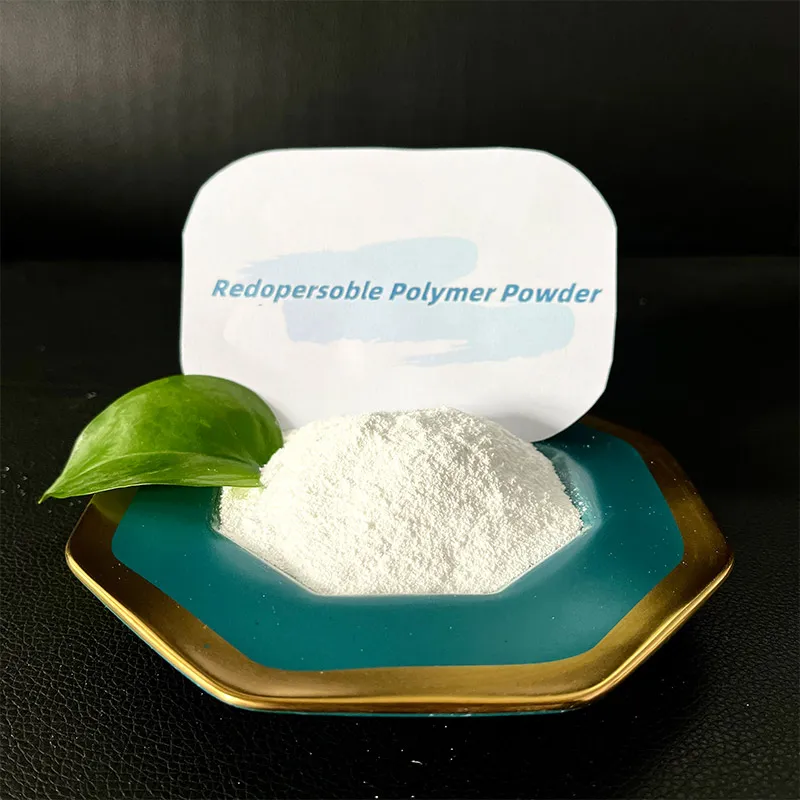
Customization
Ask for tuned Tg (winter vs summer grade), hydrophobic options, anti-slip package, or finer grind for sprayable slurries. I guess the sweet spot for large-format tile is a softer grade plus cellulose with delayed hydration.
Case Files (short and sweet)
- Coastal hotel pool deck: C2 adhesive with 3.2% Rubber powder-821 passed EN 1348 water immersion shear ≥ 1.1 MPa after 7 days. Site crew noted longer open time (EN 1346) by ~5 minutes.
- Factory floor retrofit: S1 flexibility maintained after 25 freeze–thaw cycles; slip per EN 1308 stayed within spec. “Less tile creep,” the foreman told me—always a good day.
Certifications, Standards, and QC
Look for ISO 9001/14001 at the plant, plus material safety data and REACH status. For Rubber Powder Uses in adhesives, verify EN 12004 (C2/S1 when applicable), EN 1346/1348/1308 performance, and optional ASTM C1583 pull-off. Batch-to-batch sieve and moisture checks are non-negotiable in humid seasons—learned that the hard way.
Authoritative citations
- EN 12004: Adhesives for tiles—Requirements, evaluation of conformity, classification.
- EN 1348 / EN 1346 / EN 1308: Shear adhesion, open time, and slip tests for tile adhesives.
- ASTM C1583: Tensile strength of concrete surfaces and bond strengths of repair materials.
-
Industrial Guide to ГПМЦ целлюлоза High Performance CelluloseNewsApr.16,2026
-
Wood Cellulose Properties and Industrial Applications GuideNewsApr.09,2026
-
Does Wood Contain Cellulose A Detailed Exploration of its Composition and UsesNewsApr.07,2026
-
Understanding Wood Cellulose Meaning Applications and Future TrendsNewsApr.04,2026
-
Exploring the Potential of Wood Cellulose is wood cellulose a Sustainable MaterialNewsMar.31,2026
-
Exploring the Sustainability and Versatility of Cellulose Wood ChipsNewsMar.28,2026
-
Understanding Wood Pulp Cellulose A Comprehensive Guide to Properties and ApplicationsNewsMar.26,2026