-

Add: HeBei ShengShi HongBang Cellulose Technology CO.,LTD.
-

Email
13180486930@163.com -

CONTACT US
+86 13180486930
Polypropylene Fiber: Anti-Crack Concrete Reinforcement
A Field Note on Polypropylene Fiber for Concrete
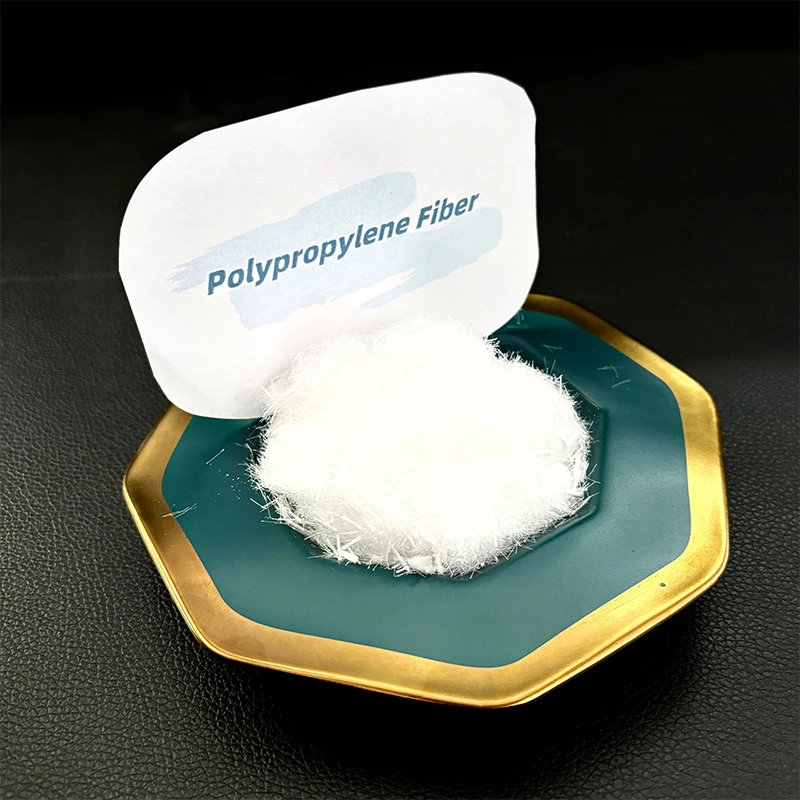
If you spend any time around job sites, you’ll hear the same refrain: cracking control without drama. That’s exactly where Polypropylene Fiber has quietly become the go-to—less rework, fewer callbacks, cleaner finishes. Origin matters too: this product comes from HeBei ShengShi HongBang Cellulose Technology CO., LTD, Room 1904, Building B, Wanda Office Building, JiaoYu Road, Xinji City, Hebei Province.
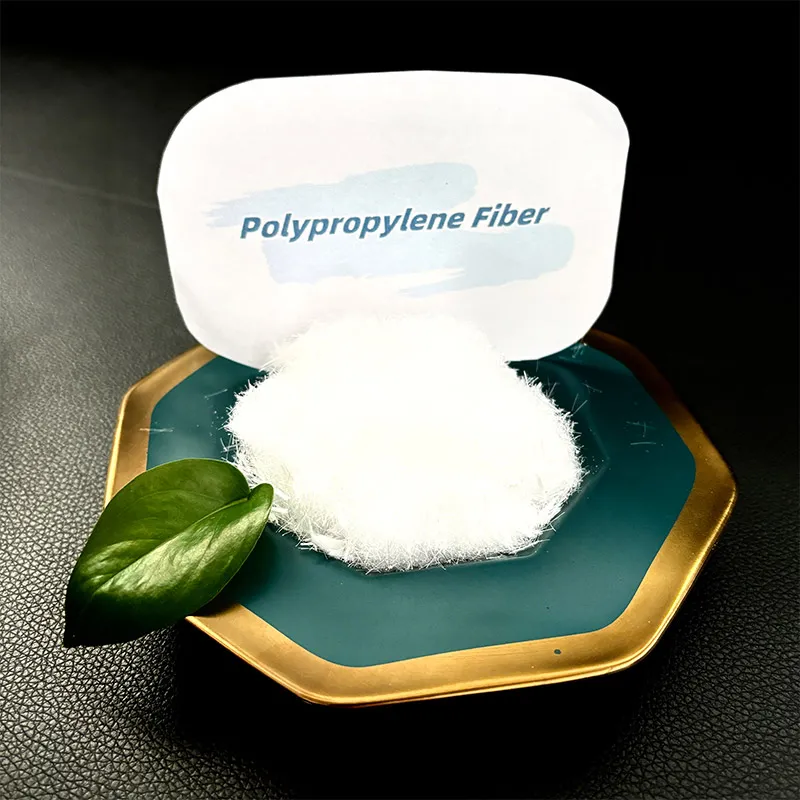
What’s driving demand right now
Two trends: contractors are swapping light mesh for microfibers in slabs-on-ground, and precasters want consistent finishability with less plastic shrinkage cracking. Frankly, Polypropylene Fiber checks both boxes—chemically inert, non-rusting, and compatible with most admixtures. We’ve also seen upticks in shotcrete, tunnel linings, and marine works where chloride durability matters.
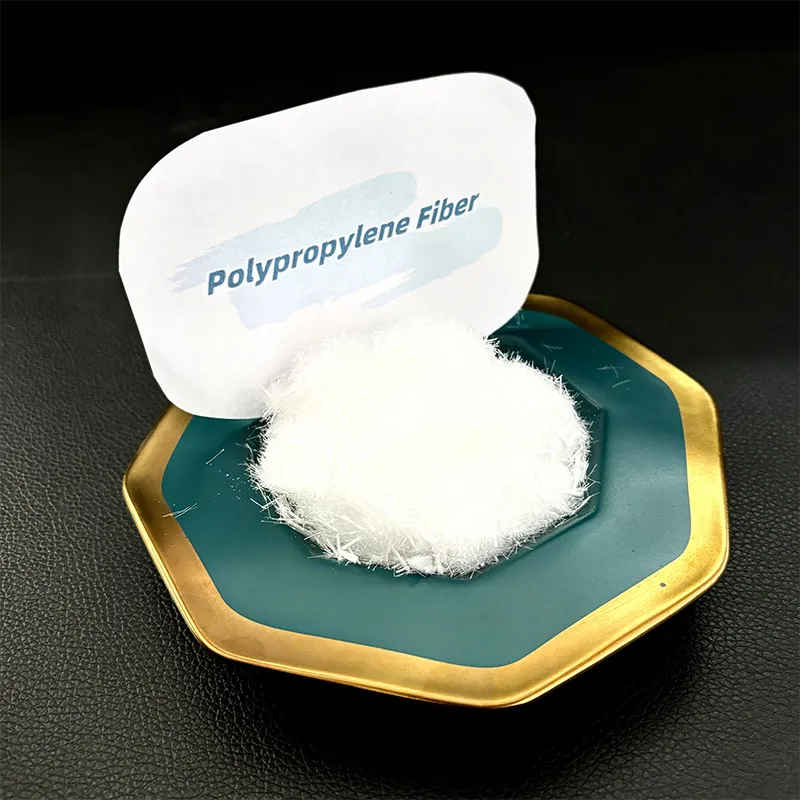
Typical specifications
| Property | Typical Value | Notes |
|---|---|---|
| Material | Virgin PP (homopolymer) | UV-stabilized; concrete-alkali resistant |
| Form | Monofilament / fibrillated | Project-specific choice |
| Cut length | 6, 12, 19 mm (custom on request) | ±0.5 mm in real-world use |
| Diameter | ≈18–40 μm | Distribution matters more than a single number |
| Density | ≈0.91 g/cm³ | Lighter than water; disperses well |
| Tensile strength | 350–700 MPa | Method dependent (ASTM/ISO) |
| Elastic modulus | 4–10 GPa | Microcrack control, not primary reinforcement |
| Melting point | ≈160–170°C | Softening helps fire spalling mitigation |
| Dosage | 0.6–1.5 kg/m³ | Per ASTM C1116/ACI guidance |
| Compliance | ASTM C1116; EN 14889-2 | Project spec may require both |
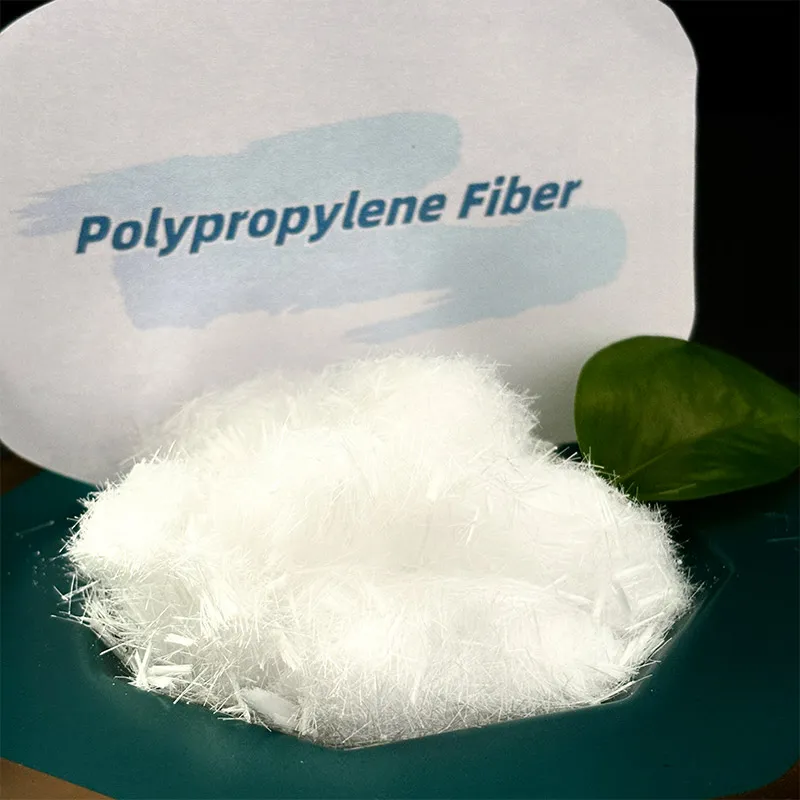
How it’s made (in brief)
- Materials: virgin PP pellets + dispersion/antistatic additives.
- Method: melt-spinning → drawing/orientation → cutting (6–19 mm) → optional surface embossing/fibrillation for better mechanical anchorage.
- Quality checks: fiber length distribution, aspect ratio, tensile/elongation (ASTM D3822), alkali soak, clump/balling test in mortar (ASTM C1116 notes).
- Standards: ASTM C1116, ACI 544.1R/544.3R testing, EN 14889-2 conformity, ISO 9001 QA system.
- Service life: designed to match concrete life (>50 years) as PP is non-corrosive and chemically inert inside the matrix.
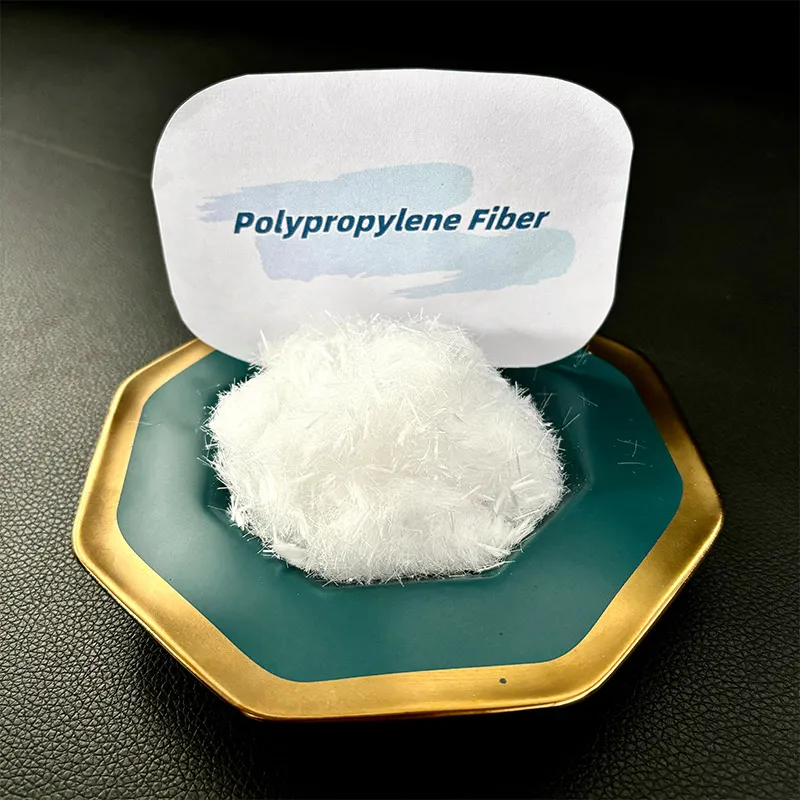
Where it shines
Industrial floors, precast panels, screeds, pavements, overlays, shotcrete/tunnels, tanks and marine structures. Advantages? Reduced plastic shrinkage cracking (often ≈50–80% area reduction in lab tests), less bleeding/segregation, smoother finishing, and no rust staining. Many customers say pumping is steadier and finishing crews aren’t fighting random cracks at saw-cut time. Actual results vary with mix design and curing.
Vendor snapshot (quick, honest look)
| Vendor | Certs | MOQ | Lead Time | Customization | Notes |
|---|---|---|---|---|---|
| HeBei ShengShi HongBang | ISO 9001; EN 14889-2 compliance | ≈500–1000 kg | 2–4 weeks | Length/denier/surface | Balanced cost/performance |
| Vendor A (regional) | ISO 9001 | ≈300 kg | 1–2 weeks | Limited | Fast delivery, fewer options |
| Vendor B (global) | ISO 9001, CE | ≥1000 kg | 3–6 weeks | Broad | Premium pricing |
Customization and support
Lengths (6–24 mm), denier tweaks, monofilament vs. fibrillated, and packaging for batching plants or ready-mix trucks. Mix design support is available—dosage optimization around 0.9–1.2 kg/m³ is common for slabs; shotcrete may vary. Documentation typically includes CE/EN declarations, ASTM/EN test reports, and mill certs.
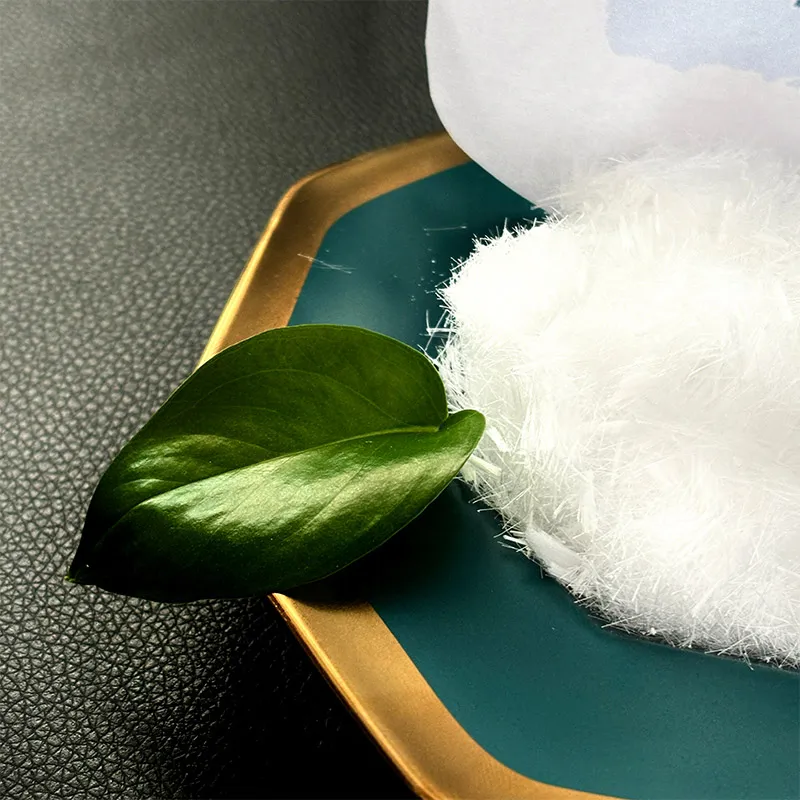
Case in point (real job, condensed)
A 30,000 m² logistics floor in humid Southeast Asia used Polypropylene Fiber at 1.0 kg/m³ with a 32 MPa mix and curing compound. Compared with a control area (wire mesh only), plastic shrinkage crack area dropped ≈65% and finishing teams reported less bleed water. Joints were cleaner, and there were zero rust concerns months later. Not perfect science, but the owner called it “uneventful”—which is the best compliment in flooring.
Testing notes: Plastic shrinkage per ASTM C1579 panels, residual strength in accordance with EN 14651 guidance where applicable, and conformity to ASTM C1116 Type III. Always align with project specs and curing practices.
Bottom line
If you’re chasing fewer cracks, improved finish, and durability without corrosion risks, Polypropylene Fiber is a practical, budget-friendly lever. As always, run a trial batch—real-world mixes have personalities.
- ASTM C1116/C1116M – Standard Specification for Fiber-Reinforced Concrete.
- EN 14889-2 – Fibres for Concrete: Polymer Fibres.
- ACI 544.1R/544.3R – Report on Fiber-Reinforced Concrete and Test Methods.
- ASTM C1579 – Standard Test Method for Evaluating Plastic Shrinkage Cracking.
- ISO 9001 – Quality Management Systems.
-
Industrial Guide to ГПМЦ целлюлоза High Performance CelluloseNewsApr.16,2026
-
Wood Cellulose Properties and Industrial Applications GuideNewsApr.09,2026
-
Does Wood Contain Cellulose A Detailed Exploration of its Composition and UsesNewsApr.07,2026
-
Understanding Wood Cellulose Meaning Applications and Future TrendsNewsApr.04,2026
-
Exploring the Potential of Wood Cellulose is wood cellulose a Sustainable MaterialNewsMar.31,2026
-
Exploring the Sustainability and Versatility of Cellulose Wood ChipsNewsMar.28,2026
-
Understanding Wood Pulp Cellulose A Comprehensive Guide to Properties and ApplicationsNewsMar.26,2026