-

Add: HeBei ShengShi HongBang Cellulose Technology CO.,LTD.
-

Email
13180486930@163.com -

CONTACT US
+86 13180486930

Plaster Retarder: Extend Working Time and Improve Finish?
Gypsum retarder, field-tested: the tiny dose that saves your schedule
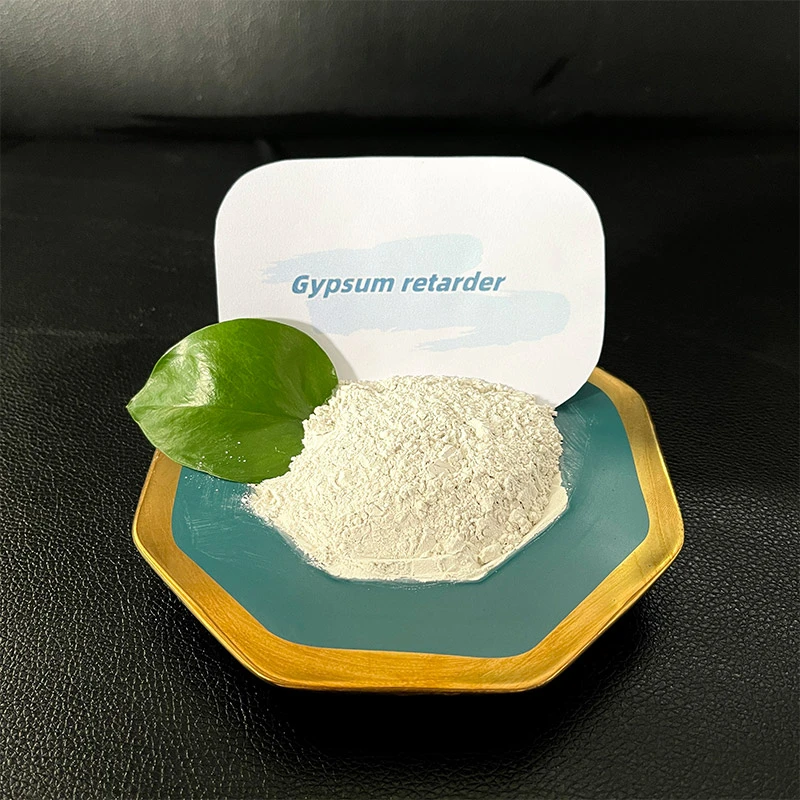
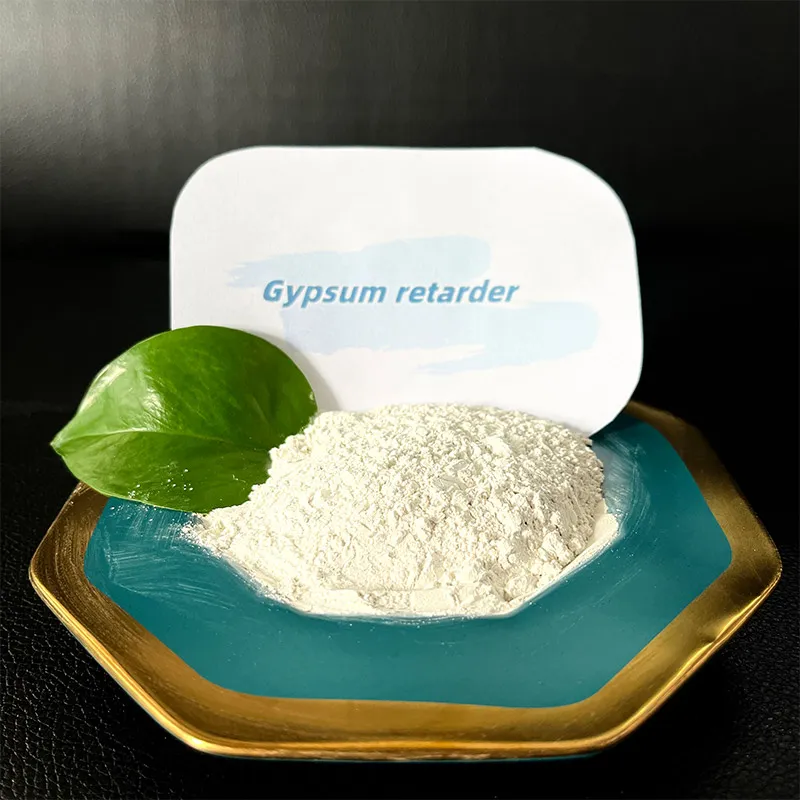
If you’ve ever watched a batch of plaster stiffen just as you’re setting the bead, you already know why a plaster retarder matters. In practice, it’s the difference between frantic re-mixing and a clean, predictable finish. HeBei ShengShi HongBang Cellulose Technology CO., LTD (Room 1904, Building B, Wanda Office Building, JiaoYu Road, Xinji City, Hebei Province) makes a solid, production-grade solution simply called Gypsum retarder. I’ve used similar blends on job sites and in pilot lines; this one checks the right boxes.
What it is and why it works
Technically, a plaster retarder slows the hydration and crystallization of calcium sulfate hemihydrate (stucco) into dihydrate (set gypsum). Organic acid salts (think citrate/tartrate families) and refined protein modifiers adsorb on crystal nuclei, delaying growth. The result: extended working time, steadier flow, and—when dosed correctly—no real hit on final strength. Many customers say the biggest surprise is consistency from morning to late afternoon pours, despite temperature swings.
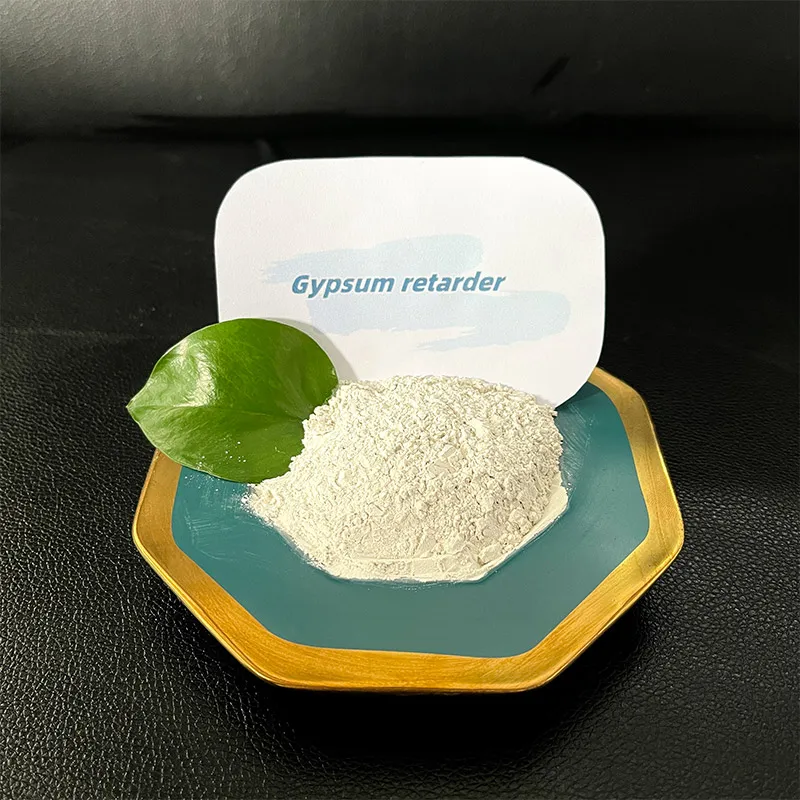
Product snapshot (typical)
| Name | Gypsum retarder |
| Form/Chemistry | Free-flowing powder; organic acid salt blend |
| Dosage | ≈0.05–0.30% by weight of gypsum (real-world use may vary) |
| Set-time extension | +20 to +120 min vs. control (ASTM C472 Vicat) |
| pH (1% sol.) | ≈6–8 |
| Bulk density | ≈450–650 g/L |
| Shelf life | 18–24 months in dry, sealed bags |
| Standards | Tested to ASTM C472; aligns with EN 13279-2 methods |
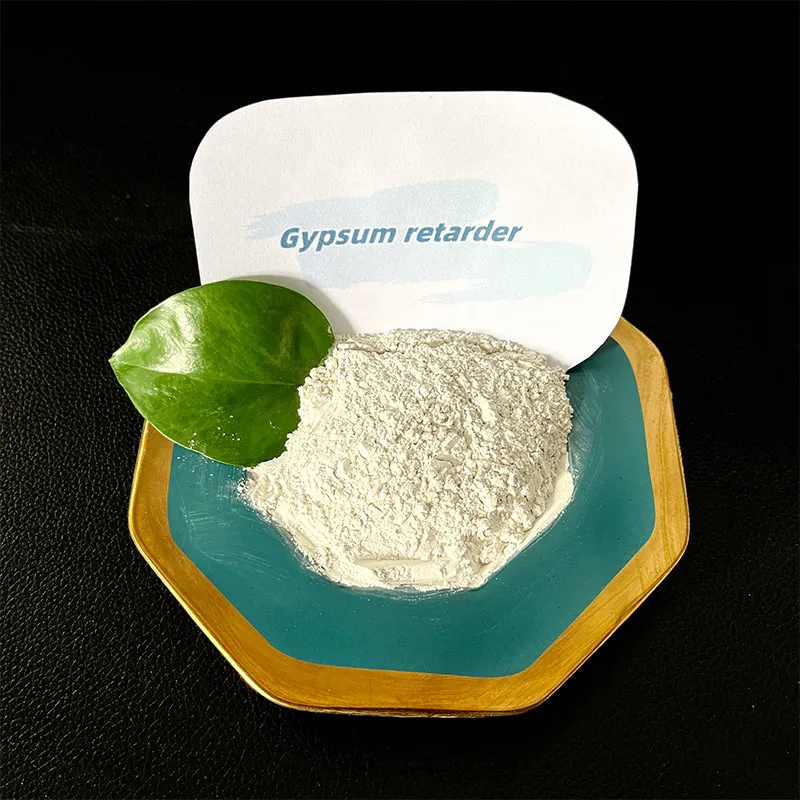
Where it’s used (and how)
- Interior plasters, joint compounds, gypsum blocks/tiles, casting plasters, repair mortars, even gypsum 3D-print feedstocks.
- Typical method: dry-blend into powder formulation or premix in gauging water; mix 2–3 minutes for uniformity.
- Process flow: raw gypsum selection → calcination → blending (fillers, polymers, plaster retarder) → QC tests (Vicat set, flow cone, compressive strength) → bagging.
- Testing standards: ASTM C472 (set/consistency), EN 13279-2 (workability/strength). Some buyers also look for ISO 9001 quality systems.
- Service life in application: extended open time 20–90 minutes, depending on climate and dosage.
Quick field data from recent plant trials: at 0.12% dosage, initial set moved from 12 to 52 minutes; compressive strength at 7 days retained 95% of control; water demand rose ≈1.5%. Honestly, that’s right in the sweet spot—usable pot life without mushy edges.
Vendor comparison (indicative)
| Vendor/Type | Typical dosage | Strength retention | Notes |
|---|---|---|---|
| SSH-BHPMC Gypsum retarder | 0.08–0.20% | ≈92–98% | Balanced set control; stable in warm climates |
| Generic citrate-based | 0.10–0.30% | ≈90–96% | Economical; may need defoamer |
| Legacy protein-based | 0.20–0.50% | ≈88–95% | Strong retardation, but odor/moisture sensitivity |
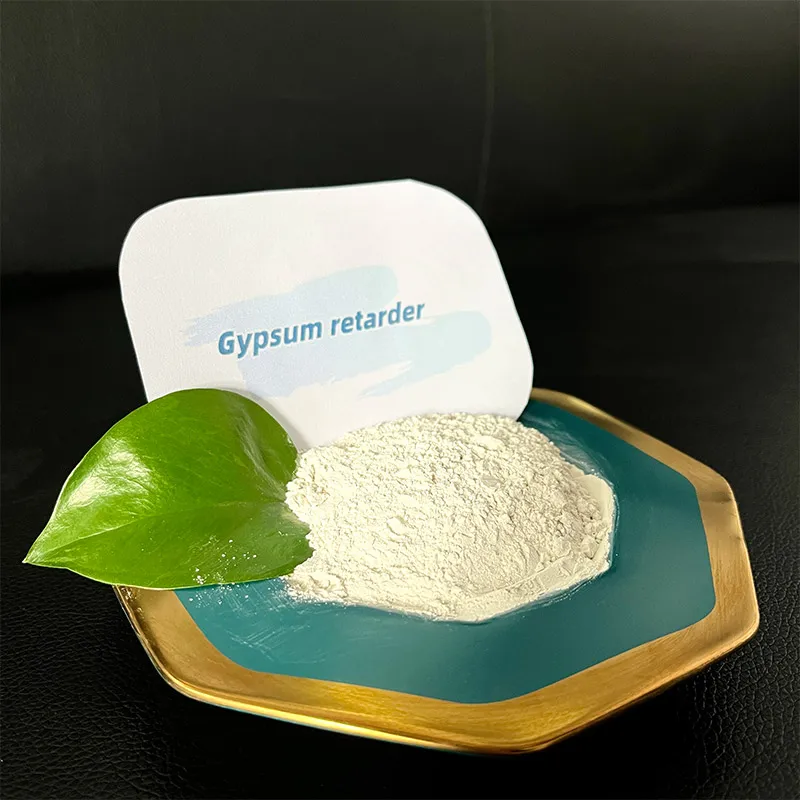
Customization, feedback, and certifications
Formulators often request tuned set curves: faster early tack for machine-applied plaster, slower rise for hand finishing. SSH-BHPMC offers custom blends and supports plant trials—helpful, because real sand gradation and ambient humidity always push back. Contractors we spoke with liked the “predictable mornings” (their phrase), and a prefab panel line in Southeast Asia reported a 7% rework drop after switching dosing from 0.18% to 0.14% with tighter QC. Documentation commonly provided: SDS, technical data sheet; quality systems aligned with ISO 9001; testing per ASTM C472/EN 13279-2.
Advantages you actually notice
- Cleaner edges and longer trowel time, without gummy overrun.
- Reduced cold-joint risk across large wall pulls.
- Stable performance across seasons—surprisingly forgiving in summer.
- Fine-tunable dosing; plays well with HPMC, starch ether, and defoamers.
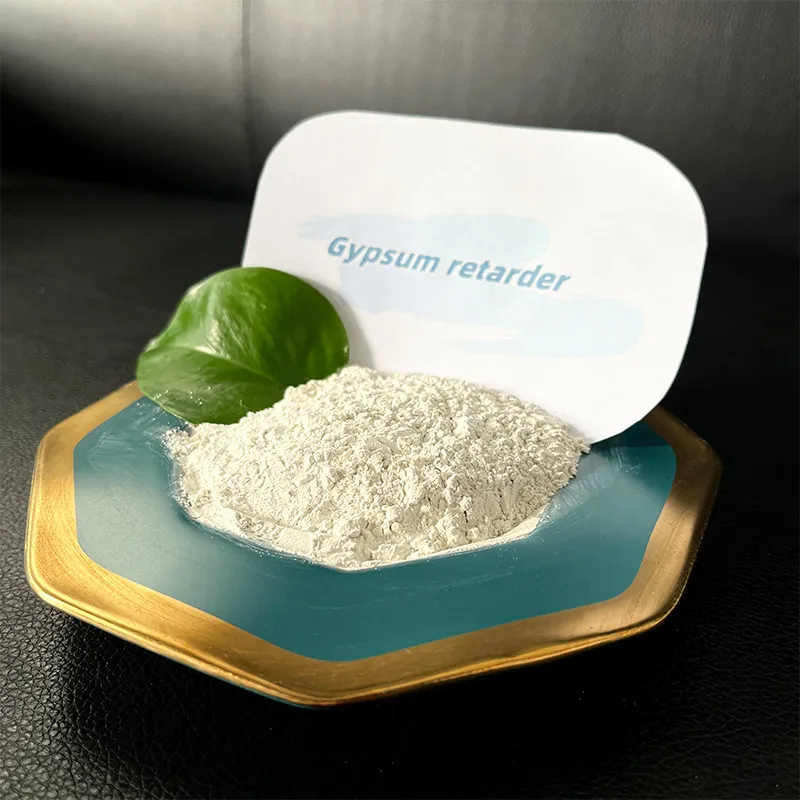
Bottom line: a modern plaster retarder like this one gives you time—the most valuable commodity on a wet wall. Start at 0.10% in temperate weather, validate with ASTM C472 in-house, and nudge by ±0.02% until your crews say, “Don’t touch it.” To be honest, that’s usually the best KPI you’ll get.
Authoritative citations
- ASTM C472: Standard Test Methods for Physical Testing of Gypsum, Gypsum Plasters and Gypsum Concrete.
- EN 13279-2: Gypsum binders and gypsum plasters – Test methods.
- ISO 9001:2015 Quality management systems – Requirements.
- ECHA Guidance on Registration under REACH (re: additives in mixtures), European Chemicals Agency.
-
Industrial Guide to ГПМЦ целлюлоза High Performance CelluloseNewsApr.16,2026
-
Wood Cellulose Properties and Industrial Applications GuideNewsApr.09,2026
-
Does Wood Contain Cellulose A Detailed Exploration of its Composition and UsesNewsApr.07,2026
-
Understanding Wood Cellulose Meaning Applications and Future TrendsNewsApr.04,2026
-
Exploring the Potential of Wood Cellulose is wood cellulose a Sustainable MaterialNewsMar.31,2026
-
Exploring the Sustainability and Versatility of Cellulose Wood ChipsNewsMar.28,2026
-
Understanding Wood Pulp Cellulose A Comprehensive Guide to Properties and ApplicationsNewsMar.26,2026