-

Add: HeBei ShengShi HongBang Cellulose Technology CO.,LTD.
-

Email
13180486930@163.com -

CONTACT US
+86 13180486930

Plaster Retarder – Low-Dosage, Chloride-Free Set Control
A Field Guide to Smarter Gypsum: Choosing the Right Plaster Retarder
If you’ve ever watched a crew race the clock with fast-setting gypsum, you know why a good plaster retarder matters. HeBei ShengShi HongBang Cellulose Technology CO., LTD (Room 1904, Building B, Wanda Office Building, JiaoYu Road, Xinji City, Hebei) has leaned into this problem with its Gypsum Retarder, and, to be honest, the market has noticed.
What it is, how it works (in plain English)
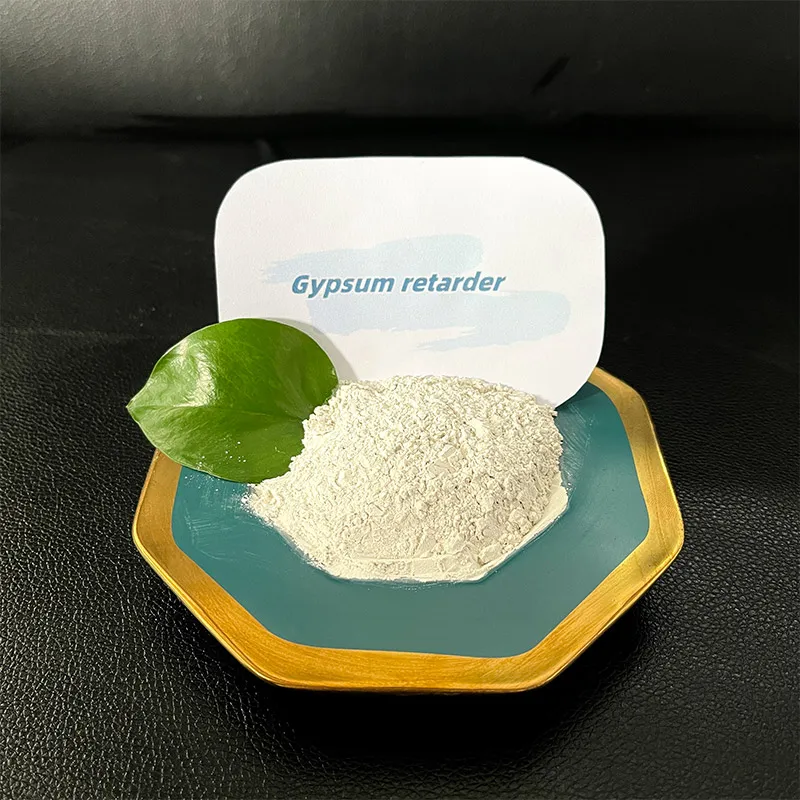
In fact, a plaster retarder is a set-time controller for gypsum-based mixes. Most formulas use organic acids (citric/tartaric), protein-based agents, or modified cellulose to temporarily interfere with calcium sulfate dihydrate crystal growth. Result? Extra open time, smoother finishes, fewer cold joints. Many contractors say dosing accuracy is everything; a pinch too much and you’re waiting all afternoon.
Industry snapshot
- Machine-applied plasters need longer pumpability and consistent set times.
- Pre-mix plants are pushing for REACH-aware, low-VOC additives.
- Customization is trending: 15–120 min set extension, tailored to climate and substrate.
Process flow we actually see on sites
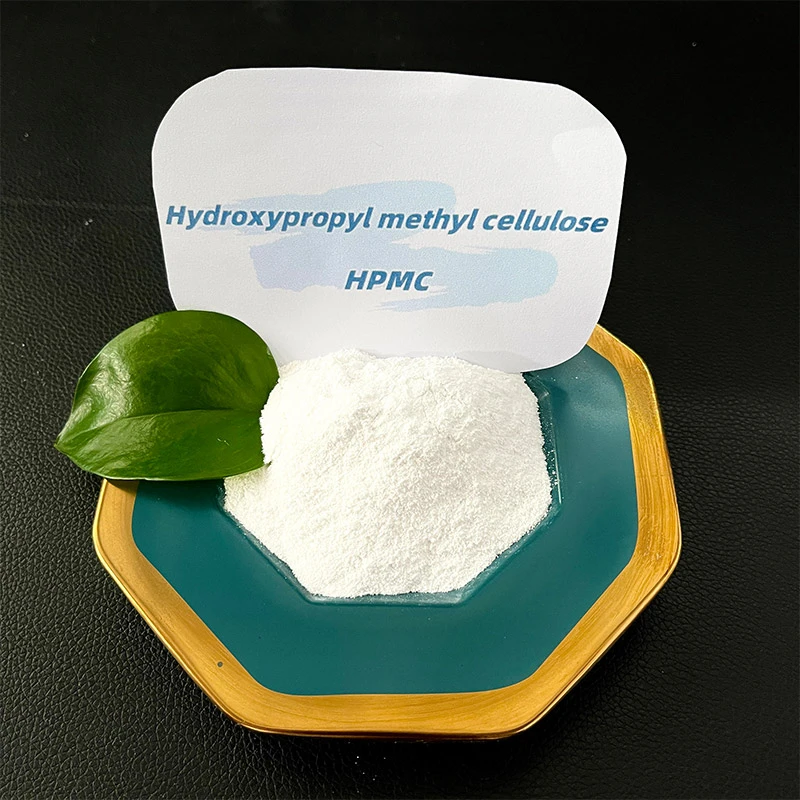
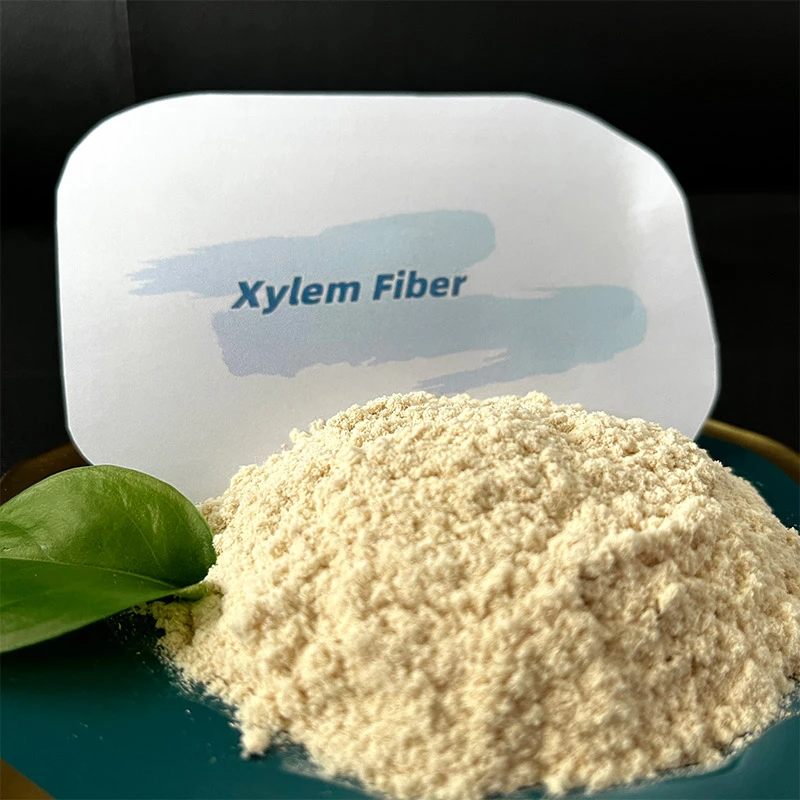
- Materials: gypsum hemihydrate, water, retarder, plus HPMC, fillers, fibers (if needed).
- Method: dry blend (retarder ≈0.02–0.20% by binder), then wet mix to target viscosity.
- Testing: ASTM C472/EN 13279-2 set times (Gillmore/Vicat), slump flow, density, adhesion.
- Field trial: mock-up wall, record initial/final set and trowelability at ambient 20±2°C.
- Release: track variability across batches; adjust dosage with temperature changes.
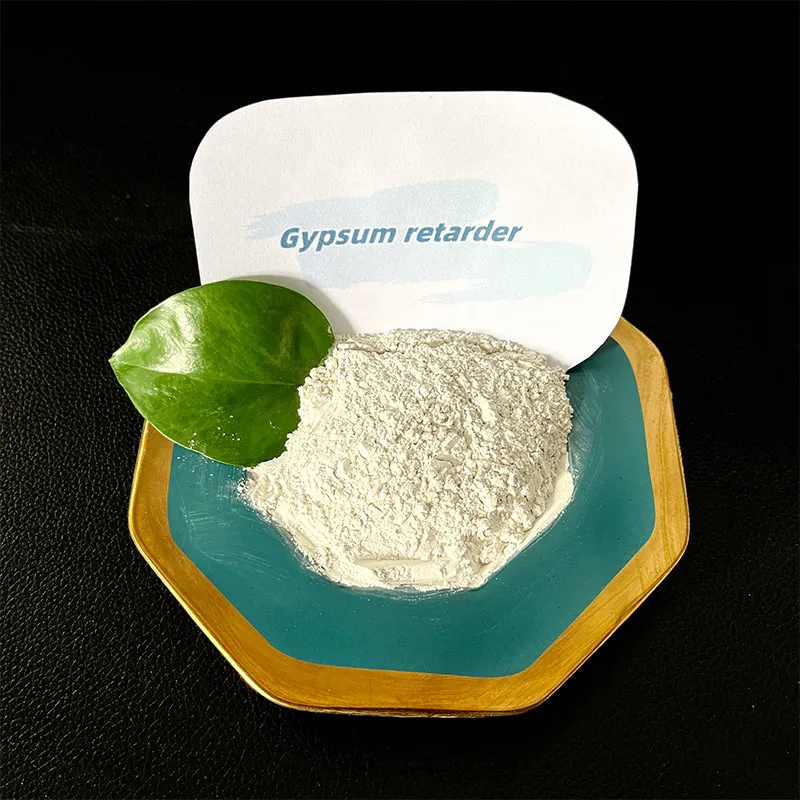
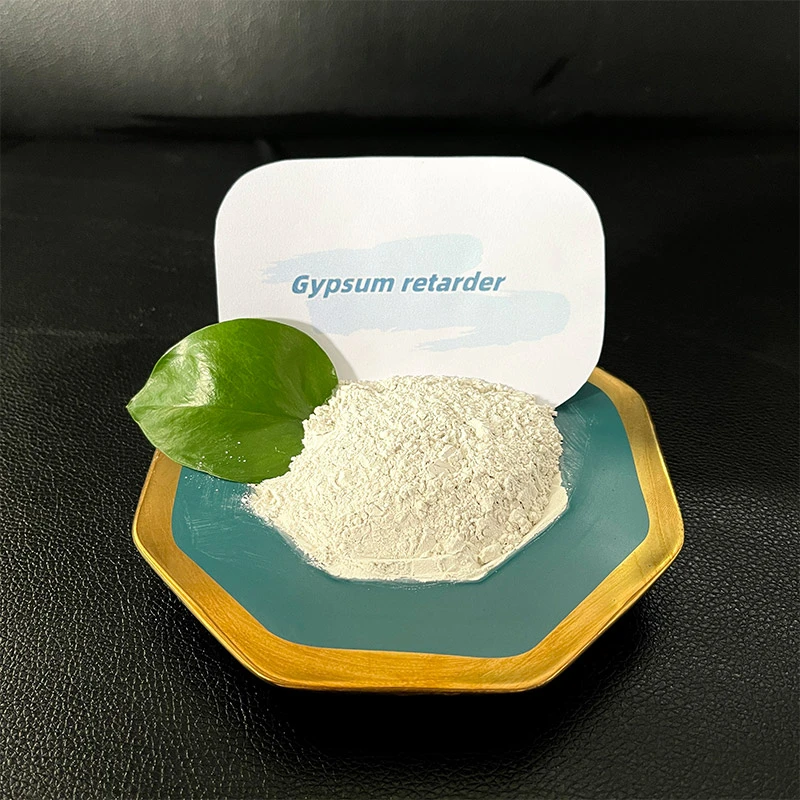
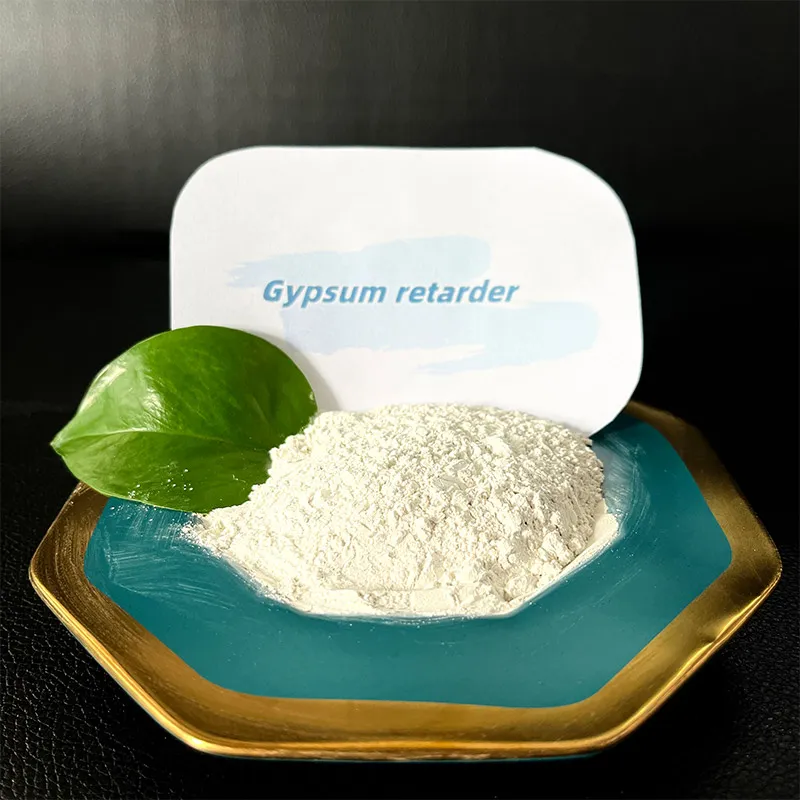
Product snapshot: Gypsum Retarder
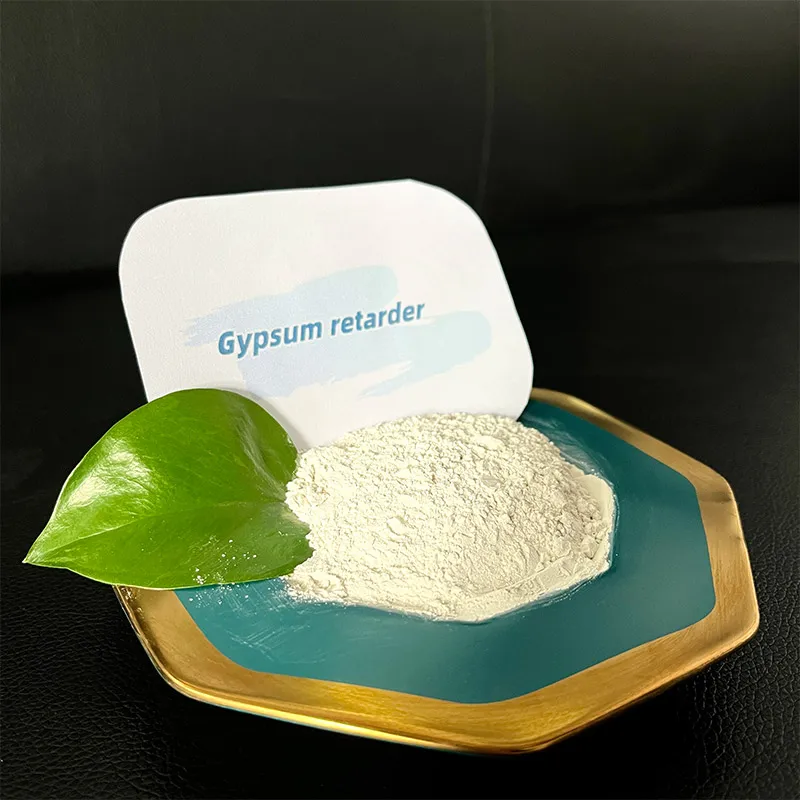
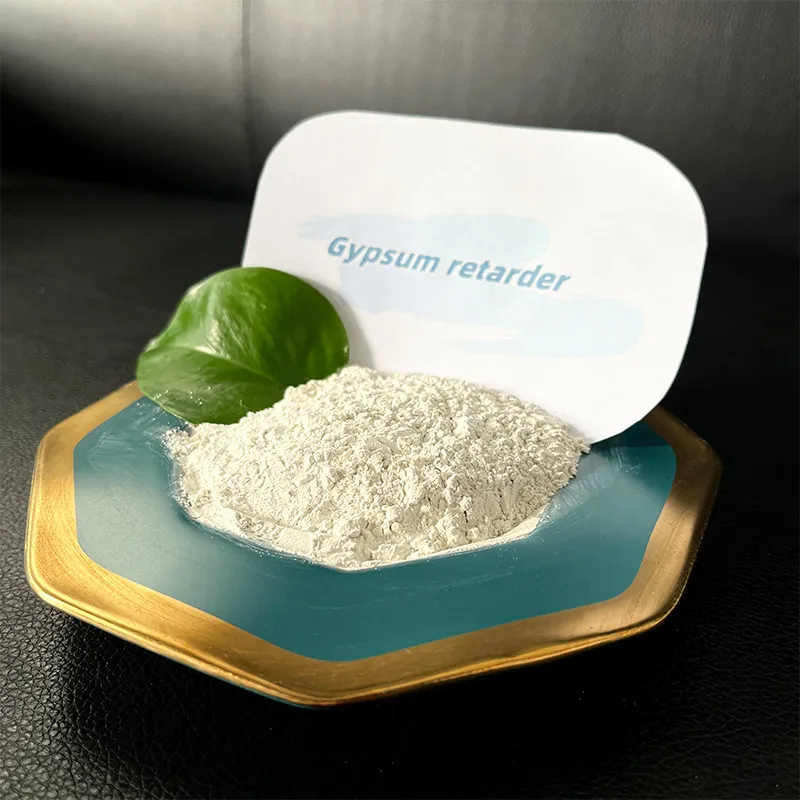
| Appearance | Free-flowing powder, light beige |
| Effective dosage | ≈0.03–0.15% by weight of gypsum (real-world may vary) |
| Set-time extension | +10 to +90 min vs. control (ASTM C472) |
| pH (1% sol.) | ≈6.0–8.0 |
| Moisture | |
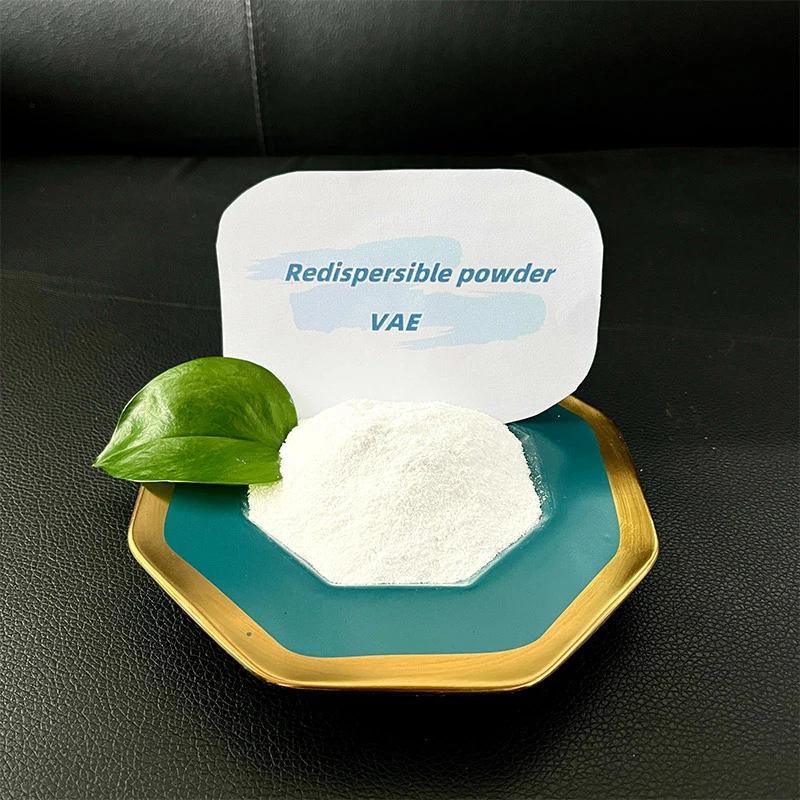
| Compatibility | HPMC/HEMC, starch ethers, redispersible powders |
| Shelf life | 12 months sealed, cool/dry |
| Certs (typical) | ISO 9001; REACH info on request |
Applications: hand-trowel plasters, machine-sprayed gypsum, drywall core, casting & molds, jointing/skim coats. Advantages include fewer callbacks (less cracking from rushed finishing), steadier pump pressure, and predictable shift planning. Actually, predictability might be the biggest win.
Vendor landscape (quick take)
| Vendor | Base chemistry | Typical dosage | Certs | Lead time | Notes |
|---|---|---|---|---|---|
| HeBei ShengShi HongBang | Modified organics + cellulose synergy | 0.03–0.15% | ISO 9001; REACH-ready | ≈2–4 weeks | Good customization; steady QC |
| Vendor A (EU) | Citrate-based | 0.05–0.20% | ISO 14001, low-VOC | 3–5 weeks | Premium price; strong documentation |
| Vendor B (US) | Protein-derived | 0.02–0.10% | ISO 9001 | 2–3 weeks | Good for fast lines; odor noted by some |
Real-world data, not just lab talk
Tested per ASTM C472, control plaster initial set 8–10 min; with plaster retarder at 0.08%, initial set measured 28±3 min, final set 55±6 min. Flow spread held within 185–200 mm; compressive strength at 2h dropped ≈5–8%, which is normal and recovered by 24h.
Two quick case notes
- Pre-mix plant, coastal climate: customized extension +35 min; rework down 30%, line throughput +12% (EN 13279-2 routines).
- Interior skim teams, high-rise: summer dosing at 0.05%, winter at 0.09%; crew productivity up 18%, waste down 7% (contractor logs).
Buying tips & customization
Ask for: target extension window, salt/alkalinity sensitivity, pump compatibility, and safety data. Packaging usually 25 kg sacks; big plants prefer supersacks. And yes, get a retained sample every batch. It seems boring—until it saves a floor of rework.
Standards and compliance: ASTM C472, EN 13279-1/-2; ISO 9001 QA systems; REACH information available. Always verify local code requirements.
Customer voice: “Set curve is predictable. We dial dosage by temp and it just behaves.” Another added, “No clumping in the silo, which was a surprise, honestly.”
Final thought: a dependable plaster retarder is less about magic chemistry and more about consistent manufacturing, candid tech support, and realistic site trials.
References
- ASTM C472 – Standard Test Methods for Physical Testing of Gypsum Plasters and Gypsum Concrete.
- EN 13279-1/-2 – Gypsum binders and gypsum plasters: Definitions/requirements and Test methods.
- ISO 9001 – Quality Management Systems Requirements.
- REACH Regulation (EC) No 1907/2006 – Registration, Evaluation, Authorisation and Restriction of Chemicals.
-
Industrial Guide to ГПМЦ целлюлоза High Performance CelluloseNewsApr.16,2026
-
Wood Cellulose Properties and Industrial Applications GuideNewsApr.09,2026
-
Does Wood Contain Cellulose A Detailed Exploration of its Composition and UsesNewsApr.07,2026
-
Understanding Wood Cellulose Meaning Applications and Future TrendsNewsApr.04,2026
-
Exploring the Potential of Wood Cellulose is wood cellulose a Sustainable MaterialNewsMar.31,2026
-
Exploring the Sustainability and Versatility of Cellulose Wood ChipsNewsMar.28,2026
-
Understanding Wood Pulp Cellulose A Comprehensive Guide to Properties and ApplicationsNewsMar.26,2026