-

Add: HeBei ShengShi HongBang Cellulose Technology CO.,LTD.
-

Email
13180486930@163.com -

CONTACT US
+86 13180486930

Is Cellulose Wood a Sustainable and Versatile Building Material Choice
Is Cellulose Wood a Sustainable Building Material?
The demand for sustainable building materials is rapidly increasing, driven by environmental concerns and a desire for eco-friendly construction practices. One material gaining significant attention is cellulose wood. But what exactly is cellulose wood, and is it truly a viable, sustainable alternative to traditional timber? This article will explore the composition, manufacturing process, benefits, drawbacks, and potential applications of cellulose wood, helping you understand if it’s the right choice for your next project. We will delve into its ecological footprint and compare it to conventional building materials.
What is Cellulose Wood?
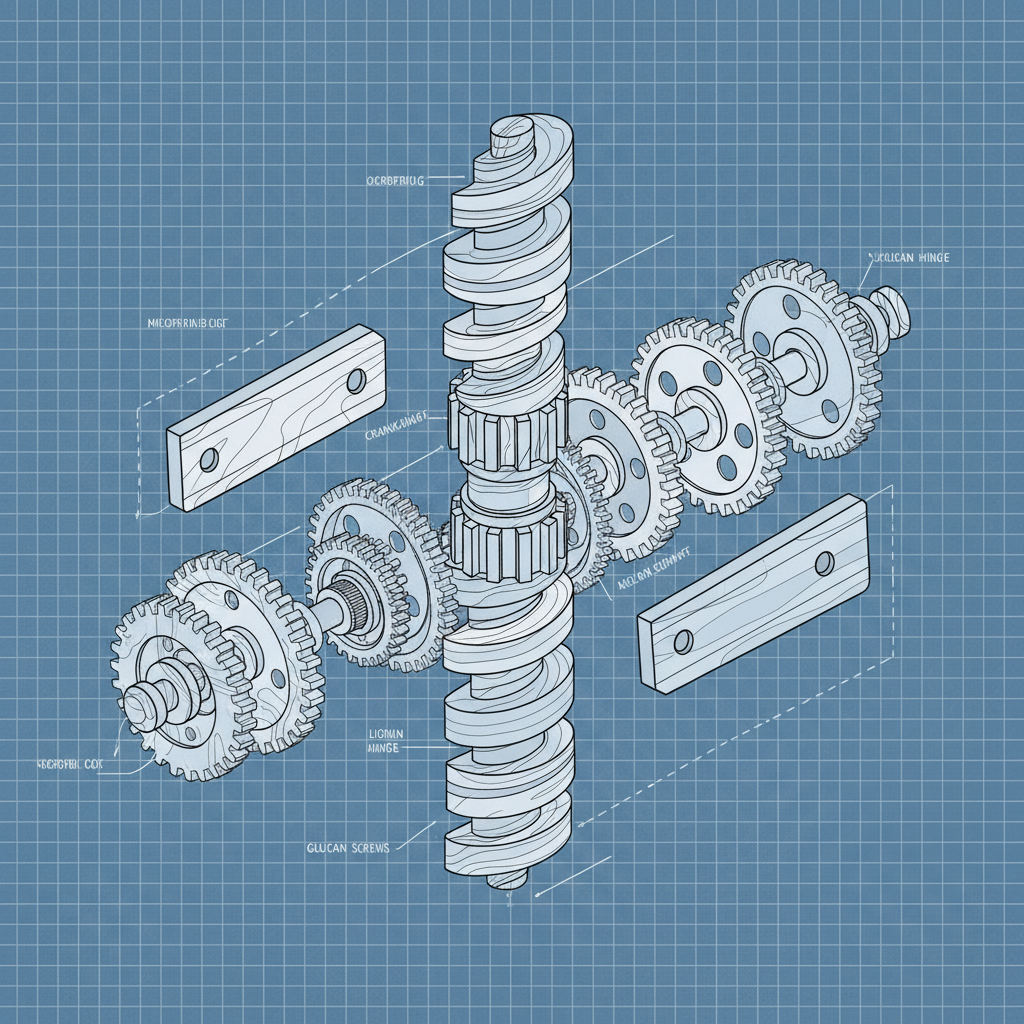
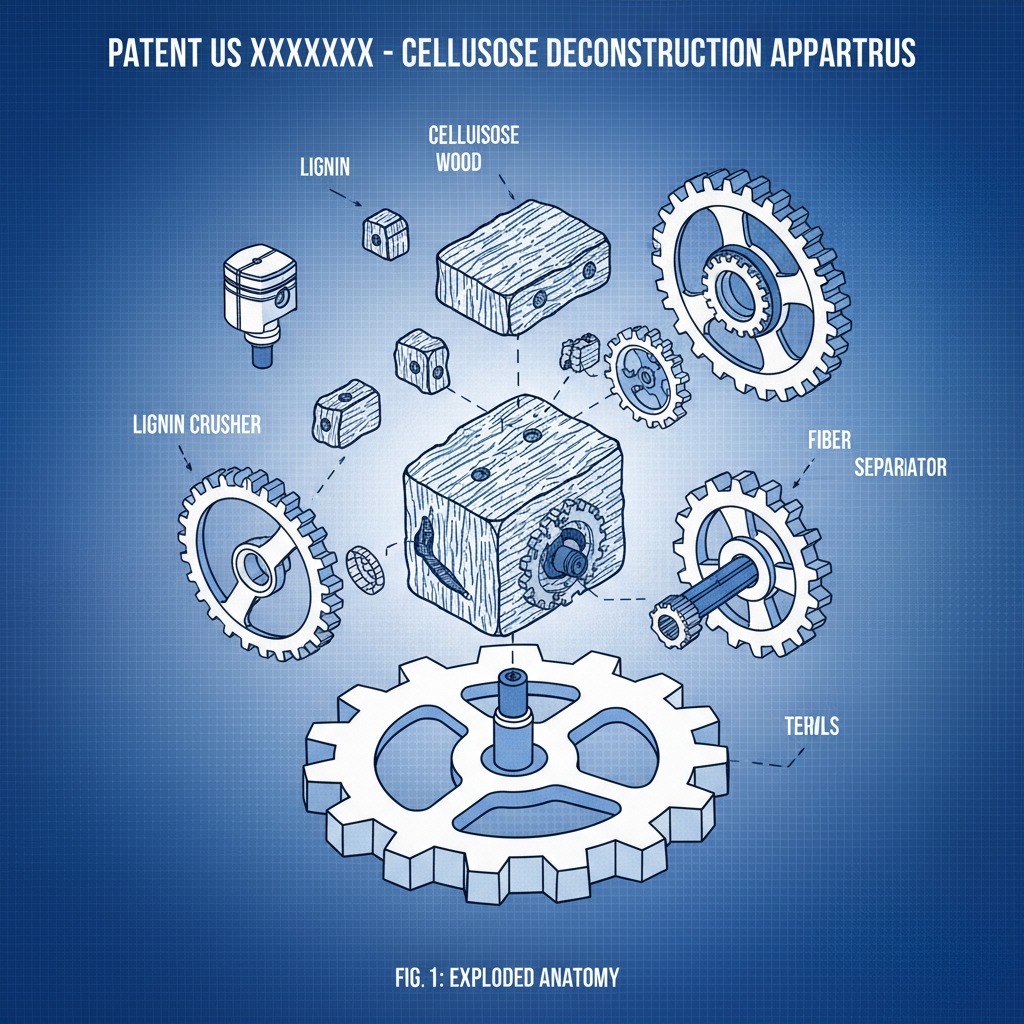
Cellulose wood isn’t actually “wood” in the traditional sense. It's an innovative composite material created from wood fibers – specifically, the cellulose component – combined with a binding agent. These wood fibers are typically sourced from waste streams like sawdust, wood chips, and even recycled paper. The process removes lignin, the component that gives wood its rigidity and color, leaving behind nearly pure cellulose. This cellulose is then formed into panels, boards, or other building components using heat and pressure, along with a resin binder. SSHBHPMC specializes in the production of high-quality cellulose wood products, utilizing advanced manufacturing techniques to ensure durability and sustainability.
Key Highlights: Cellulose wood is a composite material made from wood fibers, eliminating lignin. It's often manufactured from wood waste, making it an environmentally conscious choice.
The Manufacturing Process of Cellulose Wood
The creation of cellulose wood involves several key steps. First, wood waste is collected and processed to separate the cellulose fibers. This typically involves chemical pulping, a process that breaks down the wood into its constituent parts. The cellulose is then washed and purified to remove any remaining lignin and other impurities. Next, the purified cellulose fibers are mixed with a binder – often a bio-based resin – and formed into the desired shape using heat and pressure. This pressing process creates dense, durable panels or boards. Finally, the material is cooled and finished, ready for use in various applications. SSHBHPMC's process focuses on minimizing chemical usage and maximizing the proportion of renewable materials.
Manufacturing Process Breakdown:
• Wood Waste Collection & Processing
• Cellulose Fiber Separation (Pulping)
• Purification & Washing
• Mixing with Binder & Forming
• Pressing, Cooling & Finishing
Is Cellulose Wood More Sustainable Than Traditional Timber?
This is the core question. Traditional timber production often involves deforestation, habitat loss, and significant carbon emissions. Cellulose wood, in contrast, utilizes wood waste that would otherwise end up in landfills, effectively upcycling a resource. While the pulping process does require energy and chemicals, advancements in manufacturing are reducing its environmental impact. Furthermore, cellulose wood can often be produced with a lower carbon footprint than harvesting and processing virgin timber. However, the sustainability of cellulose wood also depends on the source of the binder and the responsible management of the wood waste supply chain. SSHBHPMC is committed to using sustainable binders and ethically sourced wood waste.
Applications of Cellulose Wood
Cellulose wood is incredibly versatile and can be used in a wide range of applications. These include interior wall panels, furniture components, flooring, door cores, and even packaging materials. Its lightweight nature and good thermal insulation properties make it suitable for energy-efficient building designs. Moreover, it can be easily molded and shaped, allowing for complex designs. SSHBHPMC offers cellulose wood products tailored to a variety of construction and manufacturing needs.
Product Specifications and Considerations
When evaluating cellulose wood, several factors are crucial. Density, moisture resistance, and fire retardancy are key specifications to consider. The type of binder used will influence these properties. Also, ensure the product meets relevant building codes and standards. While cellulose wood generally offers good sound absorption, its structural strength may be lower than solid wood in some applications, requiring careful design considerations. It is vital to select a reputable supplier like SSHBHPMC that provides detailed product information and quality assurance.
Conclusion: A Promising Sustainable Solution
Cellulose wood represents a significant step forward in sustainable building materials. By utilizing wood waste and offering a lower carbon footprint than traditional timber, it presents a compelling alternative for environmentally conscious projects. With ongoing advancements in manufacturing and binder technology, cellulose wood is poised to become an increasingly important component of the future construction landscape. Explore the possibilities with SSHBHPMC and discover how cellulose wood can contribute to your sustainable building goals.
Frequently Asked Questions (FAQs)
What are the limitations of cellulose wood compared to solid wood?
While cellulose wood offers numerous benefits, it’s important to acknowledge its limitations. Generally, it exhibits lower structural strength and stiffness compared to solid wood, making it less suitable for load-bearing applications requiring high resistance to bending or compression. It also typically has lower resistance to moisture damage without proper treatment. Furthermore, the flammability of cellulose wood is a concern and requires fire-retardant treatment for many applications. However, advancements in binder technology and manufacturing processes are continuously improving these properties. Choosing the right grade and application is vital.
Is cellulose wood waterproof?
Cellulose wood is not inherently waterproof, but its water resistance can be significantly improved through various treatments and coatings. The binder used in manufacturing plays a crucial role in determining its water resistance. Some binders offer better protection against moisture absorption than others. Additionally, applying water-repellent finishes, such as waxes or sealants, can enhance its durability in damp environments. It is important to consider the intended application and choose a product with the appropriate level of water resistance.
How does the cost of cellulose wood compare to traditional building materials?
The cost of cellulose wood can vary depending on the manufacturing process, binder used, and market demand. In many cases, it is competitively priced with traditional building materials like plywood or MDF. However, it may be more expensive than some lower-grade solid wood options. The long-term cost-effectiveness can be higher due to its sustainability benefits and potential for reduced waste. Furthermore, the availability of wood waste as a raw material can help stabilize pricing.
What type of binders are commonly used in cellulose wood production?
Several types of binders are used in cellulose wood production. Historically, urea-formaldehyde resins were common, but due to health concerns, there's a growing trend towards more sustainable alternatives. These include bio-based resins derived from plant sources, such as soy protein or lignin. Phenol-formaldehyde resins are also used, offering good durability and water resistance, but they are less environmentally friendly than bio-based options. SSHBHPMC prioritizes the use of environmentally friendly, low-VOC binders in its cellulose wood products.
-
Industrial Guide to ГПМЦ целлюлоза High Performance CelluloseNewsApr.16,2026
-
Wood Cellulose Properties and Industrial Applications GuideNewsApr.09,2026
-
Does Wood Contain Cellulose A Detailed Exploration of its Composition and UsesNewsApr.07,2026
-
Understanding Wood Cellulose Meaning Applications and Future TrendsNewsApr.04,2026
-
Exploring the Potential of Wood Cellulose is wood cellulose a Sustainable MaterialNewsMar.31,2026
-
Exploring the Sustainability and Versatility of Cellulose Wood ChipsNewsMar.28,2026
-
Understanding Wood Pulp Cellulose A Comprehensive Guide to Properties and ApplicationsNewsMar.26,2026