-

Add: HeBei ShengShi HongBang Cellulose Technology CO.,LTD.
-

Email
13180486930@163.com -

CONTACT US
+86 13180486930

Exploring Cellulose in Wood Its Properties Applications and Sustainable Potential
Understanding Cellulose in Wood: Properties, Applications, and Beyond
Cellulose is the most abundant organic polymer on Earth, and it's a key component of wood, providing structural support to plants. But its importance extends far beyond the forest. From paper and textiles to advanced materials and biofuels, cellulose plays a vital role in countless industries. This article will delve into the world of cellulose in wood, exploring its properties, how it's extracted, its diverse applications, and its emerging role in sustainable technologies. We'll also touch upon how SSHBHPMC provides high-quality cellulose derivatives for various applications. Understanding cellulose is crucial for innovation across many sectors.
The Chemical Structure and Properties of Cellulose
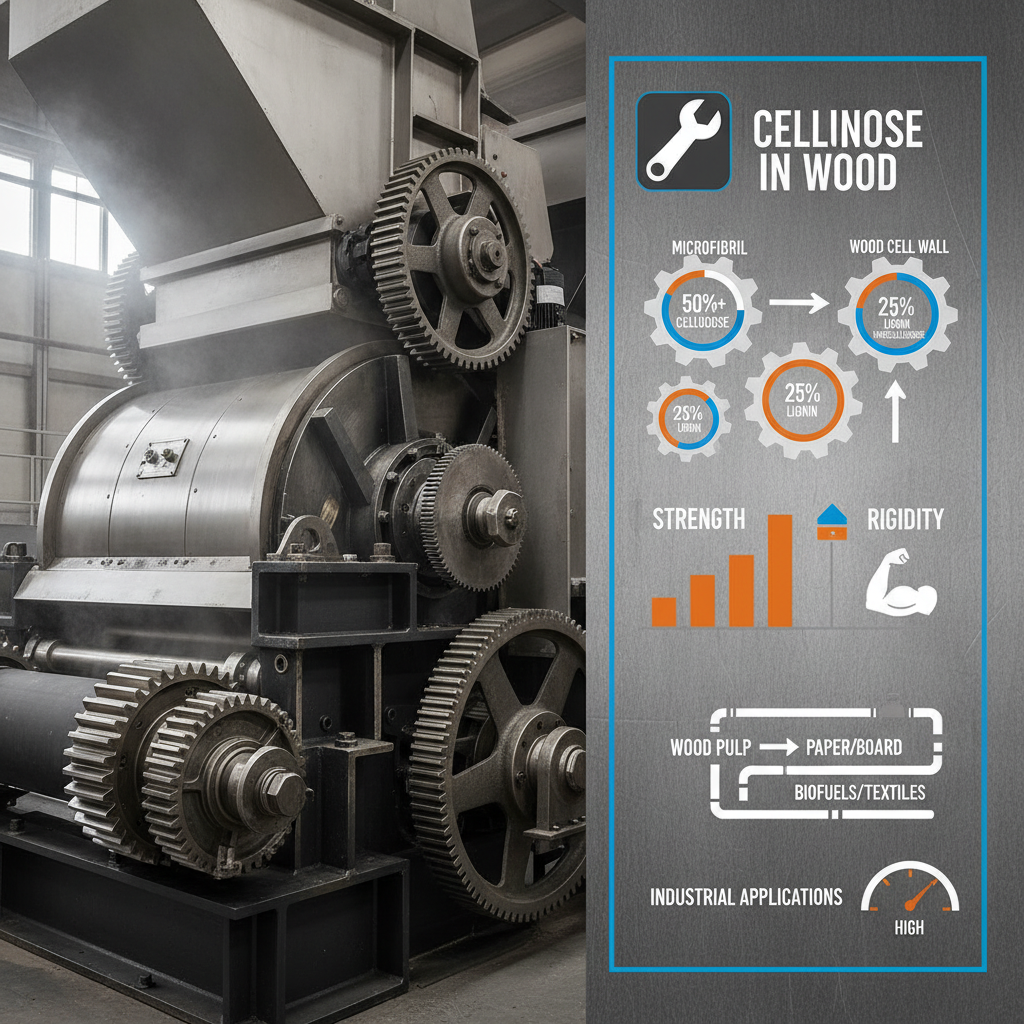
Cellulose is a linear polysaccharide composed of repeating glucose units linked by β-1,4-glycosidic bonds. This structure gives cellulose its characteristic strength and rigidity. Unlike starch, which is also a glucose polymer, cellulose molecules form long, straight chains that pack tightly together, forming microfibrils. These microfibrils are further bundled into fibers, which provide wood with its structural integrity. Key properties of cellulose include its insolubility in water, high tensile strength, and biodegradability. It’s also a chiral molecule, meaning it has a non-superimposable mirror image, which impacts its optical properties. These unique characteristics make it invaluable in a wide array of industrial processes.
Key Highlights: Cellulose is a linear polysaccharide composed of repeating glucose units, providing strength, rigidity, and biodegradability.
Cellulose Extraction from Wood
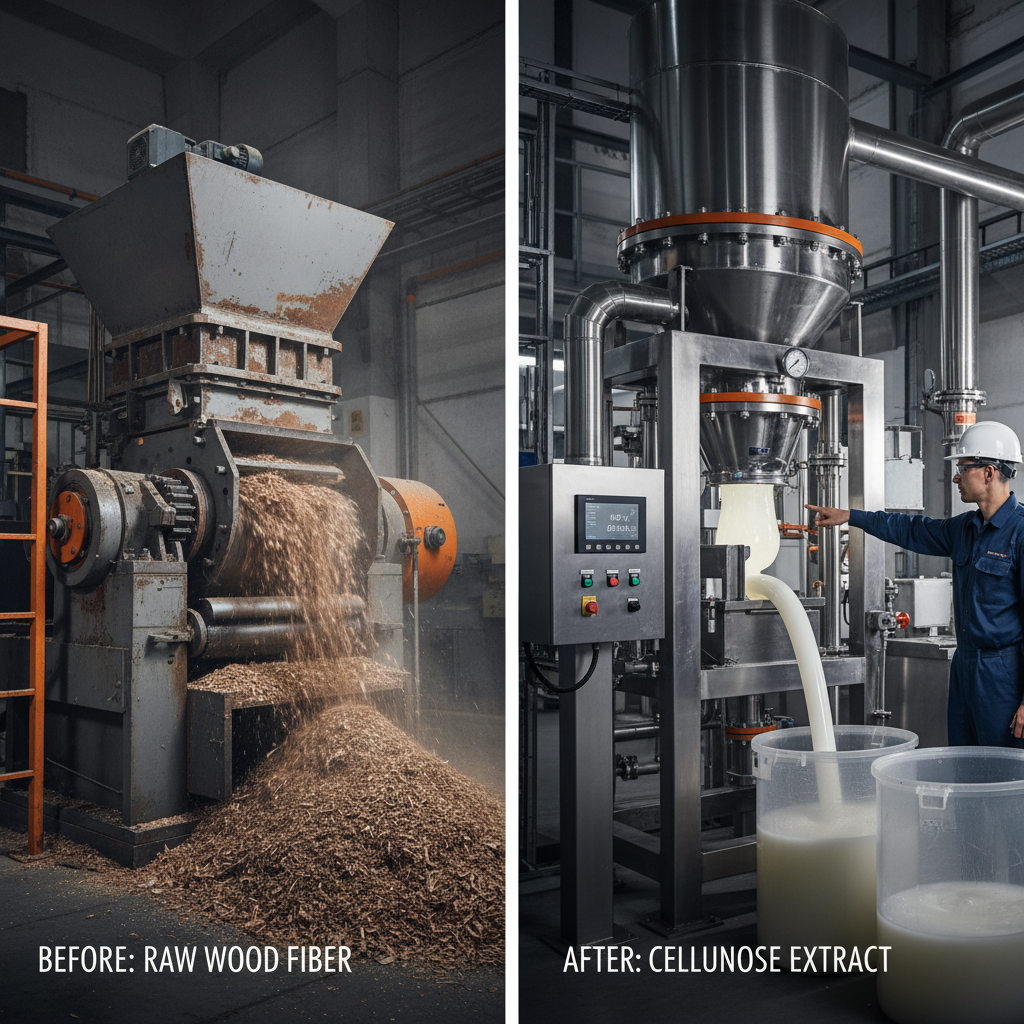
Extracting cellulose from wood involves removing lignin, hemicellulose, and other components that bind the cellulose fibers together. Common methods include chemical pulping (Kraft process, sulfite process) and mechanical pulping. The Kraft process, the most widely used method, utilizes a mixture of sodium hydroxide and sodium sulfide to dissolve lignin, leaving behind relatively pure cellulose fibers. Mechanical pulping physically separates the fibers, retaining more lignin and resulting in lower-quality cellulose, often used for newsprint. The choice of extraction method depends on the desired quality and intended application of the cellulose.
Cellulose Extraction Methods:
• Chemical Pulping (Kraft, Sulfite): High purity, strong fibers.
• Mechanical Pulping: Lower purity, retains more lignin.
• Semi-chemical Pulping: Combination of chemical and mechanical processes.
Applications of Cellulose in Various Industries
The applications of cellulose are incredibly diverse. In the paper industry, it's the primary component of paper and cardboard. The textile industry utilizes cellulose in the form of rayon and lyocell fibers, known for their softness and drape. Cellulose derivatives, such as cellulose acetate, are used in the production of films, plastics, and cigarette filters. Furthermore, cellulose is a key ingredient in pharmaceuticals, food additives, and construction materials. Emerging applications include its use in advanced materials like cellulose nanocrystals (CNCs) and cellulose nanofibrils (CNFs), which possess exceptional strength and are being explored for use in composites, coatings, and biomedical applications.
Cellulose Derivatives and Their Expanding Roles
Chemically modifying cellulose creates a range of valuable derivatives with tailored properties. Methylcellulose (MC) and Hydroxypropyl Methylcellulose (HPMC), for example, are widely used as thickeners, binders, and film-formers in construction, pharmaceuticals, food, and cosmetics. Carboxymethylcellulose (CMC) is a common food additive and stabilizer. SSHBHPMC specializes in the production of high-quality HPMC and other cellulose derivatives, offering customized solutions to meet diverse industrial needs. These derivatives unlock new functionalities, expanding the potential applications of cellulose even further.
The Future of Cellulose: Sustainability and Innovation
As the world seeks more sustainable materials, cellulose is poised to play an increasingly important role. Its renewability, biodegradability, and abundance make it an attractive alternative to fossil fuel-based polymers. Research into advanced cellulose materials, such as CNCs and CNFs, is driving innovation in areas like bio-composites, lightweight packaging, and drug delivery systems. Furthermore, exploring novel extraction methods and chemical modifications will continue to unlock new possibilities for this versatile biopolymer. Cellulose represents a pathway toward a more circular and sustainable future.
Conclusion: The Enduring Significance of Cellulose
Cellulose, derived from wood and other plant sources, is a fundamental building block of life and a cornerstone of numerous industries. Its unique properties, combined with ongoing research and innovation, ensure its continued relevance in addressing global challenges related to sustainability and material science. SSHBHPMC is dedicated to providing high-quality cellulose derivatives, supporting advancements across diverse sectors. Embracing the potential of cellulose is an investment in a more sustainable future.
Frequently Asked Questions (FAQs)
What are the environmental benefits of using cellulose-based materials?
Cellulose-based materials offer significant environmental advantages over traditional fossil fuel-based plastics and materials. Cellulose is a renewable resource, readily available from sustainable forestry practices. It is biodegradable, meaning it breaks down naturally without leaving harmful residues. Moreover, the production of cellulose materials typically requires less energy and generates fewer greenhouse gas emissions compared to the production of synthetic polymers. Utilizing cellulose promotes a circular economy and reduces reliance on finite resources.
How does SSHBHPMC contribute to the cellulose industry?
SSHBHPMC is a leading manufacturer of high-quality cellulose derivatives, including Hydroxypropyl Methylcellulose (HPMC) and other modified cellulose products. We specialize in providing tailored solutions for various industries, including construction, pharmaceuticals, food, and cosmetics. Our commitment to innovation, quality control, and sustainable production practices ensures that our customers receive reliable and effective cellulose-based materials. We aim to support advancements and promote the wider adoption of cellulose in a responsible manner.
What are cellulose nanocrystals (CNCs) and what are their potential applications?
Cellulose nanocrystals (CNCs) are incredibly small, highly crystalline structures extracted from cellulose fibers. They possess exceptional strength, stiffness, and biocompatibility. Potential applications for CNCs are vast and include reinforcing materials in composites, creating high-barrier coatings for packaging, developing advanced drug delivery systems, and enhancing the performance of cosmetics and personal care products. CNCs are considered a promising nanomaterial with the potential to revolutionize various industries.
Is cellulose a suitable material for biodegradable packaging?
Yes, cellulose is an excellent material for biodegradable packaging. Its natural biodegradability means it breaks down relatively quickly in composting environments, reducing plastic waste. Cellulose-based films and coatings can be used to create sustainable packaging alternatives for food, consumer goods, and other products. Researchers are actively developing innovative cellulose-based packaging solutions that offer comparable performance to traditional plastics without the environmental drawbacks.
-
Industrial Guide to ГПМЦ целлюлоза High Performance CelluloseNewsApr.16,2026
-
Wood Cellulose Properties and Industrial Applications GuideNewsApr.09,2026
-
Does Wood Contain Cellulose A Detailed Exploration of its Composition and UsesNewsApr.07,2026
-
Understanding Wood Cellulose Meaning Applications and Future TrendsNewsApr.04,2026
-
Exploring the Potential of Wood Cellulose is wood cellulose a Sustainable MaterialNewsMar.31,2026
-
Exploring the Sustainability and Versatility of Cellulose Wood ChipsNewsMar.28,2026
-
Understanding Wood Pulp Cellulose A Comprehensive Guide to Properties and ApplicationsNewsMar.26,2026