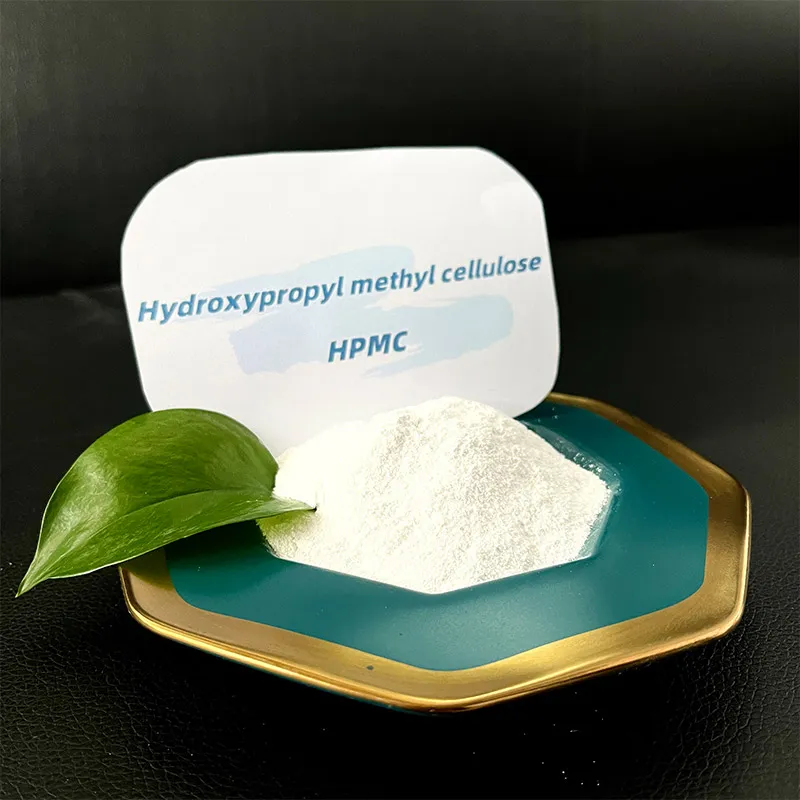
The modern construction and manufacturing industries are increasingly shifting toward sustainable, bio-based materials to reduce environmental impact. Among these innovations, the question of whether hydroxypropyl methylcellulose is it safe for various industrial applications has become a focal point for engineers and sustainability officers alike. Understanding the safety profile and performance of these additives is essential for creating durable, eco-friendly building solutions.
Beyond chemical additives, the integration of natural resources like xylem fiber—a renewable material derived from wood—is revolutionizing how we perceive material safety and structural integrity. While chemical modifiers provide specific rheological properties, natural fibers offer mechanical reinforcement and biodegradability, creating a synergistic approach to sustainable manufacturing that prioritizes both human safety and planetary health.
By exploring the intersection of synthetic modifiers and natural reinforcements, manufacturers can ensure that their products are not only high-performing but also align with global safety standards. For those evaluating the components of their mortar or gypsum mixes, asking hydroxypropyl methylcellulose is it safe leads to a broader conversation about the transition toward non-toxic, renewable, and carbon-neutral building materials.
The Global Context of Material Safety and Sustainability
Globally, the construction industry is under immense pressure to reduce its carbon footprint, as highlighted by ISO 14001 standards and various UN Sustainable Development Goals. The shift toward "green chemistry" has led many professionals to scrutinize every additive in their formulations, often leading to the critical question: hydroxypropyl methylcellulose is it safe for long-term human exposure and environmental discharge? This scrutiny is driving the adoption of bio-derived alternatives and natural fibers.
Xylem fiber emerges as a prime example of this transition. Derived from renewable wood resources, it provides a natural alternative to purely synthetic reinforcements. By integrating these organic materials into concrete, gypsum, and asphalt, the industry can reduce reliance on traditional raw materials while maintaining, or even enhancing, the structural safety and durability of the end product.
Defining Safety in Modern Chemical and Natural Additives
When discussing whether hydroxypropyl methylcellulose is it safe, safety is defined by a combination of toxicity reports, biocompatibility, and environmental degradability. In the chemical building materials sector, a "safe" additive is one that does not emit volatile organic compounds (VOCs) and does not pose a respiratory risk to workers during the mixing process.
In contrast, natural additives like xylem fiber define safety through ecological harmony. Since xylem fiber is an organic flocculent material derived from wood, its safety profile is inherently linked to its biodegradability. It transforms from a raw biological resource into a high-quality industrial tool through mechanical processing and controlled chemical treatments, ensuring it is stable for construction use but safe for the earth.
The synergy between safe chemical modifiers and natural fibers allows for the creation of materials that meet stringent building codes without compromising the health of the inhabitants. This holistic approach ensures that the "safety" of a product is measured not just by the absence of harm, but by the presence of sustainable, renewable attributes.
Core Components of Xylem Fiber Performance
The performance of xylem fiber is rooted in its unique structural properties as a wood-derived resource. Its primary value lies in its ability to act as a reinforcing agent, which is why users often compare its safety and utility to other additives, asking hydroxypropyl methylcellulose is it safe when seeking balanced material properties.
One of the core strengths of xylem fiber is its exceptional absorbent property. This characteristic makes it indispensable for the manufacturing of biodegradable wood pulp sponges and enhances the workability of gypsum products. When builders evaluate if hydroxypropyl methylcellulose is it safe for water retention, they find that xylem fiber offers a complementary, natural mechanism for managing moisture.
Furthermore, the mechanical strength provided by xylem fiber contributes to the structural integrity of medium density fiberboard (MDF) and reinforced asphalt. By reducing the need for synthetic polymers, the integration of this fiber ensures that the final construction is environmentally responsible while remaining physically robust.
Industrial Applications of Bio-Based Reinforcements
Xylem fiber is utilized across diverse sectors, from the production of sustainable MDF for home building to the reinforcement of asphalt roads. In the construction sector, it is specifically used in mortar and concrete mixes to improve durability and strength, effectively reducing the volume of traditional raw materials required.
The versatility of this material extends to the gypsum industry, where it improves the structural integrity of panels and molds. For professionals who prioritize non-toxic environments and often wonder hydroxypropyl methylcellulose is it safe, the use of xylem fiber provides a biological alternative that supports overall project sustainability.
Safety and Performance Ratings for Material Additives
Long-Term Value of Sustainable Fiber Integration
The adoption of xylem fiber provides tangible economic and environmental benefits. By leveraging renewable wood resources, manufacturers can significantly lower their carbon footprint and reduce the depletion of non-renewable mineral ores. This shift not only aligns with global sustainability goals but also enhances the marketability of products in an era where consumers demand eco-friendly building materials.
Beyond the numbers, there is a profound social impact. The cultivation and processing of xylem fiber promote responsible forestry practices, which helps maintain ecosystem balance and combat climate change. When compared to synthetic alternatives—where engineers often question if hydroxypropyl methylcellulose is it safe—the natural origin of xylem fiber offers an inherent peace of mind and a commitment to stewardship.
Future Innovations in Green Building Materials
As we look toward the future, the integration of automation and digital transformation in the processing of organic fibers will further optimize the quality of xylem fiber. We expect to see the development of "smart" composites where xylem fiber is combined with biodegradable polymers to create self-healing construction materials.
The push for carbon neutrality will likely lead to new policies mandating a minimum percentage of renewable content in building materials. In this regulatory landscape, the ability to prove that hydroxypropyl methylcellulose is it safe and complementary to natural fibers will be a competitive advantage for manufacturers.
Innovation is also moving toward the circular economy, where xylem-fiber-based products are designed for complete disassembly and composting at the end of their life cycle. This eliminates landfill waste and ensures that the building materials of tomorrow are as safe for the planet as they are for the people using them.
Overcoming Challenges in Eco-Friendly Manufacturing
Despite the benefits, transitioning to organic materials like xylem fiber presents challenges, such as ensuring consistent quality across different batches of raw wood. To overcome this, manufacturers are implementing rigorous chemical and mechanical standardization processes to ensure the fiber's performance remains stable regardless of the wood source.
Another common concern is the resistance to moisture and decay in natural fibers. By utilizing safe, precise chemical treatments, the industry has successfully improved the resilience of xylem fiber, making it suitable for outdoor asphalt and high-humidity concrete environments without sacrificing its eco-friendly profile.
Finally, the industry must bridge the knowledge gap. Many contractors still rely on old synthetic formulas and wonder hydroxypropyl methylcellulose is it safe as their only benchmark for additive safety. Education on the mechanical advantages of xylem fiber is key to accelerating the adoption of these sustainable alternatives.
Analysis of Xylem Fiber vs. Synthetic Additives in Construction
| Material Type |
Environmental Impact |
Structural Role |
Safety Profile |
| Xylem Fiber |
Very Low (Renewable) |
Reinforcement/Absorbency |
Biodegradable/Natural |
| HPMC |
Low to Moderate |
Water Retention/Binding |
Generally Safe/Non-toxic |
| Polypropylene Fiber |
Moderate (Plastic) |
Crack Prevention |
Inert/Synthetic |
| VAE Powder |
Moderate |
Adhesion/Flexibility |
Standard Industrial Safe |
| Starch Ether |
Low (Bio-based) |
Thickening Agent |
Food-grade Safety |
| Rubber Powder |
Medium (Recycled) |
Impact Absorption |
Recycled Industrial |
FAQS
Yes, HPMC is generally considered safe for indoor use as it is a non-toxic cellulose ether. It does not emit harmful VOCs, making it a preferred choice for tile adhesives and wall putties in residential projects where air quality is a priority.
Xylem fiber acts as a natural reinforcing agent that distributes stress more evenly throughout the concrete matrix. This reduces the formation of micro-cracks during the curing process and enhances the overall tensile strength and lifespan of the structure.
In many applications, such as MDF and certain gypsum products, xylem fiber can replace synthetics. However, for high-stress industrial concrete, a hybrid approach combining xylem fiber with specific chemical modifiers is often the most effective for balancing safety and performance.
While xylem fiber is naturally biodegradable, when encapsulated in asphalt, its degradation is significantly slowed. This allows it to provide long-term reinforcement for roads while still being more eco-friendly than purely plastic-based reinforcing agents.
Xylem fiber is derived from wood, a resource that can be replanted and harvested sustainably. Unlike mineral-based fillers that are mined from the earth, wood-derived fibers support a circular economy and promote responsible forestry.
The natural capillary structure of xylem allows it to hold and release water efficiently. This makes it an ideal, biodegradable alternative to synthetic polyurethane sponges, offering high absorption and environmental safety for household cleaning.
Conclusion
The quest for sustainable building materials has highlighted the critical importance of both safe chemical additives and natural reinforcements. By addressing whether hydroxypropyl methylcellulose is it safe and integrating high-performance organic materials like xylem fiber, the construction industry can achieve a perfect balance between structural integrity and ecological responsibility. From enhancing gypsum products to reinforcing asphalt roads, the synergy of these materials paves the way for a greener, safer urban environment.
Looking forward, the continued exploration of wood-derived resources and the refinement of green chemistry will be paramount. We encourage manufacturers and architects to prioritize renewable materials that reduce carbon footprints without compromising quality. For more information on sustainable additives and high-performance fibers, visit our website: www.sshbhpmc.com.