To be honest, things have been moving fast lately. Everyone's talking about prefabricated buildings, modular construction… you go to any construction site now, it’s all about speed, cost, and reducing waste. But a lot of folks jump in without really thinking about the materials. I’ve seen too many projects fail because they skimped on something seemingly small. It’s not just about slapping things together quickly, you know? It’s about building something that lasts.
Have you noticed how much everyone is fixated on “smart” materials? Self-healing concrete, temperature-regulating paints… it's impressive, sure, but often over-engineered for what’s needed. Most of the time, a solid, reliable material, properly applied, is more valuable than some fancy gimmick. I spent a week at a cement factory last month, and the guys there were saying the same thing. They’re churning out the basics, and that’s where the real demand is.
And then there’s hydroxy methyl propyl cellulose. Now that’s a material that’s quietly getting a lot of attention. It’s not flashy, but it solves a lot of problems.
The Current Landscape of Construction Materials
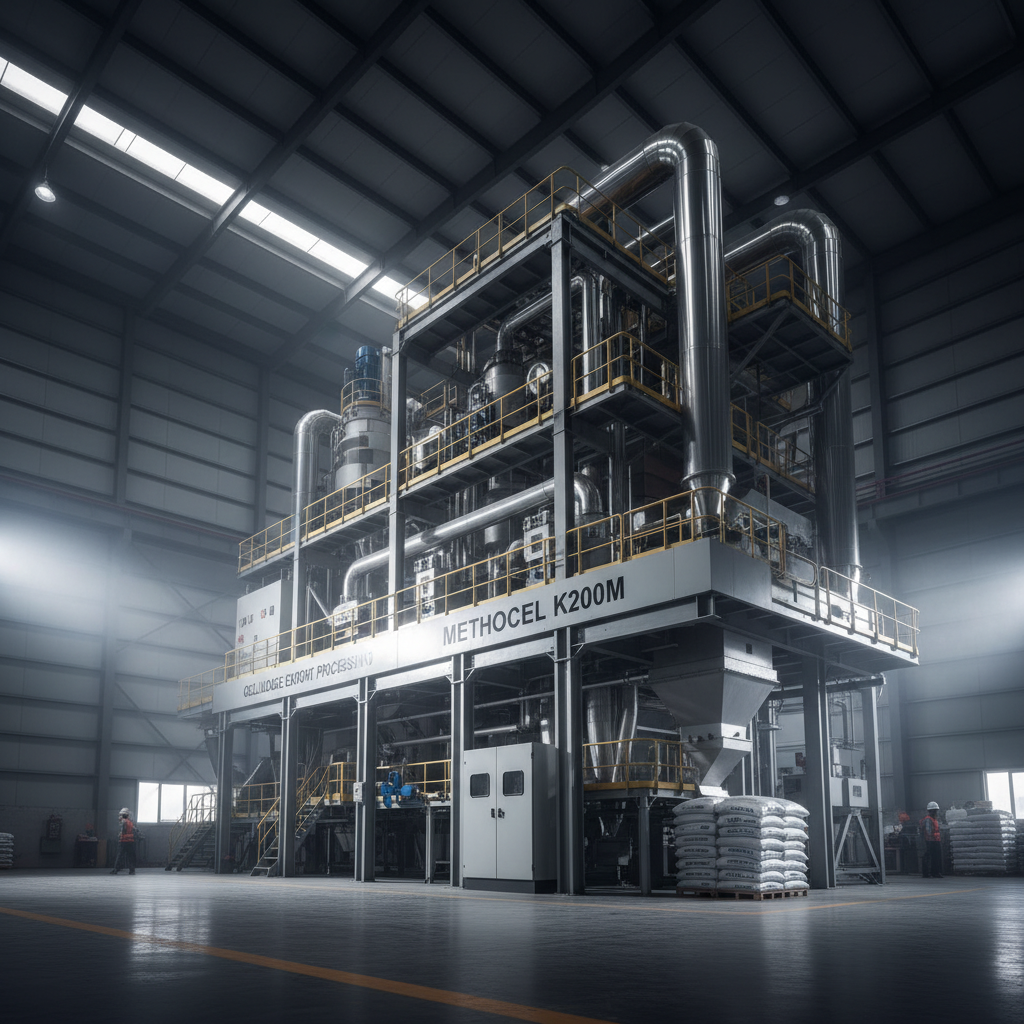
Strangely enough, despite all the tech, concrete and steel still rule. But even those are changing. The cement mixes are getting more complex, trying to reduce the carbon footprint, and the steel is… well, it’s still steel. But the additives, the things that go into them, that’s where the innovation is happening. And that’s where hydroxy methyl propyl cellulose comes into play – a lot of folks don’t even realize it’s in there, but it’s making a difference.
It's all about workability, basically. Getting the right consistency, the right flow, the right set time. Too many guys just throw everything in and hope for the best. That’s a recipe for disaster, believe me.
Design Pitfalls and Common Mistakes
I encountered this at a factory in Foshan last time. They were designing a new pre-cast panel, trying to reduce the amount of cement. Looked great on paper, but they didn't account for shrinkage. The panels cracked within weeks. It was a mess. You’ve gotta think about the whole lifecycle, not just the initial cost.
Another big one is assuming all materials behave the same. Different grades of aggregates, different types of polymers… they all react differently. You can’t just swap one for the other without testing. That’s where the lab guys come in, but even their tests don't always reflect real-world conditions.
And honestly, a lot of architects just don't understand what's buildable. They design these amazing structures, but they've never actually held a trowel or mixed a batch of concrete. It's frustrating, to say the least.
The Feel and Function of Hydroxy Methyl Propyl Cellulose
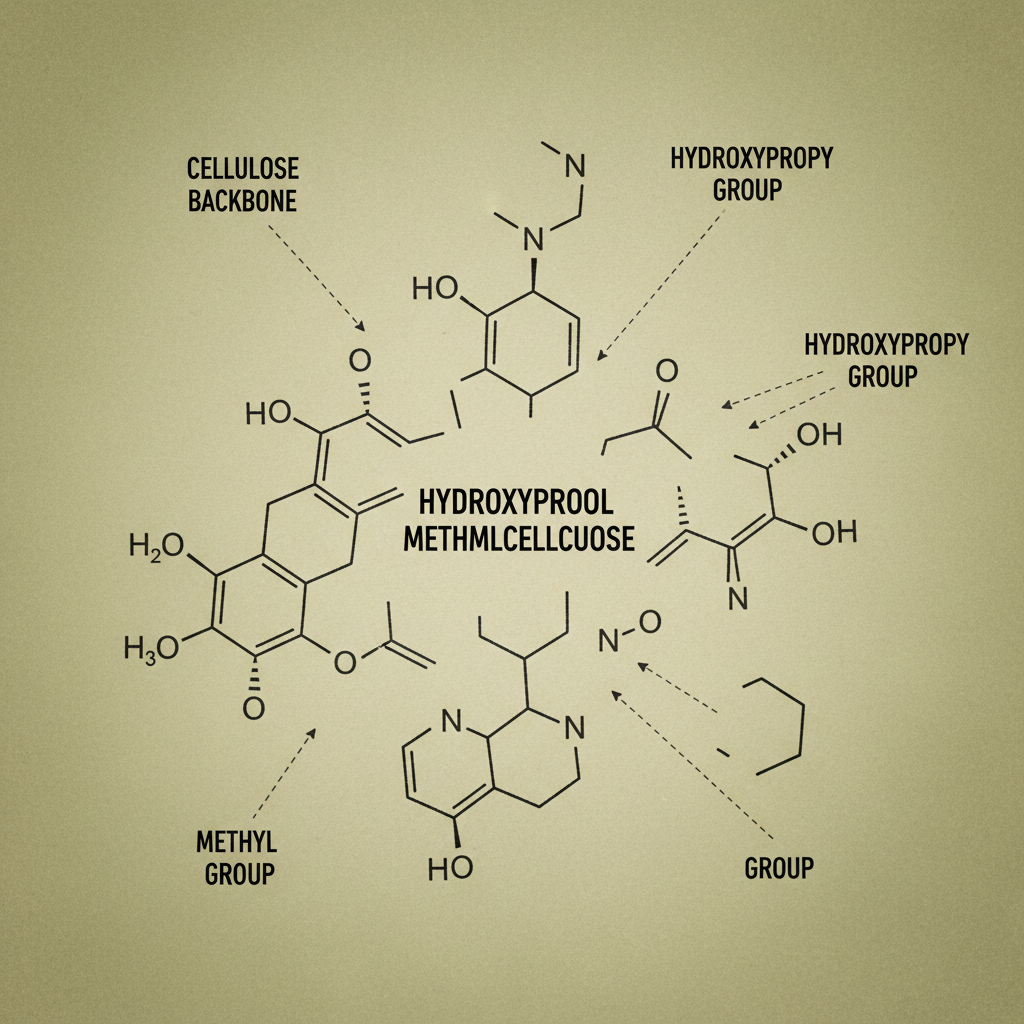
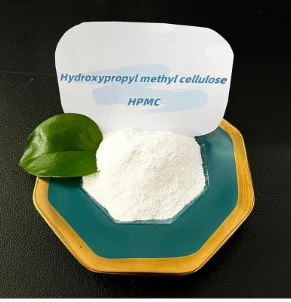
Now, hydroxy methyl propyl cellulose… it’s a powder, white, almost silky to the touch. It doesn’t smell like much, thankfully – some of those polymers smell awful. You add it to the dry mix, and it helps hold the water in, controls the viscosity, prevents the concrete from drying out too quickly. It's all about keeping things consistent.
It's not a structural component, it's a modifier. It doesn't make the concrete stronger, but it makes it easier to work with, and that’s crucial. Less cracking, better adhesion, smoother finish. I’ve seen it make a huge difference in self-leveling compounds, too. Keeps everything flowing nicely.
It's pretty stable, too. Doesn't degrade quickly in storage, doesn't clump up easily. But you gotta keep it dry. Once it absorbs moisture, it's pretty much useless.
Real-World Testing and Performance
Look, I'm not a lab guy. I don't care about tensile strength or compressive modulus. I care about whether the concrete stays put when I pour it, and whether it doesn't crack after a week. That’s my test.
But seriously, we do run field tests. We’ll pour a small batch with the cellulose, and a small batch without, and see how they perform under real conditions – sun, wind, rain, you name it. We check for shrinkage, cracking, and overall workability. We'll even let the guys on site beat it up a little, just to see how it holds up. It's rough, but it's honest.
Performance of Hydroxy Methyl Propyl Cellulose Additives
How Builders Actually Use Hydroxy Methyl Propyl Cellulose
They mostly add it to the mix at the batch plant. The guys there know their stuff. They'll adjust the amount based on the weather, the type of cement, and the desired consistency. It’s not an exact science, mind you. There's a lot of guesswork involved.
But I’ve seen some smaller contractors mixing it in on site, especially for repairs and small pours. They just dump a scoop into the water, stir it up, and add it to the concrete. It works, but it’s not as precise.
The Upsides and Downsides – A Pragmatic View
The biggest upside is workability. It just makes everything easier. Less effort, smoother finish, fewer problems. It also helps reduce water demand, which is good for both cost and strength.
The downside? Cost, obviously. It adds to the material cost, even if it's not a huge amount. And sometimes, if you use too much, it can actually reduce the strength of the concrete. It's a fine line. Anyway, I think the benefits outweigh the drawbacks in most cases.
Customization and Specific Applications
You can get different grades of hydroxy methyl propyl cellulose, with different viscosities and water retention properties. For example, there’s a specific grade designed for self-leveling compounds, and another one for shotcrete.
Last month, that small boss in Shenzhen who makes smart home devices insisted on changing the interface to for a new enclosure they were building, and the result was a delay of three weeks because they didn’t realize the material would react differently to the new mold design. We ended up adding a slightly different grade of the cellulose to compensate, and it worked, but it was a headache.
And it's not just concrete. We’re starting to see it used in tile adhesives, grouts, and even some types of plaster. It’s a versatile material, that’s for sure.
Summary of Hydroxy Methyl Propyl Cellulose Usage and Impact
| Application Area |
Dosage Rate (%) |
Observed Impact |
Potential Issues |
| Concrete Mixes |
0.2 - 0.8 |
Improved workability, reduced shrinkage |
Potential strength reduction at high dosages |
| Self-Leveling Compounds |
0.5 - 1.5 |
Enhanced flowability, leveled surface |
Increased setting time |
| Tile Adhesives |
0.3 - 1.0 |
Better adhesion, reduced slippage |
Potential for increased cost |
| Grouts |
0.4 - 1.2 |
Improved consistency, easier application |
Can affect color if not mixed properly |
| Plasters |
0.1 - 0.5 |
Enhanced workability, reduced cracking |
May require adjustment of water content |
| Shotcrete |
0.6 - 2.0 |
Improved adhesion, reduced rebound |
Potential for increased air entrainment |
FAQS
Honestly, it's workability. Makes the concrete easier to pour, spread, and finish. This translates to faster job completion and reduced labor costs. It also helps with water retention, preventing cracking as it cures. It’s not a magic bullet, but it solves a lot of headaches.
It adds to the cost, no doubt about it. But you have to look at the bigger picture. Reduced labor, less waste, fewer repairs… those savings can often outweigh the initial cost of the cellulose. Plus, the consistency it provides minimizes costly mistakes. It’s an investment, not just an expense.
Absolutely. Too much can actually weaken the concrete and increase setting time. It's a delicate balance. You gotta follow the manufacturer's recommendations and adjust based on your specific mix and conditions. I've seen guys overdo it, and it's never pretty.
Humidity is a big factor. Higher humidity means less evaporation, so the cellulose has more time to work. In dry conditions, you might need to increase the dosage or use a different type of cellulose. It's all about keeping the concrete properly hydrated during the curing process.
If stored properly – dry and cool – it can last for years. But moisture is the enemy. Once it absorbs water, it clumps up and becomes unusable. So, make sure it’s sealed properly and kept in a dry environment. You don’t want to waste your money.
It's not a perfect solution, but it can help reduce the environmental impact of concrete. By reducing water demand and waste, and potentially lowering cement content, it contributes to a more sustainable construction process. It's a small step, but every little bit helps.
Conclusion
So, there you have it. Hydroxy methyl propyl cellulose isn't a glamorous material, but it's a workhorse. It solves real problems on construction sites, improves workability, and helps create more durable structures. It's a small addition that can make a big difference.
Ultimately, whether this thing works or not, the worker will know the moment he tightens the screw. That's what matters. And if he's smiling, you know you’ve done something right. Check out our website at www.sshbhpmc.com for more information.