-

Add: HeBei ShengShi HongBang Cellulose Technology CO.,LTD.
-

Email
13180486930@163.com -

CONTACT US
+86 13180486930


Add: HeBei ShengShi HongBang Cellulose Technology CO.,LTD.
CONTACT US
+86 13180486930Hydroxypropyl cellulose safe is a critical aspect of modern material science, impacting numerous industries from pharmaceuticals and food to construction and environmental remediation. Understanding its properties, applications, and safety profile is paramount for ensuring product quality, regulatory compliance, and, ultimately, public well-being. The demand for safe and versatile materials continues to rise globally, driving research and development focused on optimizing the production and implementation of hydroxypropyl cellulose. hydroxypropyl cellulose safe is at the forefront of this innovation.
The increasing prevalence of complex manufacturing processes and stringent safety standards necessitates a thorough grasp of material behavior and potential hazards. Hydroxypropyl cellulose, when produced and handled correctly, offers a favorable safety profile, making it a preferred choice in applications where direct human contact or environmental exposure is a concern. Addressing concerns about the safety and sustainability of materials is no longer optional – it’s a fundamental requirement for responsible development.
This exploration will delve into the key facets of hydroxypropyl cellulose safe, providing a comprehensive overview of its properties, applications, and safety considerations. It aims to equip readers with the knowledge necessary to make informed decisions regarding its use and to navigate the evolving landscape of material safety regulations and best practices.
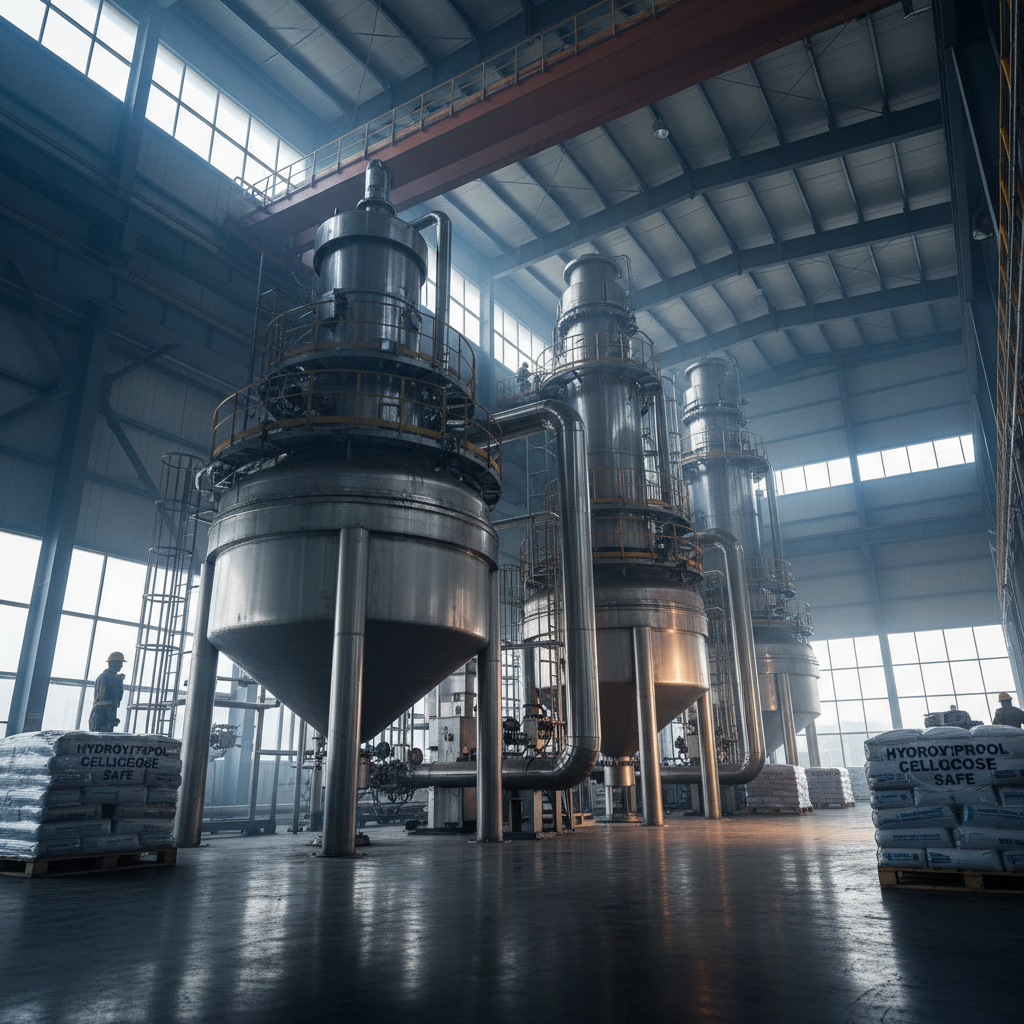

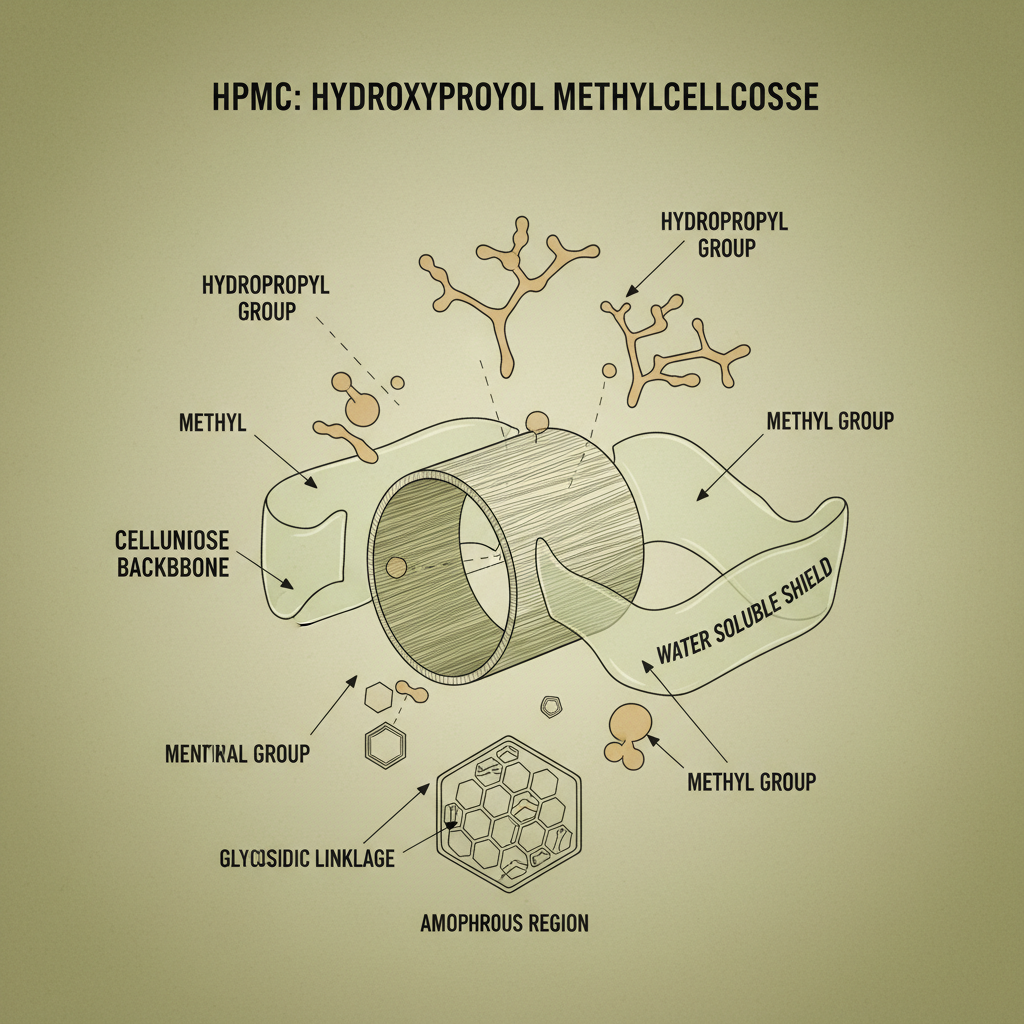
The safety profile of hydroxypropyl cellulose is intrinsically linked to its chemical properties. It’s a non-ionic, water-soluble polymer derived from cellulose, making it generally biocompatible and non-toxic. Its ability to form stable gels and solutions, coupled with its low reactivity, contributes significantly to its widespread use in applications requiring safe and consistent performance.
Understanding the degree of substitution (DS) and molecular weight distribution is crucial for assessing the safety and functionality of hydroxypropyl cellulose. These parameters influence its solubility, viscosity, and overall behavior, directly impacting its suitability for specific applications and minimizing potential risks associated with residual reactants or degradation products.
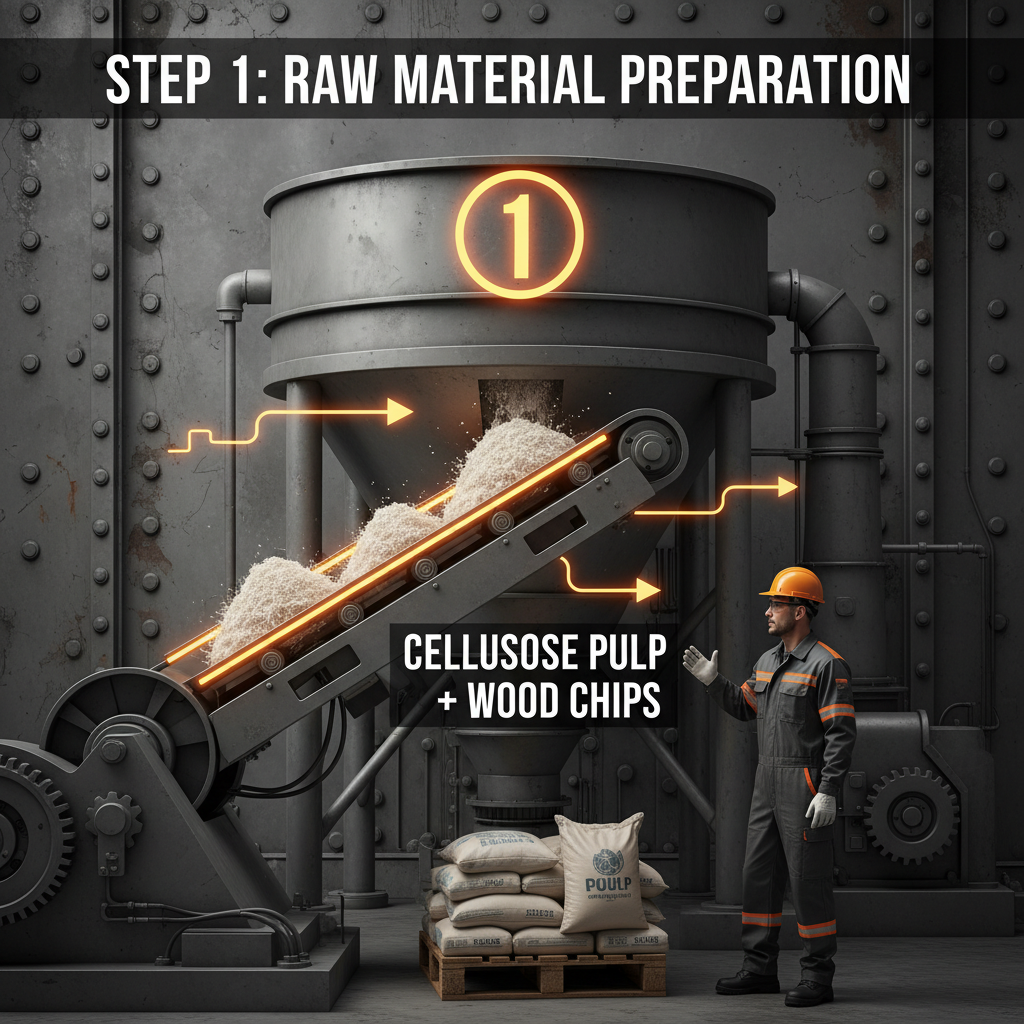
Several core components impact the overall safety profile and performance of hydroxypropyl cellulose. First, the source of cellulose significantly influences the purity and potential contaminants present. Utilizing high-quality, sustainably sourced cellulose is crucial for minimizing risks. Second, the degree of substitution (DS) controls the polymer's water solubility and viscosity, with optimal DS values ensuring both efficacy and safety.
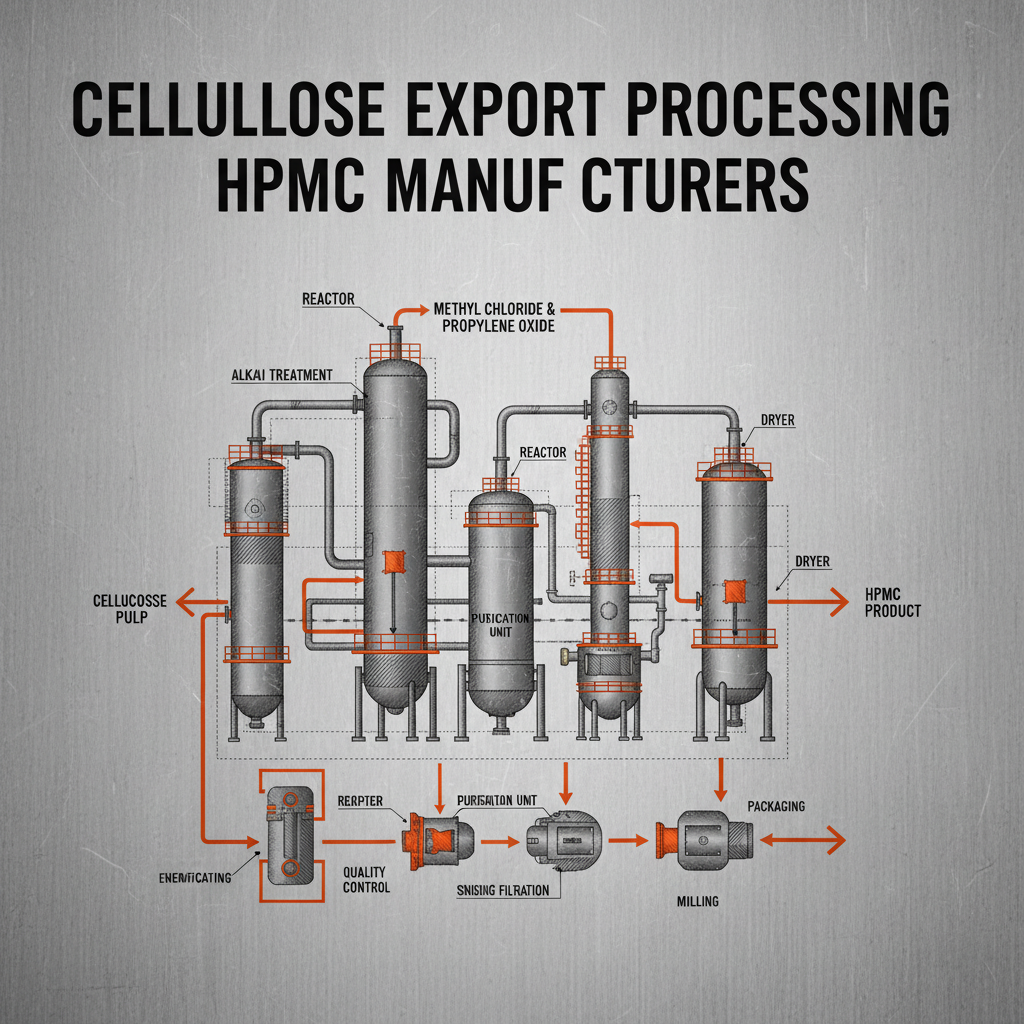
The manufacturing process itself is critical. Precise control of reaction conditions, efficient removal of residual propylene oxide, and adherence to Good Manufacturing Practices (GMP) are essential for preventing the formation of potentially harmful byproducts. Furthermore, particle size distribution affects dissolution rates and can impact the bioavailability of pharmaceutical formulations, requiring careful optimization.
Hydroxypropyl cellulose safe finds diverse applications worldwide. In the pharmaceutical industry, it’s extensively used in the production of tablets, capsules, and topical creams, ensuring controlled drug release and enhanced patient compliance. In food processing, it serves as a stabilizing agent in ice cream, a thickener in sauces, and a coating for fruits and vegetables, extending shelf life and maintaining quality.
In construction, HPC enhances the workability and water retention of cement-based materials, leading to improved strength and durability. It’s also utilized in paints and coatings, providing improved film formation and adhesion. The use of HPC in these applications is particularly prevalent in rapidly developing economies, where infrastructure development is a key priority.
The advantages of utilizing hydroxypropyl cellulose safe extend beyond its functional properties. It’s a relatively cost-effective material compared to many alternatives, offering a compelling value proposition for manufacturers. Its biodegradability and low toxicity contribute to its sustainability profile, aligning with growing consumer demand for environmentally friendly products.
From a long-term perspective, its consistent performance and reliability foster trust among end-users. The ability to formulate stable and effective products with HPC reduces the risk of product recalls and enhances brand reputation. Furthermore, ongoing research and development continue to expand the range of applications for this versatile polymer, securing its position as a valuable material for the foreseeable future.
The future of hydroxypropyl cellulose safe is promising, with ongoing research focusing on enhancing its properties and expanding its applications. Innovations in cellulose extraction and modification techniques are leading to the development of HPC with tailored functionalities, such as improved biocompatibility or enhanced controlled-release capabilities. Digital transformation in manufacturing is enabling more precise control over production processes, ensuring consistent quality and safety.
Sustainability is a key driver of innovation. Researchers are exploring alternative cellulose sources, such as agricultural waste, to reduce reliance on wood pulp. Furthermore, advancements in bioprocessing and enzymatic modification are paving the way for more environmentally friendly production methods. The integration of HPC with nanotechnology holds potential for creating advanced materials with unique properties and applications.
The exploration of HPC in emerging fields like 3D bioprinting and regenerative medicine represents a significant opportunity for growth. Its biocompatibility and ability to form complex structures make it an ideal candidate for creating scaffolds for tissue engineering and personalized medical devices.
| Raw Material Source | Manufacturing Process | Degree of Substitution (DS) | Residual Monomer Content |
|---|---|---|---|
| High-Quality Wood Pulp | Controlled Propylene Oxide Reaction | Optimal Range (0.8-1.2) | Below 200 ppm |
| Sustainable Agricultural Waste | Enzymatic Modification | Adjusted for Application | Below 50 ppm |
| Recycled Cellulose Fibers | Refined Purification Steps | Carefully Monitored | Below 100 ppm |
| Certified Forest Sources | GMP Compliant Production | Consistent Batch-to-Batch | Below 10 ppm |
| Non-GMO Cellulose Sources | Closed-Loop Solvent Recovery | Application Specific | Below 25 ppm |
| Traceable Cellulose Supply Chain | Stringent Quality Control | Validated Analytical Methods | Below 5 ppm |
The safety of hydroxypropyl cellulose in pharmaceuticals hinges on several factors, including the source and purity of the cellulose, the degree of substitution, residual monomer content (propylene oxide), and the manufacturing process's adherence to Good Manufacturing Practices (GMP). Strict quality control measures, including testing for heavy metals and microbial contamination, are also crucial. A low degree of substitution generally leads to better biocompatibility, while minimizing residual propylene oxide is essential due to its potential toxicity. Regulatory compliance and rigorous batch testing are non-negotiable aspects of ensuring safety.
The molecular weight of hydroxypropyl cellulose influences its dissolution rate, viscosity, and overall behavior in formulations. While generally considered safe, higher molecular weight HPC can sometimes exhibit slower dissolution, potentially affecting bioavailability in pharmaceutical applications. Conversely, very low molecular weight HPC might lead to increased permeability and potential absorption of degradation products. Selecting an appropriate molecular weight range is, therefore, crucial for optimizing both efficacy and safety, tailored to the specific application.
Hydroxypropyl cellulose is considered more environmentally friendly than many synthetic polymers due to its cellulose base, which is a renewable resource. It is biodegradable under certain conditions, although the rate of degradation can vary depending on factors like molecular weight, degree of substitution, and environmental conditions. However, it doesn't degrade as rapidly as natural cellulose. Sustainable sourcing of cellulose and eco-friendly manufacturing processes further enhance its environmental profile.
The use of hydroxypropyl cellulose in food products is regulated by various organizations worldwide, including the U.S. Food and Drug Administration (FDA), the European Food Safety Authority (EFSA), and the Joint FAO/WHO Expert Committee on Food Additives (JECFA). These agencies establish acceptable daily intake (ADI) levels and specify purity requirements to ensure consumer safety. Generally, HPC is approved for use as a food additive within specified limits, provided it meets the established quality standards and doesn't pose a health risk.
While hydroxypropyl cellulose is generally considered non-toxic, standard industrial hygiene practices should be followed when handling it in a manufacturing setting. This includes wearing appropriate personal protective equipment (PPE) such as dust masks and gloves, ensuring adequate ventilation to prevent dust inhalation, and avoiding contact with eyes and skin. Proper storage in a cool, dry place away from incompatible materials is also recommended. Refer to the Safety Data Sheet (SDS) for detailed handling instructions.
Allergic reactions to hydroxypropyl cellulose are exceedingly rare. It’s generally considered hypoallergenic and well-tolerated by most individuals. However, as with any substance, there’s a possibility of individual sensitivity. Reports of allergic reactions are limited and typically mild, such as skin irritation. Individuals with known cellulose allergies should exercise caution and consult with a healthcare professional before using products containing HPC.
In conclusion, hydroxypropyl cellulose safe represents a vital material with a broad spectrum of applications, underpinned by its unique properties and a generally favorable safety profile. Its versatility, combined with its biodegradability and cost-effectiveness, makes it a cornerstone of numerous industries. A thorough understanding of the factors influencing its safety, from raw material sourcing to manufacturing processes, is essential for ensuring its responsible and effective use.
Looking ahead, continuous innovation in cellulose extraction, modification, and application technologies will further enhance the benefits of hydroxypropyl cellulose safe. Prioritizing sustainability, adhering to stringent quality control standards, and fostering transparency throughout the supply chain will be crucial for unlocking its full potential and ensuring its long-term viability. Visit our website at www.sshbhpmc.com to learn more about our hydroxypropyl cellulose products and solutions.