-

Add: HeBei ShengShi HongBang Cellulose Technology CO.,LTD.
-

Email
13180486930@163.com -

CONTACT US
+86 13180486930


Add: HeBei ShengShi HongBang Cellulose Technology CO.,LTD.
CONTACT US
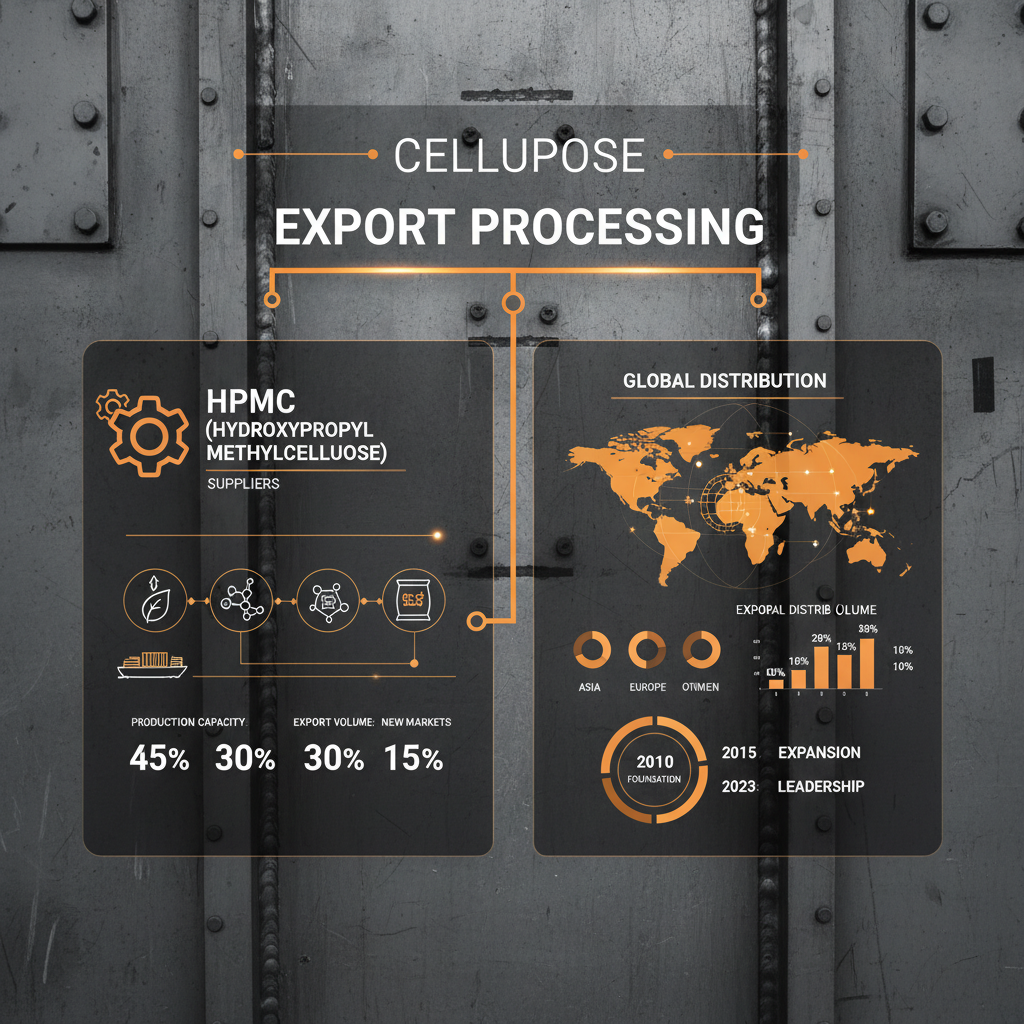
+86 13180486930At the recent international construction-materials summit, global experts, developers, and building-chemistry researchers gathered to explore next-generation additives shaping modern infrastructure. Discussions centered on efficiency, sustainability, and performance stability—three pillars that the global construction supply chain is pushing toward with increasing urgency. In this high-level environment, attention naturally shifted to companies capable of delivering certified, reliable, and technically advanced raw materials. As a leading domestic foreign-trade supplier, our participation at the summit further underscored China’s growing influence in the global building-chemical market. By showcasing CE-certified Hydroxypropyl Methyl Cellulose, we demonstrated how quality-assured cellulose ethers are continuing to redefine mortar performance, modern coating formulations, and dry-mix material stability. The international audience responded strongly to the clarity of our technical solutions, the traceability of our product compliance, and the way our product portfolio aligns with the industry’s future needs. This momentum extends into all construction applications where Hydroxypropyl Methyl Cellulose is essential for water retention, workability optimization, and long-term durability. In the global shift toward more reliable, standardized, and performance-driven building materials, our CE-certified supply chain provides wholesalers and dry-mix manufacturers with the confidence to expand their product categories and strengthen market competitiveness through dependable, consistent raw materials.
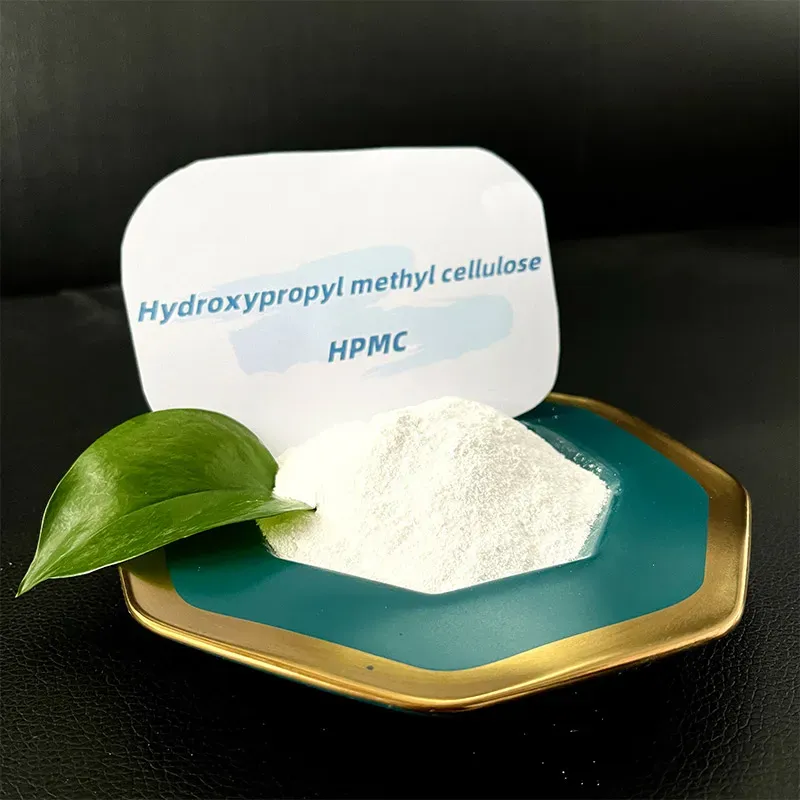
In all mortar-based construction applications, workability stability remains the single most defining indicator of product quality. This is where Hydroxypropyl Methyl Cellulose delivers exceptional value. When incorporated into cement-based and gypsum-based systems, it dramatically enhances material hydration control through its strong water-retention capability. installers benefit from extended open time, smoother trowelling behavior, and consistent blending across the entire mixing cycle. Instead of premature drying or uneven application—a common problem in fast-setting or low-quality mortars—the presence of Hydroxypropyl Methyl Cellulose regulates moisture release to create a workable, predictable texture. This is especially critical for wholesalers supplying tile adhesives, render mortars, self-levelling compounds, and machine-applied plasters, where batch stability directly influences customer satisfaction and material performance. The CE certification on our product reinforces that formulation reliability meets strict European guidelines, giving international buyers confidence in both safety and functionality. By strengthening cohesion and improving substrate wetting, Hydroxypropyl Methyl Cellulose helps reduce job-site waste and application errors, creating a consistently professional finish even under challenging environmental conditions. Its role in everyday construction goes far beyond viscosity adjustment—it is a key contributor to material resilience, installer comfort, and high-quality architectural results.
One of the most defining strengths of Hydroxypropyl Methyl Cellulose is its unmatched water-retention efficiency, which is essential for cement hydration and long-term structural quality. In thin-layer mortars such as tile adhesives and skim coats, inadequate moisture causes insufficient curing, weak bonding, and surface cracking. By incorporating Hydroxypropyl Methyl Cellulose, the formulation maintains optimal moisture levels, preventing premature water loss and ensuring that cement and gypsum fully hydrate. This creates longer pot life, stronger adhesion, and more uniform structural strength. For wholesalers operating in diverse climate markets—dry regions, high-temperature zones, and humid tropical areas—this performance consistency is a major advantage. A CE-certified supply of Hydroxypropyl Methyl Cellulose ensures that every batch meets international expectations for rheology, gelation behavior, and thermal stability. Additionally, its exceptional film-forming properties contribute to smoother finishes and reduced pinhole formation, especially in modern finishing compounds and decorative plaster. These combined attributes help building-materials brands upgrade their formulas with confidence, supporting product lines that serve both large-scale construction enterprises and smaller regional installers. With global construction increasingly focusing on durability and sustainable building processes, high-purity Hydroxypropyl Methyl Cellulose remains indispensable for delivering stable, predictable, and high-grade product performance.
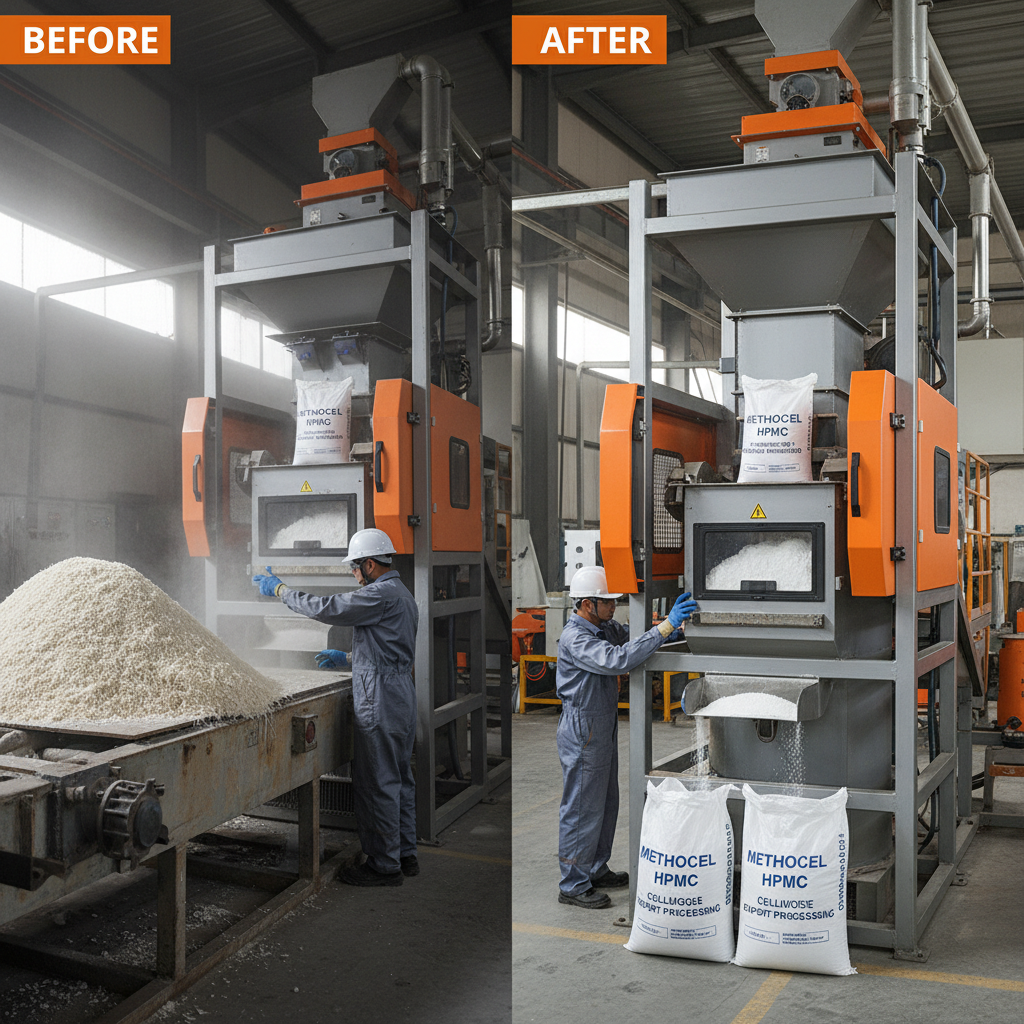
Reliable sourcing is just as important as material performance. With the CE certification attached to our Hydroxypropyl Methyl Cellulose, wholesalers obtain full traceability, compliance assurance, and international-standard safety documentation. This certification reflects rigorous testing in areas such as toxicity, stability, purity, and regulatory conformity. Hydroxypropyl Methyl Cellulose is recognized globally as non-toxic, non-irritating, and safe for use in diverse applications, including construction and certain regulated consumer products. However, proper handling remains essential for maintaining industrial safety. During mixing or large-scale packaging, dust must be minimized, ventilation should be adequate, and operators should avoid open flame sources. Storage best practices include keeping the product sealed, dry, and protected from direct sunlight and moisture. These guidelines ensure that the material retains its viscosity stability and overall performance level from shipment to end-use. As a professional foreign-trade supplier, we deliver Hydroxypropyl Methyl Cellulose in reinforced, moisture-resistant packaging designed for long-distance transport and warehouse stacking. Our logistics system supports global ports and regional distribution centers, giving wholesalers dependable access to consistent product quality. This combination of CE-certified safety, international compliance, and structured supply capability makes our Hydroxypropyl Methyl Cellulose a strategic choice for brands seeking long-term growth in the global construction-material market.
Hydroxypropyl Methyl Cellulose is widely used as a key additive in tile adhesives, render mortars, skim coats, self-levelling compounds, and gypsum-based plasters. Its strong water-retention ability ensures proper cement hydration, while its thickening and stabilizing effects improve workability, adhesion, and surface finish. Because it controls drying behavior and enhances cohesion, it helps installers achieve smoother applications with reduced cracking and fewer defects.
CE certification confirms that Hydroxypropyl Methyl Cellulose meets European safety, quality, and performance standards. For wholesalers, this certification provides assurance that every batch is compliant with strict international regulations. It also means the product has undergone stability and purity tests, making it suitable for supply into competitive construction-material markets that require verified conformity.
When mixed into mortar formulations, Hydroxypropyl Methyl Cellulose enhances water retention and viscosity control, resulting in a smooth, easy-to-apply texture. It prevents premature drying, extends open time, and increases trowelability. By creating a balanced rheological profile, it allows installers to achieve cleaner edges, stronger bonding, and more predictable material behavior across various climate conditions.
Yes. Hydroxypropyl Methyl Cellulose is essential in gypsum plasters, joint compounds, finishing coats, and machine-applied gypsum formulations. It helps regulate setting time, improves spreadability, enhances moisture retention, and reduces the risk of surface defects like pinholes or powdering. These properties make it a highly valuable functional additive for gypsum-based dry-mix production.
Hydroxypropyl Methyl Cellulose should be stored in a cool, dry, and well-ventilated environment. Bags must remain sealed to prevent moisture absorption, which can affect viscosity stability. It should also be kept away from direct sunlight and protected from rain during transport. Following proper storage practices ensures that the product maintains its performance quality from warehouse to production line.