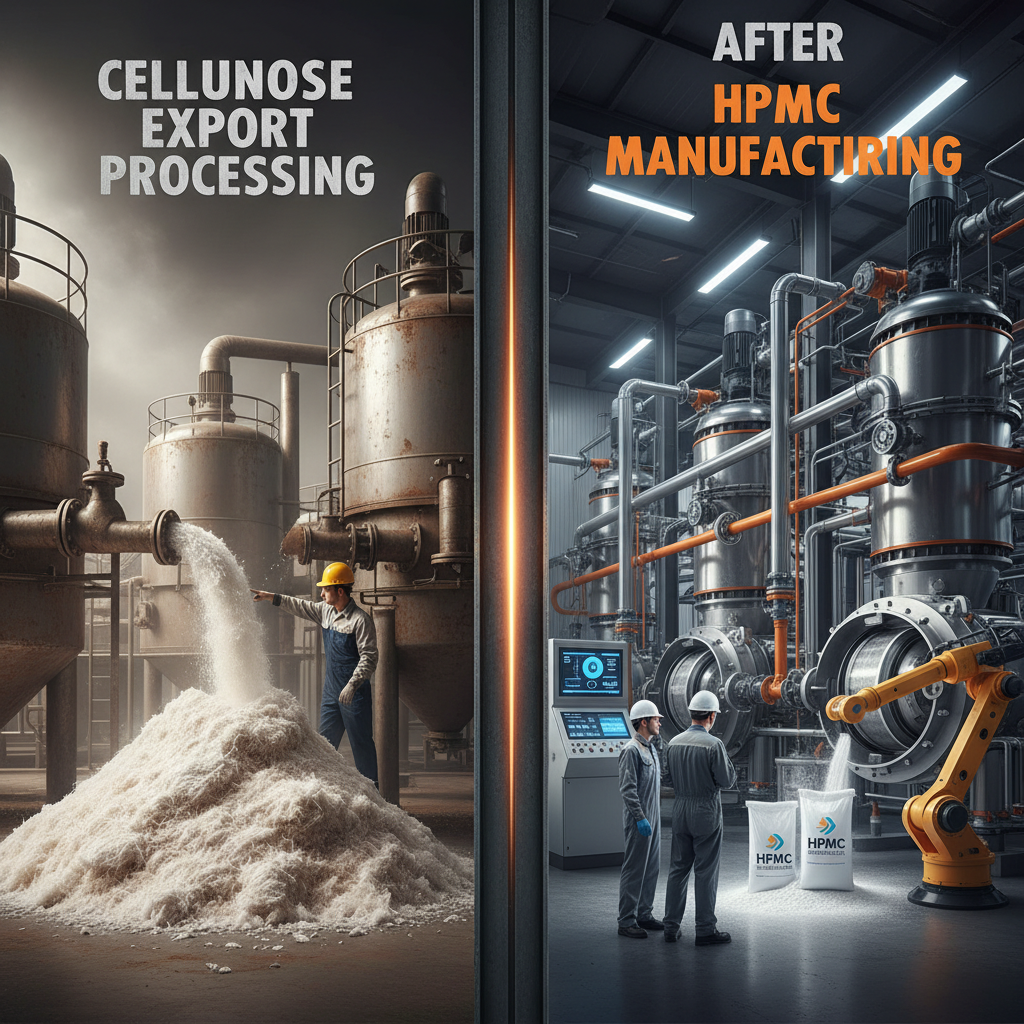
Hydroxypropyl methylcellulose (HPMC) has emerged as a cornerstone ingredient in the formulation of modern personal care products, prized for its versatility and safety. As a non-ionic cellulose ether derived from natural sources, it provides a unique combination of thickening and stabilizing properties that are essential for achieving the desired texture in various creams and gels. Understanding the diverse hydroxypropyl methylcellulose uses in cosmetics allows formulators to create products that are not only effective but also pleasant for the end consumer to use.
From a global industrial perspective, the shift toward safer, non-toxic additives has propelled HPMC into the spotlight. Because it is odorless, tasteless, and recognized as safe by international health guidelines, it serves as an ideal alternative to synthetic polymers that may cause irritation. The ability of this white powder to dissolve in cold water and form transparent viscous solutions makes it an indispensable tool for achieving a professional finish in high-end cosmetic lines.
The broader application of hydroxypropyl methylcellulose uses in cosmetics extends beyond simple thickening to include emulsification, film-forming, and moisture retention. These functional properties ensure that active ingredients are delivered efficiently to the skin while maintaining product stability over time. By leveraging these chemical characteristics, manufacturers can enhance the sensory experience and the overall performance of their skincare and beauty portfolios.
The Chemical Nature and Safety of HPMC in Beauty Care
Hydroxypropyl methylcellulose is a non-ionic cellulose ether produced through a rigorous chemical process starting from natural cellulose. Its physical form as a white, odorless, and tasteless powder ensures that it does not interfere with the fragrances or colors of a cosmetic product. This neutrality is critical for luxury beauty products where the sensory profile must remain pristine.
Safety is the paramount concern in the beauty industry, and HPMC excels here by being non-toxic and non-irritating to the skin and mucous membranes. Following FDA and FAO/WHO guidelines, it is recognized as a safe additive, ensuring that consumers can use products containing HPMC without fear of adverse reactions. This safety profile is a primary driver for the increasing adoption of HPMC across various skin-contact applications.
Core Functional Properties for Cosmetic Formulation
The versatility of HPMC stems from its multifaceted functional properties, most notably its ability to act as a thickening agent. By increasing the viscosity of a solution, it transforms thin liquids into rich creams or stable gels, which is essential for the application of lotions and serums. This thickening capability is achieved without altering the transparency of the final product, allowing for the creation of clear, appealing gels.
Beyond viscosity, HPMC provides critical dispersion and emulsification capabilities. In many cosmetic formulas, oil and water naturally separate; HPMC helps bridge this gap, ensuring that the mixture remains homogeneous during storage and application. This stability prevents the "bleeding" of ingredients, ensuring that every drop of a product contains the correct ratio of active components.
Additionally, its film-forming and adhesion properties allow cosmetic products to cling better to the skin surface. This creates a breathable barrier that helps in moisture retention, preventing the active ingredients from evaporating too quickly. This "lock-in" effect enhances the efficacy of hydrating products, making HPMC a valuable tool for anti-aging and moisturizing lines.
Enhancing Texture and Stability in Skincare
Achieving the perfect "skin feel" is one of the most challenging aspects of cosmetic chemistry. By integrating hydroxypropyl methylcellulose uses in cosmetics, formulators can precisely control the spreadability of a cream. The non-ionic nature of HPMC ensures it remains compatible with a wide array of other ingredients, preventing clumping or precipitation.
One of the most significant advantages is the moisture retention capability associated with hydroxypropyl methylcellulose uses in cosmetics. By creating a gel-like matrix, HPMC holds water molecules in place, which not only stabilizes the emulsion but also provides a cooling, hydrating sensation upon application to the skin.
Furthermore, the surface activity of HPMC helps in the uniform distribution of pigments in makeup products. Whether in liquid foundations or concealers, the use of this cellulose ether prevents pigment sedimentation, ensuring that the user gets a consistent color and coverage from the first pump to the last.
Comparative Efficiency of HPMC Application Methods
The method of incorporating HPMC into a cosmetic base can significantly impact the final viscosity and clarity of the product. Different concentrations and mixing temperatures are tested to optimize the "gelation" point, ensuring that the powder is fully hydrated without forming "fish-eyes" or lumps.
When comparing various integration techniques, the focus is often on the balance between processing time and the resulting stability. The goal is to maximize the thickening efficiency while maintaining the non-irritating properties of the compound.
Efficiency Ratings of HPMC Application Methods
Global Regulatory Compliance and Safety Standards
Compliance with international standards is mandatory for any ingredient used in cosmetics. HPMC is highly regarded because it aligns with the strict requirements of the FDA and the FAO/WHO. Its classification as a non-toxic additive allows it to be used not only in topical cosmetics but also in oral care products, such as toothpaste, where safety is critical.
The daily allowable intake limits (e.g., 25mg/kg) provide a scientific baseline for safety, ensuring that even with frequent use, the ingredient poses no risk to the consumer. This level of transparency in safety data builds trust between the brand and the consumer, which is a vital asset in the competitive beauty market.
Industrial Handling and Storage Requirements
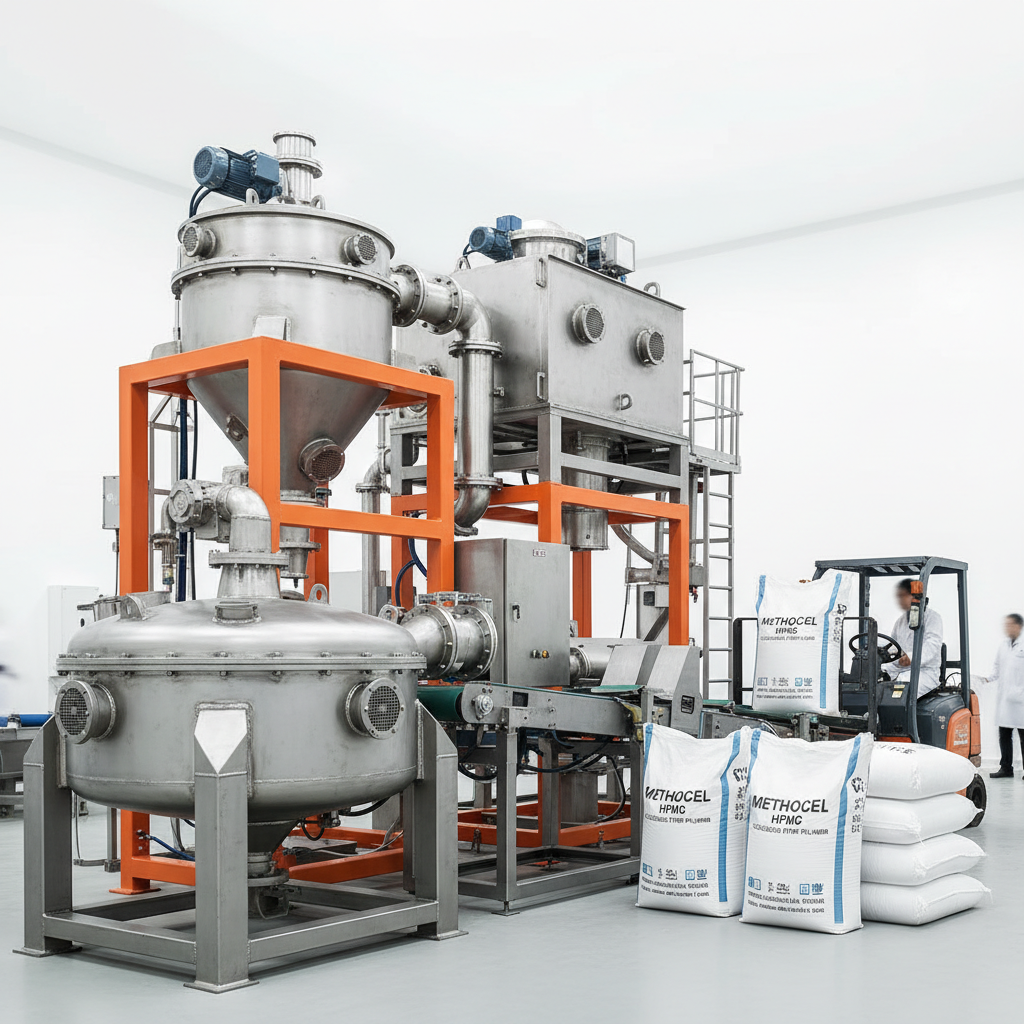
To maintain the purity and effectiveness of HPMC, strict handling protocols must be followed during the manufacturing process. Because it is a fine powder, minimizing dust generation in closed settings is essential to mitigate potential explosive risks, and operators are advised to wear appropriate protective gear.
Storage conditions play a critical role in preventing product degradation. HPMC must be kept in a dry, well-ventilated area, shielded from direct sunlight and moisture. Any exposure to humidity can lead to premature clumping, which would compromise the dispersibility of the powder in cosmetic batches.
Packaging is also optimized for stability, typically utilizing 25 kg polypropylene bags lined with polyethylene. This double-layer protection ensures that the material remains sealed and intact during transit, protecting it from rain and extreme weather elements to ensure consistent quality upon arrival at the factory.
Future Innovations in Cellulose-Based Cosmetics
The future of cosmetic formulation is leaning heavily toward "Green Chemistry" and sustainable sourcing. As a cellulose derivative, HPMC fits perfectly into this trend, offering a biodegradable alternative to petroleum-based synthetic polymers. We are seeing a rise in the demand for "clean label" products where HPMC's natural origin is a key marketing advantage.
Digital transformation in the lab is also optimizing how HPMC is used. Computational modeling now allows chemists to predict the exact viscosity of a gel based on the molecular weight of the HPMC used, reducing waste and accelerating the R&D cycle for new product launches.
Looking ahead, the integration of HPMC with nanotechnology may allow for the creation of "smart" delivery systems. In these systems, HPMC could act as a controlled-release matrix, slowly releasing active vitamins or antioxidants into the skin over several hours, thereby increasing the overall efficacy of the treatment.
Analysis of HPMC Functional Performance in Different Cosmetic Categories
| Product Category |
Primary Function |
Viscosity Score (1-10) |
Skin Feel Rating |
| Hydrating Serums |
Thickening & Clarity |
8 |
Smooth |
| Facial Creams |
Emulsification |
9 |
Rich |
| Liquid Foundation |
Pigment Dispersion |
7 |
Velvety |
| Body Lotions |
Moisture Retention |
6 |
Lightweight |
| Eye Gels |
Gelation & Cooling |
10 |
Refreshing |
| Toothpaste |
Binding Agent |
9 |
Consistent |
FAQS
HPMC is primarily used as a thickening agent, stabilizer, and emulsifier. It helps in creating consistent textures for creams and gels, ensures that oil-and-water mixtures remain stable, and provides a film-forming effect that helps the skin retain moisture. Its non-toxic nature also makes it suitable for sensitive skin products.
Yes, HPMC is recognized as safe by the FDA and FAO/WHO. It is non-irritating to the skin and mucous membranes and has no caloric value. Its non-ionic property means it is less likely to react with other ingredients or cause adverse reactions on the skin, making it ideal for daily-use beauty products.
HPMC improves texture by increasing the viscosity of the formula, creating a smooth and homogeneous consistency. It prevents the separation of ingredients (syneresis) and ensures a uniform spread across the skin. Because it can form transparent solutions, it allows for a clean, professional aesthetic in gels and serums.
Since HPMC is derived from natural cellulose, it is often preferred over synthetic petroleum-based polymers in clean beauty formulations. While the chemical processing is rigorous, its biodegradability and natural origin align with the sustainability goals of many organic brands.
HPMC should be stored in a cool, dry, and well-ventilated area. It is critical to keep the product away from direct sunlight and moisture to prevent clumping. It is typically packaged in moisture-proof polypropylene bags with polyethylene linings to ensure long-term stability.
To avoid lumps (fish-eyes), HPMC can be dispersed in a cold water phase before heating or mixed using high-shear equipment. Pre-mixing it with a small amount of glycerin or another solvent before adding water can also ensure a more uniform dispersion and a smoother final texture.
Conclusion
In summary, hydroxypropyl methylcellulose (HPMC) serves as a vital multipurpose ingredient that enhances the stability, texture, and safety of a vast array of cosmetic products. From its role as a non-irritating thickener to its ability to provide long-term moisture retention, HPMC solves many of the technical challenges faced by cosmetic chemists. Its adherence to global safety standards and its natural cellulose origin make it a sustainable and reliable choice for brands aiming to deliver high-performance skincare and beauty solutions.
As the industry moves toward greener chemistry and more personalized skincare, the importance of versatile polymers like HPMC will only grow. By optimizing application methods and embracing innovative delivery systems, manufacturers can continue to elevate the consumer experience while maintaining strict safety and environmental standards. To learn more about high-quality HPMC for your formulations, visit our website: www.sshbhpmc.com.