In the modern industrial landscape, the quest for high-performance additives has led to the widespread adoption of cellulose ethers. Among these, one of the most versatile compounds is a non-ionic cellulose ether derived from natural cellulose through a rigorous series of chemical processes, serving as a cornerstone for stability in various formulations.
Understanding the chemical nature and functional properties of this additive is essential for professionals in construction, pharmaceuticals, and food science. Its ability to transform into a transparent viscous solution when dissolved in cold water makes it an indispensable tool for managing consistency and durability in high-stress environments.
Whether you are looking to improve the plasticity of mortar or seeking a non-toxic stabilizer for cosmetics, knowing what is hydroxypropyl methyl cellulose allows you to optimize product performance and ensure long-term structural integrity in your projects.
Chemical Composition and Nature of HPMC
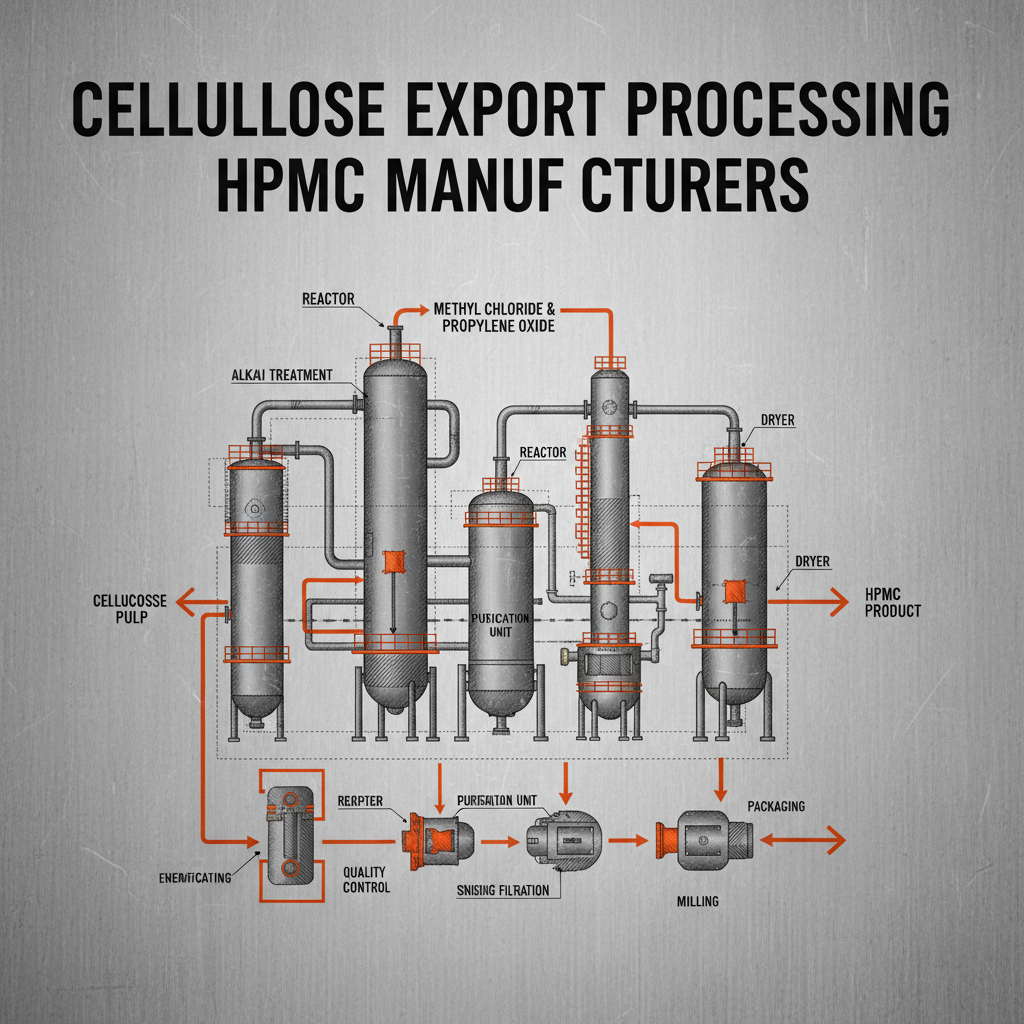
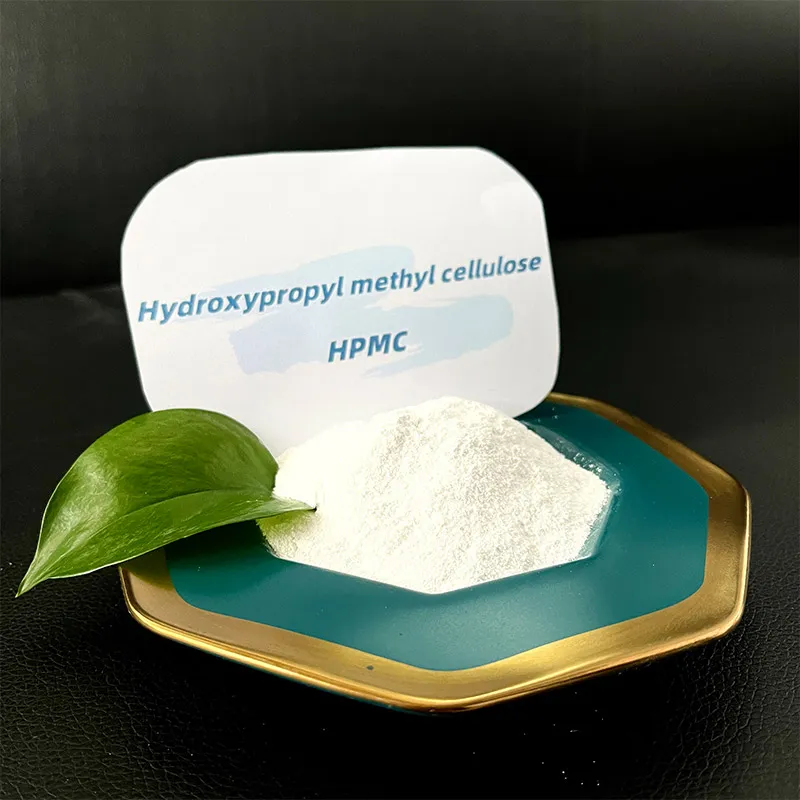
To understand the chemical basis of this material, one must look at its origin as a non-ionic cellulose ether. It is produced from natural cellulose through a sophisticated series of chemical reactions that modify the cellulose backbone, resulting in a white powder that is entirely odorless and tasteless.
This unique chemical structure ensures that the product remains non-toxic and safe for a diverse array of applications. Its most striking physical characteristic is the ability to dissolve readily in cold water, which creates a transparent, viscous solution that serves as the foundation for its thickening and stabilizing capabilities.
Core Functional Properties of Cellulose Ethers
The versatility of this compound stems from its broad range of functional properties. Primarily, it acts as an exceptional thickener and adhesive, allowing manufacturers to control the viscosity of liquids and ensure that components stick together effectively during the application phase.
Beyond simple thickening, it provides critical dispersion and emulsification capabilities. This ensures that ingredients within a mixture are evenly distributed, preventing clumps and ensuring a homogenous product, which is vital for both industrial chemical blends and pharmaceutical formulations.
Furthermore, its film-forming and gelation properties allow it to create protective layers or stable gels. These attributes, combined with high surface activity and moisture retention, make it a multi-functional additive that can be tailored to meet the specific needs of different industrial sectors.
Application in Modern Construction Materials
In the construction sector, the question of what is hydroxypropyl methyl cellulose is answered through its role in enhancing building material quality. When integrated into cement-sand slurry, it significantly boosts dispersibility, which directly leads to improved plasticity and superior water retention in mortar.
This moisture retention is not merely a convenience but a structural necessity; by preventing the rapid evaporation of water, it stops the mortar from drying too quickly, thereby reducing the risk of cracking and extending the overall stability and lifespan of the building.
For ceramic tile mortars, the impact of what is hydroxypropyl methyl cellulose is even more evident. It improves adhesion and plasticity, ensuring that tiles bond securely to the surface without the common issue of powdering, which ensures longevity and professional finish.
Comparative Performance in Industrial Settings
When analyzing performance, the effectiveness of this cellulose ether is measured by its ability to maintain stability under varying conditions. Its non-ionic nature allows it to remain compatible with various other additives without causing adverse chemical reactions, ensuring a stable final product.
The following data illustrates how different grades of this material perform across key industrial metrics, highlighting its superiority in water retention and adhesion compared to standard alternatives.
Industrial Performance Metrics for HPMC Grades
Safety Regulations and Health Compliance
Safety is a paramount concern for any chemical additive. This cellulose ether is recognized globally as a non-toxic food additive that is safe for human consumption, possessing no caloric value and exhibiting no irritation to the skin or mucous membranes.
Strict compliance with international standards is maintained, with guidelines from the FDA and FAO/WHO setting the daily allowable intake at 25mg/kg. This rigorous certification provides assurance for its use in pharmaceuticals, food production, and high-end cosmetics.
Storage Protocols and Handling Precautions
While the product is inherently safe, professional handling is required to prevent industrial accidents. Due to the nature of the fine powder, it is essential to minimize dust generation in closed settings to mitigate the risk of dust explosions, and workers should always wear appropriate protective gear.
Exposure to fire sources must be strictly avoided during the handling and mixing process. Ensuring a clean, controlled environment prevents contamination and maintains the purity of the additive, which is critical for maintaining the intended viscosity and chemical activity.
Storage requirements are specific: the material must be kept in a dry, well-ventilated area. It is imperative to shelter the product from direct sunlight and moisture, as humidity can cause the powder to clump or degrade, compromising its performance in the final application.
Logistics and Packaging Standards
Transporting high-grade cellulose ethers requires careful attention to weather elements. Because the material is sensitive to moisture, transportation protocols must include protection from rain and humidity to ensure the product arrives at the destination in an optimal, free-flowing state.
Packaging is designed for maximum protection and stability. The product is typically packed in 25 kg bags made of durable polypropylene, which are further lined with polyethylene to create a moisture-proof seal, ensuring the powder remains intact until it is opened for use.
This standardized packaging not only facilitates efficient shipping and warehousing but also protects the chemical integrity of the additive. By adhering to these strict logistics standards, manufacturers guarantee that the end-user receives a product that meets all technical specifications.
Summary of Logistics and Packaging Specifications for HPMC
| Packaging Component |
Material Used |
Unit Weight |
Protection Level |
| Outer Bag |
Polypropylene |
25 kg |
High Durability |
| Inner Lining |
Polyethylene |
Integrated |
Moisture-Proof |
| Transport Mode |
Weather-Shielded |
N/A |
Rain Protection |
| Storage Area |
Ventilated Warehouse |
N/A |
Sun-Shielded |
| Sealing Method |
Industrial Heat Seal |
N/A |
Airtight |
| Handling Gear |
Protective PPE |
N/A |
Dust Mitigation |
FAQS
Hydroxypropyl methyl cellulose (HPMC) is a non-ionic cellulose ether derived from natural cellulose through chemical processing. It appears as a white, odorless, and tasteless powder that can dissolve in cold water to form a transparent viscous solution, providing thickening, adhesion, and water-retention properties.
HPMC enhances water retention within the mortar mix. By slowing down the rate of water evaporation, it ensures that the cement hydrates properly and consistently, which prevents the shrinkage and cracking that typically occur when mortar dries too quickly.
Yes, HPMC is recognized as a non-toxic food additive. It has no caloric value and is non-irritating to the skin and mucous membranes. It is compliant with FDA and FAO/WHO guidelines, with a designated safe daily intake of 25mg/kg.
In tile adhesives, HPMC improves the plasticity and adhesion of the material. This ensures that the tiles bond more strongly to the substrate and prevents the adhesive from "powdering," which significantly increases the longevity of the tiling work.
It should be stored in a cool, dry, and well-ventilated area, completely sheltered from direct sunlight and moisture. Because it is a fine powder, keeping it in a sealed environment is crucial to prevent clumping and maintain its solubility.
While non-toxic, the powder can create dust in enclosed spaces, which poses a potential explosive risk if exposed to fire sources. It is recommended to wear protective gear and ensure proper ventilation during the mixing process.
Conclusion
Hydroxypropyl methyl cellulose stands as a pinnacle of chemical versatility, bridging the gap between natural cellulose and high-performance industrial application. From its essential role in preventing structural cracks in construction to its safety-certified use in pharmaceuticals and food, its ability to provide thickening, adhesion, and moisture retention makes it an indispensable additive for modern manufacturing.
As industries move toward more sustainable and safe materials, the reliance on non-toxic, high-efficiency compounds like HPMC will only grow. By strictly adhering to proper handling and storage protocols, businesses can unlock the full potential of this cellulose ether to enhance product durability and performance. For more information or to procure high-quality additives, visit our website: www.sshbhpmc.com