In the modern construction landscape, the pursuit of structural integrity and longevity has led to the development of high-performance binders, where the hydroxypropyl methylcellulose function plays a pivotal role. As urban centers expand and architectural demands grow more complex, the need for adhesives that can withstand environmental stress while remaining easy to apply has never been more critical. Understanding how specific polymer additives enhance the properties of tile adhesives is essential for achieving professional-grade results in any renovation project.
The global shift toward sustainable building materials has placed a spotlight on chemical additives that improve efficiency without compromising health. By integrating advanced polymers into rubber powder binders, manufacturers are now able to eliminate harmful volatile organic compounds while simultaneously increasing the adhesive's flexibility. This evolution in material science ensures that modern infrastructure is not only more durable but also safer for the inhabitants and the environment.
One of the most effective ways to optimize tile bonding is by leveraging the hydroxypropyl methylcellulose function to improve the overall application qualities of the binder. When added at precise rates, typically 1-2 kilograms per ton, this additive transforms the synergy between cement, quartz sand, and polymer adhesives, mitigating common failures like cracking and detachment.
The Role of HPMC in Rubber Powder Binders
Rubber Powder represents a significant leap in tile adhesive technology, acting as a sophisticated binder for ceramic tiles. To reach its peak performance, the addition of hydroxypropyl methylcellulose is essential, typically integrated at a rate of 1-2 kilograms per ton. This additive works to refine the texture and stability of the mix, ensuring that the binder adheres perfectly to the substrate.
The synergy created by this integration enhances the application qualities of the powder, making it more workable for the installer. By optimizing the water retention and viscosity of the adhesive, the polymer additive ensures that the bonding process is seamless, reducing the risk of premature drying and improving the overall bond strength between the tile and the wall.
Core Components of High-Performance Tile Adhesives
A robust adhesive matrix is built upon a foundation of high-quality raw materials. In the case of Innovate Rubber Powder, the composition includes high-grade cement, which provides the primary structural strength, and finely graded quartz sand, which ensures dimensional stability and prevents shrinkage during the curing process.
Complementing these minerals is a specially formulated polymer adhesive. This polymer is the "glue" that allows the mixture to remain flexible, preventing the brittle failure common in traditional cement-only mortars. Together, these components create a composite material capable of absorbing thermal expansion and contraction.
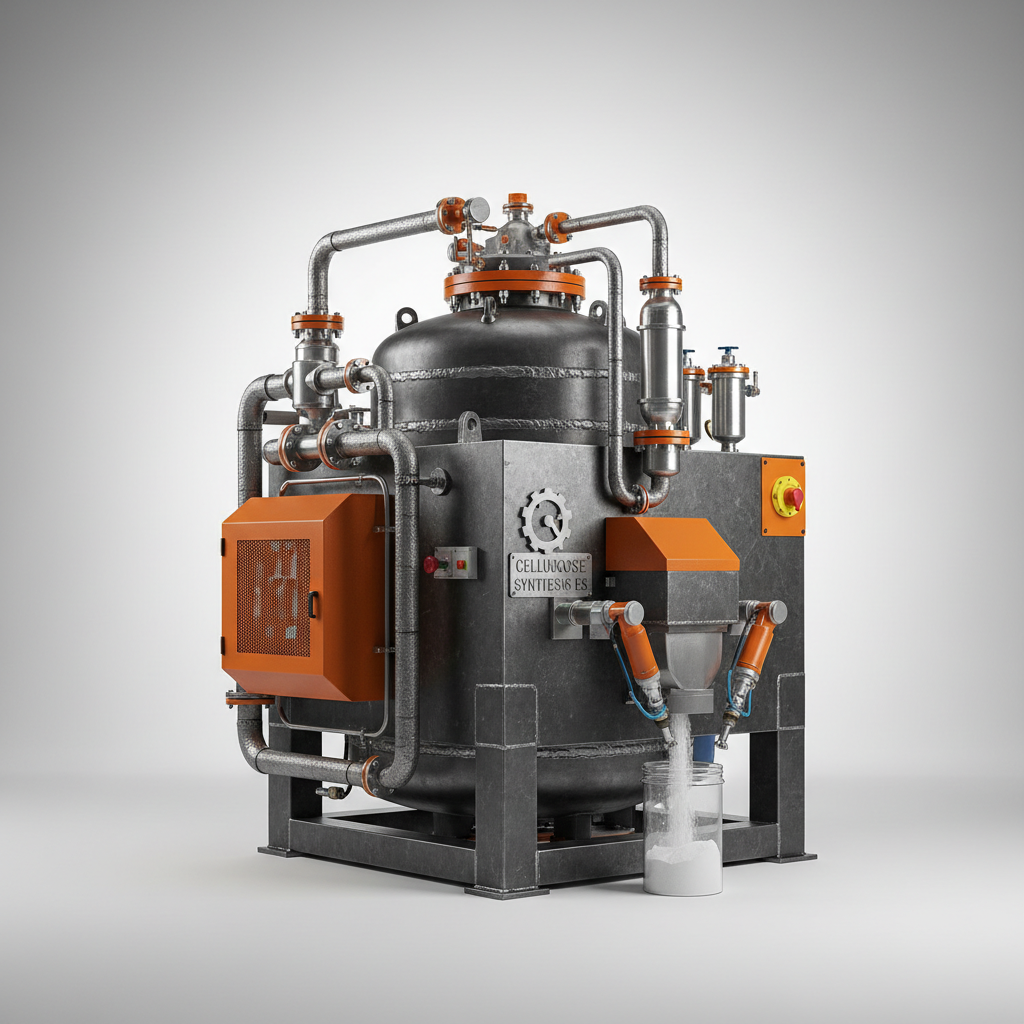
The final touch in this formulation is the precise addition of chemical modifiers. By using precision mixing machines, manufacturers ensure that every gram of additive is evenly distributed, which is critical for maintaining consistent quality across large-scale architectural projects.
Enhancing Application via Hydroxypropyl Methylcellulose Function
The operational efficiency of a tile adhesive is largely determined by the hydroxypropyl methylcellulose function, which regulates the water-to-powder ratio. This ensures that the adhesive maintains a creamy consistency, allowing installers to spread the material evenly across the surface without it sagging or running.
When evaluating the hydroxypropyl methylcellulose function, one must consider how it prevents "hollowing" in tiled surfaces. By controlling the evaporation rate of water, it allows the cement to hydrate fully, creating a denser and more reliable bond that eliminates air pockets between the tile and the substrate.
Ultimately, the hydroxypropyl methylcellulose function provides the necessary "open time" for builders. This allows for the adjustment of tiles to ensure perfect alignment before the adhesive sets, combining industrial strength with the flexibility required for high-end interior design.
Efficiency and Consistency in Mixing Processes
One of the most standout features of Rubber Powder is its sheer versatility. Users can achieve a desired consistency and specific working time simply by adjusting the amount of water mixed with the powder. This adaptability makes the product suitable for a wide range of climates and project scales.
This level of convenience has led many professionals to compare the preparation of Rubber Powder to that of instant coffee. The speed and ease with which it can be mixed and applied significantly reduce labor costs and time on the job site, which is paramount in fast-paced urban construction.
Comparative Performance of Hydroxypropyl Methylcellulose Function
Mitigating Common Architectural Decoration Challenges
Architectural decoration often faces recurring issues such as cracking, hollowing, detachment, and leakage. These problems typically arise from poor adhesion or the inability of the binder to handle thermal stress. Rubber Powder is specifically engineered to address these challenges by creating a robust, flexible adhesive matrix.
By eliminating these vulnerabilities, the integrity and aesthetic appeal of tiled surfaces are preserved over the long term. The combination of high-quality quartz sand and the precision-added polymer modifiers ensures that the tiles remain securely bonded, regardless of the environmental fluctuations they encounter.
Environmental Sustainability and VOC Reduction
In an era where indoor air quality is a primary concern, the environmental profile of Rubber Powder sets it apart from conventional adhesives. The commitment to sustainability is evident in its formulation, which completely avoids the use of harmful substances.
Specifically, the product contains no free formaldehyde, benzene, toluene, or xylene. Furthermore, it is free from volatile organic compounds (VOCs), which means that installers and residents are not exposed to toxic fumes during or after the application process.
This greener approach aligns with global demands for environmentally responsible building materials. Architects and homeowners are increasingly prioritizing products that offer a balance of high performance and ecological safety, making VOC-free binders the industry standard for the future.
Future Outlook for Advanced Chemical Building Materials
The future of chemical building materials lies in the integration of smart additives that can respond to environmental changes. We are seeing a trend toward "intelligent" binders that can self-heal or offer enhanced hydrophobic properties to further prevent leakage in wet areas.
Automation in the manufacturing process is also playing a role, with precision mixing machines becoming more sophisticated to ensure that additives like HPMC are incorporated with zero margin of error. This leads to a more predictable and reliable product for the end-user.
As sustainability policies tighten globally, the shift toward bio-based polymers and the complete elimination of synthetic toxins will accelerate. The industry is moving toward a circular economy where building materials are both durable and fully recyclable.
Comparative Analysis of Rubber Powder Binder Performance
| Performance Metric |
Traditional Cement |
Rubber Powder |
Improvement Value |
| Flexibility |
Low |
High |
8/10 |
| Water Retention |
Poor |
Excellent |
9/10 |
| VOC Emission |
Moderate |
Zero |
10/10 |
| Mix Speed |
Slow |
Instant |
9/10 |
| Anti-Cracking |
Low |
High |
8/10 |
| Durability |
Medium |
Very High |
9/10 |
FAQS
It primarily improves water retention and workability. By regulating the rate at which water is absorbed by the substrate, it prevents the adhesive from drying too quickly, which reduces shrinkage and prevents the common issue of tile hollowing or detachment.
Yes, it is highly safe. The formulation is specifically designed to be environmentally friendly and contains no free formaldehyde, benzene, toluene, xylene, or VOCs, ensuring a healthy indoor air quality for residents.
For optimal performance, it is recommended to add hydroxypropyl methylcellulose at a rate of 1-2 kilograms per ton of Rubber Powder. This specific ratio ensures the perfect balance of flexibility and strength.
Absolutely. One of the key advantages of Rubber Powder is its versatility; users can simply adjust the amount of water added to achieve the specific consistency and working time required for their particular project.
Yes, the combination of polymer adhesives and HPMC creates a flexible matrix that can absorb thermal expansion, significantly reducing the risk of cracking compared to traditional rigid cement mortars.
Rubber Powder is designed for speed and precision. Using specialized mixing machines, it can be prepared almost as quickly as instant coffee, making it far more efficient than traditional hand-mixed mortars.
Conclusion
In conclusion, the integration of high-quality cement, quartz sand, and polymer adhesives, enhanced by the specific hydroxypropyl methylcellulose function, has revolutionized the way we approach tile bonding. By solving critical industry problems such as hollowing and detachment while removing toxic VOCs, Rubber Powder stands as a benchmark for modern, sustainable construction materials.
Looking forward, the continued adoption of these advanced chemical binders will lead to more resilient infrastructure and healthier living environments. We encourage construction professionals and architects to embrace these innovations to ensure the long-term aesthetic and structural quality of their projects. Visit our website: www.sshbhpmc.com