-

Add: HeBei ShengShi HongBang Cellulose Technology CO.,LTD.
-

Email
13180486930@163.com -

CONTACT US
+86 13180486930


Add: HeBei ShengShi HongBang Cellulose Technology CO.,LTD.
CONTACT US
+86 13180486930Look, I've spent the last fifteen years knee-deep in dust and concrete, working with hpmc manufacturers directly on site. It's not about fancy lab reports for me; it's about what actually works when you're battling a deadline, a rainstorm, and a crew that needs solutions, fast. And good hpmc – that's hydroxypropyl methylcellulose to the uninitiated – is the backbone of so much of what we build. We're talking about more than just thickening agents; we're talking about workability, consistency, and ultimately, the success of the project. Finding reliable hpmc manufacturers is critical because, frankly, a bad batch can ruin your day, and potentially the whole build.
The demand for quality hpmc is exploding, globally. Not just in traditional construction, but in pre-fab, 3D-printed housing, and even in specialized applications like repair mortars and self-leveling compounds. The UN estimates a shortfall of millions of housing units globally, and a significant portion of the solution relies on faster, more efficient building techniques. That’s where hpmc comes in. It's enabling technologies that wouldn’t be possible otherwise. We’re facing a challenge: scaling production of consistent, high-performance hpmc to meet this growing need. It's not just about volume, it's about maintaining quality standards when production ramps up.
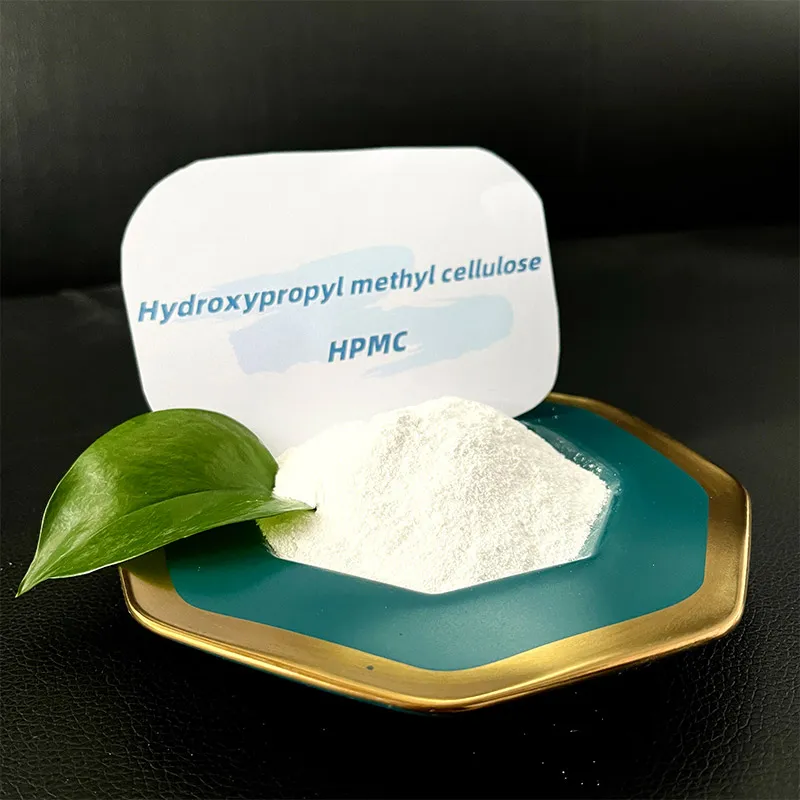
Essentially, hpmc manufacturers are the companies producing this versatile cellulose ether. Think of it as a key ingredient - you wouldn't build a cake without flour, and we don't build reliably without good hpmc. It's derived from cellulose, often wood pulp, and chemically modified to give it unique properties. It’s incredibly important in modern building because it allows us to control the behavior of cementitious materials – how they flow, how long they stay workable, and how strong they ultimately become. From my perspective, finding manufacturers who understand the application of their product, not just the chemistry, is what separates the good ones from the great ones.
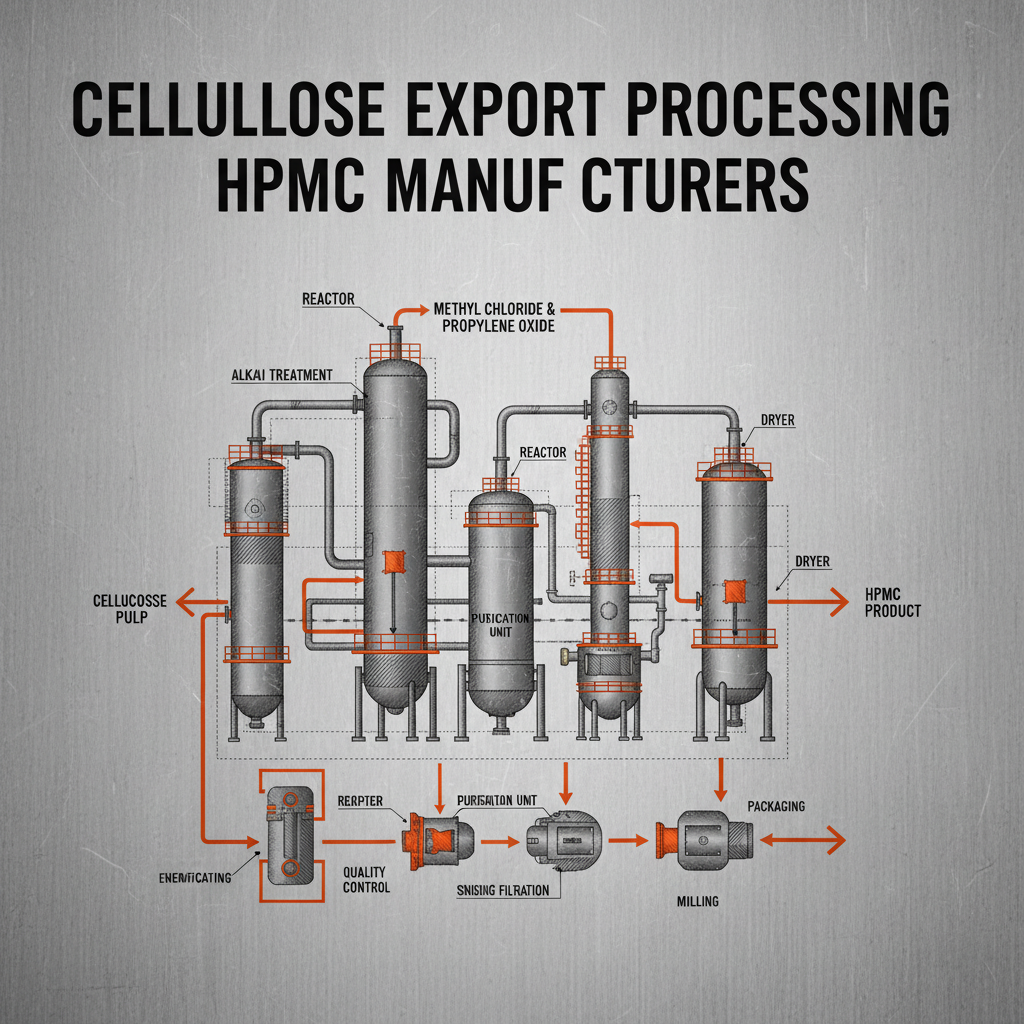
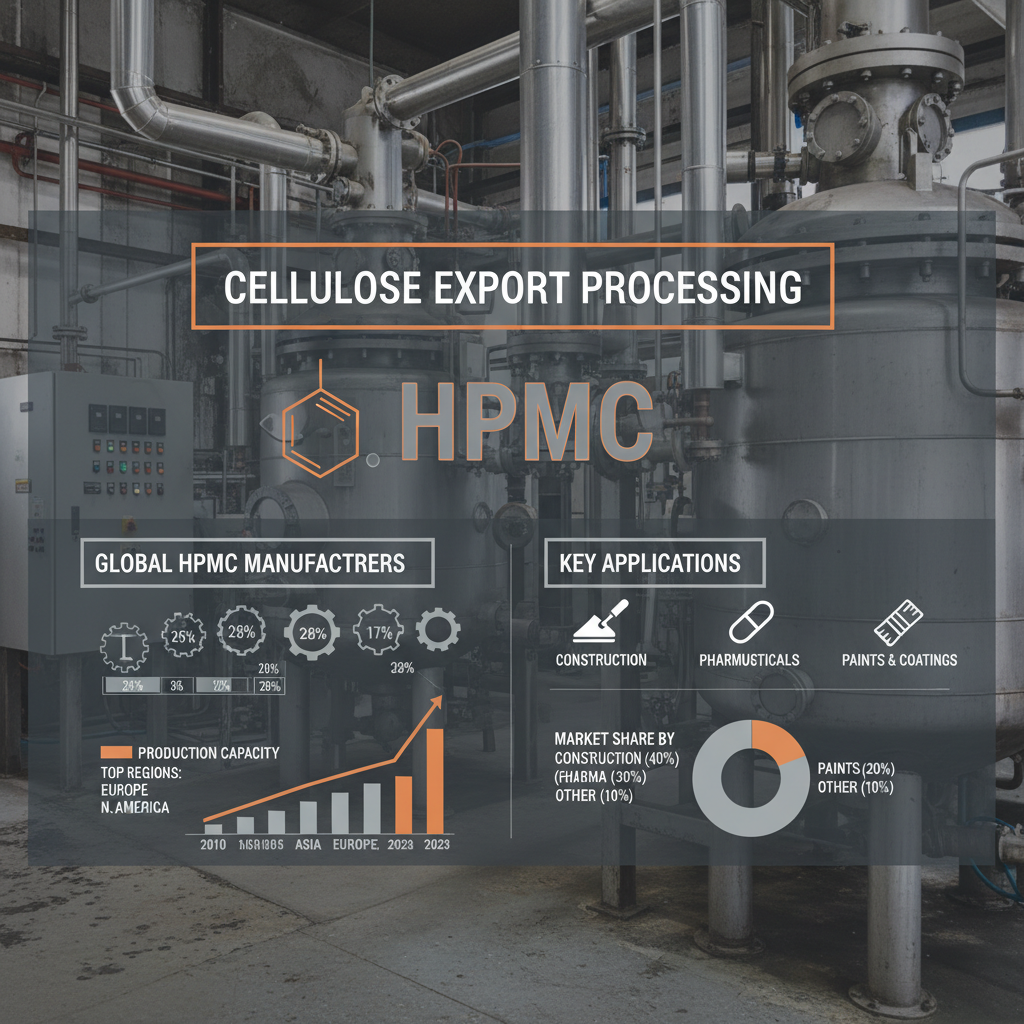
The global construction industry is a multi-trillion dollar market, and hpmc manufacturers are essential to its efficient operation. According to the World Bank, investment in infrastructure is critical for sustainable development, and hpmc plays a role in everything from building affordable housing to upgrading transportation networks. But the challenge isn’t simply scale; it's sustainability. There's increasing pressure to reduce the carbon footprint of construction, and hpmc manufacturers who can demonstrate environmentally responsible production practices are gaining a significant advantage.
We're seeing a real shift in demand toward higher-performing, more specialized hpmc products. Standard grades are becoming less acceptable as projects become more complex and require greater precision. This demands a higher level of technical expertise from hpmc manufacturers, and a willingness to collaborate with engineers and contractors to develop tailored solutions. I've seen too many projects delayed or compromised by using a "one-size-fits-all" approach when it comes to hpmc.
We’re using hpmc everywhere these days. In tile adhesives, it improves open time and prevents sagging. In self-leveling compounds, it controls flow and prevents cracking. In repair mortars, it enhances adhesion and durability. And in pre-cast concrete, it allows for faster demolding and improved surface finish. It’s become a go-to for solving a ton of problems.
I've even seen it used in specialized applications like 3D-printed concrete, where it’s crucial for maintaining the shape of the structure during printing. It’s not just about traditional construction anymore; hpmc is enabling entirely new building techniques.
Investing in high-quality hpmc from reputable hpmc manufacturers isn’t just about short-term cost savings; it’s about long-term value. A more durable and reliable build translates to lower maintenance costs, reduced risk of failure, and a longer lifespan for the structure.
Beyond the purely economic benefits, there’s also a social responsibility aspect. Using high-quality materials contributes to safer and more sustainable buildings. And that’s something we should all be striving for. Trustworthy manufacturers offer more than just product - they provide peace of mind.
Ultimately, good hpmc builds trust, and trust is everything in this industry.
We're seeing a lot of innovation in the hpmc space right now. Manufacturers are exploring new cellulose sources, like agricultural waste, to reduce their environmental footprint. They're also developing new grades of hpmc with enhanced properties, like improved water retention and thermal stability.
Another trend is the development of customized hpmc blends, tailored to specific applications. This allows contractors to optimize performance and reduce material costs. Digitalization is also playing a role, with manufacturers using data analytics to improve production efficiency and quality control.
The future of hpmc manufacturers lies in sustainability, customization, and technological innovation.
| Product Consistency | Technical Support | Sustainability Practices | Supply Chain Reliability |
|---|---|---|---|
| Batch-to-batch variability – minimal deviation is key. | Responsiveness to technical inquiries & on-site support. | Use of renewable resources and reduction of carbon emissions. | Consistent availability of product, even during peak demand. |
| Consistent particle size and distribution for predictable performance. | Ability to provide customized formulations for specific applications. | Waste management and responsible sourcing of raw materials. | Geographic diversity of manufacturing facilities to mitigate risk. |
| Accurate documentation and certification of product properties. | Willingness to collaborate on mix design and troubleshooting. | Investment in environmentally friendly manufacturing processes. | Transparent communication regarding lead times and potential disruptions. |
| Testing protocols to ensure consistency and quality. (Rating: 8/10) | Accessibility of engineers and chemists for technical assistance. (Rating: 9/10) | Compliance with environmental regulations and certifications. (Rating: 7/10) | Robust inventory management and logistics network. (Rating: 8/10) |
| Adherence to industry standards and quality control procedures. (Rating: 9/10) | Availability of training materials and workshops for contractors. (Rating: 6/10) | Commitment to reducing water usage and energy consumption. (Rating: 7/10) | Proactive communication about potential supply chain challenges. (Rating: 7/10) |
| Regular audits and inspections of manufacturing facilities. (Rating: 7/10) | Ability to tailor products to meet unique project requirements. (Rating: 8/10) | Transparent reporting of environmental performance data. (Rating: 6/10) | Strong relationships with raw material suppliers. (Rating: 8/10) |
Without a doubt, it’s underdosing. Guys try to save a few bucks and use less than recommended, thinking it won’t make a difference. It always makes a difference – usually a bad one. You end up with poor workability, segregation, and reduced strength. Following the manufacturer's dosage guidelines is critical. hpmc manufacturers have spent years perfecting those recommendations.
Temperature is a big factor. Higher temperatures can accelerate hydration, reducing the open time of the mix. This is where the right grade of hpmc, with good water retention, becomes even more important. Conversely, colder temperatures can slow down hydration, potentially requiring a different dosage rate. Always consider the ambient temperature when designing your mix.
No. Water quality matters. Highly chlorinated water or water with a high mineral content can interfere with the performance of hpmc. Ideally, you want to use potable water that meets local drinking water standards. If you're unsure, it’s always best to test the water before using it in your mix.
That depends on the application. Different grades have different properties, like varying levels of water retention, thickening, and substitution. A good hpmc manufacturer will be able to help you select the right grade based on your specific needs. Provide them with details about your mix design, the application, and the environmental conditions.
Hpmc is derived from cellulose, a renewable resource, which is a good start. However, the manufacturing process can still have an environmental impact. Look for manufacturers who are committed to sustainable practices, like using responsibly sourced cellulose and minimizing waste. The push towards utilizing agricultural waste as a source is a very positive step.
Overmixing can sometimes lead to a loss of viscosity and reduce the effectiveness of the hpmc. The key is to follow the manufacturer's instructions carefully. Typically, you want to add the hpmc to the water and allow it to fully hydrate before adding it to the dry ingredients. Avoid prolonged, high-shear mixing once the hpmc is in the mix.
So, there you have it. hpmc manufacturers are far more than just suppliers; they're crucial partners in building a better, more sustainable future. From improving the workability of concrete to enabling innovative construction techniques, hpmc is an indispensable ingredient in modern construction. Choosing the right manufacturer, understanding the key properties of hpmc, and following best practices will ultimately lead to higher-quality, more durable, and more cost-effective projects.
The industry is evolving rapidly, with a growing focus on sustainability and innovation. I encourage you to stay informed about the latest developments in hpmc technology and to work closely with your suppliers to develop tailored solutions for your specific needs. Visit www.sshbhpmc.com to learn more and connect with a trusted partner in hpmc manufacturing.