The chemical construction industry is constantly evolving to find additives that balance performance with environmental sustainability. Among the most discussed solutions is the strategic application of starch ether, a refined white powder derived from natural plant sources that has gained prominence for its ability to modify the rheology of various construction mixtures. Understanding the nuances of hydroxypropyl methylcellulose use and its functional alternatives allows manufacturers to optimize their product consistency and operational efficiency.
On a global scale, the demand for high-performance thickeners is driven by the need for materials that can withstand extreme environmental conditions while reducing material waste. Starch ether meets these challenges through a sophisticated process of etherification and spray drying, resulting in a product that avoids the use of plasticizers. This makes it an ideal candidate for industries that prioritize purity and rapid thickening without sacrificing the structural integrity of the final application.
By exploring the intersection of nature and technology, professionals can unlock new ways to enhance water retention and sag resistance in building materials. Whether you are comparing it to traditional hydroxypropyl methylcellulose use or integrating it as a primary additive, the goal remains the same: achieving a high-performance, eco-friendly formulation that ensures long-term stability and reliability in the field.
The Composition and Nature of Starch Ether
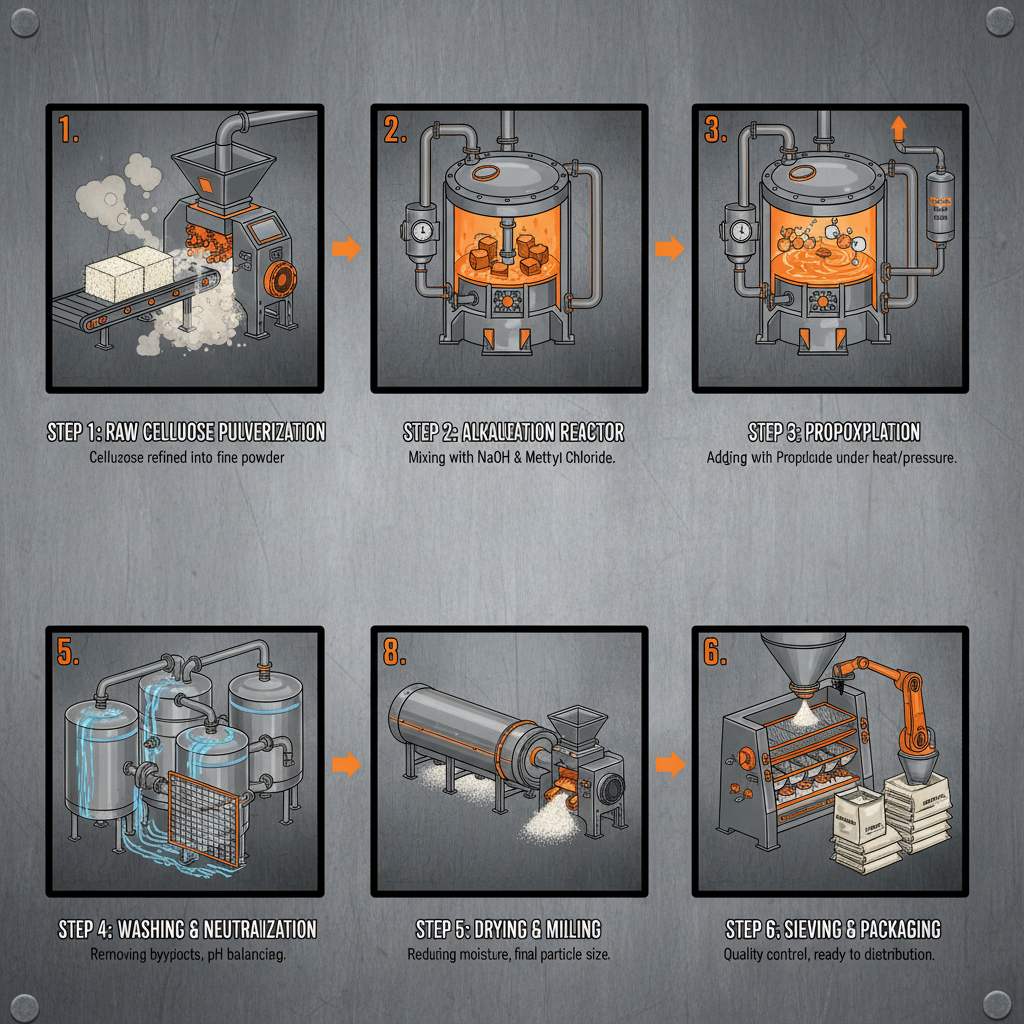
Starch ether is a highly refined white powder engineered from natural plant sources, serving as a critical additive in modern chemical formulations. Unlike many synthetic polymers, it undergoes a sophisticated modification process involving substantial etherification reactions followed by spray drying. This precise manufacturing route ensures a consistent particle size and high purity, removing the need for plasticizers and making it an appealing choice for those who typically evaluate hydroxypropyl methylcellulose use for similar thickening purposes.
The inherent nature of starch ether allows it to integrate seamlessly into various industrial sectors, including pharmaceutical, food, and construction. By leveraging natural derivatives and transforming them into high-performance materials, it bridges the gap between organic raw materials and the stringent technical requirements of modern engineering. Its absence of harmful plasticizers ensures that the end products are safer for both the operators and the end-users.
Rapid Thickening and Functional Utility
One of the primary features of starch ether is its remarkable capacity for rapid thickening. In many industrial settings, the ability to quickly transform a mixture's consistency is vital for production efficiency. This rapid reaction allows manufacturers to reduce mixing times and accelerate the transition from raw liquid to a workable paste, which is a key performance metric when comparing it to the standard hydroxypropyl methylcellulose use in time-sensitive applications.
This functional utility is particularly valuable in scenarios where stability must be achieved almost instantaneously. By providing an immediate increase in viscosity, starch ether prevents the separation of components during the initial stages of mixing. This ensures that the chemical composition remains homogeneous, which is critical for the quality and predictability of the final product, whether it is a construction mortar or a pharmaceutical gel.
Furthermore, the efficiency of this thickening process means that quality is not compromised for the sake of speed. The sophisticated etherification ensures that the thickening is uniform throughout the batch, eliminating the risk of lumps or uneven consistency. This reliability allows production managers to optimize their workflows and increase throughput without investing in expensive new mixing equipment.
Water Retention and Viscosity Balance
Starch ether boasts a medium viscosity that creates a perfect balance for versatility across different applications. This balance is essential for ensuring that the material is neither too fluid to maintain shape nor too thick to be applied efficiently. When professionals analyze hydroxypropyl methylcellulose use, they often look for this same equilibrium to ensure optimal workability.
The effectiveness of starch ether is most evident in its ability to retain water. Proper water retention is essential for materials that require moisture content for stability or performance during the curing process. By holding onto water more effectively, it prevents premature drying and cracking, which are common failure points in construction materials and industrial coatings.
Because the thickening and water retention characteristics are so efficient, only a small amount of starch ether is necessary to achieve the desired effect. This low addition level not only contributes to significant cost savings for the manufacturer but also minimizes the overall environmental footprint of the production process, offering a sustainable alternative to traditional hydroxypropyl methylcellulose use strategies.
Sag Resistance and Structural Integrity
A critical advantage of starch ether is its ability to significantly enhance the inherent sag resistance of materials. In industries such as construction, materials are often prone to gravitational flow or "slumping" after application. Starch ether provides an anti-current hanging ability that allows products to maintain their formulated shape during both storage and application, ensuring a professional finish and structural reliability.
By mitigating the risk of separation or settling, starch ether ensures that the end products deliver consistent results throughout their shelf life. This integrity is vital for consumer satisfaction, as it prevents the degradation of product performance over time. When compared to the typical hydroxypropyl methylcellulose use, starch ether offers a robust solution for maintaining the vertical stability of heavy-duty pastes and coatings.
Comparative Performance Ratings for Thickening Agents
Lubricity and Operational Efficiency
Another prominent advantage of starch ether is its exceptional lubricity. This property improves the operational performance of materials, creating a smoother workflow during the processing phase. In manufacturing settings where machinery is operated continuously, the addition of starch ether reduces friction, leading to increased efficiency and a notable decrease in wear and tear on expensive equipment.
The smooth handling facilitated by this lubricity not only boosts productivity rates but also enhances the user experience for operators. It makes the material easier to work with, preventing undesired sticking or clumping during the application process. This operational ease is a significant benefit when optimizing the hydroxypropyl methylcellulose use in high-volume industrial environments.
Sustainability and Eco-Friendly Formulation
As global industries shift toward green chemistry, starch ether stands out as a reliable ingredient that adheres to eco-conscious practices. Because it is derived from natural plant sources and requires low addition levels to be effective, it significantly reduces the chemical load in industrial formulations. This commitment to sustainability makes it a preferred choice for manufacturers aiming to innovate while maintaining environmental responsibility.
The reduction in raw material consumption, coupled with the absence of plasticizers, helps companies lower their carbon footprint and meet stringent environmental regulations. By replacing synthetic thickeners with this plant-based alternative, industries can move toward a circular economy without sacrificing the technical performance typically associated with hydroxypropyl methylcellulose use.
Furthermore, the biodegradable nature of plant-derived ethers ensures that the end-of-life impact of the products is minimized. This holistic approach to sustainability—from sourcing and manufacturing to the eventual disposal of the product—positions starch ether as a cornerstone of modern, responsible formulation chemistry.
Industrial Versatility and Multi-Sector Application
The multifaceted benefits of starch ether position it as an integral component across various diverse industries. Its combination of rapid thickening, moderate viscosity, and moisture retention makes it equally effective in the construction of high-rise buildings as it is in the formulation of personal care products. This versatility allows a single additive to solve multiple engineering challenges across different platforms.
In the pharmaceutical sector, the purity of starch ether ensures that it meets health standards, while in the construction industry, its sag resistance ensures that mortars and adhesives stay in place. This wide-ranging utility demonstrates that the principles of hydroxypropyl methylcellulose use can be expanded and enhanced through the application of starch ether technology.
As industries continue to evolve, the demand for innovative solutions that reflect both quality and sustainability will only grow. Starch ether exemplifies the intersection of nature and technology, transforming simple plant derivatives into functional, high-performance materials that drive progress in numerous fields of modern product development.
Analysis of Starch Ether Performance Across Industrial Dimensions
| Industrial Sector |
Primary Function |
Key Benefit |
Efficiency Score |
| Construction |
Sag Resistance |
Prevents slumping in mortar |
9.5 |
| Pharmaceutical |
Thickening |
Plasticizer-free purity |
9.0 |
| Personal Care |
Lubricity |
Smooth application feel |
8.5 |
| Food Industry |
Consistency |
Rapid texture modification |
8.8 |
| Industrial Coatings |
Water Retention |
Reduced cracking risk |
9.2 |
| Adhesives |
Viscosity Control |
Improved bond stability |
8.7 |
FAQS
Starch ether offers a plant-derived, plasticizer-free alternative that emphasizes rapid thickening and exceptional sag resistance. While both are used for viscosity control, starch ether often requires lower addition levels to achieve similar water retention, making it a more cost-effective and sustainable option for specific industrial formulations.
Yes, because it is derived from natural plant sources and undergoes a refined modification process without the use of plasticizers, it is highly suitable for the food and pharmaceutical sectors. Its ability to provide rapid thickening and stable viscosity makes it an ideal additive for these sensitive industries.
Anti-current hanging, or sag resistance, prevents materials like mortar or adhesives from flowing downward due to gravity after they have been applied to a vertical surface. This ensures that the product maintains its shape, leading to better structural integrity and a higher quality professional finish.
Yes, one of the standout features of starch ether is its exceptional lubricity. By reducing friction within the mixture, it ensures a smoother workflow and decreases the mechanical stress on machinery, which ultimately leads to lower maintenance costs and longer equipment lifespans.
Absolutely. Being a plant-based derivative that requires low dosage levels, it helps manufacturers reduce their overall chemical footprint. Its biodegradable nature and the absence of synthetic plasticizers align with global sustainability goals and green chemistry standards.
Rapid thickening allows for a quicker transition from raw materials to a finished, workable consistency. This reduces the total mixing time required for each batch, allowing factories to increase their production throughput without needing to upgrade their physical machinery.
Conclusion
In summary, starch ether represents a sophisticated leap in additive technology, offering a potent combination of rapid thickening, water retention, and sag resistance. By utilizing natural plant derivatives and eliminating plasticizers, it provides a high-performance alternative to conventional hydroxypropyl methylcellulose use, ensuring that industrial products maintain their integrity while reducing operational costs. The addition of exceptional lubricity further enhances manufacturing efficiency, making it a versatile tool for the construction, pharmaceutical, and personal care sectors.
Looking forward, the continued adoption of such eco-friendly and efficient materials will be paramount as industries strive for a balance between high technical standards and environmental stewardship. Manufacturers who integrate these advanced ethers into their formulations will not only see immediate gains in product quality but will also be better positioned to meet the growing global demand for sustainable chemistry. To explore how these solutions can optimize your specific production needs, visit our website: www.sshbhpmc.com.