The evolution of modern construction materials has led to the development of advanced binders that ensure the longevity of architectural surfaces. Among these, the strategic integration of additives plays a pivotal role in enhancing the mechanical properties of adhesives, particularly when considering the specific hpmc use in tile bonding systems. By optimizing the chemical matrix, professionals can achieve superior adhesion and durability.
Global demand for sustainable and efficient building materials has surged as urbanization accelerates across Asia and Europe. The challenge lies in preventing common structural failures such as cracking, hollowing, and detachment, which often plague traditional tiling methods. Addressing these issues requires a precise understanding of how polymer additives interact with cementitious bases to provide the necessary flexibility and water retention.
Innovative solutions, such as Rubber Powder, demonstrate how a synergistic blend of high-quality cement, quartz sand, and polymer adhesives can revolutionize the industry. A critical component of this success is the precise hpmc use, typically added at a rate of 1-2 kilograms per ton, to elevate application qualities and ensure a seamless finish in diverse environmental conditions.
The Fundamental Role of HPMC Use in Binders
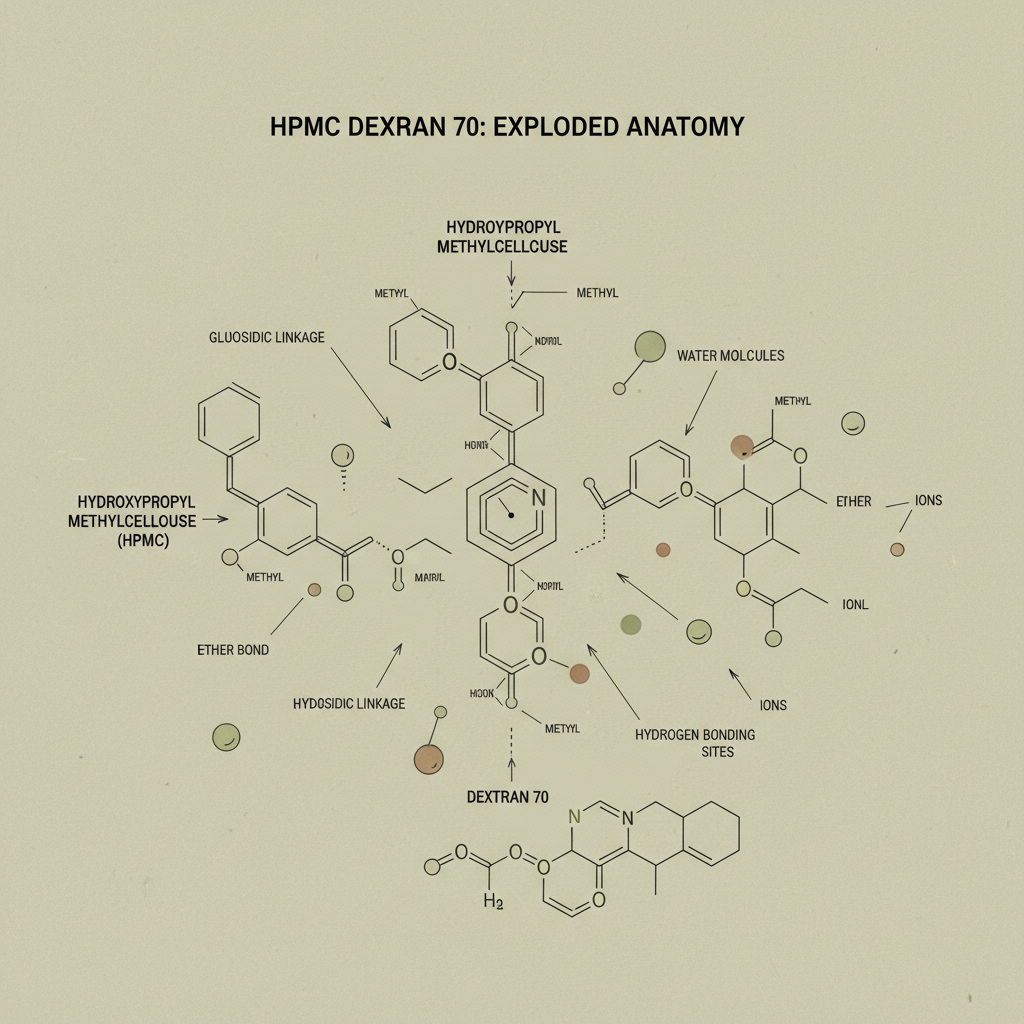
In the context of Rubber Powder and other high-performance tile adhesives, the hpmc use is fundamental to achieving the correct rheology. By acting as a water-retaining agent, hydroxypropyl methylcellulose prevents the adhesive from drying too quickly, which is essential for the proper hydration of cement particles.
This precision in formulation ensures that the binder remains workable for a longer period, allowing installers to adjust tiles accurately. The addition of 1-2 kg per ton transforms a standard mixture into a professional-grade adhesive that resists shrinkage and promotes a stronger bond between the substrate and the ceramic tile.
Mechanical Synergy and Material Composition
The efficacy of a modern tile binder relies on the synergistic interaction between its core components. Rubber Powder utilizes a sophisticated blend of high-quality cement and finely graded quartz sand, which provide the structural skeleton and compressive strength required for heavy-duty architectural applications.
To bridge the gap between rigidity and flexibility, a specially formulated polymer adhesive is integrated into the matrix. This polymer, combined with the precise hpmc use, creates a robust adhesive matrix that can absorb minor structural shifts without fracturing, thereby increasing the overall lifespan of the installation.
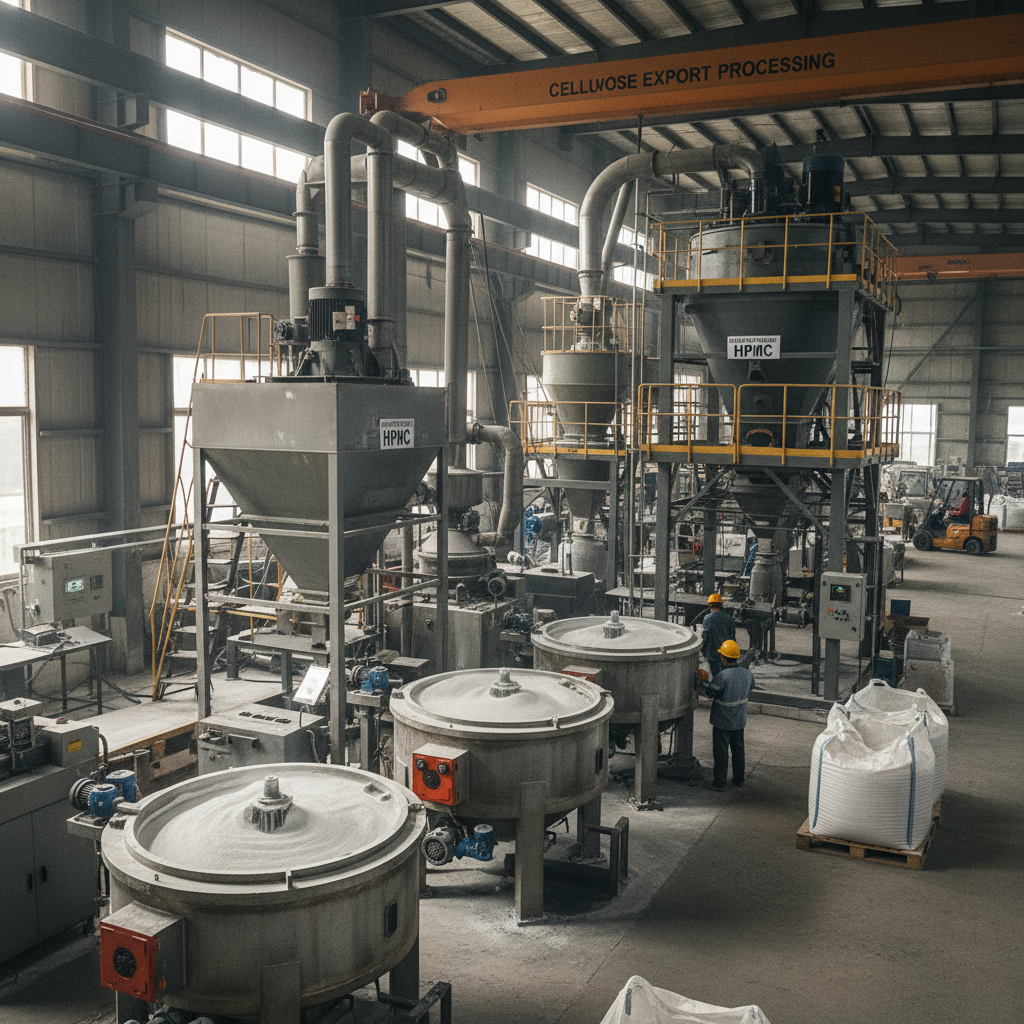
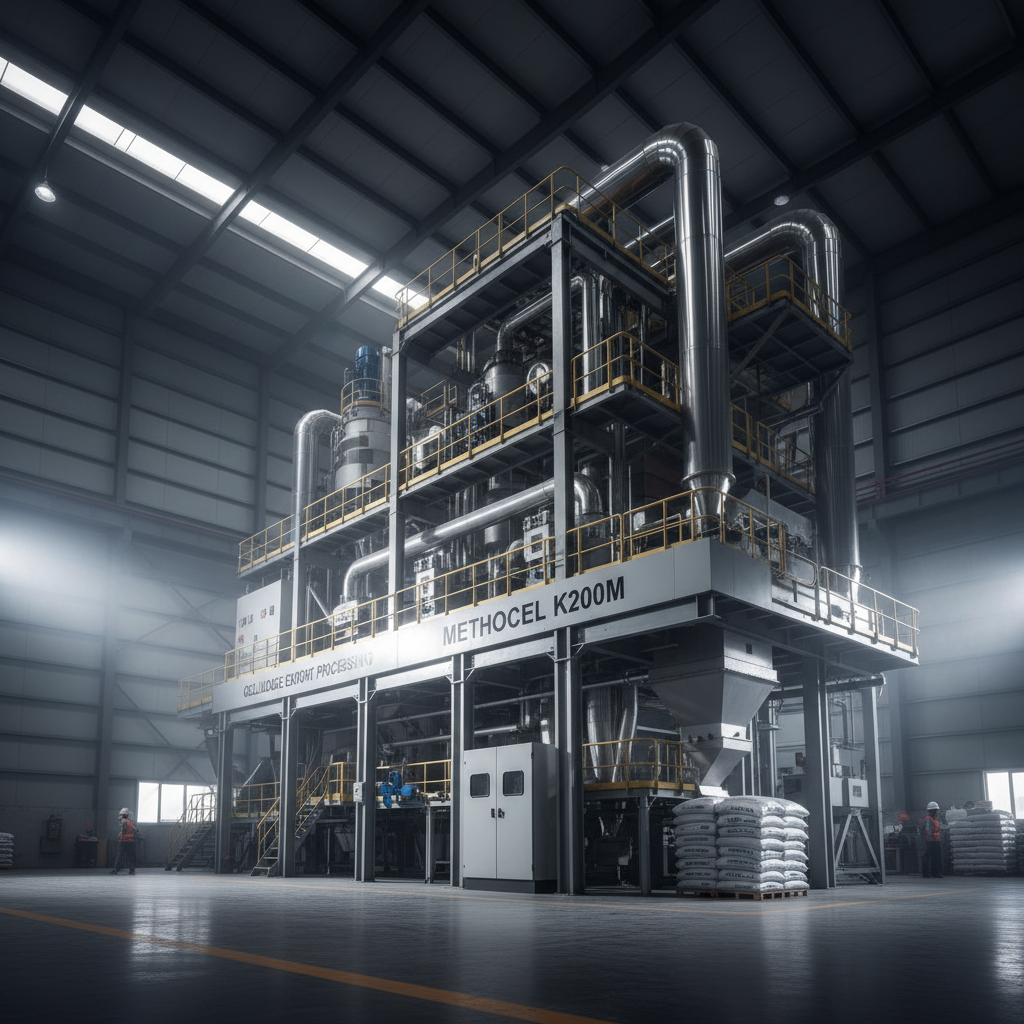
The blending process is conducted via precision mixing machines to ensure that every gram of additive is evenly distributed. This meticulous approach eliminates weak spots in the adhesive layer, ensuring that the flexibility and effectiveness are consistent across the entire surface area of the project.
Tackling Architectural Decoration Challenges
Architectural decoration often faces recurring failures such as cracking and hollowing. These issues are typically caused by the lack of elasticity in the binder or poor water retention during the curing phase. The strategic hpmc use addresses these flaws by maintaining moisture levels and reducing the risk of rapid evaporation.
Furthermore, detachment and leakage are critical concerns in wet areas like bathrooms and kitchens. By incorporating Rubber Powder and optimizing the hpmc use, the resulting adhesive matrix becomes significantly more cohesive, creating a tight seal that prevents water ingress and ensures the tiles remain firmly attached to the wall or floor.
Ultimately, the goal is to preserve both the integrity and the aesthetic appeal of the tiled surfaces. When the chemical composition is balanced, the risk of "hollow" sounds—a sign of air pockets between the tile and the wall—is virtually eliminated, providing a solid, high-quality finish that meets modern construction standards.
Efficiency and Adaptability in Application
One of the most standout features of Rubber Powder is its extreme versatility. Users can simply adjust the amount of water mixed with the powder to achieve a desired consistency and working time. This adaptability makes it suitable for a wide range of project scales, from small residential renovations to massive commercial complexes.
The convenience of this system has led many professionals to compare the preparation process to making instant coffee. This efficiency is a direct result of the optimized hpmc use, which ensures that the powder dissolves quickly and remains stable, allowing for rapid deployment and reduced labor costs on site.
Comparative Performance of HPMC Use Methods
Environmental Sustainability and VOC Compliance
Modern construction is no longer just about strength; it is about the environmental footprint. Rubber Powder distinguishes itself from conventional adhesives by adhering to a strict commitment to sustainability. The formulation is engineered to be free from harmful volatile organic compounds (VOCs) that can compromise indoor air quality.
Specifically, the product contains no free formaldehyde, benzene, toluene, or xylene. By prioritizing the safe hpmc use and non-toxic polymer adhesives, it aligns with the increasing demands of architects and homeowners who seek healthier living environments and a reduction in environmental pollution during the application phase.
Global Implementation and Industrial Standards
Across diverse climatic regions, the performance of tile adhesives varies based on humidity and temperature. In high-humidity zones of Southeast Asia, for instance, the water-retention properties provided by the correct hpmc use are critical to prevent the adhesive from losing its bond before the tile is set.
In contrast, in arid regions, the same additive prevents the mixture from drying out too rapidly, ensuring a consistent cure. This global applicability makes Rubber Powder a preferred choice for international construction firms that require a standardized product capable of performing under various environmental stressors.
The shift toward quality, efficiency, and sustainability is now a global trend. By integrating precision engineering with eco-friendly materials, the industry is moving toward a model where longevity is guaranteed not by the volume of material used, but by the chemical intelligence of the formulation.
Long-term Performance Analysis of HPMC Use
The long-term value of incorporating HPMC into rubber-based powders is evident in the reduction of maintenance costs. When an adhesive is formulated for flexibility and high bond strength, the frequency of tile replacement due to cracking or detachment drops significantly.
This reliability builds trust among construction professionals and end-users alike. The logical angle of cost-efficiency—spending more on high-quality additives upfront to avoid expensive repairs later—is becoming the standard logic in high-end architectural projects.
As we analyze the data over time, the correlation between the precise hpmc use and the structural integrity of the tiled surface remains absolute. Below is a detailed breakdown of the performance metrics associated with different binder formulations.
Comparative Analysis of Tile Binder Performance Metrics
| Binder Type |
Bond Strength (1-10) |
Water Retention |
VOC Level |
| Standard Cement Mix |
4 |
Low |
Medium |
| Polymer-Modified |
7 |
Medium |
Medium |
| Rubber Powder + HPMC |
10 |
Excellent |
Very Low |
| Traditional Glue |
6 |
Medium |
High |
| Eco-Friendly Mix |
8 |
High |
Low |
| Industrial Grade Binder |
9 |
High |
Medium |
FAQS
The use of HPMC acts as a water-retaining agent and thickener. It prevents the adhesive from drying too quickly, allowing the cement to hydrate fully, which significantly increases the bond strength and prevents shrinkage cracks in the final application.
For optimal results in Rubber Powder binders, it is recommended to add hydroxypropyl methylcellulose at a rate of 1-2 kilograms per ton. This precise ratio ensures a balance between workability, flexibility, and ultimate adhesion strength.
Yes, the combination of polymer adhesives and the correct hpmc use creates a robust, flexible matrix. This allows the bond to withstand thermal expansion and humidity changes, effectively mitigating the risks of detachment and hollowing.
Absolutely. The formulation is designed for sustainability and is free from harmful substances such as benzene, toluene, xylene, and free formaldehyde. It contains no VOCs, making it safe for use in residential and commercial indoor spaces.
The process uses precision mixing machines to blend high-quality cement, graded quartz sand, and polymer adhesives. This ensures that the HPMC and other additives are incorporated in exact proportions for maximum effectiveness.
This comparison refers to the convenience and speed of preparation. Because of the pre-blended nature and the efficient hpmc use, users only need to add water to reach the desired consistency, making it incredibly user-friendly.
Conclusion
The integration of advanced polymer chemistry, specifically through the strategic hpmc use in Rubber Powder, marks a significant leap in construction technology. By combining high-quality raw materials like quartz sand and cement with precision additives, the industry can now effectively eliminate common failures such as cracking, hollowing, and detachment. This holistic approach not only ensures structural longevity but also meets the stringent modern demands for environmental sustainability and non-toxic materials.
Looking forward, the shift toward "intelligent" binders will continue to redefine architectural standards. Professionals are encouraged to prioritize materials that offer a balance of efficiency, eco-compliance, and mechanical reliability. Embracing these innovations is essential for ensuring the safety and aesthetic quality of the built environment. For more information on high-performance additives, visit our website: www.sshbhpmc.com.