Understanding hpmc solubility in organic solvents is pivotal for chemists and material engineers specializing in high-performance chemical building materials. While Hydroxypropyl Methyl Cellulose (HPMC) is primarily recognized for its exceptional water-retention and thickening properties in aqueous systems, its interaction with non-polar and polar organic solvents determines its versatility in specialized coatings and adhesives.
Globally, the demand for hybrid material systems has surged, pushing the industry to explore how hpmc solubility in organic solvents can be manipulated to improve film-forming capabilities and stability. By mastering these solubility parameters, manufacturers can create more durable, weather-resistant construction chemicals that adhere better to diverse substrates.
The key benefit of delving into the nuances of HPMC's organic solubility lies in the ability to optimize formulation costs while enhancing product performance. Whether it is reducing volatile organic compound (VOC) emissions or increasing the elasticity of a polymer matrix, the chemical behavior of HPMC in non-aqueous environments provides a roadmap for next-generation chemical building materials.
Global Context of HPMC Solubility in Organic Solvents
In the current global landscape of chemical manufacturing, the pursuit of sustainable and efficient building materials has led to a deeper investigation into hpmc solubility in organic solvents. According to ISO standards for polymer characterization, the ability of a cellulose ether to bridge the gap between aqueous and organic phases is critical for the development of advanced emulsions. In regions like Europe and North America, strict environmental regulations are forcing a shift toward solvents with lower toxicity, making the precise understanding of HPMC's solubility profile a regulatory necessity.
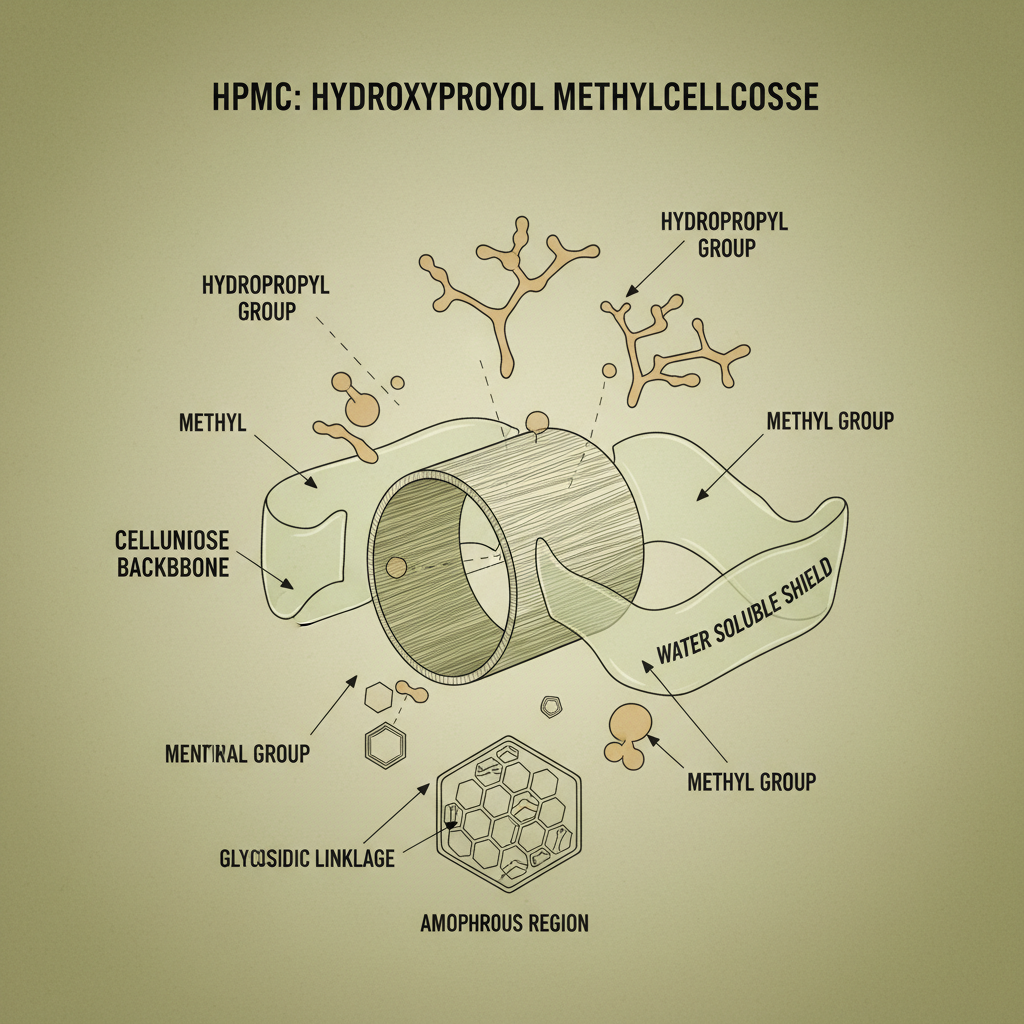
The primary challenge facing the industry is the inherent hydrophilicity of HPMC, which often makes it resistant to common non-polar organic solvents. This limitation has historically restricted its use in certain oil-based coatings or specialized resins. However, by analyzing the degree of substitution (methoxyl and hydroxypropyl groups), manufacturers can now tailor the HPMC molecular structure to better align with specific organic solvent polarities, thereby overcoming the traditional barriers of phase separation.
Defining HPMC Solubility in Organic Solvents
At its core, hpmc solubility in organic solvents refers to the capacity of Hydroxypropyl Methyl Cellulose to dissolve or disperse within non-aqueous liquids. Unlike water, where HPMC forms a clear, viscous solution through hydrogen bonding, organic solubility is heavily dependent on the "like dissolves like" principle. Most standard HPMC grades are insoluble in common organic solvents like ethanol or acetone, but they can exhibit partial solubility or stable dispersion in certain solvent blends.
This chemical property is not merely a laboratory curiosity; it is a bridge to modern industrial needs. In the realm of humanitarian aid and rapid infrastructure deployment, the need for fast-drying, water-resistant coatings is paramount. Understanding how HPMC interacts with organic carriers allows for the creation of materials that can be applied in high-humidity environments where traditional water-based systems would fail to cure properly.
Furthermore, the distinction between "true solubility" and "colloidal dispersion" in organic media is vital. When we discuss hpmc solubility in organic solvents, we are often looking for the sweet spot where the polymer provides rheological control (thickening) without completely precipitating out of the solution, ensuring a smooth, homogenous finish in industrial applications.
Core Factors Influencing Solubility Dynamics
The first critical factor affecting hpmc solubility in organic solvents is the Degree of Substitution (DS). The ratio of methoxyl groups to hydroxypropyl groups determines the polymer's polarity. A higher methoxyl content generally increases the affinity for certain organic media, whereas higher hydroxypropyl content reinforces its water-loving nature.
Temperature plays a secondary but decisive role. Because HPMC exhibits a unique thermal gelation property in water, its behavior in organic solvents also shifts with temperature changes. Increasing the temperature can sometimes facilitate the dissolution of HPMC in polar organic solvents by increasing the kinetic energy of the solvent molecules, effectively breaking the intra-molecular bonds of the polymer chain.
Lastly, the use of co-solvents is a common industrial strategy to enhance hpmc solubility in organic solvents. By mixing a polar organic solvent (like DMSO) with a less polar one, manufacturers can create a solvent environment that mimics the solubility parameter of HPMC, allowing for stable, high-viscosity solutions that are essential for high-end chemical building products.
Practical Application and Scalability
Translating the laboratory knowledge of hpmc solubility in organic solvents into large-scale production requires a focus on scalability and cost-efficiency. In the manufacture of redispersible powder VAE or specialized gypsum retarders, HPMC is often used as a stabilizer. When these products are integrated into organic-rich environments, the solubility profile ensures that the additive remains evenly distributed, preventing the formation of "fish-eyes" or clumps in the final mixture.
From a cost perspective, optimizing the solvent ratio to maximize HPMC's effectiveness allows plants to reduce the overall volume of expensive organic solvents required. This not only lowers the bill of materials but also reduces the environmental footprint of the production process, aligning industrial output with global green chemistry initiatives.
Comparison of HPMC Solubility in Different Solvent Systems
Global Industrial Use Cases
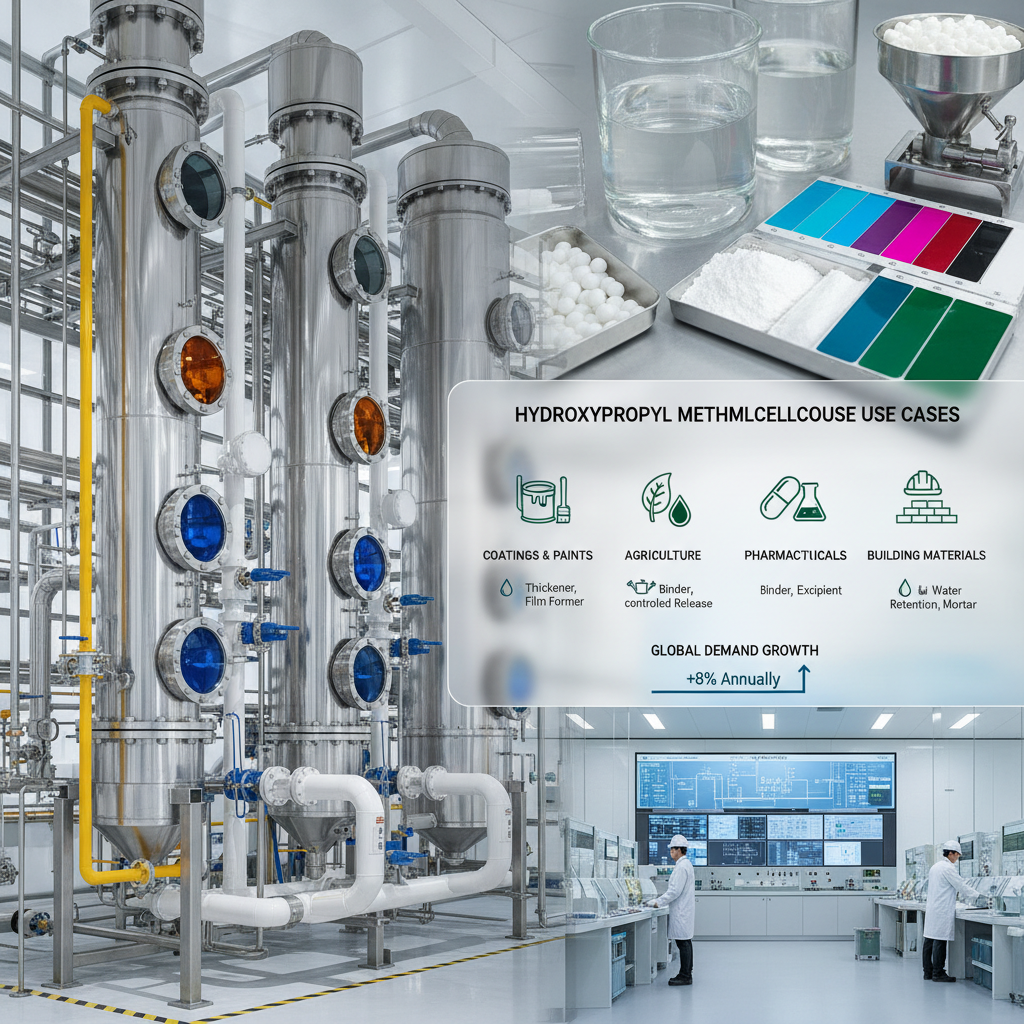
In real-world applications, the strategic use of hpmc solubility in organic solvents is evident in the production of high-performance architectural coatings. In regions like Southeast Asia, where extreme humidity can impede the drying of water-based paints, hybrid systems utilizing HPMC in organic-aqueous blends provide the necessary open-time and sag-resistance, ensuring that the coating adheres flawlessly to the substrate without premature evaporation.
Beyond coatings, this concept is applied in the creation of specialized adhesives for the construction industry. For instance, in remote industrial zones where water sources are contaminated or unavailable, solvent-based adhesives stabilized by modified HPMC offer a reliable alternative. These solutions provide the structural integrity required for heavy-duty bonding while maintaining the ease of application that professionals expect from chemical building materials.
Long-Term Value and Sustainability
The long-term value of optimizing hpmc solubility in organic solvents extends beyond simple product performance; it touches upon the core of industrial sustainability. By enhancing the compatibility of HPMC with a wider range of eco-friendly organic solvents, companies can move away from hazardous aromatic hydrocarbons. This transition not only ensures compliance with global safety standards but also protects the health of the workers applying these materials on-site.
Moreover, there is a significant emotional and logical appeal to "innovation through stability." When a construction project uses materials that are chemically optimized for their environment, the risk of failure—such as peeling, cracking, or delamination—is drastically reduced. This builds deep trust between the material supplier and the contractor, creating a legacy of reliability and safety in the built environment.
From a financial perspective, the reliability afforded by precise hpmc solubility in organic solvents reduces the need for costly rework and warranty claims. The investment in R&D to perfect these solubility profiles translates directly into higher profit margins and a stronger market position for manufacturers of cellulose ethers and related additives.
Future Innovations in Solubility Control
Looking forward, the future of hpmc solubility in organic solvents is being shaped by the rise of digital transformation and molecular modeling. AI-driven simulations are now allowing chemists to predict how specific modifications to the HPMC backbone will affect its solubility in novel, bio-based solvents. This accelerates the development cycle, moving from theoretical chemistry to a physical prototype in a fraction of the time.
Sustainability is also driving the adoption of "green" solvents derived from agricultural waste. The challenge now is to ensure that HPMC maintains its rheological properties in these new media. We are seeing a trend toward the development of "smart" HPMC variants that can switch their solubility based on external triggers, such as pH changes or ultraviolet light exposure, allowing for controlled-release mechanisms in advanced building materials.
Additionally, the integration of automation in the mixing process ensures that the complex solvent-polymer interactions are managed with precision. By controlling the addition rate and shear forces in real-time, manufacturers can achieve a level of homogeneity in hpmc solubility in organic solvents that was previously impossible, leading to products with unprecedented consistency.
Analysis of HPMC Performance Across Various Organic Solvent Environments
| Solvent Type |
Solubility Level |
Viscosity Impact |
Industrial Suitability |
| Polar Protic (e.g., Ethanol) |
Low to Moderate |
Low |
Moderate |
| Polar Aprotic (e.g., DMSO) |
High |
High |
High |
| Aliphatic Hydrocarbons |
Negligible |
None |
Low |
| Aqueous-Organic Blends |
High |
Very High |
Excellent |
| Chlorinated Solvents |
Low |
Moderate |
Low |
| Esters/Ketones |
Moderate |
Moderate |
Moderate |
FAQS
No, it is not completely insoluble. While HPMC is primarily water-soluble, its solubility in organic solvents depends on the solvent's polarity and the polymer's substitution level. It shows higher solubility in polar aprotic solvents like DMSO or in specific alcohol-water mixtures, though it remains insoluble in non-polar solvents like hexane.
Solvent choice fundamentally alters the polymer chain expansion. In water, HPMC expands fully, creating high viscosity. In organic solvents, the chain may remain coiled or only partially solvated, leading to lower viscosity. Using a co-solvent system is often the best way to tune the viscosity for industrial applications.
It is challenging because standard HPMC is designed for aqueous systems. To use it in a 100% solvent-based system, you would need a specifically modified grade of cellulose ether or a very high-polarity solvent blend to prevent precipitation. Most users opt for a hybrid emulsion to get the best of both worlds.
Generally, yes. Increasing the temperature typically increases the solubility of polymers in organic solvents by reducing the viscosity of the solvent and increasing the molecular motion, which helps in breaking the intermolecular forces within the HPMC powder.
By manipulating the solubility in organic solvents, you can control the evaporation rate. A system where HPMC is well-solvated in a slow-evaporating organic solvent will provide a longer "open time," which is critical for achieving a smooth, bubble-free finish in professional construction work.
The most professional method is the "saturation test," where a known weight of HPMC is added to a fixed volume of solvent under constant stirring and temperature. If the solution remains clear and the viscosity increases without precipitation over 24 hours, the solvent is considered compatible.
Conclusion
Mastering hpmc solubility in organic solvents is a cornerstone for any manufacturer looking to push the boundaries of chemical building materials. From understanding the influence of the Degree of Substitution to leveraging co-solvent systems, the ability to control how HPMC behaves in non-aqueous environments leads to products with superior durability, better application properties, and enhanced environmental compliance.
As the industry moves toward greener chemistry and AI-optimized formulations, the role of solubility research will only become more critical. We encourage formulators to experiment with hybrid systems and a wider array of bio-based solvents to unlock the full potential of cellulose ethers. For more technical guidance and high-quality HPMC products, visit our website: www.sshbhpmc.com