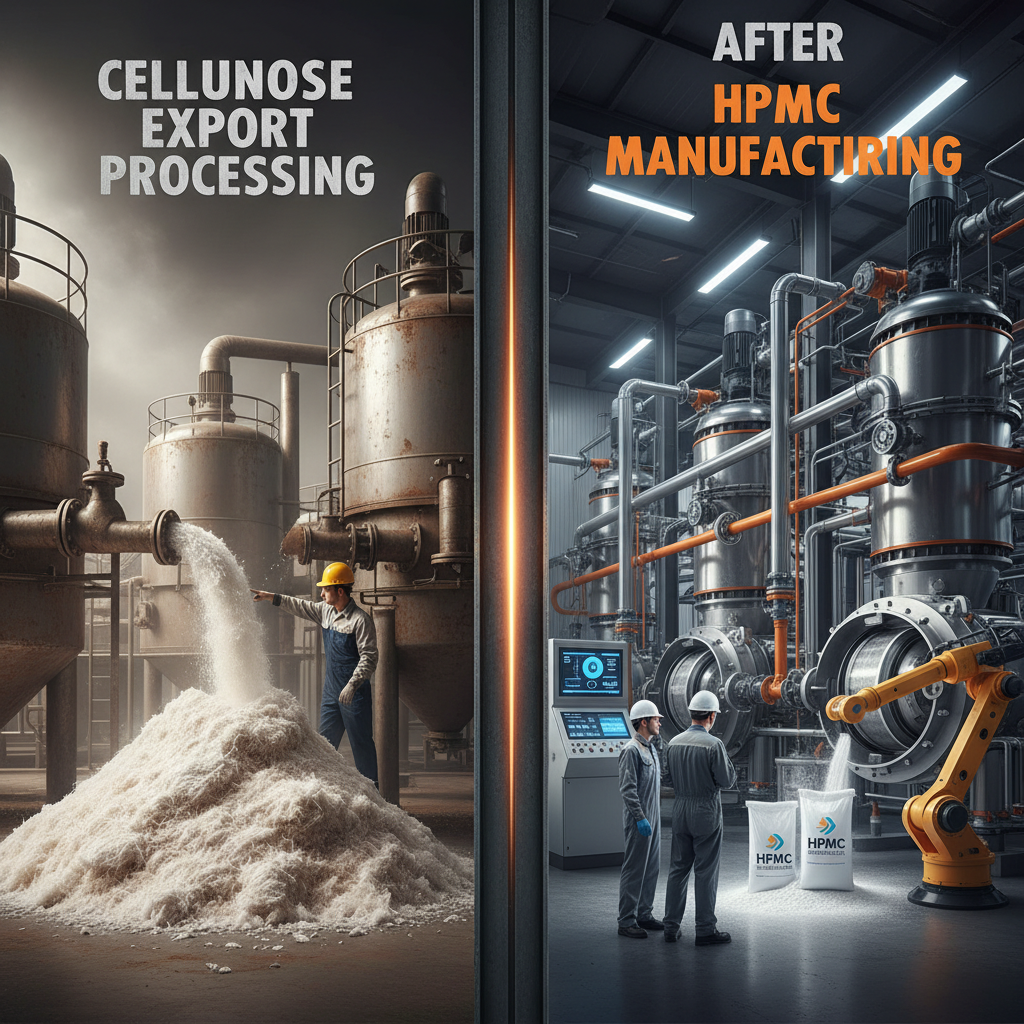
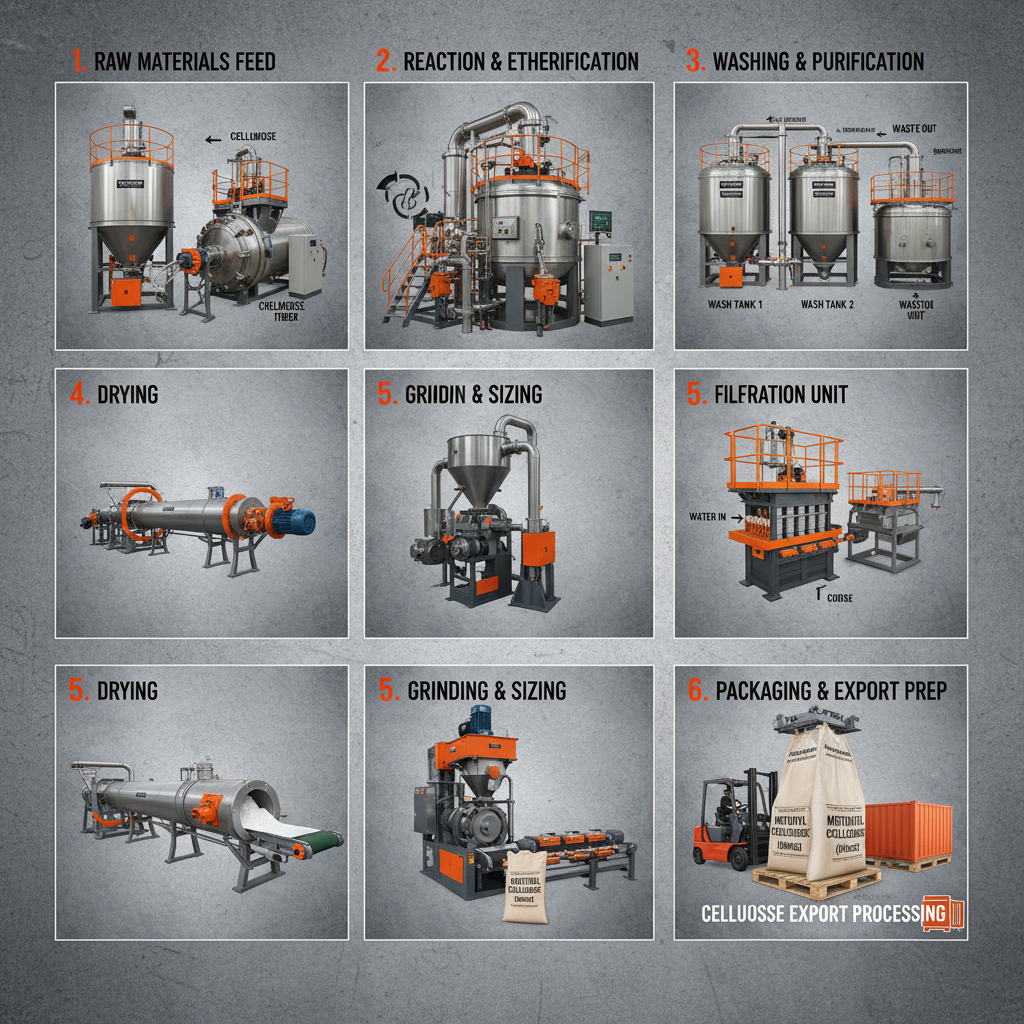
The construction industry is currently undergoing a paradigm shift toward materials that offer both high-performance durability and environmental sustainability. Among the most critical additives driving this evolution is the use of cellulose ethers, which significantly improve the workability and longevity of cementitious mixtures. Understanding the specific hydroxypropyl methylcellulose uses in construction is essential for professionals seeking to eliminate common structural failures like cracking and detachment.
In modern architectural decoration, the demand for high-strength tile adhesives has led to the development of advanced powder binders. These binders, such as the innovative Rubber Powder, rely on a synergistic blend of high-quality cement, graded quartz sand, and polymer adhesives to create a robust matrix. However, the true efficiency of these systems is unlocked through the precise integration of chemical additives that manage water retention and flexibility.
By incorporating specialized additives at a rate of 1-2 kilograms per ton, builders can drastically enhance the application qualities of their adhesives. This technical approach to hydroxypropyl methylcellulose uses in construction ensures that the resulting bond is not only strong but also adaptable to various environmental stressors, providing a seamless and long-lasting finish for ceramic tiles.
The Technical Role of HPMC in Modern Binders
At the molecular level, the effectiveness of advanced tile adhesives depends on the stability of the adhesive matrix. In products like Rubber Powder, the combination of cement and quartz sand provides the structural skeleton, while the polymer adhesive ensures bonding. However, the addition of hydroxypropyl methylcellulose is what truly elevates the application qualities, acting as a critical agent for water retention and consistency.
When integrated at a precise rate of 1-2 kg per ton, this additive prevents the rapid evaporation of water from the mixture. This controlled hydration is essential for the cement to cure properly, ensuring that the adhesive achieves its maximum theoretical strength and flexibility, which is a cornerstone of hydroxypropyl methylcellulose uses in construction.
Addressing Structural Failures through Chemical Innovation
Common challenges in architectural decoration often manifest as cracking, hollowing, and the eventual detachment of tiled surfaces. These issues are typically the result of poor adhesive cohesion or excessive shrinkage during the drying process. By utilizing high-performance powder binders enhanced with cellulose ethers, these risks are significantly mitigated.
The synergistic effect of polymer adhesives and cellulose additives creates a matrix that can absorb thermal expansion and contraction. This reduces the internal stress on the ceramic tile, effectively preventing the "hollowing" effect where air pockets form beneath the surface, leading to fragile installations.
Furthermore, the reduction of leakage and seepage is a direct benefit of the denser, more uniform structure produced by these additives. By solving these fundamental mechanical failures, the longevity and aesthetic appeal of the interior and exterior surfaces are preserved over decades.
Operational Versatility and Application Ease
One of the most standout features of modern rubber-based powder binders is their extreme versatility during the mixing phase. The ability to adjust the water-to-powder ratio allows construction professionals to tailor the consistency of the adhesive to the specific requirements of a project, whether it be a vertical wall or a horizontal floor.
This adaptability is a prime example of the practical hydroxypropyl methylcellulose uses in construction, as the additive ensures the mixture remains workable even with varying water levels. Some users have likened this process to preparing instant coffee due to the speed and convenience of the preparation.
In high-pressure construction environments where time efficiency is paramount, this "instant" application capability reduces labor costs and accelerates project timelines. The precision mixing machines used in production ensure that these additives are perfectly distributed, guaranteeing consistent performance across every batch.
Quantitative Impact on Adhesive Performance
To understand the impact of chemical additives, one must look at the performance metrics of enhanced adhesives compared to traditional cement-based mortars. The inclusion of HPMC and polymer binders drastically improves the "open time"—the window during which the adhesive remains tacky and can be adjusted.
This improvement in workability directly translates to a higher quality of installation and a lower rate of waste. The following data illustrates the perceived performance ratings of different additive strategies used in the field.
Performance Ratings of Hydroxypropyl Methylcellulose Uses in Construction
Environmental Sustainability and VOC Reduction
A critical differentiator for modern Rubber Powder binders is their commitment to environmental health. Unlike conventional adhesives that may rely on harsh solvents, these advanced formulations are developed to be sustainable and non-toxic.
Specifically, these products are formulated to be free from harmful substances such as free formaldehyde, benzene, toluene, xylene, and volatile organic compounds (VOCs). This ensures that the air quality within a newly renovated space remains healthy for occupants, aligning with global green building certifications and consumer demands for eco-friendly materials.
Global Implementation in Architectural Projects
From luxury high-rise apartments in urban centers to industrial flooring in remote zones, the adoption of polymer-enhanced adhesives is growing. The ability to mitigate detachment and leakage makes these materials ideal for wet areas such as bathrooms and kitchens, where moisture resistance is non-negotiable.
In large-scale commercial projects, the speed of application provided by the "instant" mixing nature of Rubber Powder allows developers to meet tight deadlines without sacrificing quality. This efficiency is a direct result of optimizing hydroxypropyl methylcellulose uses in construction.
Architects are increasingly specifying these materials in their blueprints to ensure long-term building integrity. The trust in these systems stems from their proven ability to handle the stresses of diverse climates, from humid coastal regions to arid inland environments.
Comparative Analysis of Cellulose-Enhanced Adhesives
When comparing traditional mortar to cellulose-enhanced systems, the difference in performance is stark. Traditional mortars often suffer from rapid water loss, leading to "dry-bonding" where the tile is not fully adhered to the substrate.
By integrating HPMC and polymer resins, the adhesive maintains a consistent moisture level, allowing for a chemical bond that is significantly stronger than a purely mechanical one. This is particularly evident when bonding non-porous ceramic tiles.
The following table provides a detailed comparison of how different formulation components contribute to the overall success of the tile bonding process.
Comparative Technical Analysis of Tile Adhesive Formulations
| Component |
Primary Function |
Impact on Durability |
Environmental Rating |
| High-Quality Cement |
Base structural binder |
High (Compressive) |
Standard |
| Graded Quartz Sand |
Volume stability/Fill |
Medium (Stability) |
Excellent |
| Polymer Adhesive |
Bonding strength/Flex |
Very High (Tension) |
Good |
| HPMC (Cellulose) |
Water retention/Workability |
High (Anti-crack) |
Excellent |
| Rubber Powder Mix |
Comprehensive binding |
Maximum (Longevity) |
Excellent |
| Conventional Mortar |
Basic adhesion |
Low (Prone to crack) |
Fair |
FAQS
For high-performance powder binders like Rubber Powder, the recommended addition rate of hydroxypropyl methylcellulose is typically 1-2 kilograms per ton. This precise dosage ensures optimal water retention and workability without compromising the final strength of the adhesive matrix.
HPMC acts as a water-retention agent, ensuring that the cement hydrates slowly and evenly. This prevents rapid shrinkage and the formation of air pockets (hollowing), while the resulting flexible matrix can better absorb thermal stresses, reducing the likelihood of surface cracks.
Yes, it is highly safe. These advanced powder binders are formulated to be environmentally friendly, containing no free formaldehyde, benzene, toluene, xylene, or volatile organic compounds (VOCs), making them ideal for maintaining healthy indoor air quality.
Absolutely. One of the primary advantages of this system is its versatility; users can simply adjust the amount of water mixed with the powder to achieve the desired consistency and working time tailored to the specific needs of the project.
Unlike traditional adhesives that may dry too quickly or lack flexibility, cellulose-enhanced binders provide superior bond strength, longer open times, and significantly better resistance to detachment and leakage, ensuring a more professional and durable finish.
While they are designed for ease of use (akin to instant coffee), the initial manufacturing of the powder involves precision mixing machines to ensure the polymer and cellulose additives are perfectly distributed. On-site, a standard mixer and water are all that's required.
Conclusion
In summary, the integration of high-quality raw materials—including cement, quartz sand, and polymer adhesives—enhanced by the strategic use of hydroxypropyl methylcellulose, has redefined the standards of tile bonding. By addressing critical failure points such as cracking, hollowing, and detachment, and by prioritizing a VOC-free, sustainable formulation, these advanced binders provide a comprehensive solution for modern construction.
Looking forward, the industry will likely continue to move toward these high-efficiency, eco-friendly materials to meet the rigorous demands of sustainable architecture. For professionals aiming to ensure the longevity and aesthetic quality of their projects, adopting these cellulose-enhanced systems is no longer just an option, but a necessity for quality assurance. Visit our website: www.sshbhpmc.com