Hydroxypropyl methylcellulose k4m (HPMC k4m) is a versatile cellulose ether widely utilized across diverse industries, from pharmaceuticals and food to construction and personal care. Its unique properties, including thickening, binding, film-forming, and controlled release capabilities, make it an indispensable ingredient in numerous applications. Understanding HPMC k4m is crucial for innovators seeking to enhance product performance, stability, and user experience. As global demands evolve, the role of HPMC k4m in sustainable and efficient solutions continues to grow.
The global market for cellulose ethers, including HPMC k4m, is experiencing substantial growth, driven by increased demand from emerging economies and the rising need for specialized polymers. According to industry reports, the market is projected to reach billions of dollars in the coming years. This expansion is fueled by a growing awareness of HPMC k4m’s benefits – its non-toxicity, biodegradability, and ability to improve product functionality. However, challenges such as fluctuating raw material prices and the need for consistent quality control persist.
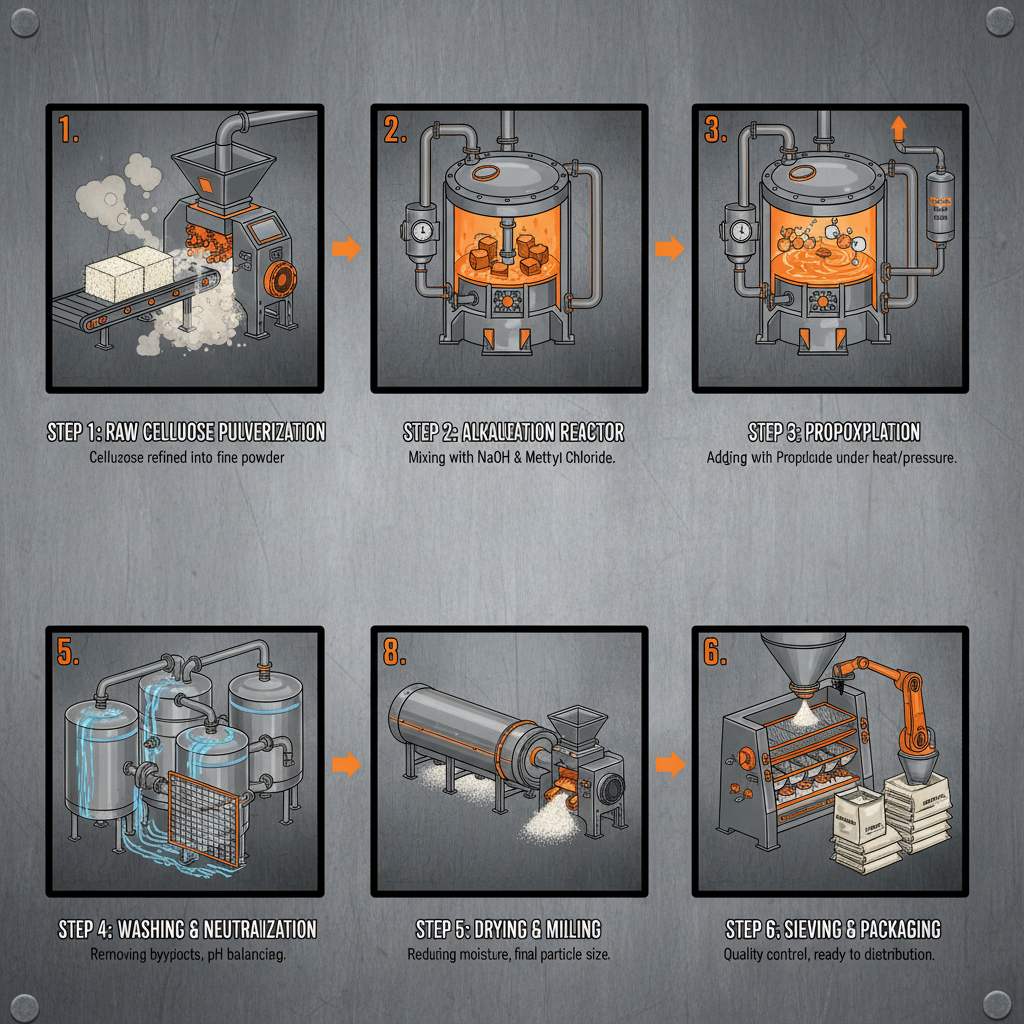
Essentially, hydroxypropyl methylcellulose k4m is a chemically modified cellulose derived from natural sources, typically wood pulp or cotton linter. This modification imparts water solubility and provides the aforementioned functional properties. Its compatibility with a wide range of ingredients and its ability to create stable emulsions and suspensions make it a cornerstone of modern formulations, impacting areas from drug delivery systems to efficient building materials.
Introduction to hydroxypropyl methylcellulose k4m
Hydroxypropyl methylcellulose k4m plays a pivotal role in formulating stable and effective products across various sectors. Its ability to modify viscosity, improve texture, and enhance drug delivery makes it a crucial component in many modern applications. Understanding the nuances of HPMC k4m is essential for formulators aiming to optimize their product’s performance and consumer appeal.
The significance of HPMC k4m stems from its combination of beneficial properties and its derivation from renewable resources. As industries prioritize sustainability, the demand for bio-based polymers like HPMC k4m is steadily increasing, driving innovation and development in manufacturing processes.
Global Relevance of HPMC k4m
The demand for HPMC k4m is globally distributed, with significant consumption in Asia-Pacific, North America, and Europe. Factors driving this demand include expanding pharmaceutical industries in countries like China and India, growing construction activities in developing nations, and increasing consumer awareness of health and wellness products. The UN’s Sustainable Development Goals (SDGs), particularly those related to health and infrastructure, indirectly contribute to the demand for HPMC k4m as it enables the creation of more effective and sustainable solutions.
Data from the ISO indicates a consistent rise in cellulose ether production, mirroring the growing global need for specialized polymers. However, ensuring consistent quality and availability, especially during periods of supply chain disruption, remains a critical challenge. Geopolitical factors and natural disasters can impact raw material sourcing, necessitating robust supply chain management strategies.
A key problem addressed by HPMC k4m is the need for stable, effective, and safe formulations across diverse applications. Traditional solutions often lack the versatility and biocompatibility offered by HPMC k4m, requiring complex formulations and potentially compromising product performance.
Defining Hydroxypropyl Methylcellulose k4m
Hydroxypropyl methylcellulose k4m is a non-ionic, water-soluble polymer derived from cellulose through chemical modification. The “k4m” designation refers to its viscosity grade; k4m indicates a medium viscosity, making it suitable for a wide range of applications where a specific thickening effect is required. It is a white to off-white powder, odorless, and tasteless.
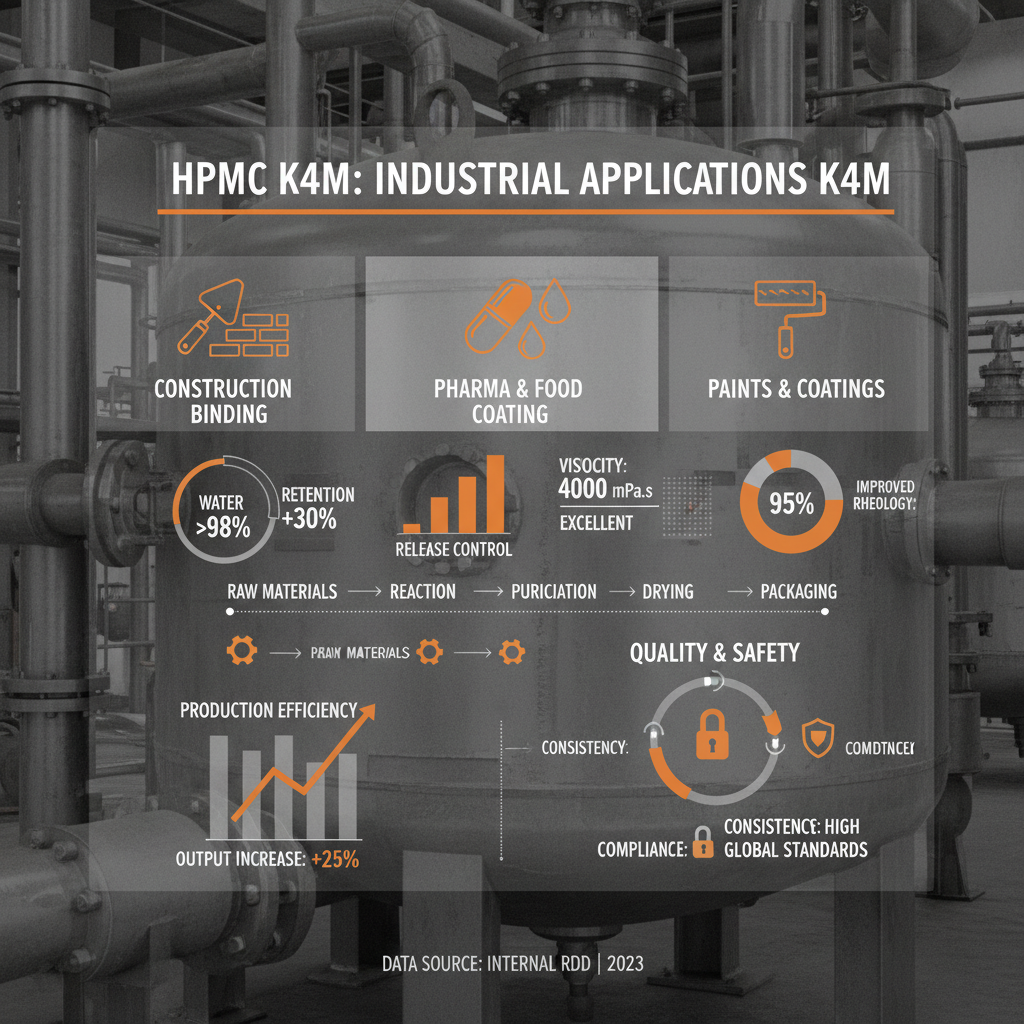
Its connection to modern industry and humanitarian needs lies in its versatile functionality. In pharmaceuticals, it acts as a binder, film-coating agent, and controlled-release matrix. In construction, it enhances workability, water retention, and adhesion of cement-based materials. In food, it serves as a thickener, stabilizer, and emulsifier. This broad applicability positions HPMC k4m as a key ingredient in addressing numerous modern challenges.
Essentially, it’s a synthetic polymer mimicking the natural properties of cellulose but with enhanced solubility and functionality, bridging the gap between natural resources and high-performance industrial applications. This ensures consistent quality and predictable behavior within various formulations.
Core Properties of HPMC k4m
One critical property of hydroxypropyl methylcellulose k4m is its thickening ability. Even at low concentrations, it can significantly increase the viscosity of aqueous solutions, providing the desired consistency for various products. This is particularly important in applications like paints, coatings, and personal care items.
Another key aspect is its film-forming capability. HPMC k4m creates clear, flexible, and strong films, making it useful in tablet coatings, controlled-release matrices, and packaging applications. The film’s permeability can be adjusted by varying the HPMC k4m grade and concentration.
Furthermore, HPMC k4m exhibits excellent water retention. This is crucial in construction materials like cement-based mortars and renders, preventing premature drying and ensuring optimal hydration. It also contributes to improved workability and adhesion.
Its thermal gelation property is also significant. HPMC k4m solutions exhibit a unique phenomenon where they become more viscous upon heating and revert to a liquid state upon cooling, enabling its use in specific applications like food processing and specialized coatings. Finally, its chemical stability is paramount, ensuring that it remains effective over extended periods and under diverse conditions.
HPMC k4m Performance Metrics
Applications Across Industries
In the pharmaceutical industry, hydroxypropyl methylcellulose k4m is extensively used as a binder in tablets, a film-coating agent for sustained-release medications, and a viscosity-enhancing excipient in liquid formulations. Its non-toxicity and biocompatibility make it ideal for these sensitive applications.
The construction industry utilizes HPMC k4m to improve the workability and water retention of cement-based materials, enhancing adhesion and preventing cracking. This is especially crucial in tile adhesives, renders, and self-leveling compounds. It also contributes to reduced shrinkage and improved durability.
Furthermore, HPMC k4m finds widespread applications in the food industry as a thickener, stabilizer, and emulsifier in sauces, dressings, desserts, and bakery products. It provides desired texture and consistency while enhancing shelf life. In post-disaster relief operations, for example, HPMC k4m-modified construction materials can facilitate rapid and effective shelter construction.
Advantages & Long-Term Value
The cost-effectiveness of hydroxypropyl methylcellulose k4m compared to some synthetic alternatives represents a significant advantage. Its ability to deliver multiple functionalities in a single ingredient reduces the need for complex formulations and lowers overall production costs. This also translates to sustainability benefits.
Beyond cost savings, the sustainability profile of HPMC k4m is increasingly important. Derived from renewable cellulose sources, it offers a bio-based alternative to petroleum-based polymers, reducing reliance on fossil fuels and minimizing environmental impact. Its biodegradability further enhances its eco-friendly credentials. The inherent safety and non-toxicity instill trust and contribute to brand reputation.
Future Trends and Innovations
Research and development are focused on tailoring the properties of HPMC k4m for specific applications. This includes modifying its molecular weight, degree of substitution, and particle size to achieve desired characteristics like enhanced solubility, controlled release profiles, and improved film-forming capabilities. These innovations are poised to unlock new possibilities in drug delivery and advanced materials.
The integration of HPMC k4m with emerging technologies like 3D printing and nanotechnology is also gaining momentum. 3D printing allows for the creation of customized pharmaceutical dosages and intricate building components. Nanotechnology can enhance the dispersion and effectiveness of HPMC k4m in various formulations. Digital transformation within the supply chain is also improving traceability and quality control.
Furthermore, the development of more sustainable sourcing methods for cellulose, the raw material for HPMC k4m, is a priority. This includes exploring alternative fiber sources and optimizing production processes to minimize waste and energy consumption, aligning with the principles of a circular economy.
FAQS
Hydroxypropyl methylcellulose k4m is primarily used in the construction industry to enhance the workability and water retention of cement-based materials like tile adhesives, renders, and self-leveling compounds. It prevents premature drying, improves adhesion, and reduces cracking, leading to more durable and reliable structures. It also contributes to improved sag resistance and ease of application, speeding up construction processes and reducing labor costs.
Yes, hydroxypropyl methylcellulose k4m is generally recognized as safe (GRAS) by regulatory bodies like the FDA for use in food products. It's used as a thickener, stabilizer, emulsifier, and film-forming agent in a wide range of foods, including sauces, dressings, baked goods, and confectionery. It doesn't contribute to caloric value and is generally well-tolerated by consumers. However, specific usage levels are regulated and must comply with food safety standards.
When stored properly in a cool, dry place, protected from direct sunlight and moisture, hydroxypropyl methylcellulose k4m powder can have a shelf life of several years. However, it's always recommended to check the manufacturer’s Certificate of Analysis (CoA) for specific storage instructions and expiration dates. Improper storage can lead to clumping or degradation of the polymer’s properties.
The 'k4m' designation refers to the viscosity grade of the HPMC. 'k' denotes the viscosity, and '4m' represents a medium viscosity level. Higher 'k' values indicate higher viscosity. HPMC k4m offers a good balance between thickening power and ease of handling, making it suitable for a broad range of applications. Lower viscosity grades are used where minimal thickening is required, while higher grades are used for applications demanding substantial viscosity enhancement.
Yes, hydroxypropyl methylcellulose k4m is often used in combination with other polymers to achieve synergistic effects and tailor the properties of a formulation. It can be blended with other cellulose ethers, acrylic polymers, or natural gums to optimize viscosity, stability, film-forming characteristics, and other functional attributes. Careful compatibility testing is crucial when combining different polymers.
Hydroxypropyl methylcellulose k4m offers several environmental advantages over some synthetic polymers. It is derived from renewable cellulose sources, reducing reliance on fossil fuels. It is also biodegradable under certain conditions. However, the production process still requires energy and resources. Sustainable sourcing of cellulose and responsible manufacturing practices are crucial for minimizing the overall environmental impact.
Conclusion
Hydroxypropyl methylcellulose k4m stands as a remarkably versatile polymer with a broad spectrum of applications impacting numerous industries. Its unique combination of properties – thickening, binding, film-forming, and water retention – coupled with its sustainability profile, positions it as a critical ingredient in modern formulations. From enhancing pharmaceutical efficacy to improving construction materials and stabilizing food products, HPMC k4m offers significant benefits in terms of performance, cost-effectiveness, and environmental responsibility.
Looking ahead, continued innovation in HPMC k4m technology, particularly in tailoring its properties and integrating it with emerging technologies, will unlock even greater potential. Further research into sustainable sourcing and manufacturing practices will be essential to maximize its environmental benefits and ensure its long-term viability. To learn more about the diverse applications and benefits of hydroxypropyl methylcellulose k4m, visit our website: www.sshbhpmc.com.