Hydroxypropyl cellulose (HPC) is gaining significant traction as a versatile ingredient in the food industry, driven by a growing demand for texture modification, stabilization, and fat reduction. Its unique properties, including water solubility, thickening capabilities, and film-forming characteristics, make it a valuable asset for manufacturers seeking to improve product quality and appeal. Understanding its applications is crucial for food scientists, product developers, and those involved in food safety and regulation globally.
The global food additives market is projected to reach substantial growth in the coming years, with cellulose derivatives like HPC playing a key role. According to market research, the demand for clean-label ingredients is increasing rapidly, and HPC, being a plant-derived polymer, aligns perfectly with this trend. The UN’s Sustainable Development Goals, particularly those related to food security and health, further emphasize the importance of innovative ingredients that enhance nutritional value and reduce food waste.
Hydroxypropyl cellulose in food addresses the challenge of achieving desired texture and stability in a wide array of food products without relying heavily on traditional, often less desirable, additives. Its ability to replace fats and oils, reduce calories, and enhance mouthfeel makes it a valuable tool for creating healthier and more appealing food options for consumers worldwide.
Introduction to Hydroxypropyl Cellulose in Food
Hydroxypropyl cellulose in food is increasingly recognized as a multi-functional ingredient that enhances the properties of a wide variety of food products. Its versatility stems from its ability to modify texture, improve stability, and provide a healthier alternative to traditional additives.
From sauces and dressings to baked goods and dairy products, HPC plays a vital role in achieving the desired consistency, mouthfeel, and shelf life. Its neutral taste and odor make it easily incorporated into different formulations without impacting the original flavor profile of the food item.
Defining Hydroxypropyl Cellulose in Food
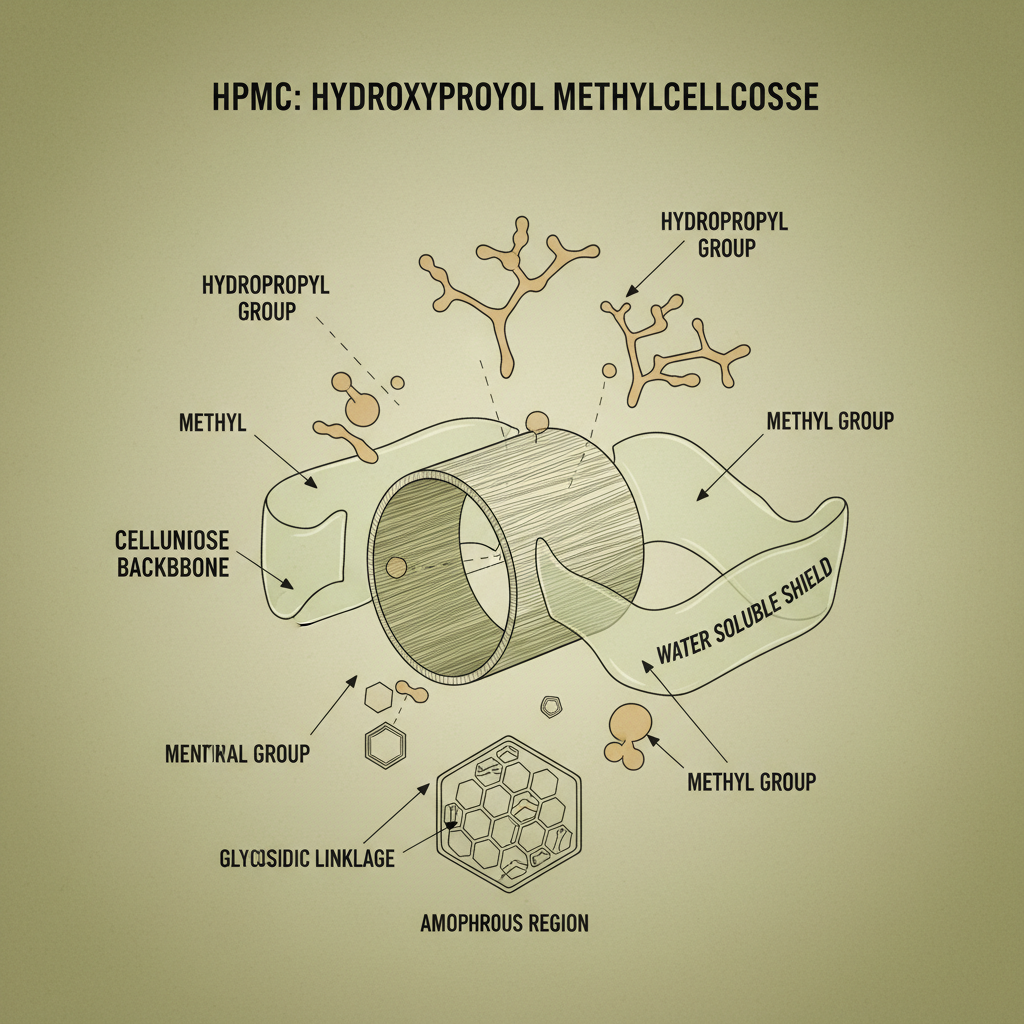
Hydroxypropyl cellulose is a semi-synthetic polymer derived from cellulose, a natural component of plant cell walls. Through a chemical modification process, hydroxypropyl groups are introduced into the cellulose structure, making it water-soluble and imparting unique functional properties. In food applications, it’s generally used as a thickener, stabilizer, emulsifier, and binding agent.
Its connection to modern industry lies in its ability to meet the growing consumer demand for clean-label and healthier food options. Unlike some synthetic polymers, HPC is derived from a renewable resource and offers a natural alternative to traditional food additives.
It addresses humanitarian needs by enhancing the texture and palatability of food aid, ensuring that essential nutrients are consumed effectively, particularly in regions facing food insecurity. Its stability also contributes to a longer shelf life, crucial in remote or challenging environments.
Key Properties of Hydroxypropyl Cellulose
One crucial property of hydroxypropyl cellulose in food is its excellent water solubility. This allows for easy dispersion and creates clear, stable solutions, which is essential in applications like sauces, beverages, and dressings.
Another key factor is its thickening ability. HPC can significantly increase the viscosity of liquid food products, contributing to a desirable mouthfeel and preventing separation of ingredients. This characteristic is particularly valuable in low-fat formulations where fat reduction can lead to a thinner consistency.
Furthermore, HPC exhibits excellent thermal stability, meaning it retains its functionality even at elevated temperatures during food processing. This makes it suitable for a wide range of applications, including baked goods, processed meats, and sterilized products. Its film-forming properties also contribute to improved texture and coating capabilities.
Applications of Hydroxypropyl Cellulose in Food
Hydroxypropyl cellulose in food finds wide-ranging applications across several food categories. It's commonly used in baked goods to improve texture, reduce staling, and enhance moisture retention. In dairy products, it acts as a stabilizer, preventing syneresis (water separation) and creating a smoother, creamier consistency.
In sauces and dressings, HPC controls viscosity, prevents settling of solids, and improves pourability. It's also utilized in processed meats to bind water, reduce cooking losses, and enhance texture. The versatility of HPC extends to beverages, confectionery, and even gluten-free products where it serves as a texture enhancer and stabilizer.
Hydroxypropyl Cellulose in Food - Application Performance
Global Usage and Industries Benefitting from HPC
The use of hydroxypropyl cellulose in food is widespread across North America, Europe, and Asia-Pacific. The food processing industry is the primary beneficiary, utilizing HPC to enhance product quality and extend shelf life.
The confectionery industry also greatly benefits, using HPC to control crystallization and improve texture in candies and chocolates. Additionally, the dairy and beverage sectors rely on HPC to provide stability and prevent sedimentation, leading to enhanced product appearance and consumer satisfaction.
Advantages and Long-Term Value of Hydroxypropyl Cellulose
The advantages of using hydroxypropyl cellulose in food are numerous. From a cost perspective, HPC offers a competitive solution compared to some other stabilizers and thickeners. It is also sustainable, being derived from a renewable resource, reducing reliance on petroleum-based ingredients.
The social impact is significant, as it enables the production of healthier food options with reduced fat and calories, contributing to improved public health. Its reliability and consistent performance provide manufacturers with peace of mind and ensure product quality.
Future Trends and Innovations in HPC Applications
Future trends point towards increased research and development in utilizing HPC for novel food applications, such as 3D-printed foods and personalized nutrition. Innovations in HPC modification techniques are also expected to enhance its functionality and expand its use in specific food systems.
The growing emphasis on sustainability will likely drive demand for bio-based polymers like HPC. Furthermore, advancements in digital transformation and automation will streamline the manufacturing process, making HPC more readily available and cost-effective.
Exploring its synergy with other hydrocolloids will also unlock new textural and stability possibilities. The intersection of HPC with plant-based protein systems offers exciting opportunities for creating innovative and nutritious food products.
Summary of Challenges and Potential Solutions Regarding Hydroxypropyl Cellulose in Food
| Challenge |
Impact on Hydroxypropyl Cellulose Application |
Potential Solution |
Implementation Cost (1-10) |
| Cost of Raw Materials |
Fluctuations in cellulose prices can affect HPC's economic viability. |
Diversify sourcing, explore alternative cellulose sources. |
4 |
| Consumer Perception |
Some consumers may perceive "cellulose" negatively, despite its natural origin. |
Transparency in labeling, emphasizing natural sourcing. |
2 |
| Compatibility with Other Ingredients |
HPC may exhibit interactions with certain ingredients affecting product stability. |
Conduct thorough compatibility studies during formulation. |
5 |
| Regulatory Compliance |
Varying regulations across different countries necessitate careful compliance. |
Maintain up-to-date knowledge of global food additive regulations. |
6 |
| Batch-to-Batch Consistency |
Maintaining consistent HPC quality across different production batches is crucial. |
Implement robust quality control measures during manufacturing. |
7 |
| Limited Thermal Stability in Acidic Conditions |
HPC can degrade at high temperatures in acidic environments. |
Optimize pH levels and processing temperatures during production. |
3 |
FAQS
Hydroxypropyl cellulose primarily improves texture and moisture retention in baked goods. It reduces staling, enhances crumb softness, and extends shelf life by creating a network that holds water within the product. This is especially valuable in gluten-free baking where structure can be compromised. It contributes to a more pleasant eating experience and reduces waste due to prolonged freshness.
Hydroxypropyl cellulose is generally considered safe for individuals with most common allergies. It’s derived from cellulose, a plant-based fiber. However, it's crucial to check the manufacturing process to ensure there's no cross-contamination with potential allergens. While rare, individuals with sensitivities to cellulose derivatives may experience mild digestive discomfort. Always consult with a healthcare professional if you have specific concerns.
While both hydroxypropyl cellulose and starch can act as thickeners, they differ significantly in properties. HPC provides excellent clarity and stability compared to starch, which can create opacity and undergo retrogradation. HPC exhibits superior thermal stability, and it is effective at lower concentrations. It also doesn't contribute to undesirable flavors like some starches. Starch is often more cost-effective, but HPC offers enhanced functionality in certain applications.
The recommended dosage of hydroxypropyl cellulose varies greatly depending on the specific application and desired texture. Generally, concentrations range from 0.1% to 1.0% by weight of the total formulation. For sauces and dressings, 0.2-0.5% is common, while baked goods might require 0.5-1.0%. It’s always best to start with a lower concentration and gradually increase until the desired effect is achieved through experimentation.
Hydroxypropyl cellulose is often considered a “clean label” ingredient due to its natural origin and minimal processing. It’s derived from cellulose, a plant-based material, and doesn’t typically raise the same concerns as highly processed synthetic additives. However, consumer perception varies, and transparency in labeling is crucial. Its use aligns with the growing demand for simpler, more natural ingredient lists.
Hydroxypropyl cellulose is relatively stable, but proper storage is essential to maintain its quality. It should be stored in a cool, dry place, away from direct sunlight and moisture. Exposure to humidity can cause clumping or degradation. Keeping it in its original, sealed packaging is recommended to prevent contamination and maintain its functional properties. A well-stored product can have a shelf life of several years.
Conclusion
In conclusion, hydroxypropyl cellulose in food presents a versatile and increasingly valuable solution for food manufacturers seeking to improve product quality, enhance texture, and meet the growing demand for healthier and cleaner label options. Its unique properties, combined with its sustainability profile, position it as a key ingredient in the future of food innovation.
As research continues and new applications are explored, the potential of HPC will undoubtedly expand. We encourage you to explore how hydroxypropyl cellulose can benefit your formulations and contribute to a more sustainable and appealing food industry. For more information and to discuss your specific needs, please visit our website: www.sshbhpmc.com