Wecome to HeBei ShengShi HongBang Cellulose Technology CO.,LTD.

  • fff1
  • fff2
  • fff3
  • fff4
  • Group 205.webp1
HeBei ShengShi HongBang Cellulose Technology CO.,LTD.
0%

Table of Contents

Hydroxypropyl methylcellulose (HPMC) is a versatile polymer derived from cellulose, a natural component of plant cell walls. Its widespread use stems from its unique combination of properties, including thickening, binding, film-forming, and water retention. Globally, the demand for HPMC is steadily increasing, driven by its applications in diverse industries like pharmaceuticals, construction, food, cosmetics, and paints. Understanding the nuances of HPMC—its production, properties, and applications—is crucial for innovation and efficiency across these sectors. hydroxypropyl methyl is a key ingredient in modern formulations.

The global HPMC market is estimated to reach significant values in the coming years, with Asia-Pacific dominating production and consumption. This growth is fueled by rapid urbanization, infrastructure development, and increasing consumer awareness regarding health and wellness. However, challenges remain, including sustainable sourcing of cellulose and optimizing production processes to minimize environmental impact. Addressing these issues is vital for ensuring a responsible and sustainable HPMC supply chain.

HPMC’s ability to improve product performance, enhance stability, and provide desirable textures makes it an indispensable ingredient in many everyday products. Its biocompatibility and low toxicity further contribute to its widespread adoption, making it a cornerstone of modern manufacturing and a key enabler of innovation.
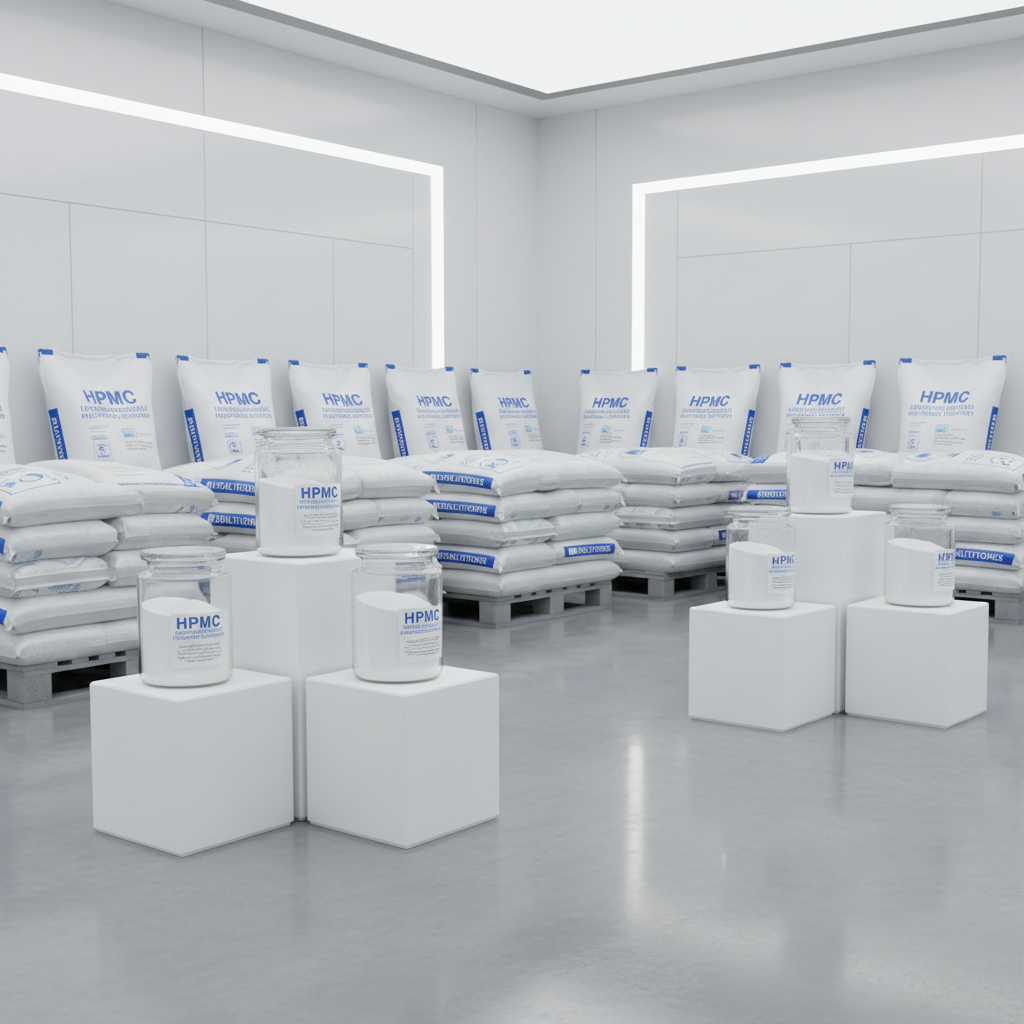
Exploring the Versatility and Global Impact of Hydroxypropyl Methylcellulose HPMC

Introduction to hydroxypropyl methyl

Exploring the Versatility and Global Impact of Hydroxypropyl Methylcellulose HPMC

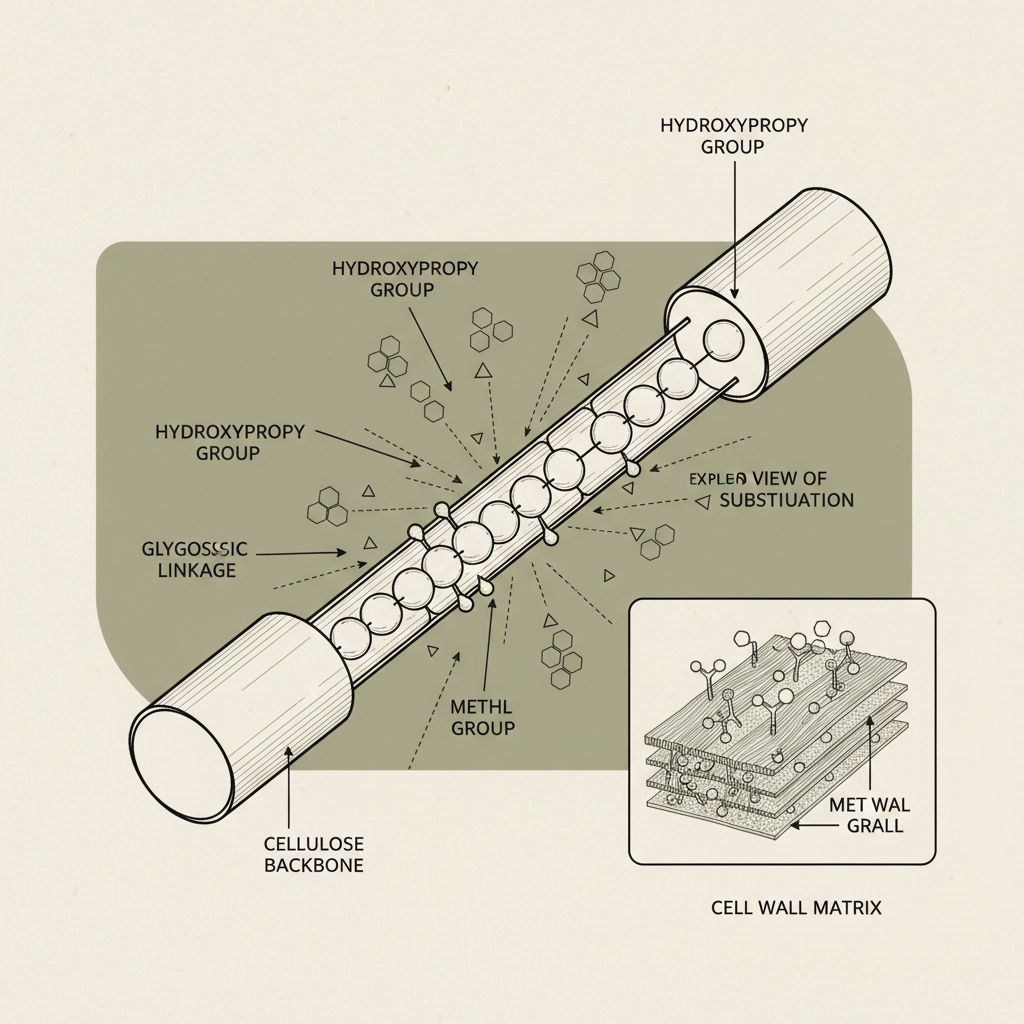
Hydroxypropyl methylcellulose (HPMC) is a non-ionic cellulose ether produced by chemically modifying cellulose. This modification introduces both hydroxypropyl and methyl groups onto the cellulose backbone, significantly altering its properties. This results in a water-soluble polymer with a remarkable ability to control viscosity, stability, and film formation in a wide variety of applications.

The unique characteristics of HPMC make it a highly sought-after ingredient across numerous industries. Its film-forming capabilities enhance the durability of coatings, while its thickening properties are invaluable in formulations requiring specific rheological control. This versatility positions HPMC as a vital component in countless products we use daily.

Global Relevance of hydroxypropyl methyl

The global market for cellulose ethers, including HPMC, is experiencing substantial growth, driven by increasing demand from emerging economies and a growing focus on sustainable materials. According to market research reports, the industry is expected to continue its expansion, with a compound annual growth rate (CAGR) of approximately 6-8% over the next decade. Asia-Pacific, particularly China and India, currently dominates both production and consumption.

One significant challenge addressed by HPMC is the need for sustainable alternatives to petroleum-based polymers. As environmental concerns grow, the demand for bio-based and biodegradable materials like HPMC is rising. Furthermore, HPMC plays a crucial role in addressing the needs of a growing global population, particularly in areas such as food security and pharmaceutical manufacturing.

The United Nations Sustainable Development Goals (SDGs) also highlight the importance of materials like HPMC. Its applications in water retention in agriculture (SDG 2: Zero Hunger) and sustainable construction (SDG 9: Industry, Innovation and Infrastructure) directly contribute to achieving these global objectives. The versatility and sustainability of hydroxypropyl methyl makes it globally relevant.

Defining hydroxypropyl methyl

Hydroxypropyl methylcellulose (HPMC) is a semi-synthetic polymer derived from natural cellulose. It’s created through a series of chemical modifications that replace some of the hydroxyl groups on the cellulose chain with hydroxypropyl and methyl groups. This process alters the cellulose’s solubility and other key properties. Essentially, it transforms the insoluble cellulose into a water-soluble polymer.

In the context of modern industry, HPMC serves as a vital ingredient in a wide array of applications where thickening, binding, film-forming, and protective colloid properties are desired. It’s a crucial component in pharmaceutical tablets, construction materials, food products, and personal care items, demonstrating its versatility and adaptability.

Considering humanitarian needs, HPMC also plays an indirect role by enhancing the stability and shelf life of essential medicines and nutritional supplements, particularly in regions with challenging storage and transportation conditions. Its ability to control release rates in pharmaceutical formulations also improves drug efficacy and patient compliance.

Key Properties of hydroxypropyl methyl

One of the most crucial properties of HPMC is its viscosity control. Different grades of HPMC offer a range of viscosities, allowing formulators to tailor the thickness and flow characteristics of their products precisely. This is vital in applications like coatings, adhesives, and food products where texture and application properties are critical.

Another key aspect is its water retention. HPMC’s ability to absorb and retain water contributes to improved workability in construction materials, prevents cracking, and extends the shelf life of food products. This is a result of the hydrophilic nature of the polymer, creating a hydrating layer around particles.

Hydroxypropyl Methylcellulose Performance Metrics


Applications of hydroxypropyl methyl Worldwide

In the pharmaceutical industry, HPMC is widely used as a binder, film-coating agent, and controlled-release matrix in tablets and capsules. Its biocompatibility and non-toxicity make it ideal for these applications. For instance, in the United States and Europe, HPMC is a common excipient in numerous prescription and over-the-counter medications.

Within the construction sector, HPMC is added to cement-based mortars, tile adhesives, and renders to improve workability, adhesion, and water retention. This is especially crucial in arid regions where rapid water evaporation can compromise the strength and durability of construction materials. Regions such as the Middle East and Australia heavily rely on HPMC in their building practices.

Advantages and Long-Term Value of hydroxypropyl methyl

A key advantage of using HPMC lies in its cost-effectiveness. While the initial cost may be slightly higher than some alternative polymers, the enhanced performance and extended shelf life of products containing HPMC often result in lower overall costs. This is particularly relevant in large-scale manufacturing operations.

From a sustainability perspective, HPMC offers a significant advantage as it is derived from a renewable resource—cellulose. Its biodegradability reduces environmental impact compared to synthetic polymers, aligning with growing consumer demand for eco-friendly products. The trust and reliability afforded by using hydroxypropyl methyl is invaluable.

Future Trends in hydroxypropyl methyl

Ongoing research and development are focused on enhancing the properties of HPMC through chemical modifications and blending with other polymers. This includes tailoring its viscosity, thermal stability, and biodegradability for specific applications. Nanotechnology is also being explored to create HPMC-based nanocomposites with improved mechanical properties.

The integration of digital technologies, such as artificial intelligence and machine learning, is streamlining the production processes of HPMC, optimizing reaction conditions, and improving quality control. These advancements contribute to greater efficiency and reduced waste.

The pursuit of green chemistry principles is driving the development of more sustainable production methods for HPMC, focusing on minimizing solvent usage and utilizing renewable energy sources. This aligns with the broader trend towards a circular economy and a reduced carbon footprint.

Overview of Key Performance Indicators for HPMC Grades

HPMC Grade Viscosity (mPa·s) Water Retention (%) Gel Strength (g)
HPMC-A 5000 85 250
HPMC-B 15000 90 300
HPMC-C 30000 92 380
HPMC-D 60000 95 450
HPMC-E 100000 93 500
HPMC-F 20000 88 320

FAQS

What are the primary applications of HPMC in the pharmaceutical industry?

HPMC is a versatile excipient used extensively in pharmaceutical formulations. Its key applications include serving as a binder to hold tablet ingredients together, a film-coating agent to provide a protective layer and control drug release, and a viscosity-increasing agent in liquid formulations. It’s valued for its biocompatibility, non-toxicity, and ability to create controlled-release mechanisms, improving drug efficacy and patient convenience.

How does HPMC contribute to sustainability compared to synthetic polymers?

HPMC is derived from cellulose, a naturally abundant and renewable resource found in plants. This makes it a more sustainable alternative to petroleum-based synthetic polymers, which contribute to fossil fuel depletion and greenhouse gas emissions. Furthermore, HPMC is biodegradable, reducing its long-term environmental impact and aligning with circular economy principles. Choosing HPMC demonstrates a commitment to environmentally responsible materials.

What factors influence the viscosity of HPMC solutions?

Several factors affect the viscosity of HPMC solutions, including the grade of HPMC (molecular weight and degree of substitution), concentration, temperature, and pH. Higher molecular weight HPMC grades generally yield higher viscosities. Increasing the concentration of HPMC also increases viscosity. Temperature has an inverse relationship – viscosity decreases as temperature rises. pH impacts HPMC hydration, potentially altering its thickening effect.

Can HPMC be used in food products, and if so, what are the benefits?

Yes, HPMC is widely used in the food industry as a thickener, stabilizer, emulsifier, and film-forming agent. It improves the texture and mouthfeel of products like sauces, dressings, and baked goods. HPMC also helps to retain moisture, extending shelf life and preventing staleness. Its non-toxic nature and neutral taste make it suitable for various food applications.

What are the limitations of using HPMC, and how can these be addressed?

One limitation of HPMC is its potential for gelation or reduced solubility in certain solvent systems. This can be addressed by carefully selecting the appropriate grade of HPMC with the correct degree of substitution and molecular weight. Another limitation is its sensitivity to certain ions, which can affect its viscosity. Using purified water and controlling the pH can mitigate this issue.

How is the quality of HPMC ensured during manufacturing?

Quality control during HPMC manufacturing involves rigorous testing at each stage of production. This includes assessing the degree of substitution, molecular weight, viscosity, moisture content, and heavy metal content. Manufacturers typically adhere to strict quality standards, such as those set by the United States Pharmacopeia (USP) and the European Pharmacopoeia (EP), to guarantee the purity and consistency of their HPMC products.

Conclusion

In conclusion, hydroxypropyl methylcellulose (HPMC) stands as a remarkably versatile and valuable polymer with broad applications spanning pharmaceuticals, construction, food, and beyond. Its unique combination of properties – thickening, binding, film-forming, water retention, and biocompatibility – coupled with its sustainability as a cellulose-derived material, positions it as a crucial ingredient for diverse industries. Understanding and effectively utilizing HPMC can lead to significant improvements in product performance, cost-effectiveness, and environmental responsibility.

Looking ahead, continued innovation in HPMC production and modification will unlock even greater potential for this remarkable material. By embracing sustainable practices, leveraging advanced technologies, and expanding its applications, HPMC will undoubtedly play an increasingly important role in addressing global challenges and shaping a more sustainable future. For high-quality HPMC solutions, visit our website: www.sshbhpmc.com.
David Miller

David Miller

David Miller is the Senior Application Specialist at Hebei ShengShi HongBang Cellulose Technology. With over 15 years of experience in the construction chemicals industry, David focuses on bridging the gap between HPMC product development and real-world application. He holds a Bachelor’s degree in Civil Engineering and is a frequent contributor
Previous Exploring the Versatile Applications of Hydroxypropyl Methyl Cellulose Across Industries
Next Hydroxypropyl Cellulose Safe Applications and Comprehensive Safety Considerations