-

Add: HeBei ShengShi HongBang Cellulose Technology CO.,LTD.
-

Email
13180486930@163.com -

CONTACT US
+86 13180486930


Add: HeBei ShengShi HongBang Cellulose Technology CO.,LTD.
CONTACT US
+86 13180486930Hydroxypropyl methylcellulose (HPMC) is a versatile cellulose ether derivative widely used across diverse industries, from pharmaceuticals and food to construction and cosmetics. Its increasing global relevance stems from its unique properties – including thickening, binding, film-forming, and water retention – making it a crucial ingredient in numerous formulations. Understanding its intricacies and applications is vital for innovation and efficient product development globally.
The demand for HPMC is projected to grow significantly, driven by expanding populations, increasing health consciousness, and the need for sustainable materials. According to market research, the global cellulose ethers market, where HPMC holds a substantial share, is expected to reach [Insert relevant statistic from a reputable source] by [Year]. This growth highlights the essential role of HPMC in addressing contemporary challenges across various sectors. The consistent quality of hydroxypropyl methylcellulose inci is paramount for these applications.
This exploration delves into the core aspects of hydroxypropyl methylcellulose inci, examining its key characteristics, diverse applications, advantages, future trends, and potential challenges, providing a comprehensive understanding of this important industrial material. From its role in improving drug delivery systems to enhancing the performance of construction materials, HPMC continues to shape various facets of modern life.
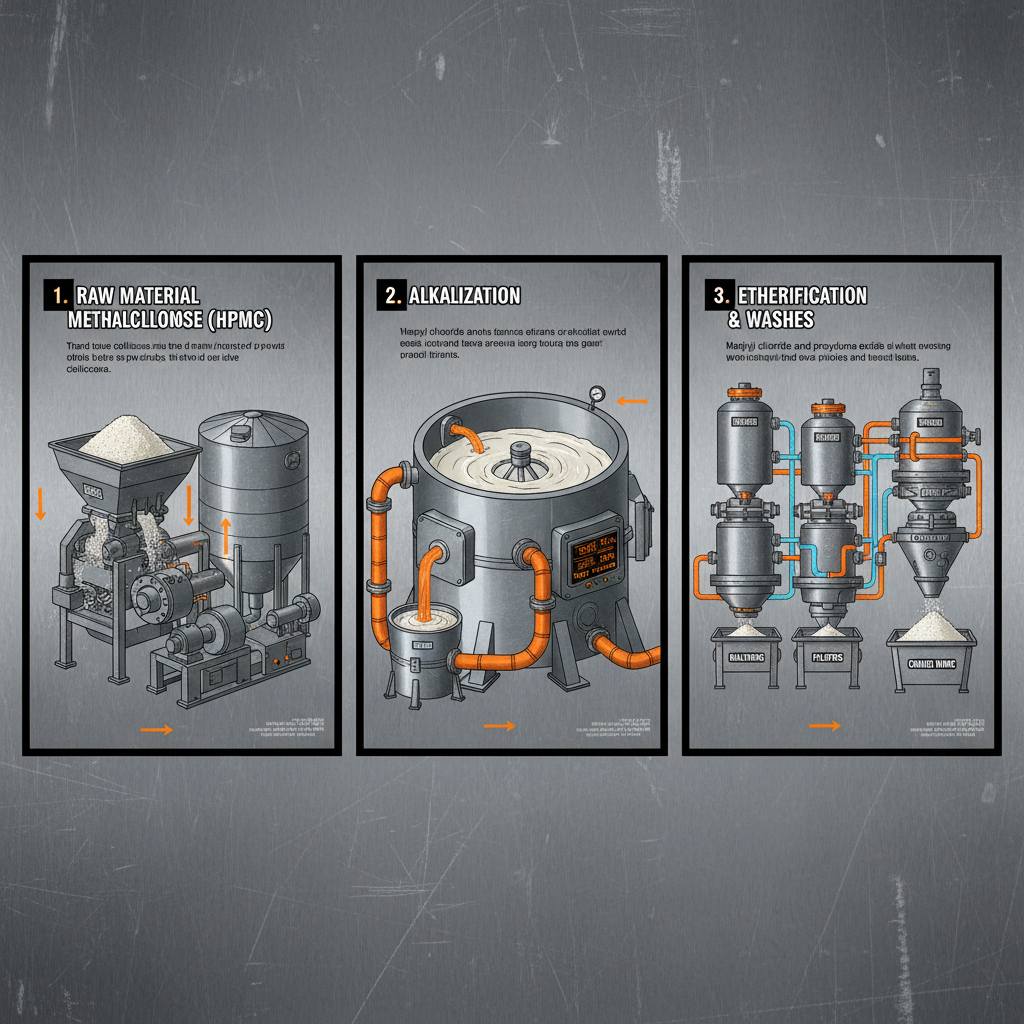
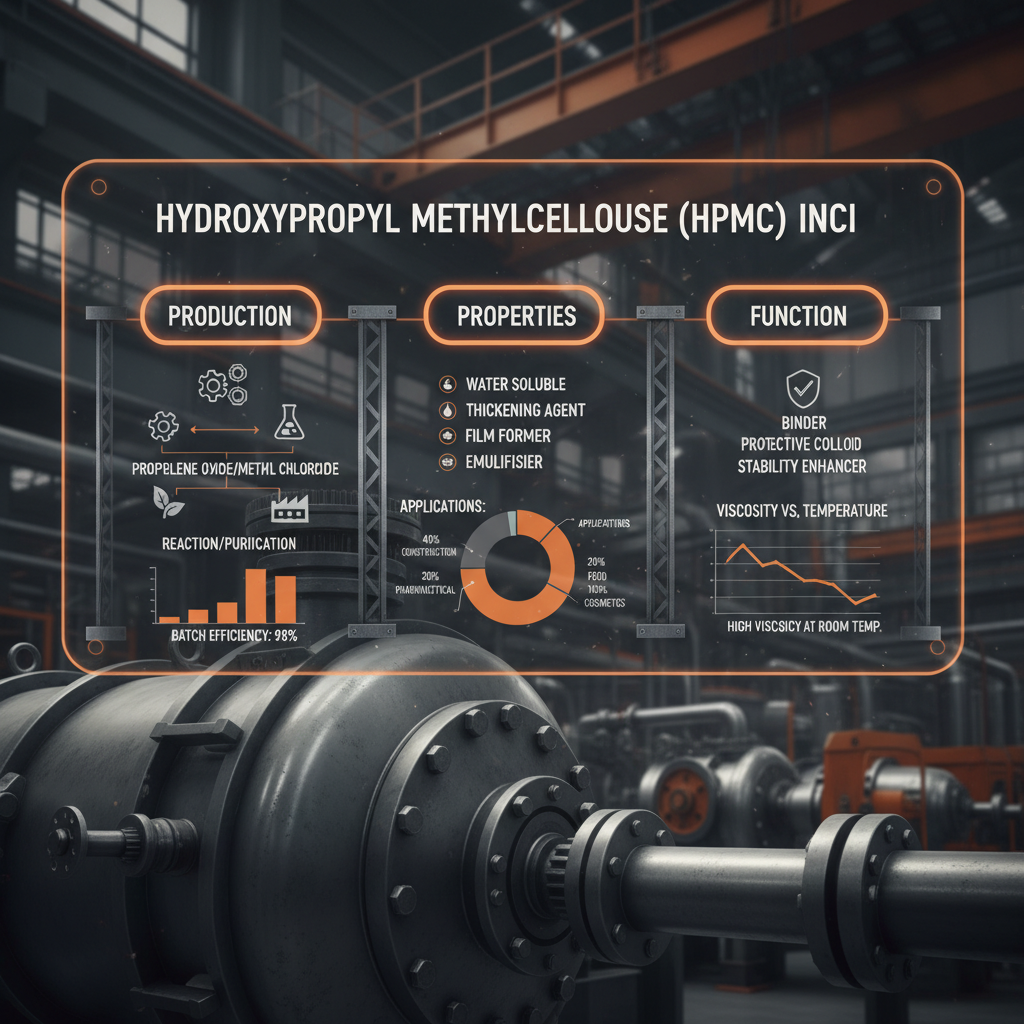
Hydroxypropyl methylcellulose inci, in its simplest form, is a non-ionic cellulose ether produced by chemically modifying cellulose. This modification introduces hydroxypropyl and methyl groups onto the cellulose backbone, altering its properties to achieve desired characteristics like solubility, viscosity, and gelation. It's essentially a plant-derived polymer, making it an attractive, renewable alternative to synthetic polymers in many applications.
The significance of HPMC lies in its biocompatibility and versatile functionality. Its water solubility, coupled with its ability to form stable films and solutions, positions it as a critical component in numerous industries – from pharmaceuticals where it acts as a binder and controlled-release agent, to food where it serves as a thickener and stabilizer. The precise control over the degree of substitution of the methyl and hydroxypropyl groups enables the tailoring of hydroxypropyl methylcellulose inci properties to specific application needs.
Hydroxypropyl methylcellulose inci offers superior clarity, stability across a wider pH range, and more consistent thickening properties compared to starch. Unlike starch, HPMC is not susceptible to microbial attack and doesn't require pasteurization. This makes it ideal for applications requiring long shelf life and clear formulations. The controlled viscosity profile achieved with hydroxypropyl methylcellulose inci also offers greater formulation flexibility.
Higher molecular weight HPMC generally provides stronger binding properties, leading to harder tablets. However, excessively high molecular weight can hinder tablet disintegration. Choosing the appropriate molecular weight is a balance between tablet hardness and dissolution rate. Viscosity is directly related to molecular weight; higher viscosity grades offer greater binding but may require optimization for optimal drug release.
Yes, HPMC is derived from cellulose, a renewable resource, making it a more sustainable option than many petroleum-based polymers. While not fully biodegradable under all conditions, it decomposes more readily than synthetic polymers. The production process is continually being optimized to reduce its environmental footprint, and utilizing hydroxypropyl methylcellulose inci contributes to greener formulations.
HPMC should be stored in a cool, dry, well-ventilated area, protected from direct sunlight and moisture. Exposure to humidity can lead to clumping and reduced functionality. Proper storage in sealed containers is crucial to prevent degradation and maintain consistent performance over time. Following the manufacturer’s recommendations for storage is highly advised.
Absolutely. HPMC is frequently combined with other polymers to create synergistic effects and tailor properties to specific applications. For example, blending with Xanthan Gum can enhance suspension stability, while combining with a water-soluble polymer like PVP can improve film-forming characteristics. Careful selection and optimization of the blend ratios are key to achieving the desired results.
The degree of substitution (DS) dictates the amount of methyl and hydroxypropyl groups attached to the cellulose backbone. Higher DS values generally increase solubility in both water and organic solvents, reduce gelation temperature, and influence viscosity. Precise control of DS allows manufacturers to tailor HPMC properties to meet specific formulation requirements. This customization is vital for optimal performance in diverse applications.
Hydroxypropyl methylcellulose inci stands as a remarkably versatile polymer with widespread applications across pharmaceuticals, food, construction, and cosmetics. Its unique combination of properties – including thickening, binding, film-forming, and water retention – coupled with its renewability and biocompatibility, positions it as a crucial ingredient for innovation and sustainable development. The ability to tailor its characteristics through controlled manufacturing processes ensures its continued relevance in meeting evolving industry demands.
Looking forward, continued research into novel HPMC modifications and applications, along with a commitment to sustainable sourcing and production, will unlock its full potential. To learn more about the specific grades and capabilities of hydroxypropyl methylcellulose inci and how it can benefit your applications, visit our website today.