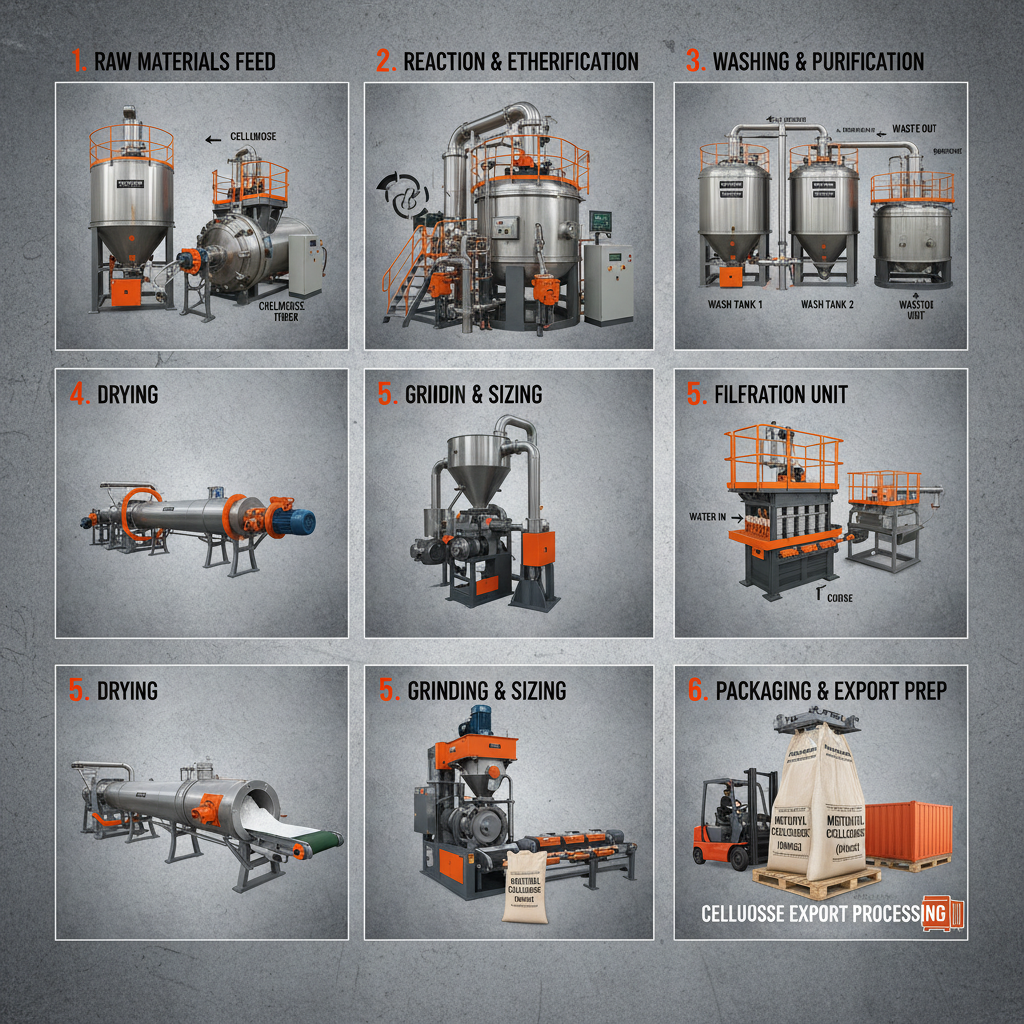
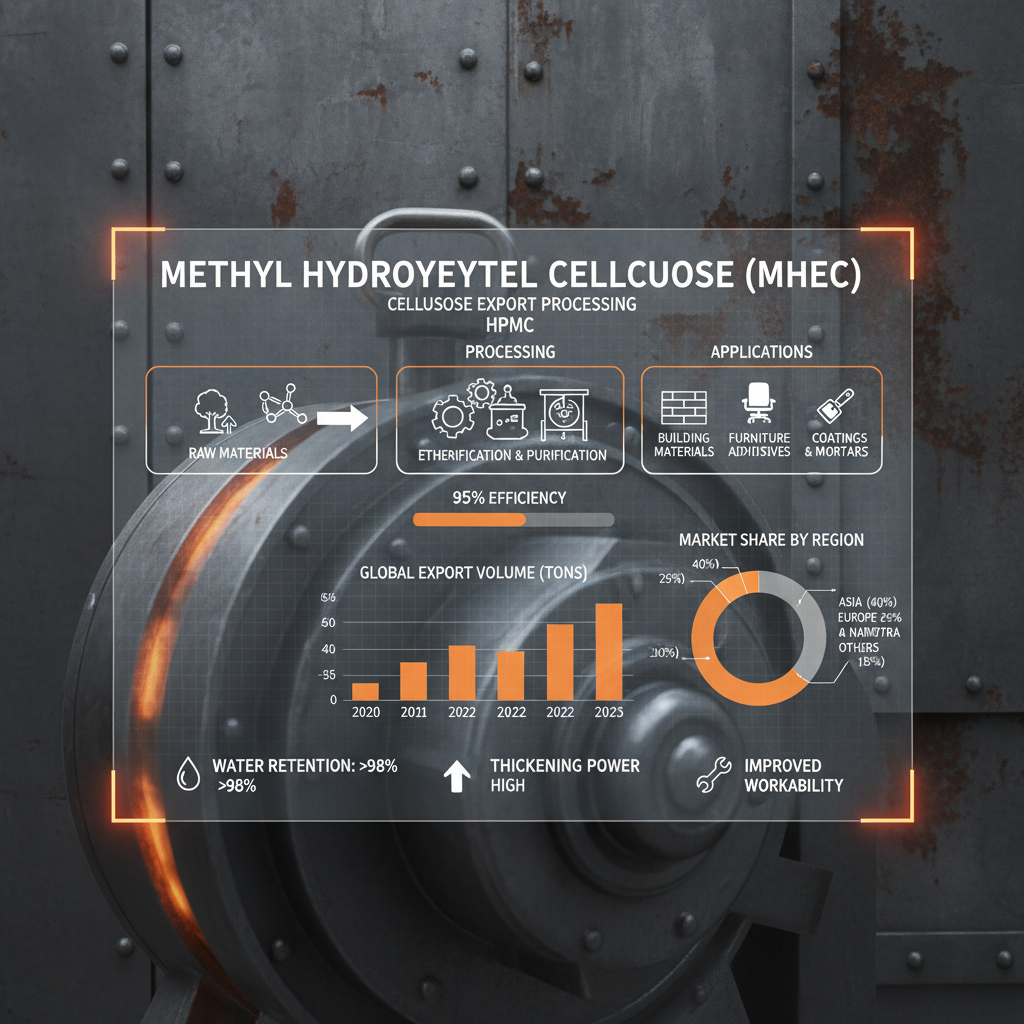
Methyl hydroxyethyl cellulose (MHEC) is a versatile, water-soluble polymer gaining prominence across diverse industries. Its unique properties—thickening, binding, film-forming, and water retention—make it an invaluable ingredient in applications ranging from construction materials and paints to pharmaceuticals and personal care products. Understanding MHEC’s characteristics and potential is crucial for innovators seeking sustainable and effective solutions in an increasingly complex world.
Globally, the demand for MHEC is driven by the growth in construction, particularly in developing nations, alongside the expanding paints and coatings sector. According to market research reports, the MHEC market is projected to reach significant growth figures in the coming years, fueled by a rising awareness of its benefits over traditional additives. The increasing focus on eco-friendly and sustainable building materials further amplifies its appeal.
MHEC addresses key challenges in several industries. In construction, it improves workability and water retention of cement-based materials, reducing cracking and enhancing durability. In paints, it provides excellent thickening and rheology control, resulting in smoother application and better coverage. Its biocompatibility also makes it suitable for pharmaceutical and cosmetic applications, offering safe and effective formulation options.
Introduction to methyl hydroxyethyl cellulose mhec
Methyl hydroxyethyl cellulose (MHEC) is a non-ionic cellulose ether derived from cellulose, a naturally abundant polymer found in plant cell walls. Through chemical modification, cellulose is transformed into MHEC, enhancing its solubility and imparting unique functionalities. This makes it a crucial component in formulations requiring thickening, water retention, and rheology modification.
Its increasing adoption stems from its superior performance characteristics and environmental profile. Unlike some synthetic polymers, MHEC is biodegradable and derived from a renewable resource. This aligns with the growing demand for sustainable and eco-friendly materials across various industries, contributing to a reduced carbon footprint and promoting responsible manufacturing practices.
Defining methyl hydroxyethyl cellulose mhec
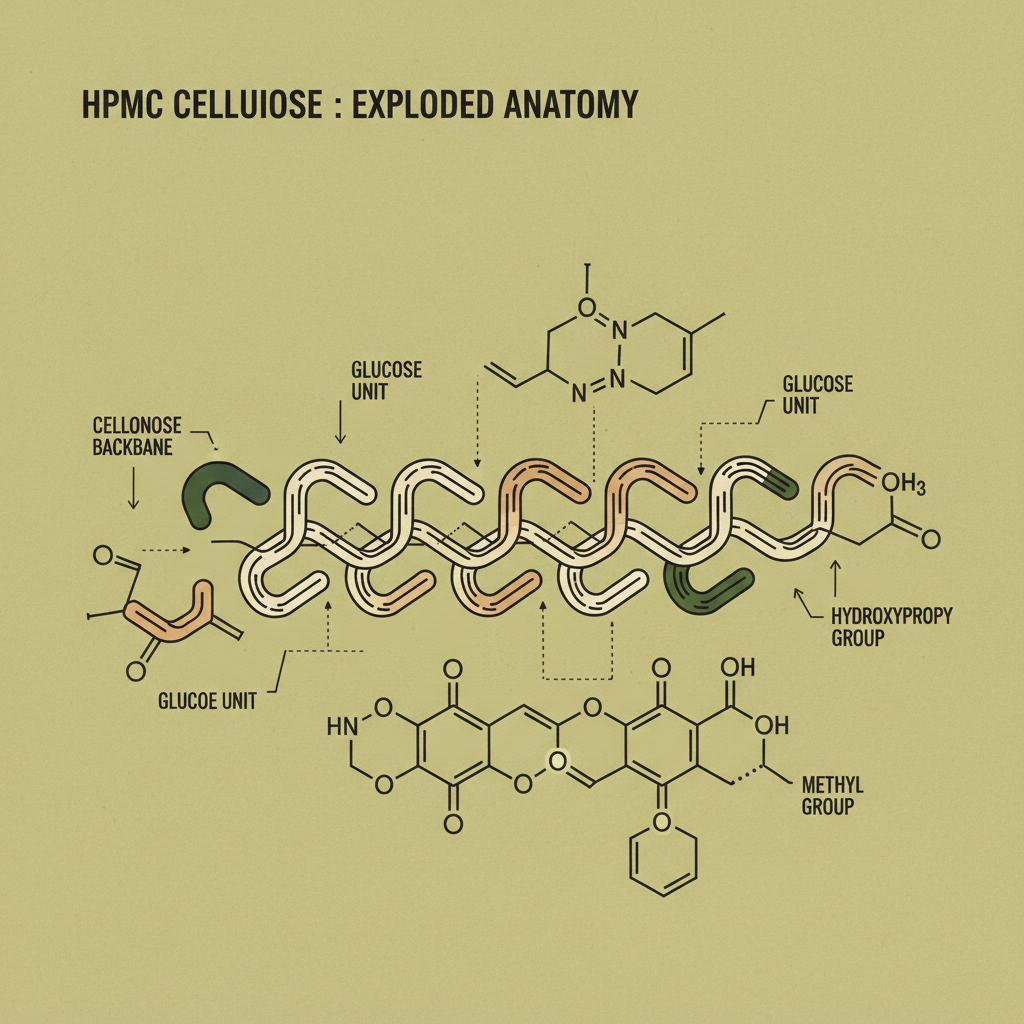
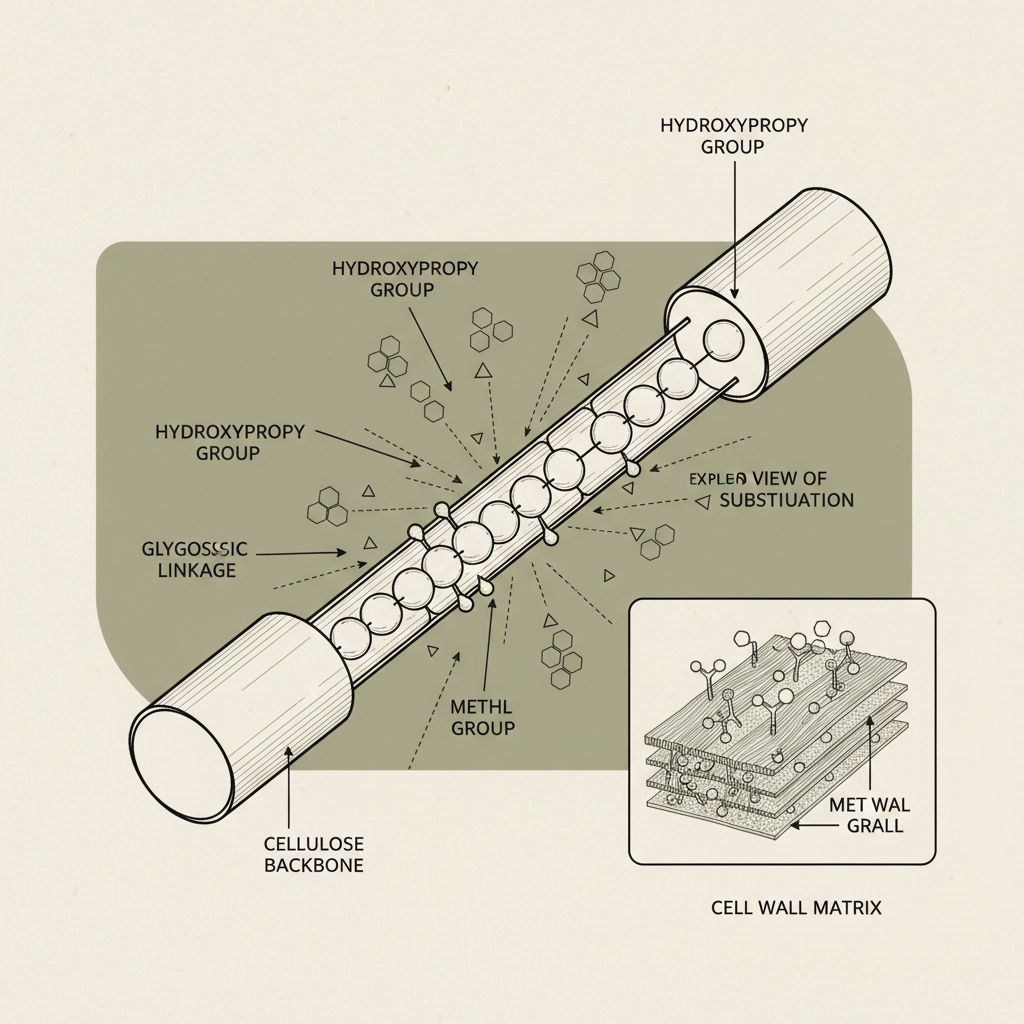
At its core, methyl hydroxyethyl cellulose is a chemically modified cellulose. Cellulose, the main structural component of plants, is treated with methyl chloride and ethylene oxide, resulting in the addition of methyl and hydroxyethyl groups to the cellulose backbone. This process drastically alters the cellulose’s solubility, making it readily dispersible in water. The degree of substitution (DS) – the average number of substituent groups attached to each cellulose anhydroglucose unit – dictates the specific properties of the resulting MHEC grade.
The chemical structure of MHEC contributes to its remarkable functionalities. The ether linkages prevent the formation of strong hydrogen bonds between cellulose chains, facilitating dissolution in water. The presence of both methyl and hydroxyethyl groups provides a balance of hydrophobic and hydrophilic characteristics, allowing MHEC to interact with a wide range of materials and exhibit versatile performance.
MHEC is intimately linked to modern industrial needs and humanitarian efforts. From ensuring the stability of pharmaceutical formulations to improving the workability of construction materials in developing regions, its versatility makes it an indispensable asset in addressing real-world challenges.
Core Properties of methyl hydroxyethyl cellulose mhec
MHEC boasts several key properties that distinguish it from other cellulose ethers and synthetic polymers. Firstly, its excellent thickening efficiency allows for formulating products with desired viscosity at low concentrations. Secondly, it exhibits exceptional water retention, preventing premature drying and cracking in cement-based applications. This is crucial for achieving optimal strength and durability.
Furthermore, MHEC provides superior film-forming capabilities, creating cohesive and durable coatings. It also demonstrates excellent compatibility with various additives, including pigments, resins, and surfactants, enabling flexible formulation designs. Its stability over a wide pH range and temperature conditions enhances its reliability in diverse applications.
Finally, MHEC's non-ionic nature makes it less sensitive to salt ions compared to ionic polymers, making it suitable for applications where electrolyte presence is high. These inherent properties make MHEC a preferred choice in industries demanding precise control over rheology, water retention, and film formation.
Key Factors Influencing methyl hydroxyethyl cellulose mhec Performance
The performance of MHEC is influenced by several factors, including its viscosity grade, degree of substitution (DS), and particle size. Higher viscosity grades generally provide greater thickening efficiency, but also increase solution viscosity. The DS ratio impacts water solubility and film-forming characteristics.
Particle size affects dispersion rate and the clarity of solutions. Finer particles disperse more readily, reducing the potential for clumping and resulting in more homogeneous formulations. Careful selection of these parameters is crucial for optimizing MHEC performance in specific applications.
MHEC Performance Comparison by Modification Method
Global Applications of methyl hydroxyethyl cellulose mhec
MHEC finds widespread application in the construction industry as a key additive in cement-based mortars, tile adhesives, and self-leveling compounds. It improves workability, water retention, and adhesion, enhancing the overall performance and durability of these materials. In the paints and coatings sector, it acts as a thickener, stabilizer, and rheology modifier, resulting in improved application properties and film characteristics.
Pharmaceutical and cosmetic industries utilize MHEC as a binder, film-former, and suspending agent in various formulations, including tablets, creams, and lotions. Its biocompatibility and non-toxicity make it ideal for these sensitive applications. Regions experiencing rapid infrastructure development, such as Asia-Pacific and Latin America, are witnessing significant demand for MHEC in construction.
Advantages & Long-Term Value of methyl hydroxyethyl cellulose mhec
The advantages of using MHEC are multifaceted. Cost-effectively, it often requires lower dosage rates compared to other thickeners, reducing overall formulation costs. Sustainability is a significant benefit, as MHEC is derived from renewable cellulose, reducing reliance on fossil fuel-based polymers.
From a social impact perspective, MHEC contributes to safer and more durable construction, improving living conditions. Its reliable performance fosters trust among manufacturers and end-users, driving innovation and long-term partnerships. Its contribution to more efficient and environmentally friendly production processes elevates its value proposition.
Future Trends in methyl hydroxyethyl cellulose mhec
Ongoing research focuses on developing modified MHEC grades with tailored properties for specific applications. This includes exploring new derivatization techniques to enhance thermal stability, improve film clarity, and expand compatibility with different polymer systems. The integration of nanotechnology to create MHEC-based nanocomposites is another promising avenue for enhancing mechanical strength and barrier properties.
Furthermore, the increasing emphasis on bio-based materials and circular economy principles will likely drive greater adoption of MHEC as a sustainable alternative to synthetic polymers. Digital transformation and automation in manufacturing processes will also influence MHEC production, leading to improved efficiency and quality control.
Summary of Key Considerations for MHEC Application
| Application Area |
Key MHEC Properties |
Performance Optimization |
Sustainability Impact |
| Construction (Mortars) |
Water Retention, Workability |
Viscosity Grade Selection, Particle Size Control |
Reduced Cement Usage, Enhanced Durability |
| Paints & Coatings |
Thickening, Rheology Control |
DS Ratio Adjustment, Additive Compatibility |
Lower VOC Content, Bio-Based Formulation |
| Pharmaceuticals (Tablets) |
Binding, Film-Forming |
Viscosity Grade, Particle Size Distribution |
Biocompatibility, Reduced Excipient Use |
| Cosmetics (Creams) |
Stabilization, Texture |
DS Ratio, Compatibility with Actives |
Natural Ingredient, Reduced Synthetic Polymer Use |
| Adhesives |
Adhesion, Cohesive Strength |
Concentration Adjustment, Compatibility with Resin |
Reduced Formaldehyde Emission |
| Ceramics |
Binder, Plasticity |
Viscosity Control, Drying Rate Adjustment |
Improved Green Strength, Reduced Cracking |
FAQS
MHEC’s primary role is to improve water retention and workability. This prevents rapid water evaporation, allowing for proper cement hydration and reducing cracking, ultimately leading to stronger and more durable concrete. It also enhances the adhesion of mortars and tile adhesives, ensuring a robust bond between surfaces. This contributes to increased structural integrity and longevity in construction projects, improving the long-term performance of buildings and infrastructure.
MHEC typically offers a balance between cost and performance. While HEC (Hydroxyethyl Cellulose) might exhibit slightly better water retention in some applications, MHEC often provides superior thickening efficiency and compatibility with various additives. The cost of MHEC can vary based on its viscosity grade and degree of substitution, but it’s generally competitive with other cellulose ethers. Selecting the optimal cellulose ether depends on the specific requirements of the formulation and cost considerations.
Yes, MHEC is considered environmentally friendly as it's derived from cellulose, a renewable resource obtained from plant cell walls. It’s also biodegradable under certain conditions, making it a sustainable alternative to many synthetic polymers. However, the biodegradability rate can vary depending on environmental factors like temperature, moisture, and microbial activity. Using MHEC contributes to reducing the reliance on fossil fuel-based materials and minimizing environmental impact.
The typical dosage rate of MHEC in paint formulations ranges from 0.1% to 1.5% by weight, depending on the desired viscosity and rheological properties. Higher dosages will result in thicker paints. The specific grade of MHEC and the other components of the paint formulation also influence the optimal dosage. Careful experimentation is often needed to fine-tune the formulation for the desired performance characteristics.
When handling MHEC powder, it’s important to avoid creating dust as it can cause respiratory irritation. Wear a dust mask or respirator in poorly ventilated areas. Avoid contact with eyes and skin. In case of contact, rinse thoroughly with water. Store MHEC in a cool, dry place away from direct sunlight and moisture to prevent clumping and degradation. Consult the Material Safety Data Sheet (MSDS) for comprehensive safety information.
Yes, MHEC exhibits excellent compatibility with a wide range of additives commonly used in various formulations, including pigments, resins, surfactants, dispersants, and biocides. This allows formulators to tailor the properties of their products precisely. However, it’s always recommended to conduct compatibility tests to ensure that MHEC doesn’t negatively interact with other ingredients and maintains the desired performance characteristics of the final product.
Conclusion
In summary, methyl hydroxyethyl cellulose (MHEC) is a highly versatile and valuable polymer with a broad spectrum of applications across diverse industries. Its unique combination of thickening, water retention, film-forming, and biocompatibility properties makes it an ideal ingredient for formulations demanding performance, sustainability, and safety. Understanding these properties and their influence on MHEC's behavior is paramount for optimizing its use and unlocking its full potential.
Looking ahead, continued innovation in MHEC modification techniques and formulation strategies will further expand its application scope. The growing focus on bio-based materials and sustainable practices positions MHEC as a key player in the future of materials science. For more information on MHEC and its applications, or to explore customized solutions for your specific needs, visit our website: www.sshbhpmc.com.