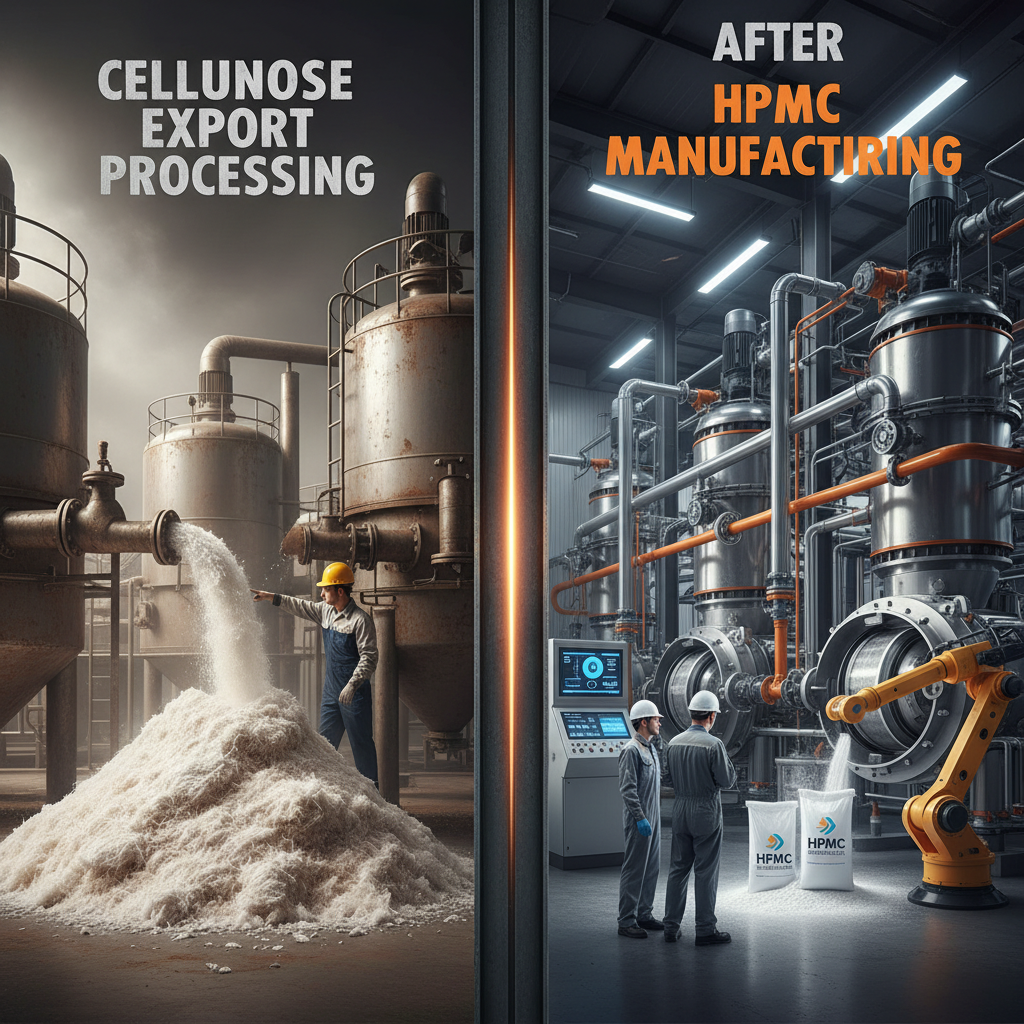
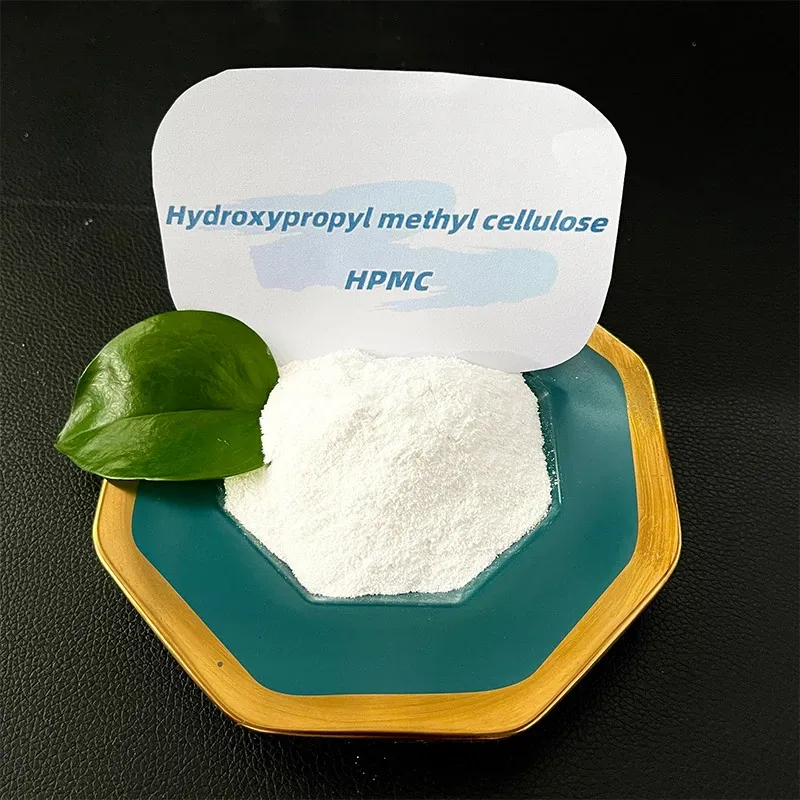
The evolution of sustainable construction materials has led to a renewed interest in organic reinforcements and specialized additives. While many professionals search for methyl hydroxyethyl cellulose uses to improve rheology, the integration of natural fibers like xylem fiber is providing a complementary approach to structural sustainability and environmental responsibility.
Global demand for eco-friendly building solutions is driving the transition from synthetic polymers to renewable resources. Understanding the synergy between chemical additives and organic fibers allows manufacturers to optimize the strength, durability, and carbon footprint of modern infrastructure, ensuring that high-performance standards are met without sacrificing ecological integrity.
By exploring the diverse methyl hydroxyethyl cellulose uses alongside the application of xylem fiber, industry experts can create advanced mortar and concrete mixes that offer superior workability and structural resilience. This holistic approach to material science is essential for the next generation of green building certifications and urban development.
The Nature and Origin of Xylem Fiber
Xylem fiber is a natural and renewable resource derived from wood, which has gained significant attention in various industries due to its eco-friendly attributes and inherent versatility. This organic material is extracted from the water-conducting tissues of plants, providing a robust cellular structure that is ideal for reinforcing composite materials.
To transform raw wood into a high-quality industrial product, xylem fiber undergoes a precise series of chemical treatments and mechanical processing. This ensures the removal of impurities and the optimization of fiber length and strength, making it suitable for a wide array of professional applications ranging from construction to household goods.
Core Properties and Processing Standards
The effectiveness of xylem fiber lies in its unique structural composition, which provides a high strength-to-weight ratio. Through mechanical processing, the fibers are refined to ensure consistent dispersion within matrices such as cement or asphalt, preventing clumping and ensuring uniform reinforcement across the entire material volume.
Chemical treatments are employed to enhance the fiber's compatibility with other chemical agents. This is particularly important when these fibers are used in tandem with additives, as the surface energy of the fiber must be balanced to ensure a strong interfacial bond between the organic fiber and the inorganic binder.
Furthermore, the absorbent properties of xylem fiber are a critical technical advantage. This ability to manage moisture helps in controlling the hydration process in cementitious materials and provides the necessary capillary action required for the production of specialized biodegradable sponges.
Structural Applications in Construction
In the construction sector, xylem fiber plays an essential role in enhancing the properties of concrete and mortar mixes. By integrating these fibers, manufacturers can improve overall strength and durability, reducing the propensity for shrinkage cracks and increasing the impact resistance of the final structure.
While professionals often evaluate methyl hydroxyethyl cellulose uses to manage water retention and workability, xylem fiber provides the physical skeleton that supports these chemical improvements, creating a synergistic effect that enhances the structural integrity of the build.
The application extends significantly into the production of gypsum products. Here, the addition of xylem fiber improves the workability of the gypsum paste and ensures that the finished panels or molds possess higher structural integrity, making them more resilient during transport and installation.
Performance Metrics and Efficiency
Measuring the performance of organic reinforcements requires a look at both mechanical load-bearing capacity and environmental sustainability. Xylem fiber consistently demonstrates an ability to reduce the volume of traditional raw materials needed in concrete mixes without compromising the final compressive strength.
When compared to synthetic alternatives, xylem fiber offers a superior balance of cost-efficiency and biodegradability, making it a preferred choice for projects targeting LEED or other green building certifications.
Industrial Versatility Across Sectors
The utility of xylem fiber extends far beyond the construction site. In the asphalt industry, it acts as a critical reinforcing agent that improves the resilience and longevity of roads, reducing the frequency of potholes and structural failures caused by thermal expansion and contraction.
Additionally, xylem fiber is a key ingredient in the manufacturing of medium density fiberboard (MDF). By utilizing this sustainable fiber, manufacturers can produce sturdy building materials for the home-building sector that are more environmentally responsible than traditional hardwood or synthetic boards.
Sustainability and Ecological Impact
Integrating xylem fiber into modern manufacturing processes aligns seamlessly with global goals for responsible resource management. As a renewable resource, it reduces the industry's reliance on petroleum-based polymers and mineral-heavy aggregates, thereby lowering the overall carbon footprint of the building process.
The processing of these fibers also promotes responsible forestry practices. By creating a commercial value for wood-derived fibers, it encourages the maintenance of healthy forest ecosystems, which in turn supports biodiversity and contributes to the global fight against climate change.
Moreover, the biodegradable nature of xylem fiber ensures that at the end of a product's lifecycle, the materials can be disposed of with minimal environmental impact, supporting a circular economy where resources are returned to the earth safely.
Future Innovations in Organic Fiber Materials
The future of sustainable materials lies in the continued exploration of xylem fiber's multifunctional properties. We are seeing a shift toward "smart" composites where organic fibers are combined with advanced polymers to create self-healing concrete or ultra-lightweight structural panels.
Innovation in the field of wood pulp sponges is also expanding. By leveraging the absorbent properties of xylem fiber, researchers are developing biodegradable industrial cleaning tools that can replace synthetic foams in medical and household applications.
As industries evolve, the synthesis of natural fibers and chemical additives will become the standard. The ability to leverage this natural resource effectively paves the way for innovative product development that prioritizes both high performance and ecological responsibility.
Comprehensive Analysis of Xylem Fiber Applications
| Industry Sector |
Primary Application |
Core Benefit |
Sustainability Score |
| Concrete/Mortar |
Structural Reinforcement |
Crack Reduction |
9/10 |
| Gypsum Products |
Workability Agent |
Improved Integrity |
8/10 |
| Asphalt Roads |
Reinforcing Agent |
Long-term Resilience |
7/10 |
| MDF Board |
Key Base Ingredient |
Sustainable Sturdiness |
10/10 |
| Household Goods |
Biodegradable Sponges |
Eco-friendly Cleaning |
9/10 |
| Specialty Chem |
Organic Flocculant |
Chemical Versatility |
8/10 |
FAQS
Xylem fiber acts as a microscopic reinforcement network within the concrete matrix. It helps distribute stress more evenly across the material and inhibits the propagation of micro-cracks, which significantly enhances the overall durability and load-bearing capacity of the structure.
Yes, it is an excellent replacement. Xylem fiber provides the necessary structural rigidity and bonding surface required for medium density fiberboard while offering the added benefit of being renewable and biodegradable, unlike many synthetic resin-based fibers.
Absolutely. In many high-performance mortars, xylem fiber provides the physical reinforcement while additives like Hydroxypropyl Methyl Cellulose (HPMC) manage water retention and workability. Together, they create a material that is easy to apply and structurally superior.
The primary advantage is biodegradability. Xylem fiber sponges utilize the natural capillary structure of wood to absorb liquids efficiently, but unlike polyurethane sponges, they break down naturally in the environment, reducing plastic pollution in households.
By replacing carbon-intensive synthetic fibers and reducing the amount of cement or asphalt needed through improved efficiency, xylem fiber lowers the embodied energy of construction projects. Furthermore, it supports sustainable forestry, which sequesters carbon from the atmosphere.
While processing requires energy, the overall lifecycle analysis shows a net gain. The reduction in raw material waste and the longevity it adds to infrastructure (like roads and buildings) far outweigh the initial energy cost of fiber refinement.
Conclusion
The integration of xylem fiber into modern industry represents a pivotal shift toward sustainable manufacturing. By enhancing the structural integrity of everything from concrete and gypsum to asphalt and MDF, this renewable resource proves that ecological responsibility and high-performance engineering are not mutually exclusive. When combined with an understanding of methyl hydroxyethyl cellulose uses and other advanced additives, xylem fiber empowers builders and manufacturers to create durable, efficient, and green products.
Looking forward, the continued adoption of organic fibers will be paramount in driving the transition toward a carbon-neutral construction industry. We encourage manufacturers and architects to embrace these renewable alternatives to ensure a sustainable future for global infrastructure. For more information on high-quality additives and sustainable material solutions, visit our website: www.sshbhpmc.com.