The global construction and manufacturing industries are currently undergoing a massive shift toward sustainable materials to combat environmental degradation and resource depletion. Understanding the diverse range of hpmc applications allows engineers and developers to optimize material performance while adhering to strict ecological standards. By integrating renewable resources into industrial processes, the industry can achieve a balance between high-strength structural requirements and environmental responsibility.
Modern building chemistry emphasizes the use of organic additives and natural fibers to reduce the carbon footprint of urban development. The integration of specialized wood-derived materials, such as xylem fiber, alongside traditional chemical additives, creates a synergistic effect that enhances durability and workability. This transition is not merely a trend but a necessity as global regulations move toward mandatory green building certifications and sustainable sourcing.
As we explore the technical nuances of hpmc applications and the role of organic flocculent materials, it becomes clear that the future of the chemical building materials industry lies in renewability. By leveraging natural fibers, manufacturers can significantly improve the structural integrity of mortars and gypsum products while promoting responsible forestry.
The Role of Natural Fibers in hpmc applications
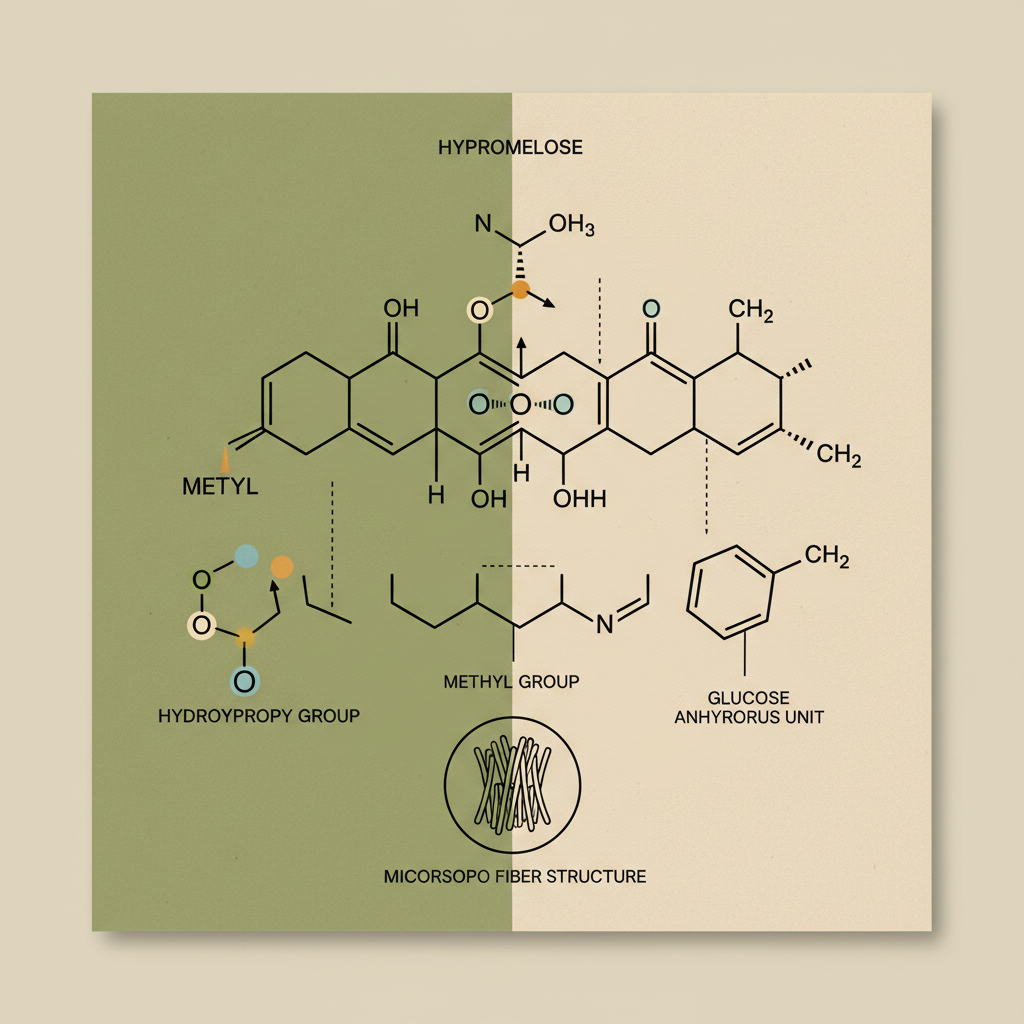
In the context of modern chemical building materials, the synergy between synthetic polymers and natural fibers is crucial. While various hpmc applications focus on water retention and viscosity, the introduction of xylem fiber provides the physical reinforcement necessary for structural stability. This organic flocculent fiber, derived from wood, acts as a stabilizing matrix that complements the chemical properties of the mix.
The mechanical processing of these fibers ensures they can be seamlessly integrated into diverse construction mediums. By utilizing a renewable resource, manufacturers can reduce the reliance on purely synthetic additives, thereby creating a more balanced and eco-friendly product line that meets the demands of the contemporary architectural landscape.
Technical Specifications of Xylem Fiber
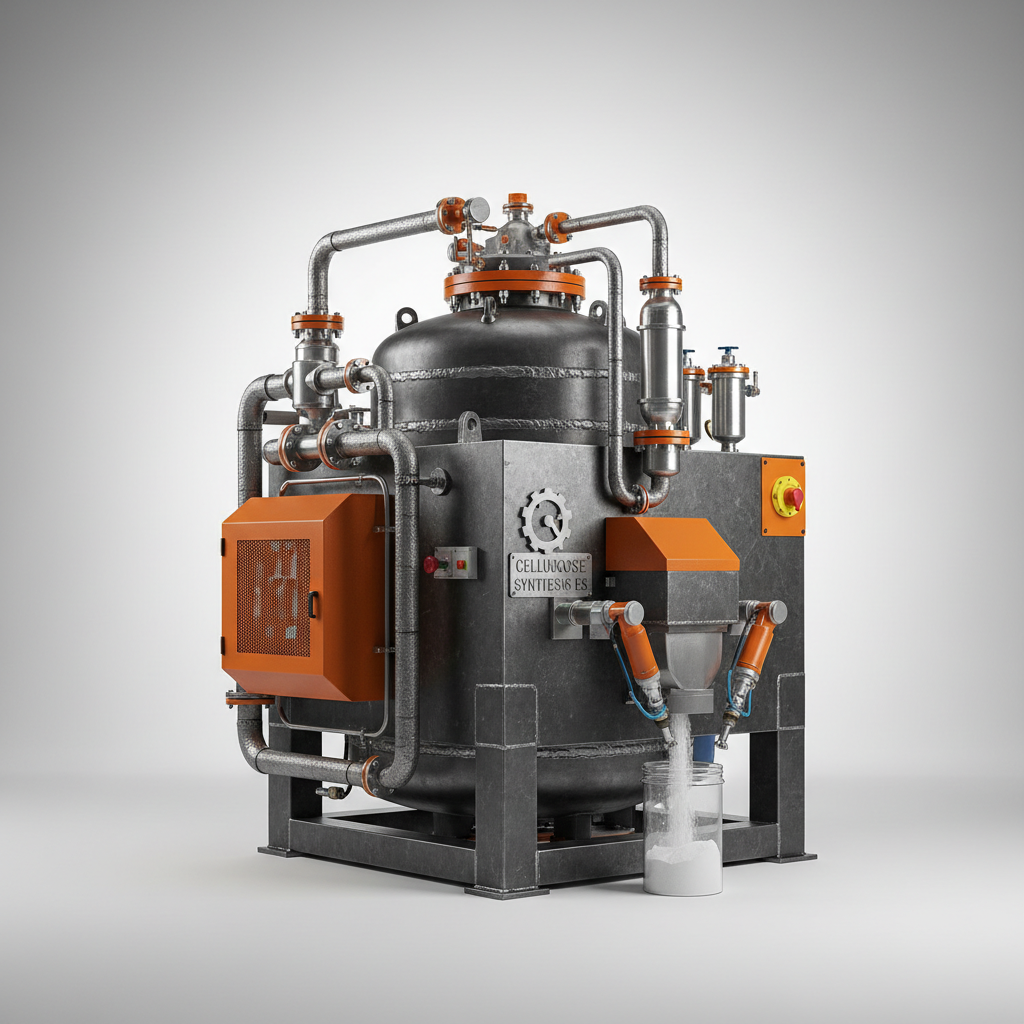
Xylem fiber is a high-quality organic material obtained through a rigorous series of chemical treatments and mechanical processing. This ensures that the natural wood resource is transformed into a consistent, industrial-grade fiber capable of withstanding the harsh environments found in concrete and asphalt mixes. Its primary value lies in its ability to function as a biodegradable reinforcement agent.
Unlike traditional mineral fillers, xylem fiber offers a unique combination of absorbency and tensile strength. These properties are essential for controlling the shrinkage of cementitious materials and improving the workability of gypsum-based products, making it an ideal companion in various industrial applications.
Furthermore, the renewable nature of the wood source ensures a steady supply chain that is less susceptible to the volatility of synthetic chemical markets. This reliability allows manufacturers to maintain consistent quality in their final building products while upholding strict environmental standards.
Enhancing Concrete and Mortar Performance
The incorporation of xylem fiber into concrete and mortar mixes is one of the most effective ways to improve long-term durability. By acting as a reinforcing agent, it prevents the formation of micro-cracks during the curing process, which is a common challenge in traditional hpmc applications within the building sector.
Beyond mere strength, the fiber contributes to environmental sustainability by reducing the volume of traditional raw materials required for a stable mix. This efficiency not only lowers costs but also minimizes the carbon footprint associated with the extraction and transport of mineral aggregates, effectively broadening the scope of green hpmc applications.
In gypsum products specifically, the addition of these fibers enhances structural integrity and significantly improves workability. This ensures that the final product is easier to apply and less prone to sagging or cracking, resulting in a higher quality finish for interior wall systems and ceiling panels.
Industrial Utility and Versatility
The utility of xylem fiber extends far beyond the concrete mixer. In the asphalt industry, it serves as a critical reinforcing agent that improves the resilience and longevity of roads. By enhancing the bond between the bitumen and the aggregate, it reduces the likelihood of rutting and thermal cracking under extreme weather conditions.
Additionally, the fiber is a key ingredient in the production of Medium Density Fiberboard (MDF), providing the necessary stability for sustainable home-building materials. Its absorbent properties also make it an excellent choice for manufacturing biodegradable wood pulp sponges, offering a green alternative to synthetic cleaning tools.
Performance Ratings for Diverse hpmc applications
Sustainability and Environmental Impact
The shift toward xylem fiber represents a commitment to responsible resource management. By utilizing wood-derived fibers, manufacturers can significantly lower their carbon footprint and support the transition to a circular economy. This alignment with global sustainability goals makes these materials increasingly attractive to architects and contractors seeking LEED or BREEAM certifications.
Moreover, the cultivation and processing of these fibers promote responsible forestry practices. This supports the maintenance of ecosystem balances and contributes to the global effort against climate change, proving that industrial progress does not have to come at the expense of the planet.
Innovations in Wood-Derived Materials
As technology evolves, the processing methods for xylem fiber are becoming more precise, allowing for tailored fiber lengths and diameters to meet specific structural needs. This level of customization ensures that the material can be optimized for everything from ultra-lightweight panels to heavy-duty industrial flooring.
The integration of these fibers with advanced chemical additives further expands the potential of hpmc applications. By combining the water-retention capabilities of polymers with the mechanical strength of organic fibers, the industry is creating a new generation of "smart" building materials.
Looking forward, the exploration of bio-composite materials is poised to revolutionize the construction sector. The ability to leverage natural resources effectively paves the way for innovative product development that prioritizes both ecological responsibility and peak product performance.
Comparative Analysis of Organic Reinforcements
When comparing xylem fiber to other organic reinforcements, its versatility stands out. While some fibers are limited to specific temperature ranges or chemical environments, xylem fiber's processed nature allows it to remain stable in both alkaline concrete and acidic asphalt environments.
The economic benefits are equally compelling. By reducing the need for expensive synthetic polymers and minimizing raw material waste, companies can achieve a lower cost-per-unit without sacrificing the quality or safety of the final building component.
Ultimately, the adoption of these fibers is a strategic move toward future-proofing the manufacturing process. As the landscape of construction adapts to stricter environmental laws, the use of renewable, wood-derived fibers provides a competitive edge in the global market.
Core Performance Comparison of Xylem Fiber in Construction
| Application Sector |
Primary Benefit |
Sustainability Score |
Durability Impact |
| Concrete & Mortar |
Crack Reduction |
9/10 |
High |
| Gypsum Products |
Structural Integrity |
8/10 |
Medium-High |
| Asphalt Roads |
Resilience |
7/10 |
High |
| MDF Production |
Sturdiness |
10/10 |
High |
| Pulp Sponges |
Biodegradability |
10/10 |
Low-Medium |
| General Mortar |
Workability |
8/10 |
Medium |
FAQS
Xylem fiber acts as a natural reinforcing agent that bridges micro-cracks within the concrete matrix during the curing process. This prevents cracks from expanding, thereby increasing the overall strength and lifespan of the structure while reducing the need for synthetic reinforcements.
Yes, xylem fiber is derived from renewable wood resources and is biodegradable. Unlike synthetic fibers, it has a significantly lower carbon footprint and promotes responsible forestry, making it an ideal choice for green building projects.
Xylem fiber is highly versatile and can be used in a wide range of gypsum products, including wallboards and ceiling panels. It improves both the structural integrity and the workability of the mix, leading to better application results.
In asphalt, it functions as a stabilizing agent that enhances the bond between bitumen and stone. This increases the road's resistance to thermal deformation and wear, extending the time between necessary road repairs.
The fiber undergoes a series of chemical treatments and mechanical processes to remove impurities and standardize dimensions. This ensures the material is consistent, stable, and compatible with high-volume industrial mixing equipment.
Depending on the processing, xylem fiber can help manage moisture distribution. When used in conjunction with proper hpmc applications, it can actually help maintain a consistent workability window without negatively impacting the final set time.
Conclusion
In summary, the integration of xylem fiber into the chemical building materials industry marks a significant step toward a more sustainable and durable future. By enhancing the properties of concrete, gypsum, and asphalt, these wood-derived fibers provide a practical solution to the challenges of structural failure and environmental degradation. The synergy between organic reinforcements and specialized polymers allows for high-performance materials that do not compromise the health of our planet.
As the global demand for green technology continues to rise, the adoption of renewable resources like xylem fiber will become the standard rather than the exception. Manufacturers and engineers are encouraged to explore these bio-composite solutions to improve product longevity and reduce their ecological impact. For more information on how to optimize your material formulations, visit our website: www.sshbhpmc.com