





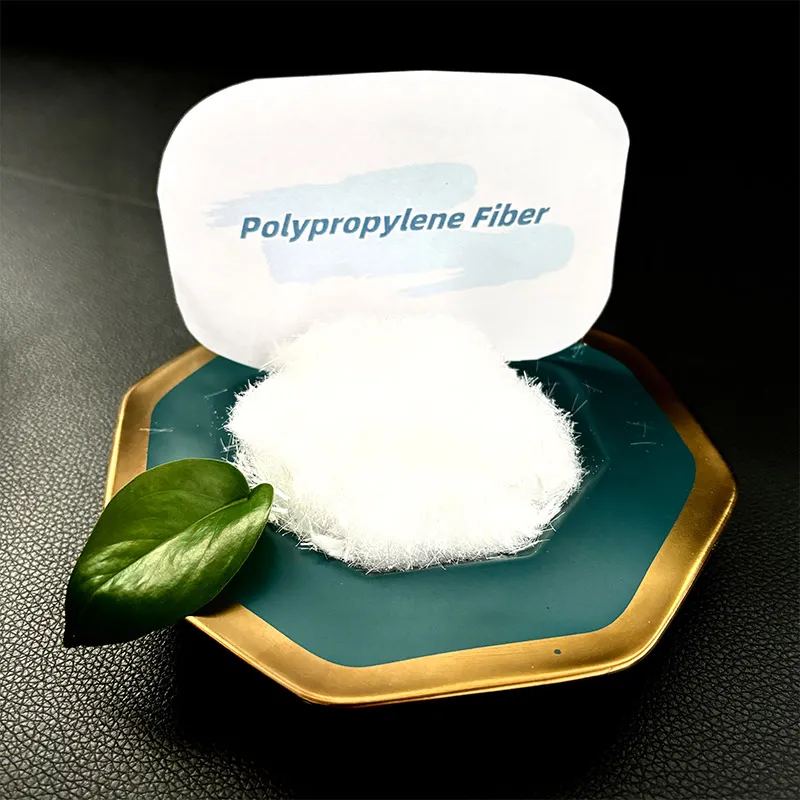
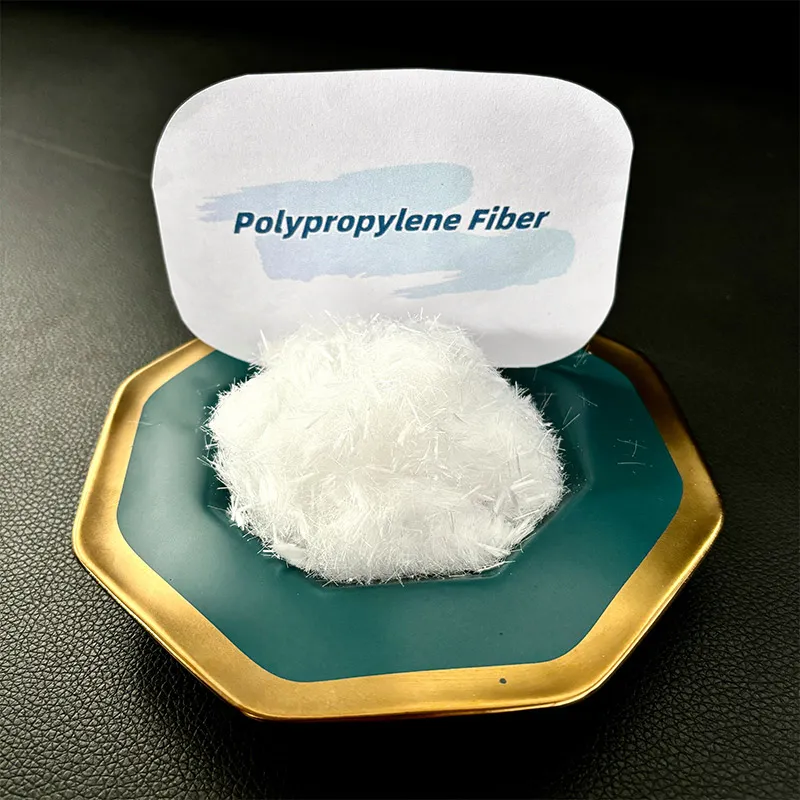
Polypropylene Fiber China Suppliers High Performance Concrete Factory
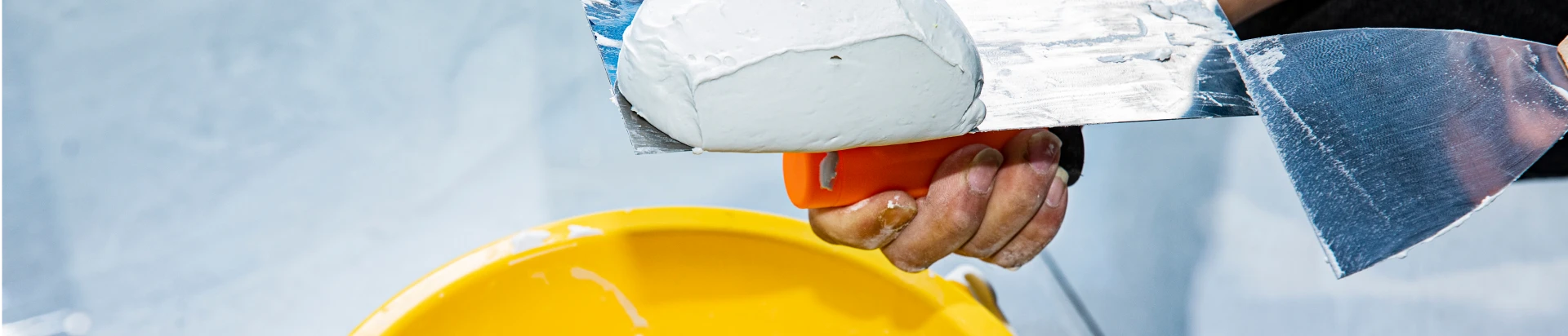
Polypropylene fiber is a high-performance synthetic material engineered to revolutionize the structural integrity of concrete and mortar. By integrating these innovative fibers into building materials, construction professionals can significantly mitigate common structural failures, ensuring a more durable, resilient, and long-lasting finish for modern architectural applications.
Designed to address the critical challenges of drying shrinkage and environmental stress, polypropylene fiber creates a reinforced internal matrix. This technology not only enhances the overall strength of the material but also optimizes workability and longevity, making it an indispensable additive for high-standard construction projects worldwide.
Detailed Parameters
| Material Base | Polypropylene (Synthetic) | Primary Function | Structural Reinforcement |
|---|---|---|---|
| Application | Concrete & Mortar | Resistance Type | Crack & Water Penetration |
| Environmental Fit | Cold & Harsh Climates | Key Benefit | Enhanced Durability |
| Physical Property | High Energy Absorption | Workability | Optimized Flow & Compaction |
| Long-term Effect | Corrosion Prevention | Structural Goal | Extended Service Life |
Key Advantages
Crack Resistance
Creates a reinforced matrix that distributes stress evenly to prevent shrinkage cracks and structural fractures.
Water Resistance
Minimizes moisture infiltration, protecting structures from water ingress and hazardous freeze-thaw cycles.
Frost Protection
Enhances flexibility in cold climates, preventing spalling and deterioration caused by freezing temperatures.
Abrasion Resistance
Increases resilience against mechanical wear and friction, ideal for high-traffic industrial surfaces.
Explosion Resistance
Improves energy absorption capacity, allowing concrete to withstand extreme pressures and sudden stresses.
Superior Workability
Improves flow and handling during application, ensuring uniform distribution and better compaction.
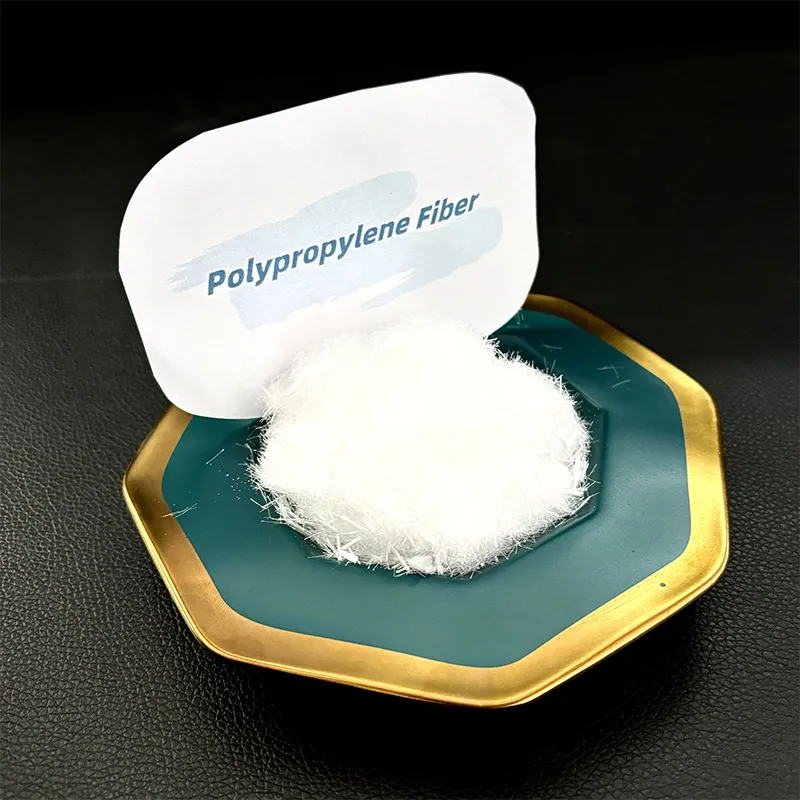
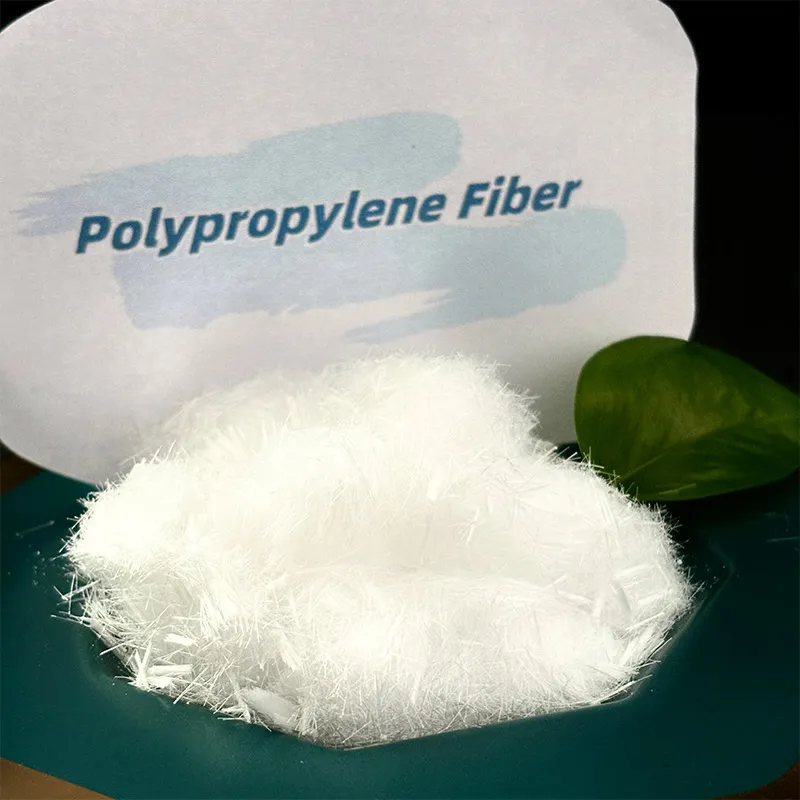
Product Gallery
Management Platforms
Quality Control
Strict adherence to chemical building material standards for every batch of fiber produced.
Mix Optimization
Professional guidance on the exact dosage to maximize crack resistance in your specific mix.
Logistics Tracking
Real-time shipping updates to ensure your construction timeline remains uninterrupted.
Technical Support
Direct access to material engineers for on-site application and troubleshooting.
Inventory Mgmt
Efficient warehousing to ensure a stable supply of high-demand chemical additives.
Compliance Audit
Full documentation provided for building code compliance and project certifications.
Investment Return Comparison
| Performance Metric | Standard Concrete | Fiber-Reinforced |
|---|---|---|
| Initial Cost | Lower | Moderate |
| Crack Frequency | High | Very Low |
| Maintenance Cost | Frequent/High | Minimal/Low |
| Service Lifespan | Standard | Extended |
| Steel Protection | Prone to Rust | Enhanced Protection |
Frequently Asked Questions
It creates a three-dimensional matrix within the concrete that distributes internal stresses more evenly, specifically targeting and mitigating drying shrinkage cracks.
Yes, it significantly enhances frost resistance by creating a more robust structure that withstands the expansion and contraction of freeze-thaw cycles.
On the contrary, it is designed to improve flow and handling properties, allowing for smoother application and more effective compaction.
By reducing water penetration and preventing cracks, it limits the ingress of moisture and corrosive agents that typically lead to steel oxidation.
While traditional steel provides primary structural load-bearing, polypropylene fibers provide secondary reinforcement that controls micro-cracking and enhances surface durability.
It is widely used in shotcrete, precast concrete elements, flooring, and specialized mortars where high abrasion and impact resistance are required.


