-

Add: HeBei ShengShi HongBang Cellulose Technology CO.,LTD.
-

Email
13180486930@163.com -

CONTACT US
+86 13180486930
Polypropylene Fiber Price: How to Match PP Fiber to Concrete and Mortar Use
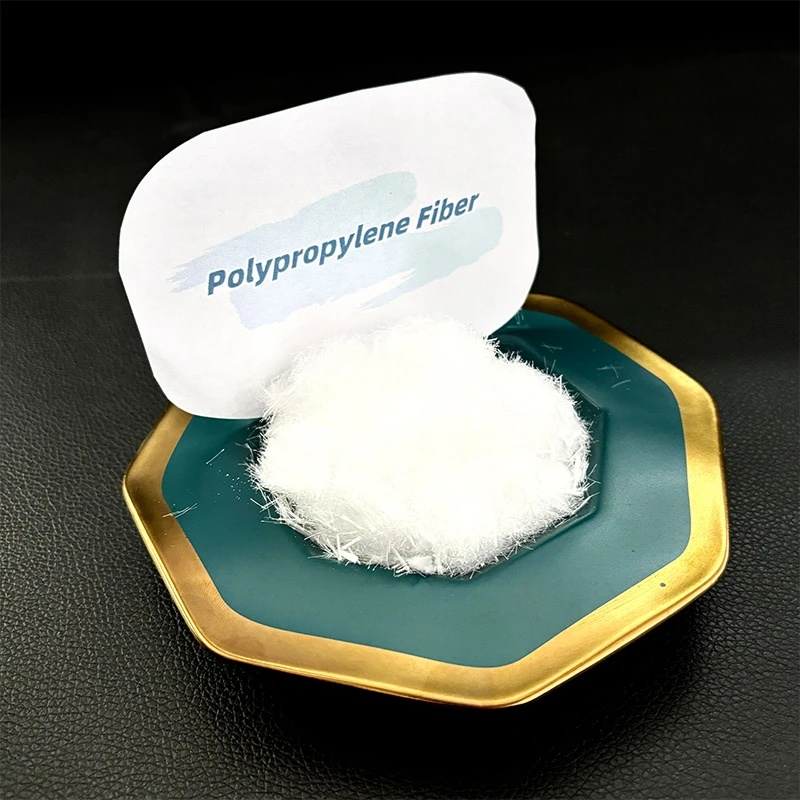
Polypropylene fiber price makes sense only after the application and pack format are clear. This guide matches PP fiber with putty, mortar, gypsum, self-leveling mortar, concrete, and moisture-exposed work, then identifies the specification checks that shape a practical purchase decision.

Application fit: match the fiber to putty, repair mortar, gypsum plastering, self-leveling mortar, concrete, moisture exposure, cold conditions, abrasion, or sudden stress.
Performance and handling checks: review crack control, tensile strength, dispersion, alkali and corrosion resistance, toughness, water penetration resistance, additive compatibility, bag size, and dry storage conditions.
Polypropylene fiber price should be assessed alongside the work the material must do. Our polypropylene fiber is used in cementitious systems where crack control, dispersion, toughness, water penetration resistance, or surface durability matters. The right buying decision starts with the mix and exposure, then moves to packaging and storage.
Start with the application
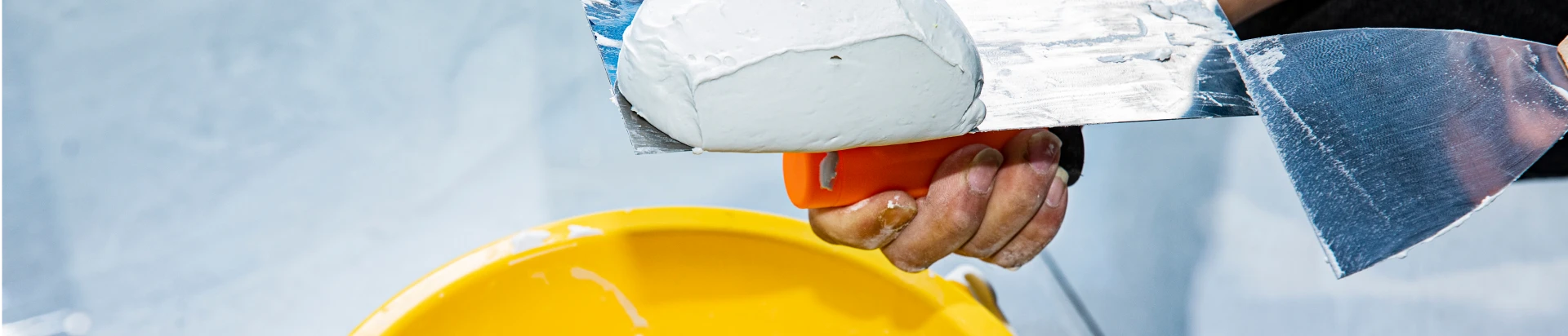
Our polypropylene fiber fits several cement-based uses, but each use places emphasis on a different result. For wall putty, the relevant checks are drying shrinkage, crazing, peeling, and powdering. The fiber helps reinforce the finish layer and reduce micro-cracks, so it suits wall-surface products where a more integrated finish is required.
Repair mortar needs flexibility and crack resistance around the repaired area. Polypropylene fiber can improve the toughness and durability of the repair layer while reducing water penetration. This makes it a practical option when the mortar must resist cracking during service and maintain a stable surface.
Gypsum plastering calls for control of micro-cracks and shrinkage deformation. Our PP fiber is suitable for this use because it is designed to disperse through the mortar matrix and support a smoother, more durable wall surface.
Self-leveling mortar is a different purchasing case. The buyer should focus on hairline cracks, delamination, flow, and uniform distribution. Polypropylene fiber is used here to help prevent cracking and support the integrity of the floor layer. Its stated compatibility with various additives also matters when the formulation includes other mortar modifiers.
For concrete and mortar exposed to moisture, temperature changes, abrasion, or sudden stress, the relevant product qualities include crack resistance, water penetration resistance, frost resistance, abrasion resistance, and energy absorption. Our concrete-oriented PP fiber is intended for concrete and mortar reinforcement and can help distribute stress through a reinforced internal matrix.
Match the fiber to the performance requirement
High tensile strength is the first specification to examine when the purchase is driven by anti-cracking and anti-shrinkage requirements. In mortar, the fiber is intended to help control plastic shrinkage and micro-cracking. That makes tensile strength relevant to finish-layer stability and repair work.
Dispersion is equally important in the mix. The product is designed for good dispersibility, with anti-aggregation behavior and even distribution in mortar. Picture a self-leveling floor mix moving across a working area: the fiber needs to remain distributed through the material instead of gathering into visible clusters. Ask your formulator to assess dispersion with the intended mix and additive package.
Chemical resistance helps determine suitability for cementitious environments. Our PP fiber is resistant to alkali, corrosion, and aging. This property supports long-term use in mortar and concrete systems where the reinforcement is surrounded by an alkaline matrix or exposed to changing conditions.
Toughness and impact resistance matter when the finished layer may experience mechanical stress. The fiber improves toughness and anti-splintering performance in mortar, while the concrete application is associated with energy absorption and resistance to sudden stresses. These points are useful for repair mortar, industrial surfaces, and concrete work where impact or abrasion is part of the service condition.
Water penetration resistance is another practical check. The fiber helps minimize micro-cracks and reduce water leakage in mortar. In concrete, it is positioned for reducing moisture infiltration. If the application includes an external wall coating, moisture protection, or a surface exposed to freeze-thaw conditions, include water ingress and frost exposure in the material review.
Check compatibility before comparing polypropylene fiber price
Our PP fiber is compatible with various additives, including HPMC and VAE powders in mortar systems. This is useful for putty, repair mortar, gypsum, and self-leveling formulations that already depend on additive control. The compatibility point does not replace a mix review: the dosage and final formulation should be matched to the specific product being manufactured.
The same product family is presented for both general mortar applications and concrete reinforcement. Use the application language to frame the purchase. If you make putty or gypsum plaster, prioritize dispersion, crack control, finish-layer integrity, and storage handling. If you make repair mortar or self-leveling mortar, add toughness, delamination control, and water penetration to the review. If you produce concrete for cold, wet, high-traffic, or high-stress conditions, examine the requirements for frost, abrasion, moisture, and energy absorption.
A useful warehouse scenario is a shipment intended for several dry-mix products. The available pack formats are 20 kg bags and 25 kg bags. Select the bag size that fits your batching and handling routine, then keep the material in a dry, well-ventilated area away from direct sunlight and moisture. During transportation, protect the bags from rain and other weather exposure.
Use the pack format and storage condition in the purchase check
Packaging affects how the material moves through your plant. A 20 kg bag may suit a smaller batch handling routine, while a 25 kg bag may fit a different batching arrangement. The product data confirms both formats, but the choice should follow your normal weighing, lifting, and feeding process.
Storage is part of the specification check because moisture and weather exposure can interfere with material handling. Plan a dry, well-ventilated storage location and protect bags from direct sunlight. For a distributor or production site receiving a larger shipment, check the warehouse route from unloading to dry storage before placing the order.
Price comparisons should use the same basis. Compare the intended application, fiber performance requirements, bag size, and quantity together. A lower quoted polypropylene fiber price is difficult to judge if one offer is for a different pack format or a different application expectation. Send the supplier your product type, mix purpose, required bag size, and estimated quantity so the quotation can be matched to the actual purchase.
Questions to settle before ordering
Which PP fiber suits wall putty?
Wall putty should use the PP fiber option when the formulation needs support against drying shrinkage, crazing, peeling, powdering, and micro-cracks. The product is intended to disperse evenly in the mortar matrix and is compatible with additives such as HPMC and VAE powders. Confirm the putty formulation and preferred 20 kg or 25 kg bag format when requesting a quotation.
Is polypropylene fiber suitable for self-leveling mortar?
Yes, the product is suitable for self-leveling mortar where the purchase decision centers on hairline-crack control, floor-layer integrity, flow, and uniform fiber distribution. The fiber is also associated with reducing delamination over time. Review it with the complete additive package because the final mix must maintain the required handling and compaction behavior.
What storage conditions should be arranged?
Store the bags in a dry, well-ventilated area away from direct sunlight and moisture. Protect the material from rain and other weather exposure during transportation. This matters for both a manufacturing plant and a distributor warehouse. Include the planned storage location and transport route in your receiving procedure before the shipment arrives.
When should concrete buyers examine frost and abrasion requirements?
Examine them when the concrete will face cold conditions, freeze-thaw exposure, mechanical wear, or frequent traffic. The concrete application is associated with frost protection, abrasion resistance, reduced water infiltration, and improved energy absorption. These requirements point the purchase toward concrete reinforcement use, while putty and gypsum buyers should focus on finish-layer cracking and shrinkage control.
Send the right details for a quote
Choose our polypropylene fiber for concrete and mortar when your application calls for crack control, dispersion, toughness, or lower water penetration in a cementitious mix. For a useful polypropylene fiber price quotation, send the application, mix type, preferred 20 kg or 25 kg bag, estimated quantity, and storage or delivery handling requirements.

About the author
The company
HeBei ShengShi HongBang Cellulose Technology CO.,LTD.
Hebei ShengShi HongBang Cellulose Technology CO.,LTD,We are a professional manufacturer of HPMC, and we located in Hebei Province Xinji provincial clean chemical Industry Park, in the Beijing Tianjin Hebei metropolitan area. The park is 250 kilometers away from Beijing and Tianjin, 250 kilometers away from the Capital Airport and Tianjin Airport, 100 kilometers away from Shijiazhuang Zhengding Airport, and 250 kilometers away from Tianjin Port; The Shihuang Expressway, National Highway 307, Provincial Hengjing…
About Us ↗Visit company website ↗-
VAE Redispersible Powder FAQ for Mortar ApplicationsNewsNov.02,2026
-
Rubber Powder-821 Uses: Choosing the Right Medium, Dimensions and Operating ConditionsNewsOct.29,2026
-
Understanding HPMC Uses in Tablets for Pharmaceutical EfficacyNewsJul.01,2026
-
Versatile Industrial Applications of hpmc used as an AdditiveNewsJun.29,2026
-
How HPMC is Used As a Versatile Additive in Construction MaterialsNewsJun.27,2026
-
Industrial Applications of hydroxypropyl methylcellulose used forNewsJun.26,2026
-
Exploring HPMC Uses in Pharmaceuticals for Drug DeliveryNewsJun.25,2026