-

Add: HeBei ShengShi HongBang Cellulose Technology CO.,LTD.
-

Email
13180486930@163.com -

CONTACT US
+86 13180486930
Rubber Powder-821 Uses: Choosing the Right Medium, Dimensions and Operating Conditions
THE BUYER'S GUIDE / SELECTION
Rubber Powder-821 Uses: Choosing the Right Medium, Dimensions and Operating Conditions
Rubber Powder-821 is an advanced polymer-based binder engineered specifically for ceramic tile adhesive systems. This guide explains the key selection criteria buyers and procurement teams should evaluate—including substrate compatibility, mix medium, additive requirements, environmental tolerances, and formulation constraints—to determine whether Rubber Powder-821 is the right fit for a given construction or renovation project. All criteria are drawn from confirmed product documentation provided by HeBei ShengShi HongBang Cellulose Technology CO.,LTD.

Application medium: Rubber Powder-821 is confirmed for ceramic tile bonding only; buyers must verify suitability for other tile types before specifying.
Required additive and mix dimensions: HPMC must be added at 1–2 kg per ton, and mixing must be performed with precision machine blending; consistency is adjustable via water ratio to match working conditions.
Environmental operating conditions: The product is zero-VOC, formaldehyde-free, and free of benzene, toluene, and xylene, making it suitable for indoor air quality-sensitive projects.
Performance scope: The product is formulated to resist cracking, hollowing, detachment, and leakage; high-stress or non-standard substrates should be assessed with technical support.
Compatibility: Confirmed compatible with HPMC and VAE; non-standard additive combinations should be verified before use.
Understanding Rubber Powder-821 Uses Before Purchasing
Buyers sourcing a tile adhesive binder for architectural decoration projects often encounter a wide range of polymer powders. Understanding rubber powder-821 uses in context—what surfaces it suits, how it must be mixed, and which conditions it cannot tolerate—helps procurement teams make confident decisions before committing to an order.
Rubber Powder-821 is a specialty chemical building material from HeBei ShengShi HongBang Cellulose Technology CO.,LTD., formulated as a high-performance binder for ceramic tile installation. This guide sets out the practical selection criteria drawn directly from the confirmed product documentation.
What Is Rubber Powder-821?
Rubber Powder-821 is composed of three primary components: high-quality cement, finely graded quartz sand, and a proprietary polymer adhesive matrix. These constituents are combined using precision machine blending to ensure exact proportions in every batch, delivering a consistent adhesive matrix designed for professional tile installation.
The product is classified under chemical building materials and is intended specifically for the bonding of ceramic tiles to architectural substrates. It is not a general-purpose adhesive and should not be evaluated against products intended for different substrate categories.
Key Selection Criteria
1. Application Medium: Ceramic Tile Bonding Only
Rubber Powder-821 is engineered exclusively for ceramic tile bonding. Its polymer matrix is optimized for the load characteristics, thermal expansion coefficients, and surface porosity typical of ceramic tile and compatible mineral substrates. Buyers working on projects involving other tile types (e.g., large-format porcelain or natural stone) should confirm suitability with technical support before selecting this product, as the confirmed documentation addresses ceramic tile as the primary application area.
2. Required Additive: HPMC at 1–2 kg per Ton
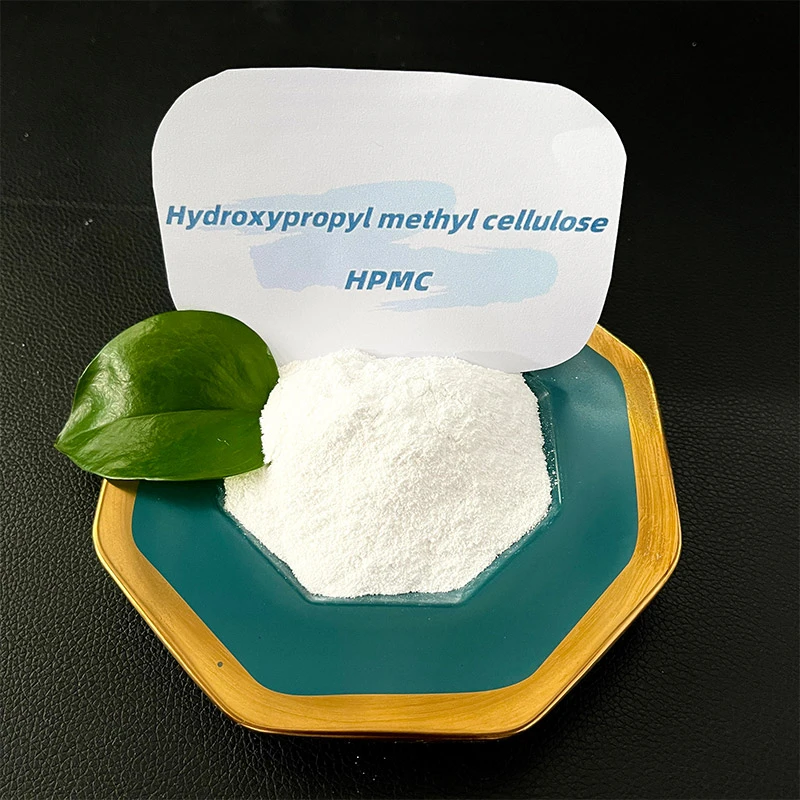
Rubber Powder-821 is not a standalone adhesive in final formulation. The confirmed product data specify that hydroxypropyl methylcellulose (HPMC) must be added at a rate of 1–2 kg per ton of product. This addition elevates the application qualities of the adhesive—specifically its flexibility, open time, and workability. Buyers who do not have a reliable supply of HPMC at the correct dosage rate should factor this into procurement planning. Under-dosing or omitting HPMC is inconsistent with the product’s intended formulation.
3. Mix Dimension: Water-Adjustable Consistency
One of the defining features of Rubber Powder-821 is its water-ratio-dependent consistency. By adjusting the volume of water added during mixing, applicators can control working time and viscosity to suit specific project requirements—from thicker applications on vertical surfaces to more fluid mixes for leveling. This flexibility is a documented operational advantage, particularly on sites where multiple installation conditions are encountered within a single project.
Mixing is performed using precision machine blending. Manual mixing is not referenced in the confirmed documentation; buyers planning manual-only mixing processes should seek technical guidance before specifying this product.
4. Environmental and Indoor Air Quality Conditions
Rubber Powder-821 carries a zero-VOC, formaldehyde-free, and benzene/toluene/xylene-free environmental profile. This makes it suitable for projects requiring low-emission building materials, including residential interiors and commercial spaces where indoor air quality standards are a procurement consideration. Projects with mandatory VOC-compliance requirements will find this profile consistent with those demands.
5. Performance Conditions: Anti-Cracking and Anti-Detachment
The product is specifically formulated to address four chronic tiling failure modes: cracking, hollowing, detachment, and leakage. Buyers specifying adhesives for high-stress environments—such as facades, wet areas, or surfaces subject to thermal cycling—should evaluate whether these anti-failure characteristics align with their project’s structural demands. The polymer adhesive component is designed to absorb structural stress and resist shrinkage cracking over time.
6. Compatibility with HPMC and VAE
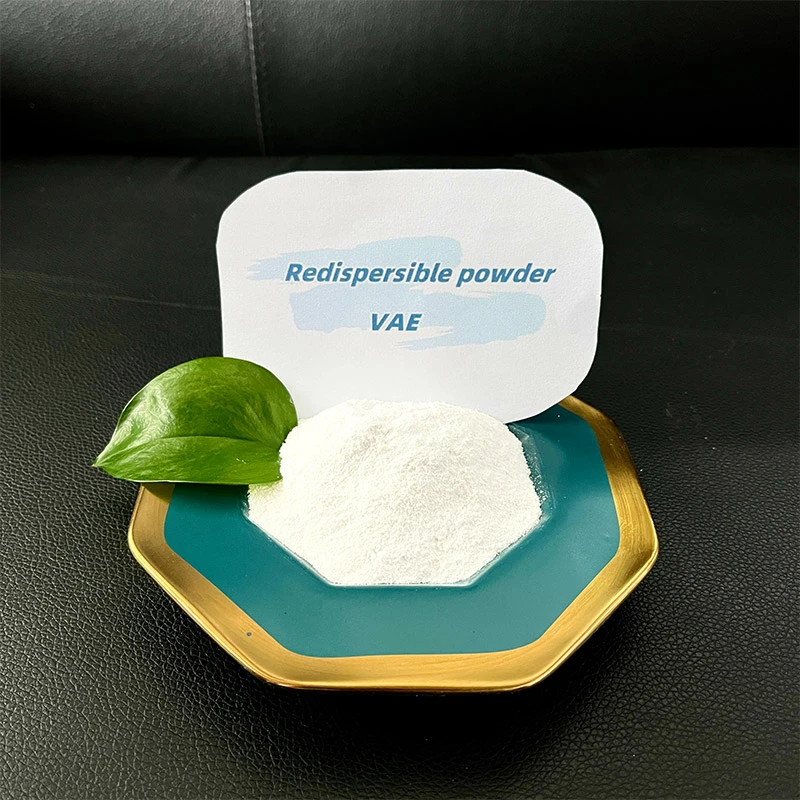
Confirmed documentation notes that Rubber Powder-821 is compatible with both HPMC and VAE (vinyl acetate-ethylene copolymer). For buyers formulating blended tile adhesive products, this compatibility broadens the formulation options available. However, specific performance outcomes for VAE-blended systems are not fully detailed in the confirmed materials, and technical consultation is recommended before committing to non-standard additive combinations.
When Rubber Powder-821 Does Not Apply
The following conditions fall outside the confirmed scope of this product:
- Non-ceramic tile applications: The documentation does not confirm performance on substrates other than ceramic tiles.
- No-machine mixing environments: Precision machine blending is required.
- HPMC-unavailable projects: The 1–2 kg/ton HPMC addition is required for full performance.
Summary: Selection Checklist
Before specifying Rubber Powder-821 for a project, buyers should confirm:
| Selection Factor | Confirmed Requirement |
|---|---|
| Tile type | Ceramic tile |
| Required additive | HPMC at 1–2 kg/ton |
| Mixing method | Precision machine blending |
| Water ratio | Adjustable per working condition |
| Environmental profile | Zero VOC, formaldehyde-free |
| Core function | Anti-cracking, anti-detachment |
| Additional compatibility | HPMC and VAE |
When all of these conditions are met, Rubber Powder-821 represents a well-documented, professionally formulated binder for ceramic tile adhesive applications. Contact HeBei ShengShi HongBang Cellulose Technology CO.,LTD. directly for technical guidance on water-to-powder ratios for your specific climate and substrate conditions.
THE PEOPLE

About the author
THE COMPANY
HeBei ShengShi HongBang Cellulose Technology CO.,LTD.
Hebei ShengShi HongBang Cellulose Technology CO.,LTD,We are a professional manufacturer of HPMC, and we located in Hebei Province Xinji provincial clean chemical Industry Park, in the Beijing Tianjin Hebei metropolitan area. The park is 250 kilometers away from Beijing and Tianjin, 250 kilometers away from the Capital Airport and Tianjin Airport, 100 kilometers away from Shijiazhuang Zhengding Airport, and 250 kilometers away from Tianjin Port; The Shihuang Expressway, National Highway 307, Provincial Hengjing…
About Us ↗Visit company website ↗YOUR NEXT STEP
Bring your brief. Start a useful conversation.
Use case, specification, quantity and delivery window: make the next conversation specific.
-
VAE Redispersible Powder FAQ for Mortar ApplicationsNewsNov.02,2026
-
Understanding HPMC Uses in Tablets for Pharmaceutical EfficacyNewsJul.01,2026
-
Versatile Industrial Applications of hpmc used as an AdditiveNewsJun.29,2026
-
How HPMC is Used As a Versatile Additive in Construction MaterialsNewsJun.27,2026
-
Industrial Applications of hydroxypropyl methylcellulose used forNewsJun.26,2026
-
Exploring HPMC Uses in Pharmaceuticals for Drug DeliveryNewsJun.25,2026
-
Industrial Efficiency and Использование эфира крахмала GuideNewsJun.23,2026