-

Add: HeBei ShengShi HongBang Cellulose Technology CO.,LTD.
-

Email
13180486930@163.com -

CONTACT US
+86 13180486930
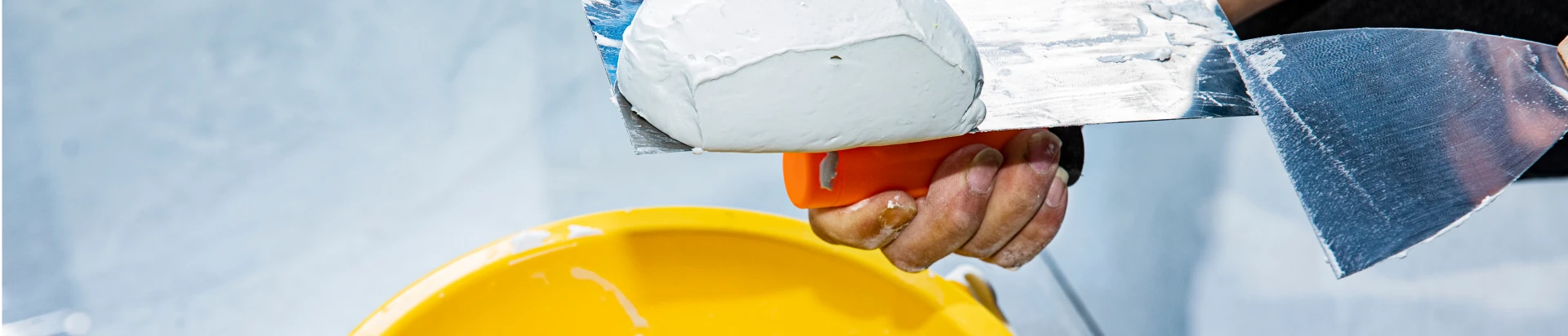
Starch Ether for Mortars & Adhesives - Superior Workability
Starch Ether is a key solution in the chemical industry industry, specifically within Specialty Chemicals and Building chemical additives. This article explores how HeBei ShengShi HongBang Cellulose Technology CO.,LTD. supports professionals with durable, high-performance products, and explains why this product is an ideal choice for businesses in these sectors.
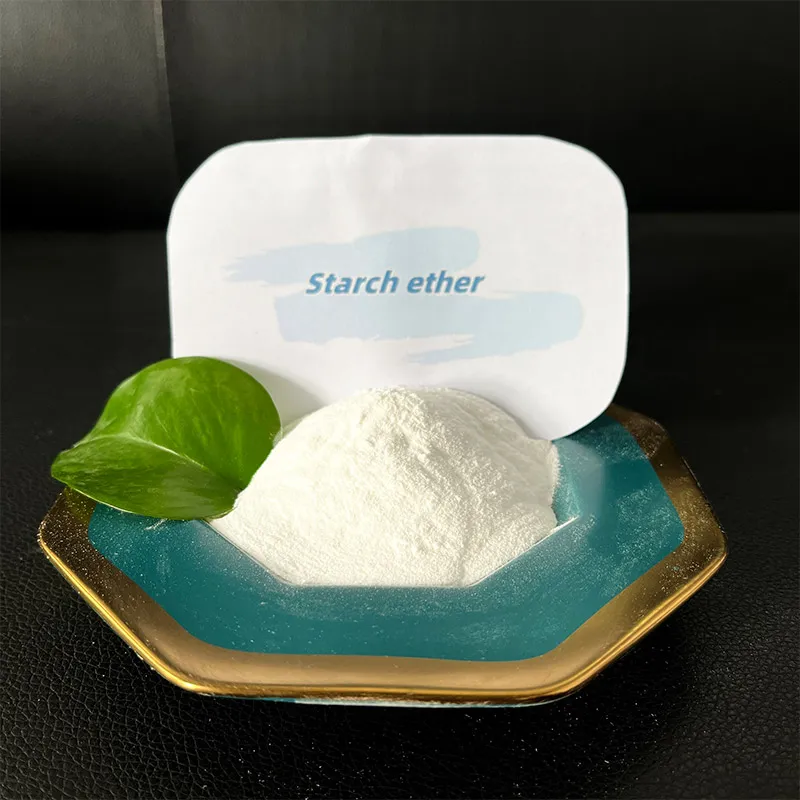
Table of Contents
- Starch Ether Overview
- Benefits & Use Cases of Starch Ether in Building chemical additives
- Cost, Maintenance & User Experience
- Sustainability & Market Trends in chemical industry
- Conclusion on Starch Ether from HeBei ShengShi HongBang Cellulose Technology CO.,LTD.
Starch Ether Overview
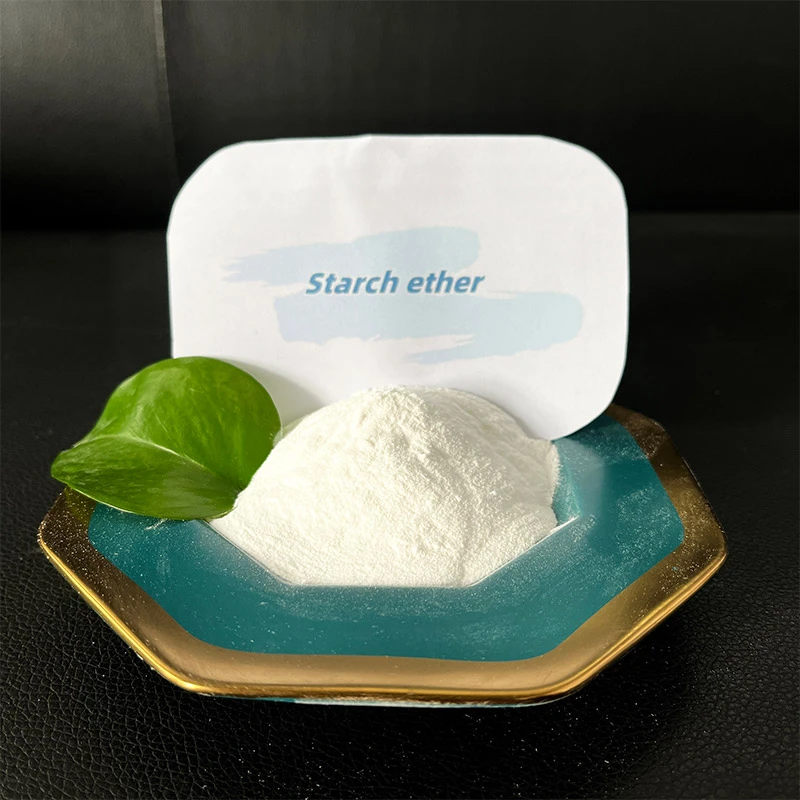
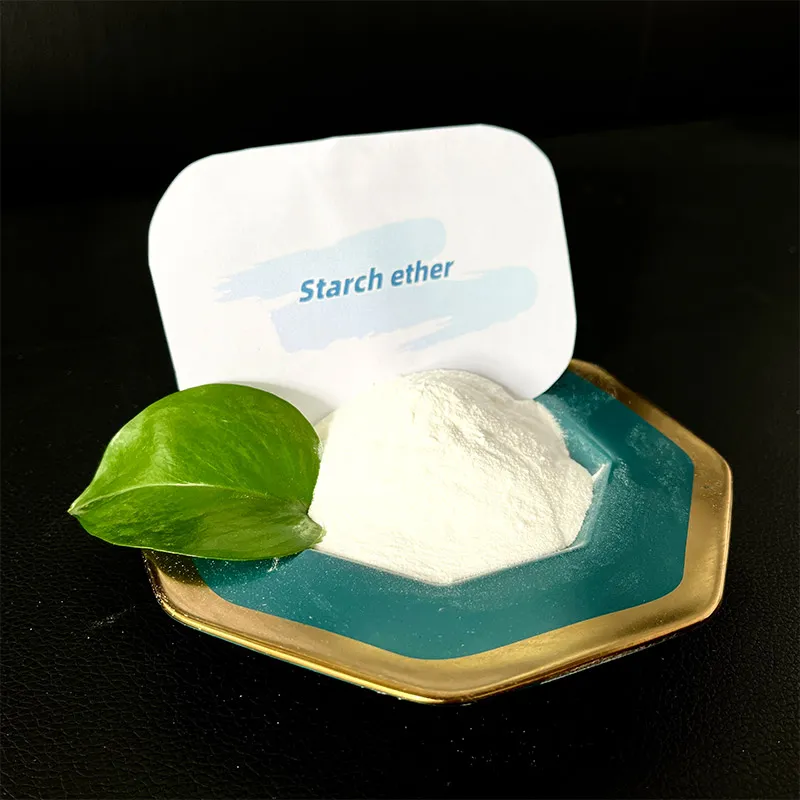
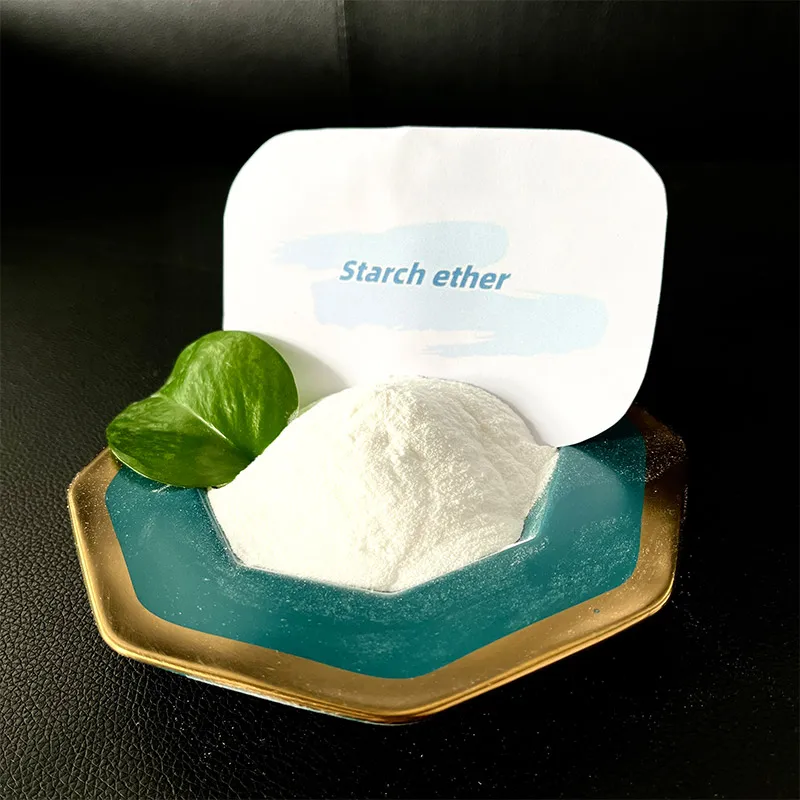
Starch ether—often specified as hydroxypropyl starch ether (HPS)—is a plant-based, modified polysaccharide engineered to tune rheology, water retention, and workability in cement- and gypsum-based drymix systems. In the chemical industry’s Specialty Chemicals segment, it has become a cornerstone additive for modern Building chemical additives, enhancing open time, anti-sag performance, and smooth troweling—especially when formulated alongside cellulose ethers (HPMC/HEMC) and redispersible polymer powders. As a complementary co-thickener, starch ether for dry mortar helps balance viscosity profiles: reducing “stickiness” under the trowel while maintaining cohesive, non-slump behavior on vertical applications.
Typical specifications include controlled substitution level for predictable gel behavior, optimized particle size for rapid wet-out in drymix plants, and low moisture for storage stability. In practice, formulators dose at very low levels to unlock substantial handling benefits across tile adhesives, skim coats, gypsum plasters, and ETICS basecoats. HeBei ShengShi HongBang Cellulose Technology CO.,LTD. is a reliable manufacturer with rigorous QC, batch-to-batch consistency, and technical service that accelerates scale-up—from lab screening to plant trials. Their product page details grades aligned to diverse binder systems and jobsite climates, supported by TDS/SDS upon request.
Benefits & Use Cases of Starch Ether in Building chemical additives
Application hotspots include tile adhesives, wall putties/skim coats, gypsum plasters, and ETICS/EIFS adhesives. In particular, starch ether in tile adhesive improves non-slip on large-format tiles, stabilizes wet mortar on walls, and refines trowelability for faster coverage. In skim coats and putties, it supports creamy spread and pinhole reduction, delivering uniform finishing. In gypsum plasters, it synergizes with cellulose ethers to enhance water retention and workability while helping control sag on thicker passes. Even in flow-sensitive systems like self-leveling compounds, carefully selected grades at low dosage can reduce bleeding without over-thickening.
- Performance advantages: improved anti-sag/anti-slip, smoother hand feel, better edge stability, and consistent open time.
- Formulation flexibility: enables fine-tuning of viscosity profile and reduces perceived stickiness from high-HPMC systems.
- Processability: fast wet-out in drymix plants and excellent dispersion on-site, supporting contractor productivity.
HeBei ShengShi HongBang Cellulose Technology CO.,LTD. brings deep formulation know-how across climates, cement chemistries, and substrate conditions. Their application team helps interpret starch ether uses by binder, filler, and additive package—so B2B decision makers can reach target EN/ISO performance swiftly while controlling total formulation costs.
Cost, Maintenance & User Experience
Total cost of ownership favors starch ether thanks to its very low dosage and measurable jobsite benefits. By improving open time, reducing sag, and enhancing glide, contractors work faster with fewer callbacks, which elevates ROI for producers and applicators alike. Starch ether price is influenced by substitution level, viscosity profile, and particle size control; HeBei ShengShi HongBang Cellulose Technology CO.,LTD. offers value-engineered grades to match performance targets without overspecification. In many systems, optimized rheology can support broader cost optimization, helping balance cellulose ether grades and overall additive loadings to hit target performance tiers.
From a user-experience standpoint, customers in Specialty Chemicals consistently report easier troweling and more stable vertical hang—even at elevated temperatures—along with improved finish quality in skim coats. Formulators appreciate predictable batching, low dusting options, and quick wet-out that streamlines mixing. For maintenance and logistics, starch ether is dry, free-flowing, and simple to store: keep sealed in a cool, dry place and use on a first-in/first-out basis for best results. TDS, SDS, and formulation guidelines from HeBei ShengShi HongBang Cellulose Technology CO.,LTD. minimize trial time and de-risk scale-up, enabling reliable, repeatable production outcomes.
Sustainability & Market Trends in chemical industry
Sustainability is reshaping Building chemical additives as specifications move toward lower VOCs, safer work sites, and renewable content. Starch ether, derived from bio-based feedstocks, aligns well with green building objectives and supports low-emission, low-odor formulations. With regulations tightening across regions (e.g., REACH, evolving indoor air quality standards), producers are prioritizing additives that maintain robust performance while meeting environmental and worker-safety benchmarks. Demand is rising for additives that enable stable rheology across temperature swings—reducing waste and jobsite rework that carry hidden carbon and cost.
HeBei ShengShi HongBang Cellulose Technology CO.,LTD. takes a forward-thinking approach: offering consistent quality, providing documentation to support compliance needs, and developing grades geared to next-generation drymix systems. Their portfolio helps manufacturers deliver dependable tile adhesives, plasters, and putties with renewable content while protecting applicator productivity. As the market expands in renovation and infrastructure, starch ether for dry mortar is well-positioned to combine performance, regulatory readiness, and sustainability—helping producers differentiate without compromising on application feel or finished aesthetics.
Conclusion on Starch Ether from HeBei ShengShi HongBang Cellulose Technology CO.,LTD.
For B2B decision makers, starch ether is a high-impact lever in drymix design—elevating anti-sag, open time, and finish quality across tile adhesives, gypsum plasters, and skim coats. Backed by application expertise and reliable manufacturing, HeBei ShengShi HongBang Cellulose Technology CO.,LTD. delivers grades that balance performance and cost, simplifying scale-up and compliance. Explore formulation support and tailored recommendations today.
Contact us: email: 13180486930@163.com
Visit our website: https://www.sshbhpmc.com
-
Industrial Guide to ГПМЦ целлюлоза High Performance CelluloseNewsApr.16,2026
-
Wood Cellulose Properties and Industrial Applications GuideNewsApr.09,2026
-
Does Wood Contain Cellulose A Detailed Exploration of its Composition and UsesNewsApr.07,2026
-
Understanding Wood Cellulose Meaning Applications and Future TrendsNewsApr.04,2026
-
Exploring the Potential of Wood Cellulose is wood cellulose a Sustainable MaterialNewsMar.31,2026
-
Exploring the Sustainability and Versatility of Cellulose Wood ChipsNewsMar.28,2026
-
Understanding Wood Pulp Cellulose A Comprehensive Guide to Properties and ApplicationsNewsMar.26,2026