-

Add: HeBei ShengShi HongBang Cellulose Technology CO.,LTD.
-

Email
13180486930@163.com -

CONTACT US
+86 13180486930
Wood Cellulose for Bioplastics & Textiles | Pure, Low-Carbon
Xylem Fiber: Practical Notes from the Cellulose Beat
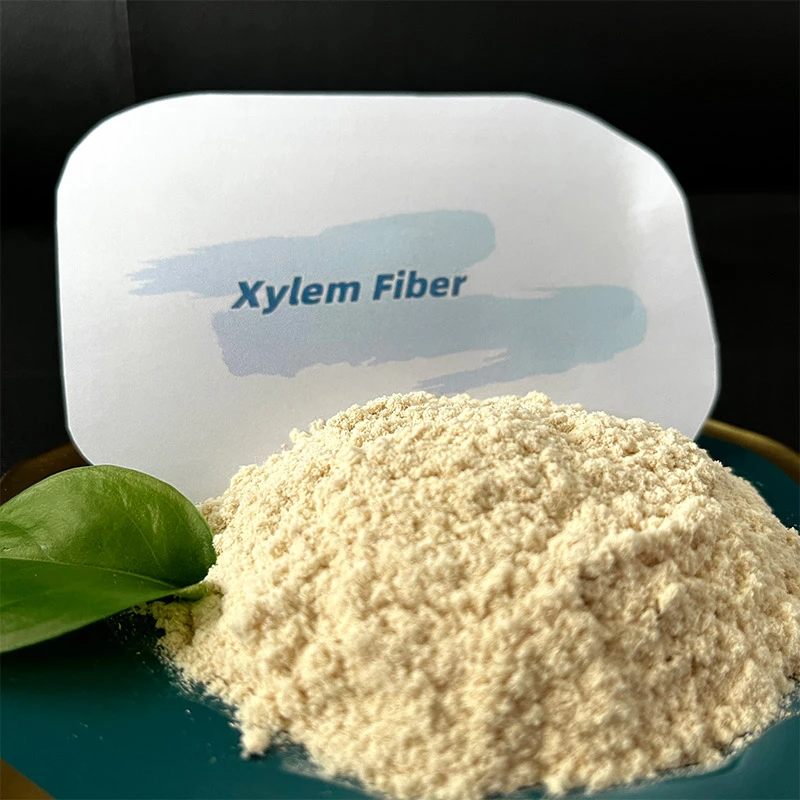
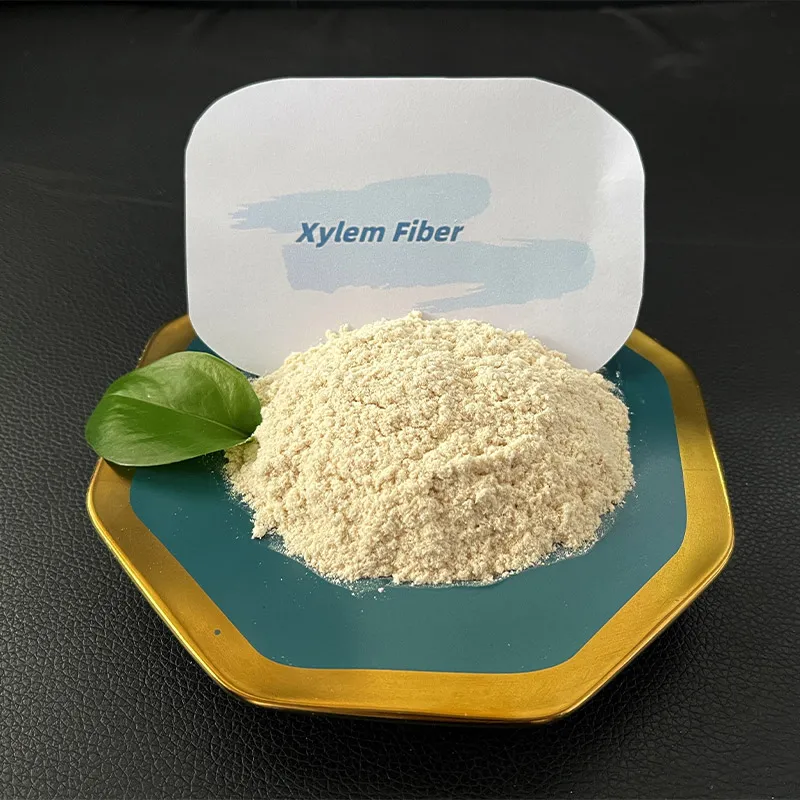
When people ask me what’s driving the buzz around Wood Cellulose, I usually start with a simple truth: brands need performance materials that also tick the sustainability boxes. Xylem Fiber, produced by HeBei ShengShi HongBang Cellulose Technology CO., LTD (Room 1904, Building B, Wanda Office Building, JiaoYu Road, Xinji City, Hebei Province), is very much in that lane—renewable, versatile, and, to be honest, easier to integrate than many expect.
What’s new: market signals I’m seeing
Three trends keep surfacing. First, bio-based content declarations and EPDs are becoming a must-have. Second, microplastic-free rheology and reinforcement are winning share in coatings and construction. Third, compliance: FSC sourcing, REACH, and clean chemical profiles. It seems the specifiers who once hesitated now ask for Wood Cellulose by name in asphalt mixes, cement boards, and even bio-based polymer compounds.
Process flow, methods, and standards
Materials: sustainably managed softwood/hardwood pulp (FSC-preferred).
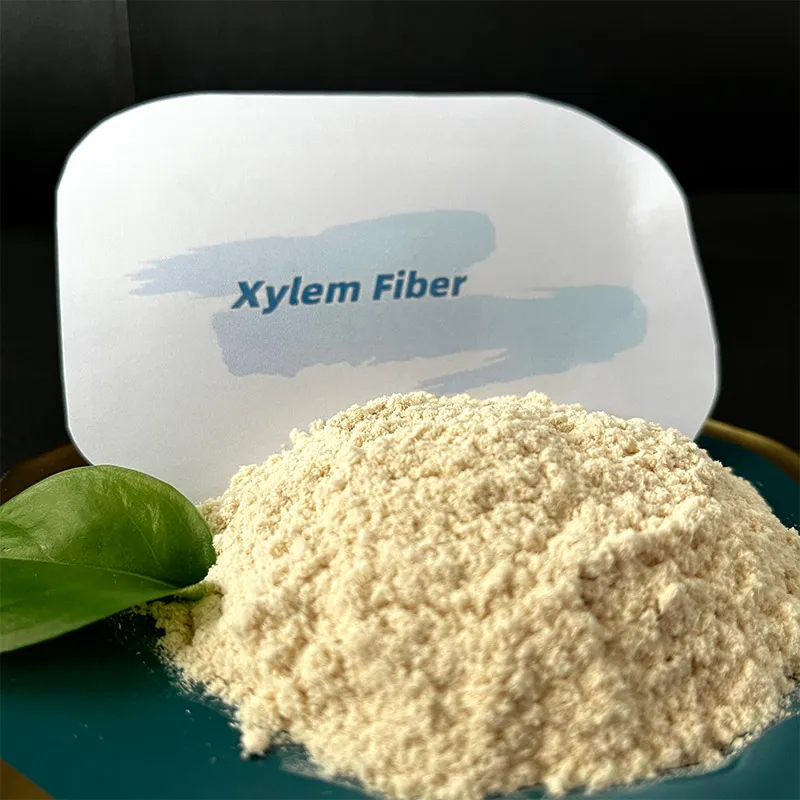
Core steps: low-chemical pulping → multi-stage refining/fibrillation → fiber classification → drying → gentle surface conditioning (if specified).
Testing: alpha-cellulose (TAPPI T203), extractives (TAPPI T204/T264), whiteness (ISO 2470), moisture (ISO 287), particle size (laser diffraction), ash (ISO 2144), bio-based content (ASTM D6866).
Service life: in asphalt overlays ≈8–12 years; in cementitious boards ≈20+ years; in biopolymer compounds ≈5–10 years (real-world use may vary).
Industries: construction, coatings/inks, plastics/bioplastics, filtration, agriculture, hygiene.
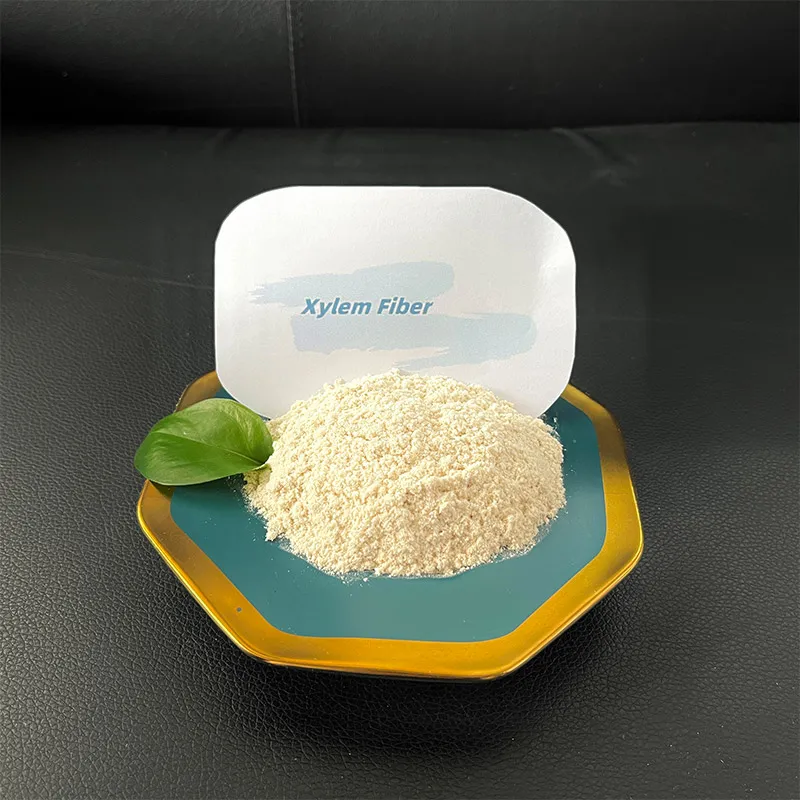
Xylem Fiber: indicative specifications
| Parameter | Typical Value | Notes |
|---|---|---|
| Fiber length (D50) | ≈80–250 μm | Multiple grades for rheology vs. reinforcement |
| Diameter | ≈10–30 μm | Controlled fibrillation |
| Bulk density | 0.23–0.35 g/cm³ | Affects dosing and dispersion |
| Moisture | 4–8% | ISO 287 |
| pH (2% slurry) | 6.0–7.5 | Neutral to coating-friendly |
| Ash | ≤0.5% | ISO 2144 |
| Thermal stability | Up to ≈220°C (short exposure) | Process-dependent |
Internal lab reads (illustrative): mortar slump retention +12–20%; PLA tensile +10–18%; asphalt rutting depth 8–14%—your mileage may vary.
Applications and quick case notes
- Asphalt & SMA: Wood Cellulose acts as a stabilizer, improving binder retention and reducing drain-down.
- Coatings/inks: rheology control without microplastics; nice matte feel, actually.
- Cement boards & gypsum: crack-bridging micro-reinforcement.
- Biopolymers: dispersion-friendly filler for bio-based content targets.
- Filtration and agriculture: lightweight, biodegradable structure.
Case 1 (SMA resurfacing): Municipal pilot (hot climate) reported 10% lower rutting after 12 months with Xylem Fiber at 0.3% by mix mass. Crew feedback: “easier compaction.”
Case 2 (Matt wall paint): Formulator swapped synthetic beads for Wood Cellulose, cutting microplastic content to zero; viscosity profile held steady over 8 weeks at 40°C.
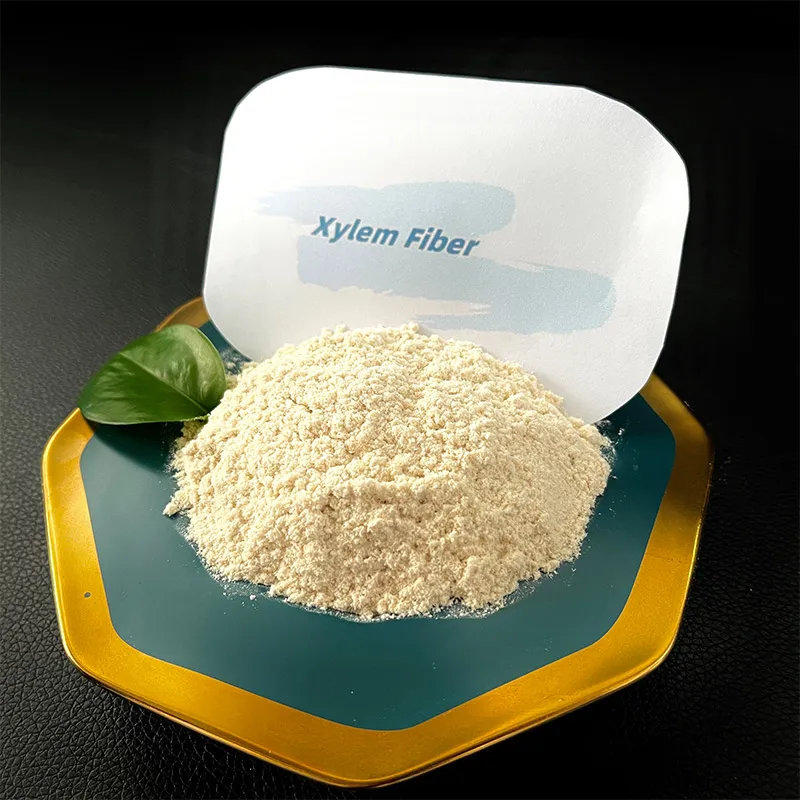
Customization options I’ve seen work well: tailored length distribution, hydrophilic/hydrophobic surface balance, and dust-reduced granules for automated feeding.
Vendor snapshot (neutral view)
| Vendor | Grade Range | Certifications | MOQ | Lead Time | Customization |
|---|---|---|---|---|---|
| HeBei ShengShi HongBang (Xylem Fiber) | ≈80–250 μm | ISO 9001/14001, FSC | ≈500 kg | 10–21 days | Length/surface tuning |
| Global Vendor A | Multiple micro/milli-fiber | ISO, FSC/PEFC | 1–2 t | 3–5 weeks | Broad portfolio |
| Regional Vendor B | Focused grades | ISO 9001 | ≈300 kg | 2–4 weeks | Limited |
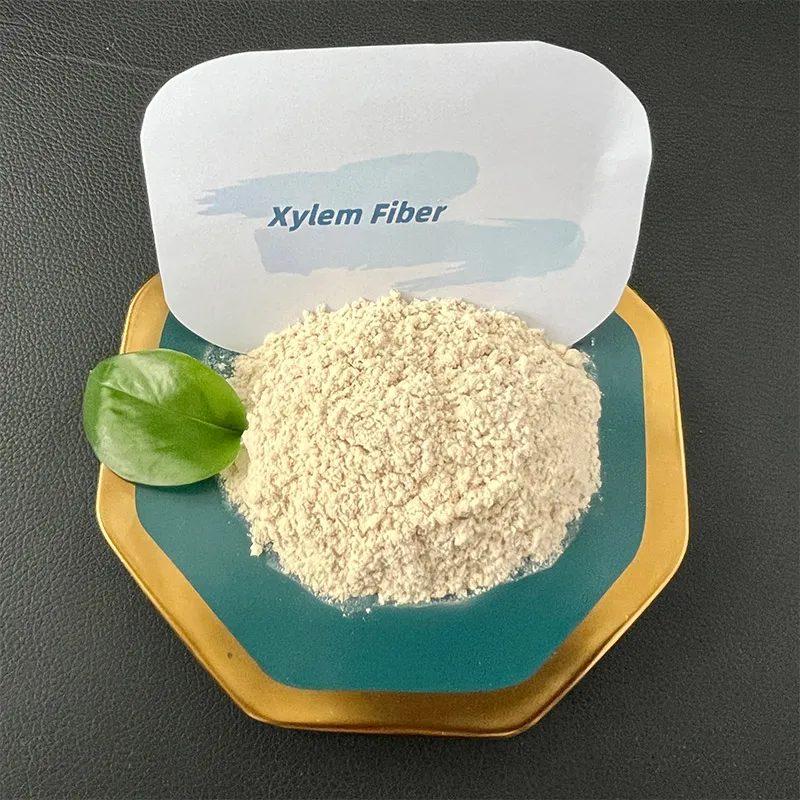
Compliance, QA, and real-world support
Typical documentation: ISO 9001/14001, FSC chain-of-custody, REACH SVHC-compliance statements, RoHS, and safety datasheets. Many customers say the tech team’s dispersion tips save a week of trial-and-error—small thing, big impact.
Citations
- TAPPI Test Methods (T203, T204/T264) – Pulp and cellulose analytics, TAPPI.org
- ISO 2470-1/ISO 287/ISO 2144 – Paper and pulp physical/chemical standards, ISO.org
- ASTM D6866 – Determining biobased content by radiocarbon analysis, ASTM.org
- FSC Chain of Custody Standard – Responsible forest products sourcing, fsc.org
-
Industrial Guide to ГПМЦ целлюлоза High Performance CelluloseNewsApr.16,2026
-
Wood Cellulose Properties and Industrial Applications GuideNewsApr.09,2026
-
Does Wood Contain Cellulose A Detailed Exploration of its Composition and UsesNewsApr.07,2026
-
Understanding Wood Cellulose Meaning Applications and Future TrendsNewsApr.04,2026
-
Exploring the Potential of Wood Cellulose is wood cellulose a Sustainable MaterialNewsMar.31,2026
-
Exploring the Sustainability and Versatility of Cellulose Wood ChipsNewsMar.28,2026
-
Understanding Wood Pulp Cellulose A Comprehensive Guide to Properties and ApplicationsNewsMar.26,2026