-

Add: HeBei ShengShi HongBang Cellulose Technology CO.,LTD.
-

Email
13180486930@163.com -

CONTACT US
+86 13180486930

Redispersible Emulsion Powder: High Adhesion & Flex
What’s Really Happening With Redispersible Emulsion Powder in Construction Chemistry
If you’ve been sourcing drymix additives lately, you’ve probably noticed how fast specs are evolving. To be honest, I’ve seen more innovation in the last 24 months than in the previous five years—driven by low-VOC rules, labor shortages, and the push for faster-curing mortars. Out of all the levers, Redispersible Emulsion Powder (RDP), especially VAE-based grades, sits right at the center.
Who’s behind it?
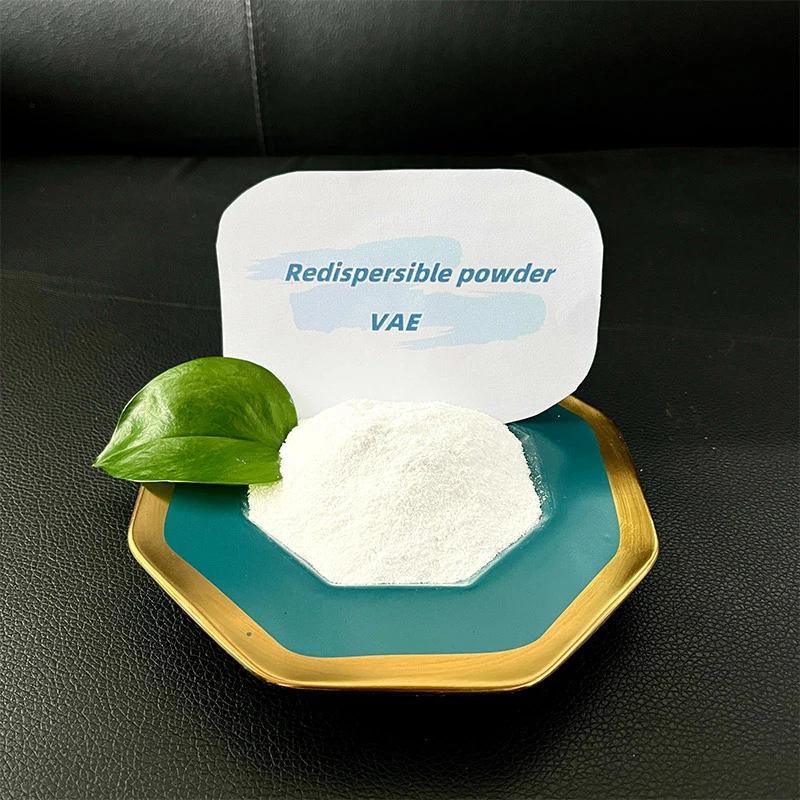
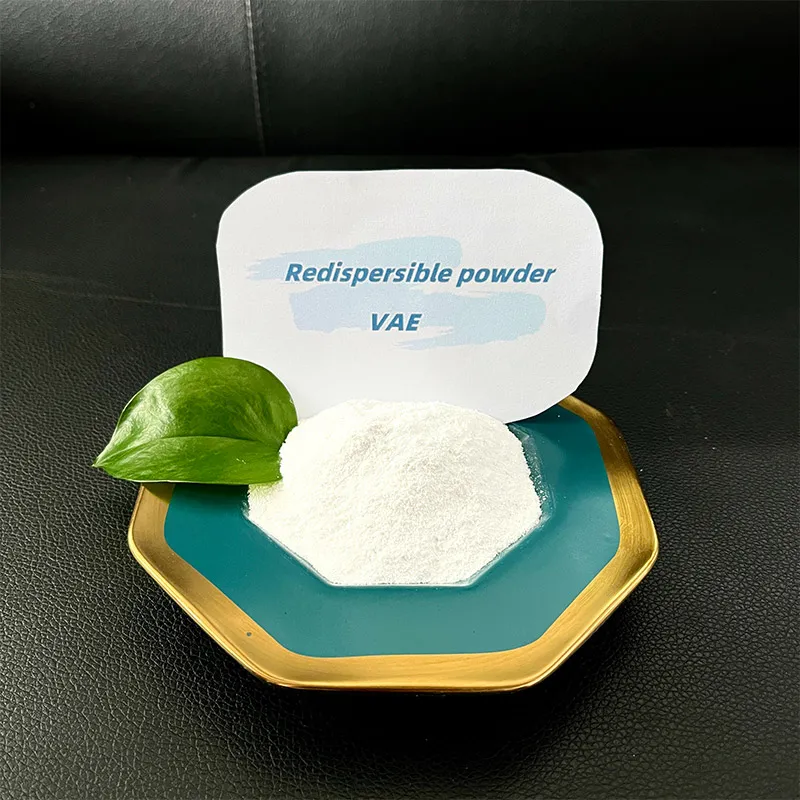
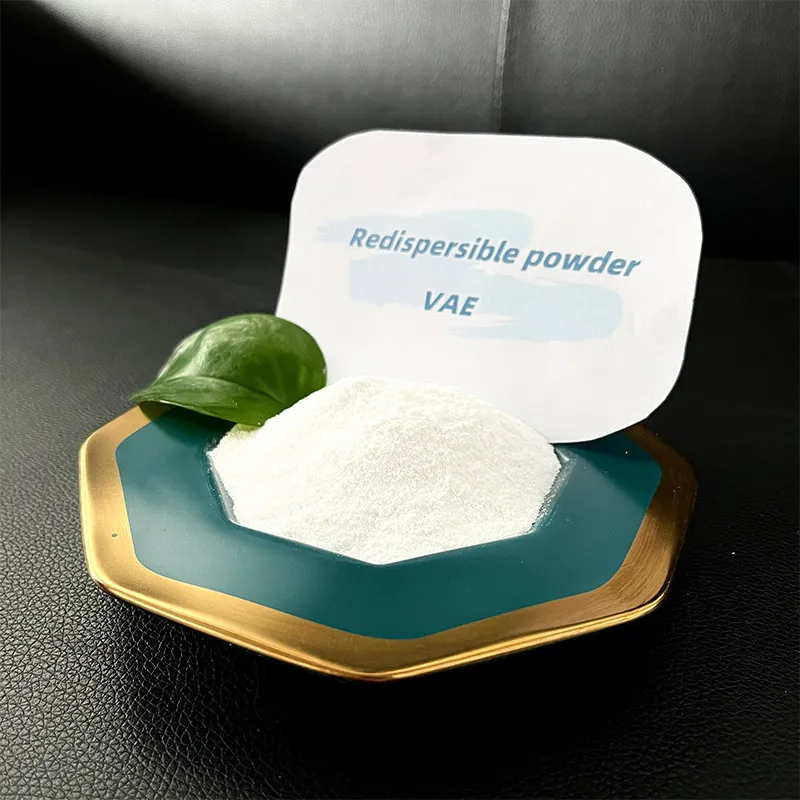
From Hebei, China, HeBei ShengShi HongBang Cellulose Technology Co., LTD (Room 1904, Building B, Wanda Office Building, JiaoYu Road, Xinji City, Hebei Province) produces Redispersible powder VAE—positioned for tile adhesives, ETICS/EIFS, skim coats, self-levelers, and waterproofing slurries. Many customers say consistency batch-to-batch is the real differentiator; I’d agree that’s where projects live or die.
Industry snapshot and trends
- Greener binders: formaldehyde-free protective colloids, ultra-low VOC.
- Faster jobsite turnover: higher early strength and good open time—yes, both.
- Lightweight mixes: improved workability at lower density for easier troweling.
Typical specs for VAE RDP
| Property | Typical Value (≈) | Test/Standard |
|---|---|---|
| Polymer base | VAE (vinyl acetate–ethylene) | — |
| Glass transition Tg | -6 to +6 °C | DSC ISO 11357 |
| MFFT | 0–5 °C | ISO 2115 |
| Bulk density | 350–550 g/L | ISO 60 |
| Residual moisture | ≤ 2.0% | ISO 3251 |
| Ash content | 10–15% | ISO 3451 |
| pH (50% dispersion) | 5.0–8.0 | ISO 976 |
| Redispersion | Free of agglomerates | ISO 3219 (viscosity) |
How it’s made (quick process flow)
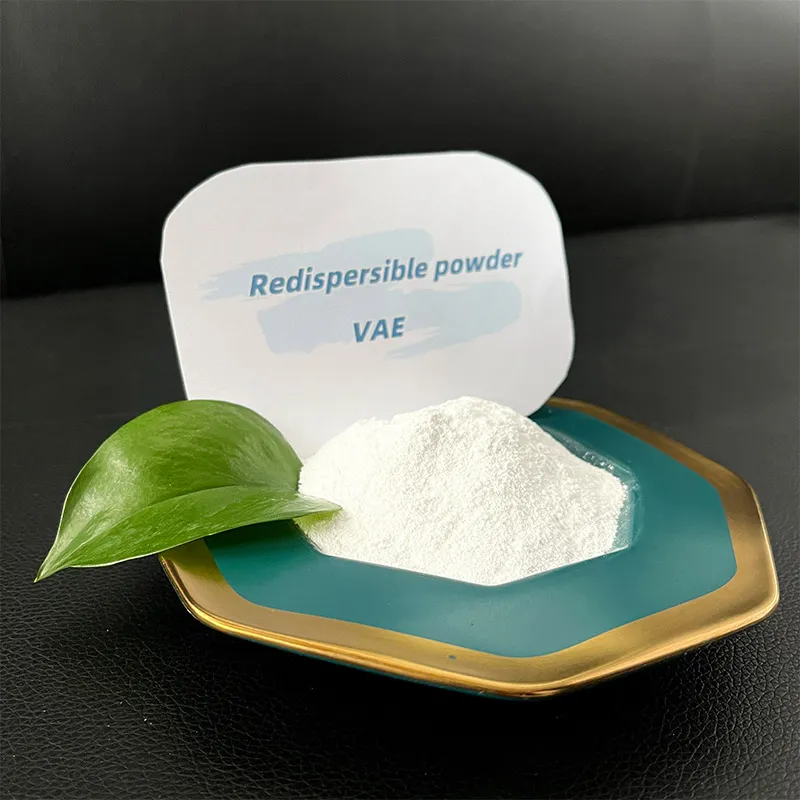
Redispersible Emulsion Powder starts as a stabilized VAE latex. It’s blended with a protective colloid (often PVA), anti-caking mineral, and flow aid, then spray-dried. Key checkpoints: particle-size control, Tg tuning, and surface treatment. QC methods include ash by ISO 3451, sieve residue (≤0.5% on 300 μm), viscosity of redispersion (ISO 3219), and film strength (ISO 527). Shelf life: around 12 months in dry, sealed bags, real-world use may vary with humidity.
Applications and test anchors
- Tile adhesives: EN 12004 tensile pull per EN 1348; early strength boost and slip resistance.
- ETICS basecoats: impact/gravel resistance and crack bridging (ETAG 004 guidance).
- Self-levelers: cohesion and flexural strength; shrink control.
- Waterproofing slurries: adhesion on damp substrates; check EN 14891.
Quick case notes
• Coastal hotel retrofit: switching to VAE RDP raised EN 1348 shear adhesion from 1.2 to 1.8 N/mm² at 28d, while keeping open time. The tilers literally said, “buttery.”
• ETICS on AAC blocks: impact resistance passed site mockups after boosting dosage from 2.5% to 3.5%. Not dramatic, but it made the warranty team sleep better.
Vendor comparison (indicative)
| Vendor | Base/Tg | Ash (≈) | MOQ | Lead Time | Certs | Customization |
|---|---|---|---|---|---|---|
| HeBei ShengShi HongBang | VAE / -2–+4 °C | 12–14% | ≈ 1 MT | 10–15 days | ISO 9001, REACH | Tg, MFFT, anti-cake |
| Vendor A (EU) | VAE / 0–+7 °C | 10–16% | ≈ 0.5 MT | 7–12 days | ISO 9001, 14001 | Color tags, Tg |
| Vendor B (APAC) | VAE / -6–+2 °C | 11–15% | 2 MT | 15–25 days | RoHS, REACH | MFFT, sieve |
Customization and practical notes
- Tuning Tg/MFFT for cold weather set vs. warm climate open time.
- Surface treatment to reduce caking and boost storage flow.
- Compatibility with cellulose ethers (HPMC/HMHEC) and defoamers—always lab test.
Field feedback: “less slump at 3% dosage” and “cleaner edges on feather coats.” Adhesion by ASTM C1583 pull-off often lands at 1.5–2.0 MPa on concrete, depending on mix design. Honestly, substrate prep still beats everything.
Compliance, testing, and service life
Look for ISO 9001, REACH SVHC statements, and food-contact exclusions (if relevant). For mortars: verify EN 12004 (C1/C2), EN 1346 open time, EN 1348 shear, and frost-thaw resistance per EN 12004 Annexes. Typical bagged shelf life: 12 months dry, away from heat.
References
- EN 12004: Adhesives for tiles. https://standards.iteh.ai/catalog/standards/cen/e0b1fb1d-0e3e-47e8-9b48-7ff7d427d9d2/en-12004-1-2017
- EN 1348: Adhesives—Shear adhesion. https://standards.iteh.ai/catalog/standards/cen/40f9f3c5-0f95-4b96-8c38-24c0d89ee5b0/en-1348-2007
- ISO 2115: MFFT of polymer dispersions. https://www.iso.org/standard/73078.html
- ISO 3451: Determination of ash. https://www.iso.org/standard/81221.html
- ASTM C1583: Tensile strength of concrete surfaces. https://www.astm.org/c1583
- ETAG 004 (ETICS guideline). https://www.eota.eu
- EN 14891: Liquid applied waterproofing. https://standards.iteh.ai/catalog/standards/cen/06ef9b0e-0a12-496e-9b03-3b990af32103/en-14891-2017
-
Industrial Guide to ГПМЦ целлюлоза High Performance CelluloseNewsApr.16,2026
-
Wood Cellulose Properties and Industrial Applications GuideNewsApr.09,2026
-
Does Wood Contain Cellulose A Detailed Exploration of its Composition and UsesNewsApr.07,2026
-
Understanding Wood Cellulose Meaning Applications and Future TrendsNewsApr.04,2026
-
Exploring the Potential of Wood Cellulose is wood cellulose a Sustainable MaterialNewsMar.31,2026
-
Exploring the Sustainability and Versatility of Cellulose Wood ChipsNewsMar.28,2026
-
Understanding Wood Pulp Cellulose A Comprehensive Guide to Properties and ApplicationsNewsMar.26,2026