-

Add: HeBei ShengShi HongBang Cellulose Technology CO.,LTD.
-

Email
13180486930@163.com -

CONTACT US
+86 13180486930

Starch Ether for Dry Mortar & Tile Adhesive | High Retention
Starch Ether is a key solution in the chemical industry industry, specifically within Specialty Chemicals and Building chemical additives. This article explores how HeBei ShengShi HongBang Cellulose Technology CO.,LTD. supports professionals with durable, high-performance products, and explains why this product is an ideal choice for businesses in these sectors.
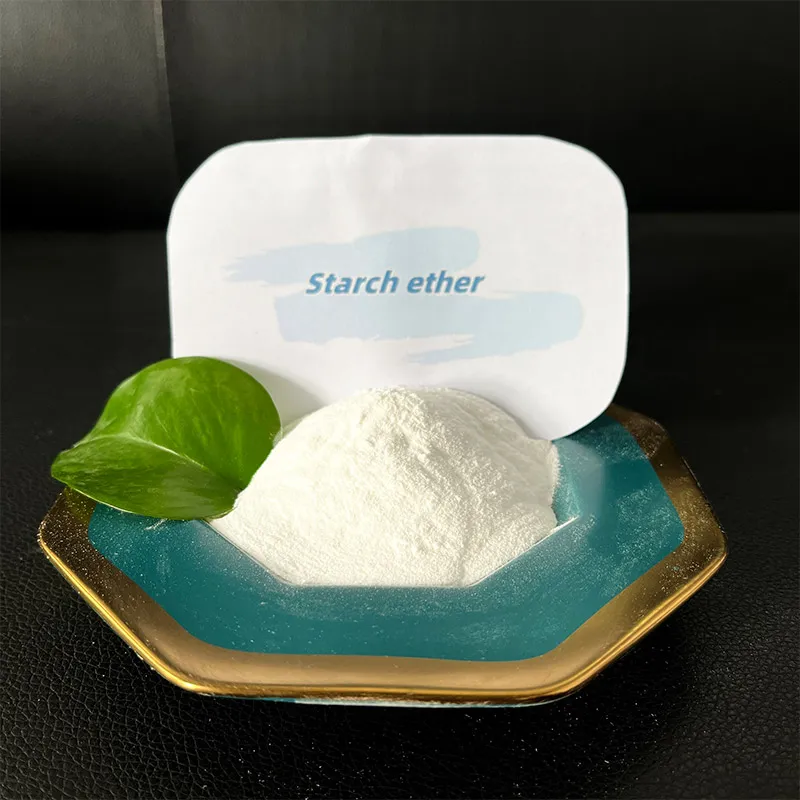
Table of Contents
- Starch Ether Overview
- Benefits & Use Cases of Starch Ether in Building chemical additives
- Cost, Maintenance & User Experience
- Sustainability & Market Trends in chemical industry
- Conclusion on Starch Ether from HeBei ShengShi HongBang Cellulose Technology CO.,LTD.
Starch Ether Overview
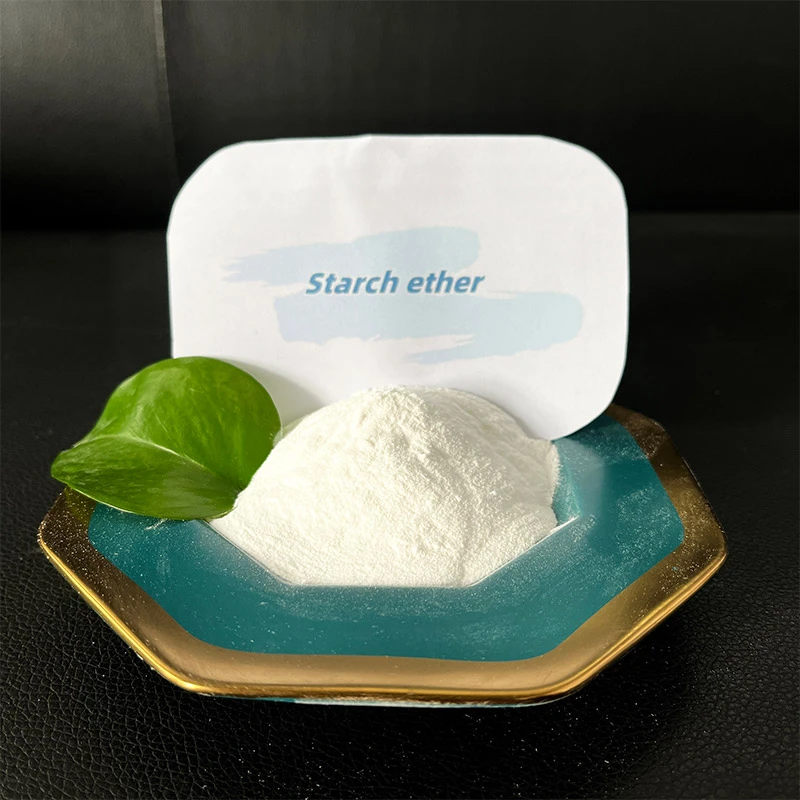
Starch ether is a modified starch derivative engineered to tailor rheology in cement- and gypsum-based dry-mix mortars. In the Specialty Chemicals value chain for building chemical additives, it acts as a co-thickener and workability enhancer, complementing cellulose ethers (HPMC/HMHEC) to deliver anti-sag, improved water retention balance, and smoother troweling. Typical addition rates are low—often 0.05–0.30% based on binder—making it a highly efficient lever for performance and cost optimization across wall putties, tile adhesives, plasters, and repair mortars.
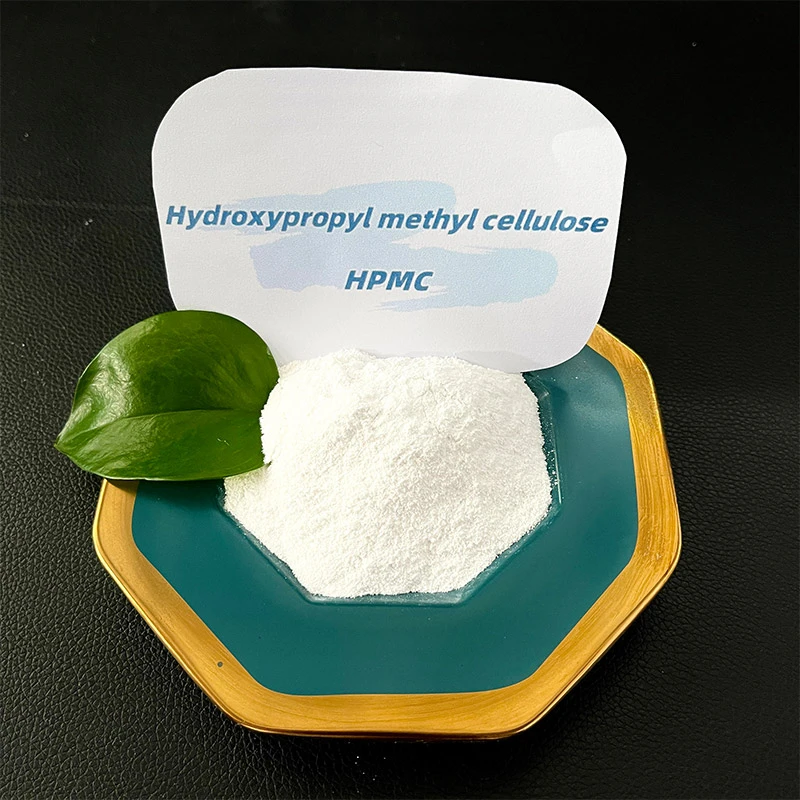
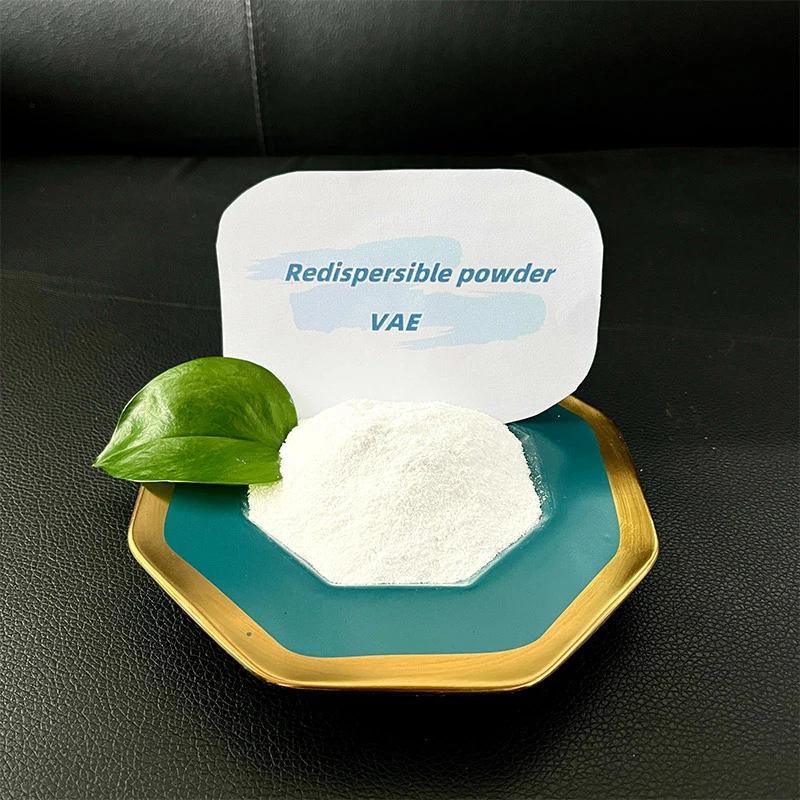
From a technical standpoint, starch ether modifies paste rheology by increasing pseudoplasticity and yield stress, which translates into better vertical hold and reduced slip without excessive stickiness. It works synergistically with HPMC to fine-tune open time and wet edge, while helping reduce trowel drag. Typical physical characteristics include free-flowing white powder, neutral to slightly alkaline pH in solution, and excellent compatibility with Portland cement, gypsum, limestone, and redispersible polymer powders. HeBei ShengShi HongBang Cellulose Technology CO.,LTD. supplies consistent, application-focused grades and supports lab screening, enabling formulators to hit target EN or GB performance classes with confidence.
Benefits & Use Cases of Starch Ether in Building chemical additives
Common starch ether uses include tile adhesives (C1/C2), cement and gypsum plasters, skim coats, wall putties, and EIFS/ETICS basecoats. In tile adhesives specifically, starch ether in tile adhesive formulations helps control slip on vertical substrates while maintaining easy combing and transfer. For plasters and putties, it reduces stickiness at the trowel, improves body, and assists in achieving a smoother finish with fewer surface defects. For dry-mix producers, starch ether for dry mortar is a proven route to stable processing windows across variable raw materials.
Key advantages include low dosage efficiency, enhanced sag resistance, better trowelability, and compatibility with a broad range of binders and fillers. Compared with relying on cellulose ether alone, a tailored starch ether can reduce drag and improve workability balance without compromising open time. HeBei ShengShi HongBang Cellulose Technology CO.,LTD. leverages deep formulation know-how and application testing to match grades to end-use needs—whether the priority is vertical hold in thin-bed adhesives or smoothness and density in fine skim coats—helping B2B decision makers shorten development cycles and de-risk scale-up.
Cost, Maintenance & User Experience
Total cost of ownership hinges on three levers: performance at low dosage, formulation simplification, and reduced jobsite rework. Because starch ether is effective at small additions, it can deliver a strong ROI by improving sag control and workability without raising the overall binder content. Starch ether price generally reflects substitution level, consistency control, order volume, and logistics. HeBei ShengShi HongBang Cellulose Technology CO.,LTD. offers competitive bulk pricing and technical service that helps customers right-size dosage—often enabling savings elsewhere in the package.
Storage and handling are straightforward: keep bags sealed, dry, and away from heat; re-test after long storage to confirm viscosity profile. Many Specialty Chemicals customers report smoother troweling, improved vertical stability, and more predictable set behavior after optimizing with HongBang’s grades. Consistent lot-to-lot quality minimizes plant adjustments, and technical support aids rapid troubleshooting—improving uptime and reducing waste across production and application.
Sustainability & Market Trends in chemical industry
Sustainability is reshaping building chemicals, with regulators and builders pushing for safer, lower-VOC formulations and better resource efficiency. Starch ether, derived from renewable starch sources, supports these goals by enabling performance at low addition rates and helping formulators meet evolving eco-label and low-emission requirements. It can contribute to leaner mortar recipes and stable application behavior, which reduces on-site waste and rework. Market momentum in renovation, energy-efficient façades, and mechanized application continues to elevate demand for precise rheology control.
HeBei ShengShi HongBang Cellulose Technology CO.,LTD. positions itself as a forward-thinking partner by focusing on process efficiency, responsible sourcing, technical collaboration, and packaging options that support reduced material waste. With continuous product refinement and application testing, the company helps customers stay aligned with regional standards and market expectations—providing dependable, scalable starch ether solutions for modern dry-mix manufacturing.
Conclusion on Starch Ether from HeBei ShengShi HongBang Cellulose Technology CO.,LTD.
For B2B decision makers in the chemical industry, starch ether delivers a practical, high-impact lever for optimizing dry-mix formulations—especially in tile adhesives, plasters, wall putties, and ETICS basecoats. HeBei ShengShi HongBang Cellulose Technology CO.,LTD. couples consistent, application-matched grades with responsive technical support to accelerate development and ensure stable, scalable production. Explore tailored recommendations, samples, and pricing to meet your performance and cost targets.
Contact us: email: 13180486930@163.com
Visit our website: https://www.sshbhpmc.com
-
Industrial Guide to ГПМЦ целлюлоза High Performance CelluloseNewsApr.16,2026
-
Wood Cellulose Properties and Industrial Applications GuideNewsApr.09,2026
-
Does Wood Contain Cellulose A Detailed Exploration of its Composition and UsesNewsApr.07,2026
-
Understanding Wood Cellulose Meaning Applications and Future TrendsNewsApr.04,2026
-
Exploring the Potential of Wood Cellulose is wood cellulose a Sustainable MaterialNewsMar.31,2026
-
Exploring the Sustainability and Versatility of Cellulose Wood ChipsNewsMar.28,2026
-
Understanding Wood Pulp Cellulose A Comprehensive Guide to Properties and ApplicationsNewsMar.26,2026