-

Add: HeBei ShengShi HongBang Cellulose Technology CO.,LTD.
-

Email
13180486930@163.com -

CONTACT US
+86 13180486930
Polypropylene Fiber for Durable, Crack-Resistant Concrete
Polypropylene Fiber is a key solution in the manufacturing industry, specifically within Manufacturing of building materials and Concrete admixture. This article explores how HeBei ShengShi HongBang Cellulose Technology CO.,LTD. supports professionals with durable, high-performance products, and explains why this product is an ideal choice for businesses in these sectors.
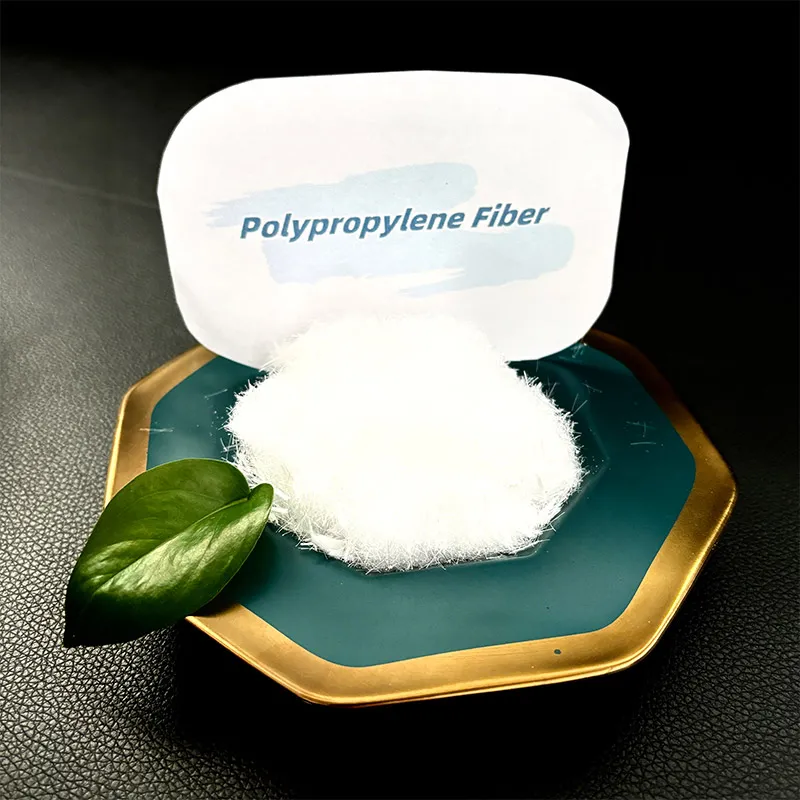
Table of Contents
- Polypropylene Fiber Overview
- Benefits & Use Cases of Polypropylene Fiber in Concrete admixture
- Cost, Maintenance & User Experience
- Sustainability & Market Trends in manufacturing
- Conclusion on Polypropylene Fiber from HeBei ShengShi HongBang Cellulose Technology CO.,LTD.
Polypropylene Fiber Overview
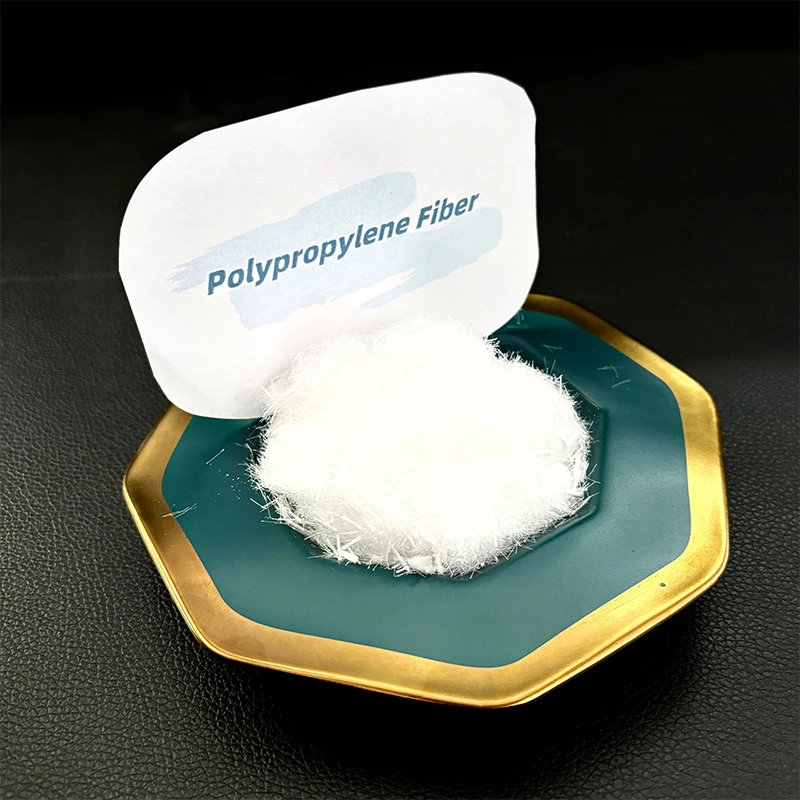
Polypropylene Fiber (also referred to as pp fiber, polypropylene fibre, or microfiber synthetic reinforcement) is a high-performance additive designed to control cracking and enhance durability in cementitious systems. Engineered from 100% virgin polypropylene, these fibers are chemically inert, non-corrosive, and hydrophobic—ideal properties for demanding concrete environments. In pp fiber concrete, monofilament or fibrillated strands—typically 3–19 mm in length with diameters in the micron range—disperse uniformly throughout the matrix, bridging microcracks to reduce plastic shrinkage, settlement cracking, and early-age thermal stress. Typical dosages for microfibers are 0.6–1.0 kg/m³, while higher dosages or macro-variants can be used for toughness and impact resistance. With a density of ~0.91 g/cm³, melting point around 160–170°C, and excellent alkali resistance, Polypropylene Fiber performs reliably in both ready-mix and precast operations. HeBei ShengShi HongBang Cellulose Technology CO.,LTD. manufactures consistent, application-ready pp fibers with stable dispersion, tight length tolerance, and low balling tendency—key factors for batching efficiency and predictable results on site.
Benefits & Use Cases of Polypropylene Fiber in Concrete admixture
In Concrete admixture design, Polypropylene Fiber delivers measurable performance gains across a wide range of B2B applications: slabs-on-grade, industrial floors, precast elements, overlays, repair mortars, shotcrete, and tunnel linings. In plastic-stage concrete, pp fiber concrete minimizes plastic shrinkage cracking by distributing internal tensile stresses and reducing bleed water channel formation. In hardened-stage concrete, fibers enhance impact resistance, abrasion performance, and surface toughness, while helping mitigate explosive spalling under rapid heating by creating micro-venting pathways. Compared with steel mesh for crack control, microfiber synthetic reinforcement is non-rusting, lighter to handle, and easier to dose directly into mixers—streamlining logistics and safety. HeBei ShengShi HongBang Cellulose Technology CO.,LTD. leverages advanced extrusion and cutting processes to produce fibers with uniform geometry and excellent dispersion, ensuring consistent finishability and pumpability. The company’s technical team supports mix optimization, including fiber length selection and dosage recommendations tailored to target slump, workability, and finishing requirements—so producers can integrate fibers without compromising cycle time or surface appearance.
Cost, Maintenance & User Experience
From a total cost of ownership standpoint, Polypropylene Fiber is a low-capex, high-leverage upgrade. The material cost per cubic meter is modest, yet it can reduce cracking-related callbacks, minimize labor tied to placing welded wire reinforcement for shrinkage control, and extend service life by improving toughness and edge integrity. Many producers report faster placement and fewer safety risks thanks to simpler handling and dosing. In industrial flooring, contractors appreciate improved finishing with appropriate mix adjustments; in precast, consistent dispersion translates to repeatable aesthetics and reduced defect rates. Customers in the Manufacturing of building materials sector value the predictable ROI of pp fiber, especially where downtime and rework are expensive. HeBei ShengShi HongBang Cellulose Technology CO.,LTD. complements product supply with responsive technical service—from trial batches to jobsite guidance—helping stakeholders quantify benefits like reduced crack area, improved early-age performance, and lower maintenance over time. The result is a balanced cost profile: minimal change to mix design economics, meaningful reduction in lifecycle risks, and stronger project outcomes for owners and contractors alike.
Sustainability & Market Trends in manufacturing
Sustainability priorities in concrete are accelerating: longer service life, fewer repairs, and optimized material usage. Polypropylene Fiber supports these goals by reducing early cracking, which limits pathways for ingress and extends durability—translating to fewer interventions and lower embodied carbon over the lifecycle. As specifications evolve toward performance-based criteria, microfiber synthetic solutions are increasingly written into standards and project specs for plastic-shrinkage control and fire spalling mitigation. Additionally, replacing or minimizing steel mesh in non-structural crack control can reduce transport weight and installation labor, contributing to safer jobsites and potential emissions savings. HeBei ShengShi HongBang Cellulose Technology CO.,LTD. invests in process efficiency and quality control to deliver consistent fibers that help producers meet emerging regulations and owner-driven ESG targets. The company’s forward-thinking approach—application support, rigorous testing, and continuous product improvement—positions it as a dependable partner for ready-mix producers, precasters, and contractors seeking to future-proof their mixes while meeting demanding timelines and sustainability benchmarks.
Conclusion on Polypropylene Fiber from HeBei ShengShi HongBang Cellulose Technology CO.,LTD.
Polypropylene Fiber is a proven, cost-effective reinforcement that elevates performance in manufacturing, building materials, and concrete admixtures—reducing plastic shrinkage cracking, improving toughness, and streamlining placement. HeBei ShengShi HongBang Cellulose Technology CO.,LTD. delivers reliable pp fiber backed by technical expertise and consistent quality, enabling B2B decision makers to achieve durable, predictable outcomes. Contact us: email: 13180486930@163.com. Visit our website: https://www.sshbhpmc.com
-
Industrial Guide to ГПМЦ целлюлоза High Performance CelluloseNewsApr.16,2026
-
Wood Cellulose Properties and Industrial Applications GuideNewsApr.09,2026
-
Does Wood Contain Cellulose A Detailed Exploration of its Composition and UsesNewsApr.07,2026
-
Understanding Wood Cellulose Meaning Applications and Future TrendsNewsApr.04,2026
-
Exploring the Potential of Wood Cellulose is wood cellulose a Sustainable MaterialNewsMar.31,2026
-
Exploring the Sustainability and Versatility of Cellulose Wood ChipsNewsMar.28,2026
-
Understanding Wood Pulp Cellulose A Comprehensive Guide to Properties and ApplicationsNewsMar.26,2026