-

Add: HeBei ShengShi HongBang Cellulose Technology CO.,LTD.
-

Email
13180486930@163.com -

CONTACT US
+86 13180486930
Polypropylene Fiber for Concrete: Anti-Crack & Durable
Polypropylene Fiber is a key solution in the manufacturing industry, specifically within Manufacturing of building materials and Concrete admixture. This article explores how HeBei ShengShi HongBang Cellulose Technology CO.,LTD. supports professionals with durable, high-performance products, and explains why this product is an ideal choice for businesses in these sectors.
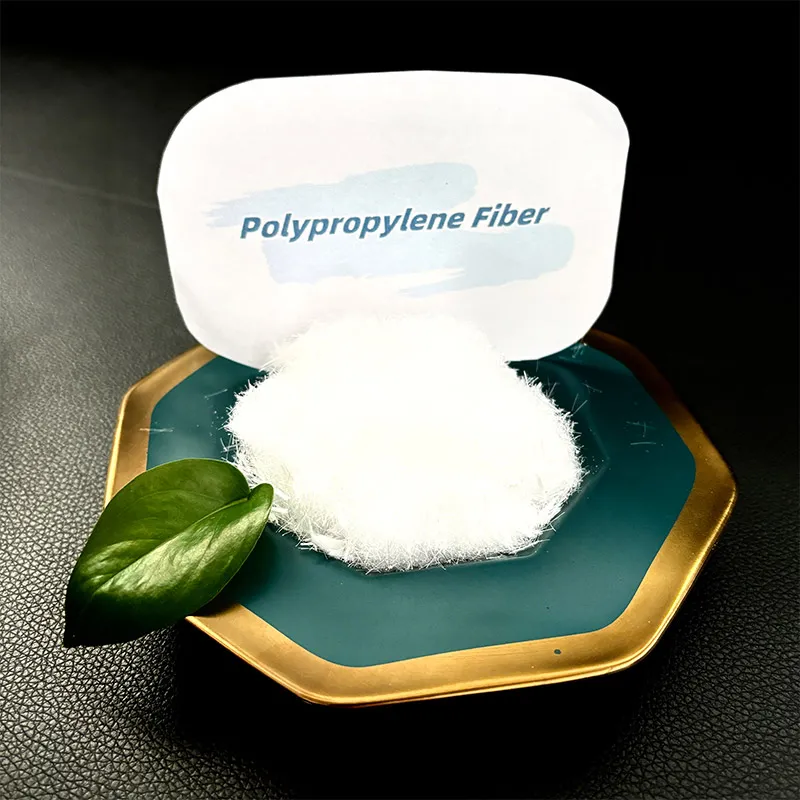
Table of Contents
- Polypropylene Fiber Overview
- Benefits & Use Cases of Polypropylene Fiber in Concrete admixture
- Cost, Maintenance & User Experience
- Sustainability & Market Trends in manufacturing
- Conclusion on Polypropylene Fiber from HeBei ShengShi HongBang Cellulose Technology CO.,LTD.
Polypropylene Fiber Overview
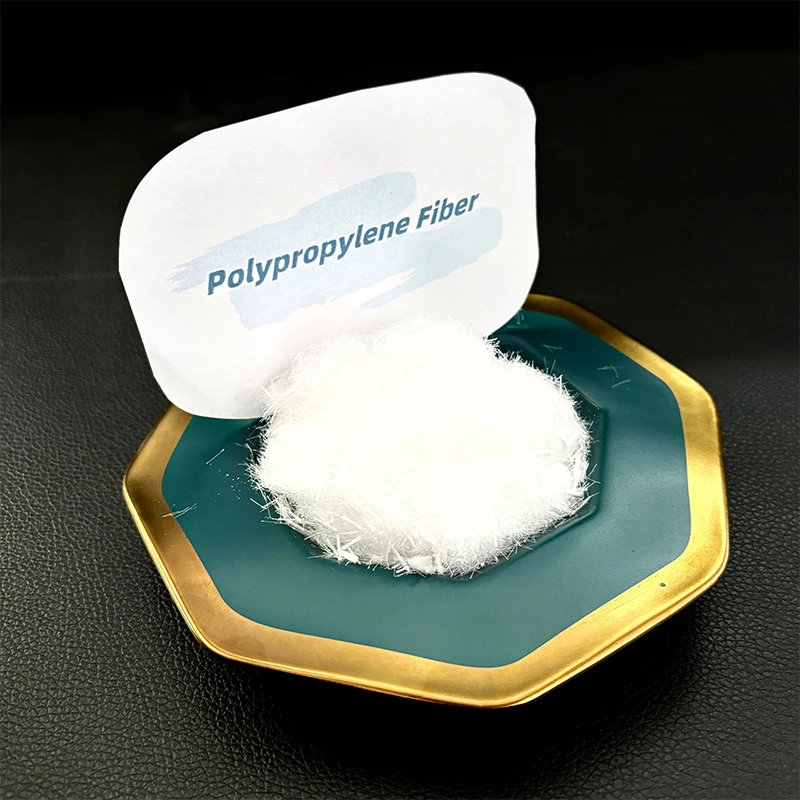
Polypropylene Fiber (often called PP fiber or polypropylene fibre) is a high-performance, thermoplastic monofilament used to reinforce cementitious materials. In concrete admixtures, these microfiber synthetic strands distribute throughout the matrix, controlling plastic shrinkage cracking, improving impact resistance, and enhancing long-term durability. For B2B decision makers in ready-mix, precast, dry-mix mortars, and shotcrete, PP fiber concrete helps achieve consistent quality with minimal process change and predictable performance gains.
Typical specifications include density around 0.91 g/cm³, tensile strength commonly in the 350–700 MPa range, elongation 15–35%, melting point ~160–170°C, and excellent alkali and chloride resistance. Micro grades are usually 3–19 mm in length and 18–30 μm diameter for crack control; macro grades can reach 38–54 mm for enhanced toughness. Recommended dosages for crack mitigation are often 0.6–1.0 kg/m³ for microfibers, while structural macro fiber dosages vary by design. These attributes help stabilize the concrete during early hydration and mitigate crack propagation across the service life.
HeBei ShengShi HongBang Cellulose Technology CO.,LTD. manufactures consistent, clean-dosing PP fibers tailored for cement-based systems. With strict QC, controlled fiber dispersion treatment, and packaging options aligned to plant workflows, the company delivers reliable batch-to-batch quality that simplifies adoption across diverse manufacturing lines.
Benefits & Use Cases of Polypropylene Fiber in Concrete admixture
In concrete admixture formulations, Polypropylene Fiber is used in ready-mix slabs, industrial floors, pavements, overlays, shotcrete linings, mortar-based repair systems, and precast elements. For pp fiber concrete, micro grades reduce plastic shrinkage cracking and improve finish integrity, while macro grades can partially replace conventional temperature/shrinkage reinforcement in certain applications as specified by engineers. In dry-mix mortars, PP fibers enhance cohesion, reduce slumping, and limit micro-cracking in renders and tile adhesives.
- Crack mitigation: Fibers bridge micro-cracks at early age, lowering the risk of surface checking and edge curling.
- Durability: Improved impact resistance and abrasion performance in high-traffic zones and logistics facilities.
- Processing: Uniform dispersion, minimal effect on slump when dosed correctly, compatible with common admixtures.
- Corrosion immunity: Non-corrosive, alkali-resistant PP fibers outperform metallic alternatives in aggressive environments.
HeBei ShengShi HongBang Cellulose Technology CO.,LTD. supports mix design optimization for both micro and macro PP fiber systems, offering technical guidance on dosage, mixing sequence, and finishing best practices. Their application expertise helps producers accelerate approvals, meet specifications (e.g., ASTM C1116, EN 14889 guidance), and consistently deliver high-value products across infrastructure, industrial, and residential projects.
Cost, Maintenance & User Experience
Total cost of ownership favors Polypropylene Fiber because it is light, easy to dose, and non-corrosive. Compared with steel mesh for shrinkage control, PP fiber can reduce labor and placement time, lower logistics costs, and minimize rework from early-age cracking. The long-term ROI is driven by fewer surface defects, reduced joint spalling, and less maintenance in high-wear zones such as warehouses and yards. Fibers also simplify scheduling—no separate steel placement step and fewer on-site bottlenecks.
Users in the Manufacturing of building materials sector report smoother finishing when proper consolidation and finishing timing are observed, along with enhanced early-age crack control in slabs and precast panels. Ready-mix producers appreciate the clean addition process—pre-measured bags can be dosed directly into the mixer—while precasters value the consistent dispersion and surface quality after demolding. HeBei ShengShi HongBang Cellulose Technology CO.,LTD. complements this with responsive technical service, enabling producers to tailor dosages to target performance, maintain margins, and reduce warranty callbacks.
Sustainability & Market Trends in manufacturing
Sustainability priorities and evolving codes are pushing wider adoption of fiber-reinforced concrete. Polypropylene Fiber supports lifecycle durability by mitigating crack formation and reducing moisture ingress, which helps extend service life and lower maintenance-related emissions. In some designs, macro PP fibers can reduce dependence on secondary steel reinforcement for shrinkage/temperature control, trimming embodied carbon and onsite waste. Additionally, PP fiber’s inert, non-corrosive nature supports long-term performance in deicing salt and coastal environments.
The market is trending toward performance-based specifications, digital QC, and industrialized construction. Within this context, HeBei ShengShi HongBang Cellulose Technology CO.,LTD. positions its microfiber synthetic portfolio as a reliable, eco-conscious choice—offering recyclable packaging options, stable supply, and technical documentation aligned with global standards. By aligning materials science with practical jobsite needs, the company helps producers meet tightening regulatory expectations while delivering high-performing, lower-risk concretes at scale.
Conclusion on Polypropylene Fiber from HeBei ShengShi HongBang Cellulose Technology CO.,LTD.
Polypropylene Fiber empowers manufacturers of building materials to produce tougher, more reliable PP fiber concrete and mortar systems. From crack control to durability and process efficiency, it delivers measurable value across ready-mix, precast, shotcrete, and dry-mix lines. Backed by HeBei ShengShi HongBang Cellulose Technology CO.,LTD.’s quality manufacturing and expert support, you gain a dependable reinforcement solution that fits modern specs and market demands. Contact us: email: 13180486930@163.com — Visit our website: https://www.sshbhpmc.com
-
Industrial Guide to ГПМЦ целлюлоза High Performance CelluloseNewsApr.16,2026
-
Wood Cellulose Properties and Industrial Applications GuideNewsApr.09,2026
-
Does Wood Contain Cellulose A Detailed Exploration of its Composition and UsesNewsApr.07,2026
-
Understanding Wood Cellulose Meaning Applications and Future TrendsNewsApr.04,2026
-
Exploring the Potential of Wood Cellulose is wood cellulose a Sustainable MaterialNewsMar.31,2026
-
Exploring the Sustainability and Versatility of Cellulose Wood ChipsNewsMar.28,2026
-
Understanding Wood Pulp Cellulose A Comprehensive Guide to Properties and ApplicationsNewsMar.26,2026