-

Add: HeBei ShengShi HongBang Cellulose Technology CO.,LTD.
-

Email
13180486930@163.com -

CONTACT US
+86 13180486930

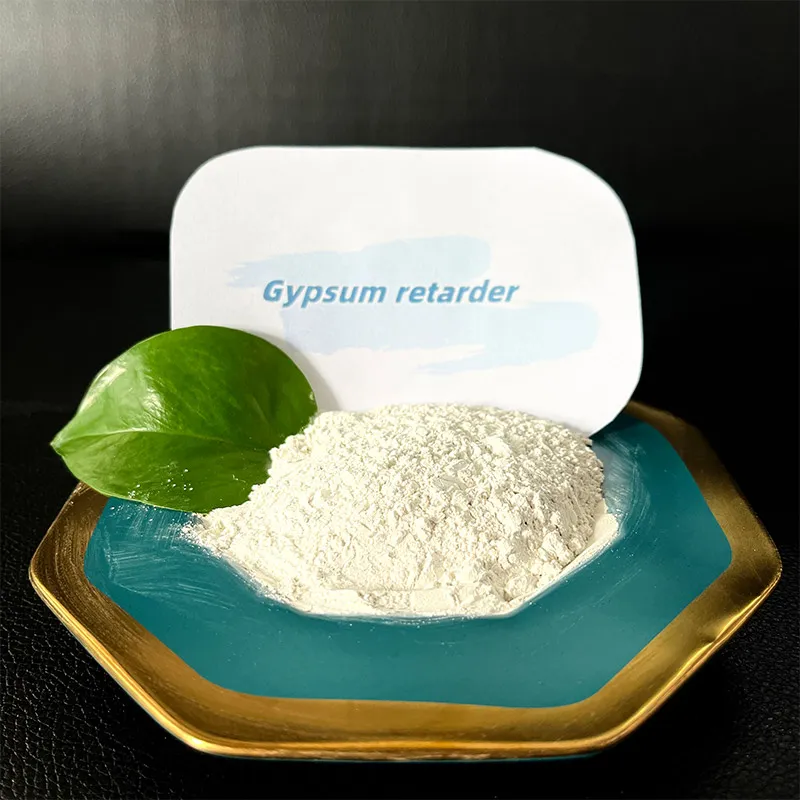
Premium Plaster Retarder: Maximize Work Time, Enhance Finish
Introduction to Advanced Gypsum Retarders
In the demanding landscape of modern construction, precision and control are paramount. For gypsum-based building materials, managing setting time is a critical factor influencing workability, application efficiency, and final product quality. This is where high-performance plaster retarder chemicals play an indispensable role. Engineered to extend the hydration process of gypsum, these additives provide constructors and manufacturers with extended open times, allowing for greater flexibility, reduced material waste, and superior finishing.
Our advanced gypsum retarder solutions are meticulously formulated to meet the rigorous demands of various gypsum applications, from plastering and screeding to the production of high-quality gypsum boards and specialized renders. By precisely controlling the crystallization kinetics of calcium sulfate hemihydrate, our additives ensure optimal workability and consistent performance across diverse environmental conditions and application methodologies. This comprehensive guide delves into the technical aspects, market trends, and practical applications of these essential construction chemicals.
Understanding the nuanced chemistry and practical implications of these additives is crucial for any professional seeking to optimize their gypsum-based formulations and achieve unparalleled results in construction projects.
The Manufacturing Process of a Plaster Retarder
The production of a high-quality plaster retarder is a complex, multi-stage process demanding stringent quality control and precise chemical engineering. Unlike mechanical components, gypsum retarder chemicals are synthesized or meticulously blended to achieve their specific performance characteristics. Our manufacturing philosophy emphasizes purity, consistency, and efficacy.
Process Flow Overview:
1. Raw Material Sourcing
High-purity organic acids, proteins, and specialty polymers are sourced from certified suppliers, ensuring compliance with international standards like REACH and FDA where applicable.
2. Controlled Blending/Synthesis
Materials are precisely measured and introduced into reactors or blending tanks. Depending on the retarder type, this stage involves either controlled chemical synthesis or homogeneous physical blending under specific temperature and pressure conditions.
3. Drying Process
The liquid or slurry intermediate undergoes advanced drying techniques (e.g., spray drying, vacuum drying) to convert it into a fine, free-flowing powder, crucial for consistent performance.
4. Milling and Sieving
The dried material is milled to achieve optimal particle size distribution and then sieved to eliminate agglomerates, ensuring uniform dissolution and dispersion in gypsum mixtures.
5. Quality Control & Testing
Each batch undergoes rigorous testing against ISO 9001 quality management standards and internal performance benchmarks. This includes setting time tests, pH, moisture content, and chemical purity analysis.
6. Packaging
The finished product is carefully packaged in moisture-resistant bags or container111s, ready for dispatch to global markets.
Target Industries & Advantages:
Our gypsum retarder products are vital for the building materials industry, specifically targeting:
- Gypsum Board Manufacturing: Essential for controlling the hydration speed, ensuring uniform board formation and optimal production line speeds.
- Ready-Mix Plasters and Renders: Provides extended open time, enhancing workability for applicators and reducing rework, leading to energy savings in application and reduced material waste.
- Gypsum Blocks and Decorative Elements: Facilitates precise molding and extended setting for intricate designs.
- Self-Leveling Compounds (Gypsum-based): Allows for proper flow and leveling before setting, critical for a smooth finish.
The key advantages our plaster retarder brings include enhanced workability, prolonged open time (allowing for larger areas to be covered or more complex applications), improved surface finish, and significant reduction in material waste. These translate directly into cost savings and increased project efficiency for our clients.
Industry Trends and Market Dynamics
The market for gypsum retarder chemicals is experiencing dynamic growth, driven by several key trends in the global construction sector. A significant trend is the increasing demand for sustainable and eco-friendly building materials. This pushes manufacturers to develop bio-degradable or low-VOC (Volatile Organic Compound) gypsum retarder solutions. The emphasis on green building certifications and resource efficiency is compelling innovation in this space.
Another major trend is the rising adoption of pre-mixed dry mortar and plaster formulations. These factory-blended products offer consistency, reduce on-site labor, and minimize errors, making the precise control offered by high-quality plaster retarder indispensable. Urbanization and infrastructure development in emerging economies, particularly across Asia-Pacific and Latin America, are fueling robust demand for gypsum-based construction materials and, by extension, the additives that enhance their performance.
Furthermore, the ongoing advancements in building codes and standards for fire resistance, thermal insulation, and acoustic performance are driving the formulation of specialized gypsum products. This necessitates tailor-made gypsum retarder chemicals that can integrate seamlessly without compromising other performance parameters. The market is also seeing a move towards higher efficiency and dosage reduction, where a smaller amount of additive can achieve the desired setting time extension, leading to cost-effectiveness and reduced material input.
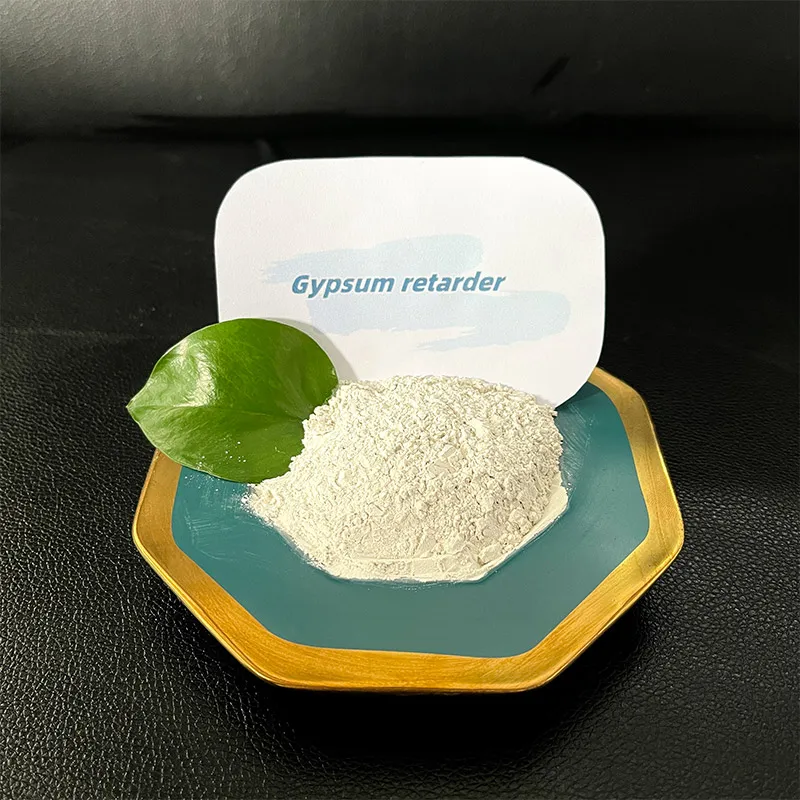
Technical Specifications and Performance Parameters
Our range of gypsum retarder products is designed with a keen understanding of gypsum hydration kinetics and the rheological properties of plaster. These products offer precise control over the setting time, which is crucial for various applications. Key technical parameters define the efficacy and suitability of a gypsum retarder for specific applications.
Typical Product Specifications:
| Parameter | Unit | Typical Range (Standard Grade) | Advanced Grade |
|---|---|---|---|
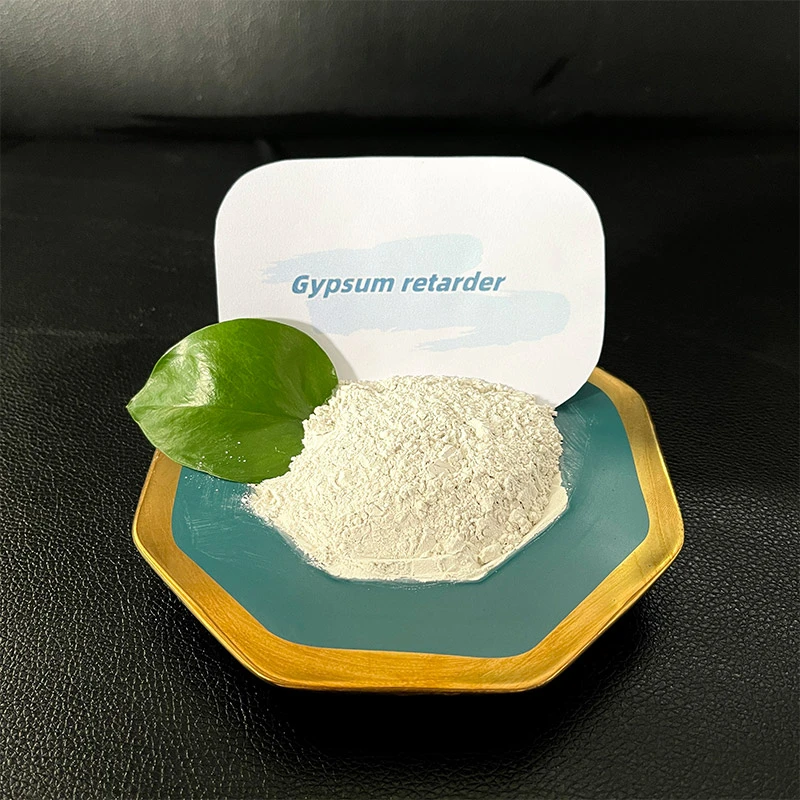
| Appearance | - | White to off-white powder | Fine, homogeneous white powder |
| Moisture Content | % | ≤ 5.0 | ≤ 3.0 |
| pH (1% solution) | - | 6.0 - 8.0 | 6.5 - 7.5 |
| Fineness (Residue on 80 mesh) | % | ≤ 5.0 | ≤ 1.0 |
| Dosage Recommendation | % by weight of gypsum | 0.02 - 0.2 | 0.01 - 0.15 (High Efficiency) |
| Setting Time Extension (at 0.1% dosage) | Minutes | 15 - 90 | 30 - 180+ (Customizable) |
| Compatibility | - | Good with most gypsum binders | Excellent with all common binders and additives |
These specifications are crucial for ensuring the stability and predictability of gypsum formulations. Our advanced grade gypsum retarder chemicals are developed to provide superior performance, allowing for lower dosages while achieving desired extended setting times, enhancing cost-effectiveness and environmental sustainability.
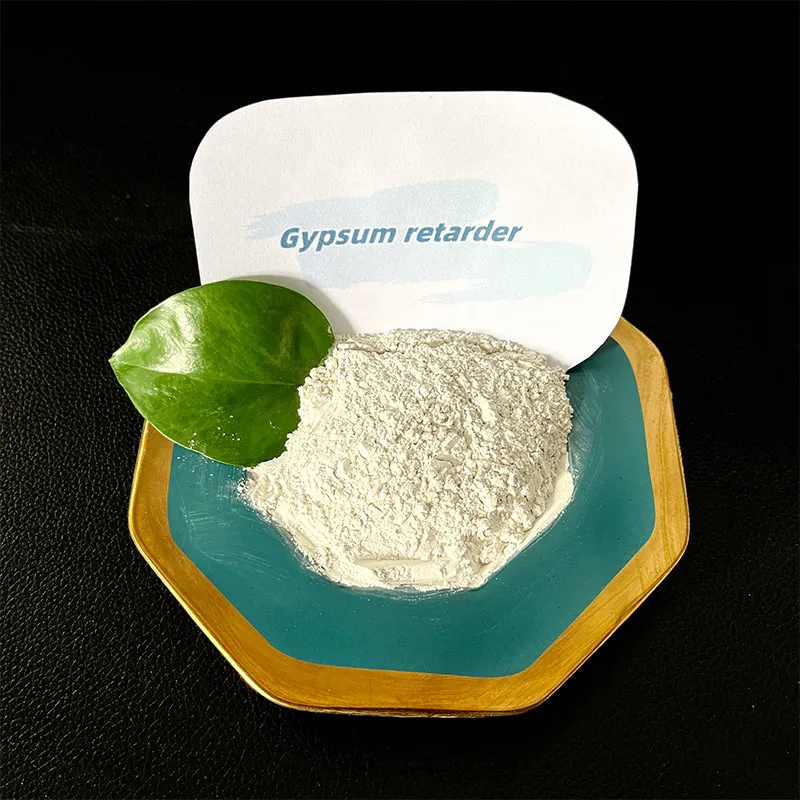
Application Scenarios and Technical Advantages
The versatility of our gypsum retarder products makes them indispensable across a wide spectrum of gypsum-based applications, delivering distinct technical advantages that enhance project efficiency and final product quality.
Key Application Scenarios:
- Machine-Applied Plasters: For large-scale projects, machine application requires a consistent and extended working time. Our extra time plaster additive ensures smooth pumpability and excellent troweling characteristics, preventing premature setting in the equipment or on the wall.
- Hand-Applied Finishing Plasters: Craftsmen require precise control over setting to achieve high-quality, smooth finishes. The extended setting time allows for multiple passes and detailed work without hurried application.
- Gypsum-Based Self-Leveling Screeds: These applications demand sufficient flow time to achieve a perfectly level surface. Our gypsum retarder chemical optimizes flow characteristics and ensures even setting across large floor areas.
- Gypsum Precast Elements: In the production of decorative elements or blocks, the ability to extend the set time is critical for intricate molding and achieving strong, durable products with reduced internal stresses.
Technical Advantages:
- Extended Workability: Significantly prolongs the open time of gypsum mixtures, allowing for more comfortable and efficient application, especially in challenging environments or for complex tasks.
- Enhanced Surface Finish: By controlling the hydration rate, our retarders help achieve smoother, more uniform surfaces, reducing the need for costly rework.
- Improved Adhesion: Optimal setting kinetics contribute to better interaction with substrates, enhancing the long-term adhesion and durability of the plaster.
- Reduced Cracking: Controlled hydration reduces the risk of shrinkage and stress-induced cracking during the setting process, leading to more robust and aesthetic results.
- Consistency Across Batches: Our precisely manufactured gypsum plaster retarder ensures predictable performance, critical for industrial scale production and maintaining product quality.
- Optimized Resource Utilization: By minimizing premature setting and reducing waste, these additives contribute to more sustainable construction practices and better material economy.
These technical advantages not only improve the end product's quality but also streamline the construction process, leading to substantial savings in labor, materials, and time, thereby increasing overall project profitability.
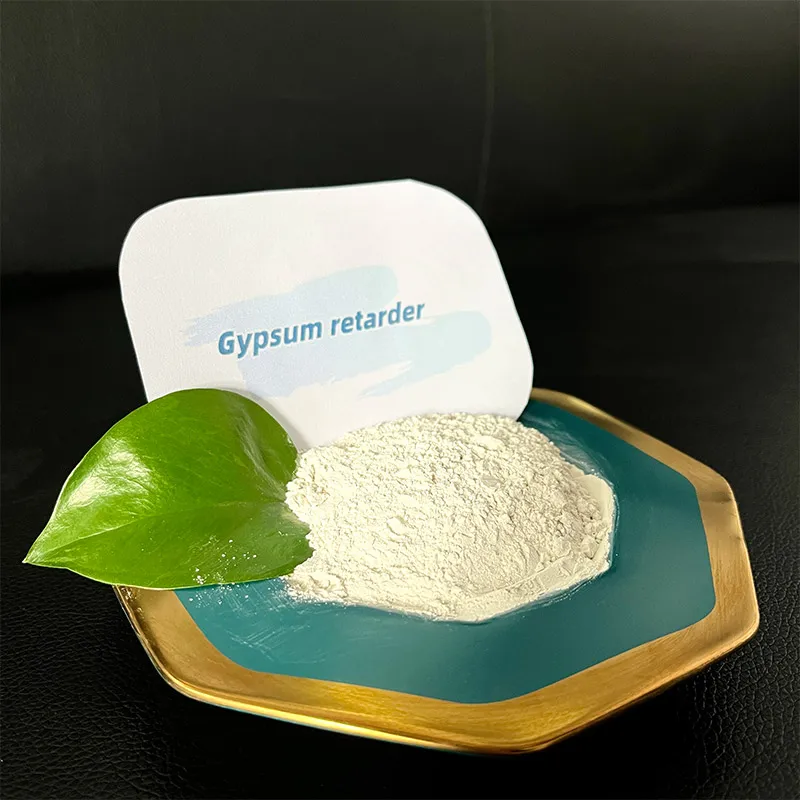
Vendor Comparison and Customized Solutions
Selecting the right gypsum retarder supplier is critical for consistent product quality and project success. While many vendors offer gypsum retarders, differentiation lies in the consistency of performance, technical support, and the ability to offer customized solutions.
Key Differentiators in Vendor Comparison:
- Consistency & Purity: Top-tier suppliers ensure low moisture content, precise particle size, and chemical purity, which directly impacts the predictability and reliability of the retarder's performance.
- Technical Expertise & Support: A reputable vendor provides in-depth technical assistance, helping clients optimize dosages and troubleshoot application-specific challenges.
- Certification & Compliance: Adherence to international standards (e.g., ISO 9001 for quality management, REACH for chemical safety) indicates a commitment to quality and responsible manufacturing.
- R&D Capabilities: Vendors with strong R&D can innovate and adapt to evolving market needs, offering advanced and specialized formulations.
- Supply Chain Reliability: Robust logistics and inventory management ensure timely delivery and uninterrupted supply, crucial for large-scale operations.
Customized Solutions:
Recognizing that every project has unique requirements, we specialize in providing tailored plaster retarder solutions. Our technical team works closely with clients to understand their specific gypsum formulations, application methods, ambient conditions, and desired setting times. This collaborative approach allows us to formulate bespoke gypsum retarder chemicals that are precisely calibrated for optimal performance.
Customization options include:
- Targeted Setting Time Ranges: Adjusting the retardation effect to specific minutes or hours as required for different applications.
- Temperature and Humidity Resilience: Formulations optimized for extreme climates, ensuring consistent performance in hot, cold, humid, or dry conditions.
- Compatibility with Other Additives: Designing retarders that integrate seamlessly with superplasticizers, air entrainers, and other modifiers without adverse interactions.
- Eco-Friendly Alternatives: Developing retarders with specific environmental profiles, such as low-dust or enhanced biodegradability options.
- Specialized Application Requirements: Customizing for specific rheological properties needed for machine spraying, extrusion, or complex molding processes.
This commitment to customization ensures that our clients receive not just a product, but a precisely engineered solution that delivers maximum value and performance for their unique needs.
Application Case Studies
Case Study 1: High-Volume Plasterboard Production
Client: Leading European Gypsum Board Manufacturer
Challenge: The client faced inefficiencies in their high-speed plasterboard production line due to inconsistent setting times of gypsum slurry, leading to frequent line stoppages and product defects. Their existing gypsum retarder offered insufficient control under varying raw material batches and environmental humidity.
Solution: We conducted an extensive analysis of their existing formulation and operational parameters. Our R&D team developed a specialized gypsum retarder chemical with enhanced stability and a wider effective dosage range. This customized formulation provided predictable setting characteristics, even with minor variations in gypsum purity.
Result: Implementation of our custom retarder led to a 15% increase in production line speed and a 20% reduction in waste materials over six months. The consistency of board quality improved significantly, and the client reported substantial savings in operational costs.
Case Study 2: Large-Scale Residential Plastering Project
Client: Major Construction Contractor, Middle East
Challenge: A large residential development required the plastering of over 500,000 square meters of wall space. The hot, arid climate severely shortened the working time of standard gypsum plasters, leading to rushed applications, visible joint lines, and high material wastage. The contractor needed an extra time plaster additive that could withstand high temperatures.
Solution: We supplied a high-performance gypsum plaster retarder formulated specifically for high-temperature environments. This retarder provided an extended open time of up to 90 minutes at ambient temperatures exceeding 35°C (95°F), offering ample time for application and finishing.
Result: The extended workability drastically improved applicator efficiency and satisfaction. The project saw a 25% reduction in material waste and a marked improvement in the aesthetic quality of the finished walls. The project was completed on schedule, within budget, and with superior finish quality, enhancing the contractor's reputation.
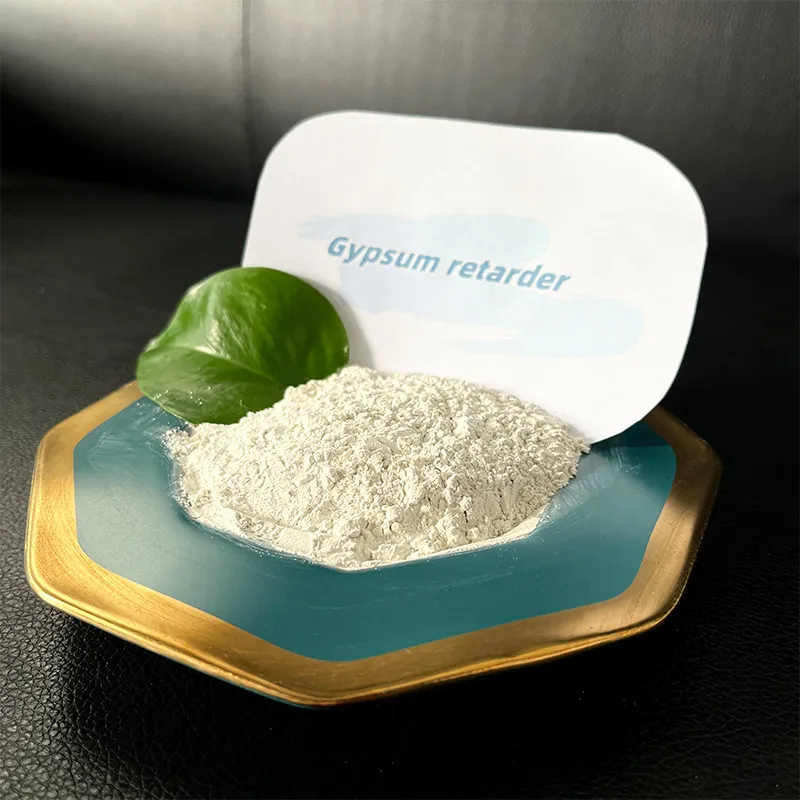
Trust and Support: FAQ, Lead Time, Warranty, and After-Sales
Frequently Asked Questions (FAQ):
Q1: How does a plaster retarder work?
A1: Gypsum retarders function by adsorbing onto the surface of hemihydrate crystals, inhibiting their dissolution and the subsequent nucleation and growth of dihydrate crystals. They essentially create a barrier that slows down the hydration process, thereby extending the setting time.
Q2: What is the recommended storage for gypsum retarders?
A2: Our gypsum retarders should be stored in a cool, dry place, away from direct sunlight and moisture, in their original sealed packaging. Proper storage ensures a shelf life of at least 12 months from the date of manufacture.
Q3: Can gypsum retarders affect the final strength of the plaster?
A3: When used within recommended dosages, our high-quality gypsum retarders are formulated to not adversely affect the final mechanical strength of the set gypsum. In fact, by allowing for more complete hydration, they can sometimes contribute to improved long-term durability. Excessive dosage, however, can lead to reduced strength.
Q4: Are your products environmentally friendly?
A4: We prioritize sustainability in our product development. Many of our gypsum retarder solutions are designed to be low-VOC and meet stringent environmental regulations, contributing to greener building practices. Specific product data sheets detail environmental compliance.
Lead Time and Fulfillment:
We maintain robust inventory levels and efficient logistics to ensure prompt delivery. Standard orders for our regular gypsum retarder grades typically have a lead time of 7-14 business days, depending on destination and order volume. For customized formulations, lead times will be confirmed after technical specifications are finalized, generally ranging from 3-4 weeks for initial production batches. We partner with reliable global shipping providers to ensure on-time and secure delivery.
Warranty Commitments:
Our products are manufactured under strict ISO 9001 certified quality management systems. We guarantee that our gypsum retarder products will meet the published technical specifications at the time of delivery. Any product found to be non-conforming will be replaced or refunded, subject to our standard terms and conditions. Our commitment extends to providing consistent quality and performance you can trust.
Customer Support:
Our dedicated customer support team and technical specialists are available to assist with product selection, application guidance, dosage optimization, and troubleshooting. We offer comprehensive pre-sales consultation and post-sales technical support to ensure you achieve the best possible results with our gypsum retarder solutions. Reach out to us via phone, email, or through our website portal for expert assistance.
References
- Taylor, H.F.W. (1997). Cement Chemistry (2nd ed.). Thomas Telford.
- Juenger, M.C.G., & Winnefeld, F. (2011). Strategies for Reducing the Environmental Impact of the Cement Industry. Cement and Concrete Research, 41(12), 1226-1234.
- Singh, M., & Kumar, S. (2016). Role of retarders in the hydration of gypsum plaster. Journal of Building Engineering, 8, 142-150.
- European Committee for Standardization. (2004). EN 13279-1: Gypsum binders and gypsum plasters - Part 1: Definitions and requirements.
- ASTM International. (2017). C472 / C472M - 15: Standard Test Methods for Physical Testing of Gypsum, Gypsum Plaster, and Gypsum Concrete.
-
Industrial Guide to ГПМЦ целлюлоза High Performance CelluloseNewsApr.16,2026
-
Wood Cellulose Properties and Industrial Applications GuideNewsApr.09,2026
-
Does Wood Contain Cellulose A Detailed Exploration of its Composition and UsesNewsApr.07,2026
-
Understanding Wood Cellulose Meaning Applications and Future TrendsNewsApr.04,2026
-
Exploring the Potential of Wood Cellulose is wood cellulose a Sustainable MaterialNewsMar.31,2026
-
Exploring the Sustainability and Versatility of Cellulose Wood ChipsNewsMar.28,2026
-
Understanding Wood Pulp Cellulose A Comprehensive Guide to Properties and ApplicationsNewsMar.26,2026