-

Add: HeBei ShengShi HongBang Cellulose Technology CO.,LTD.
-

Email
13180486930@163.com -

CONTACT US
+86 13180486930

Xylem Fiber - HeBei ShengShi HongBang | Sustainable Solutions, Eco-friendly Materials
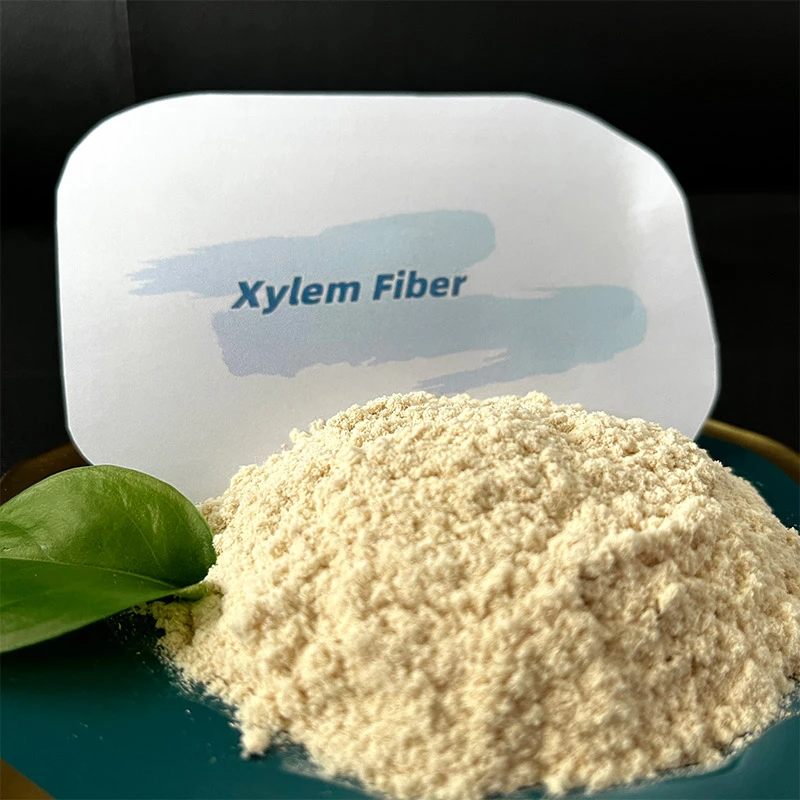
Xylem fiber, a natural and renewable resource derived from wood, has emerged as a transformative material in various industries. This organic flocculent fiber, processed through advanced chemical and mechanical treatments, offers a unique blend of eco-friendliness and versatility. As the global demand for sustainable materials grows, xylem fiber stands out as a critical component in construction, manufacturing, and beyond. This article delves into the features, advantages, technical specifications, applications, and the company behind this innovative product.
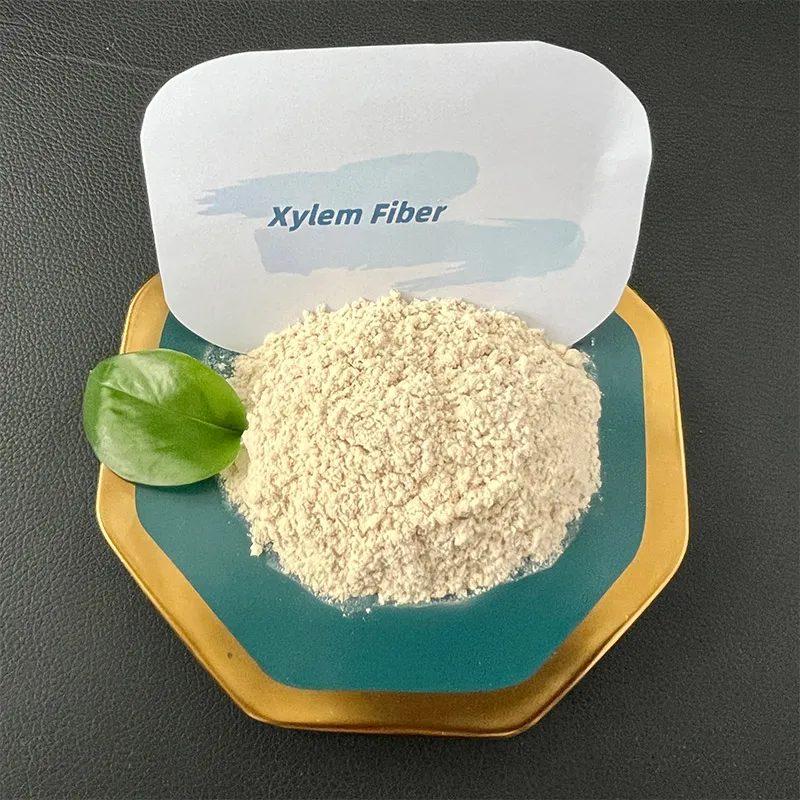
What is Xylem Fiber?
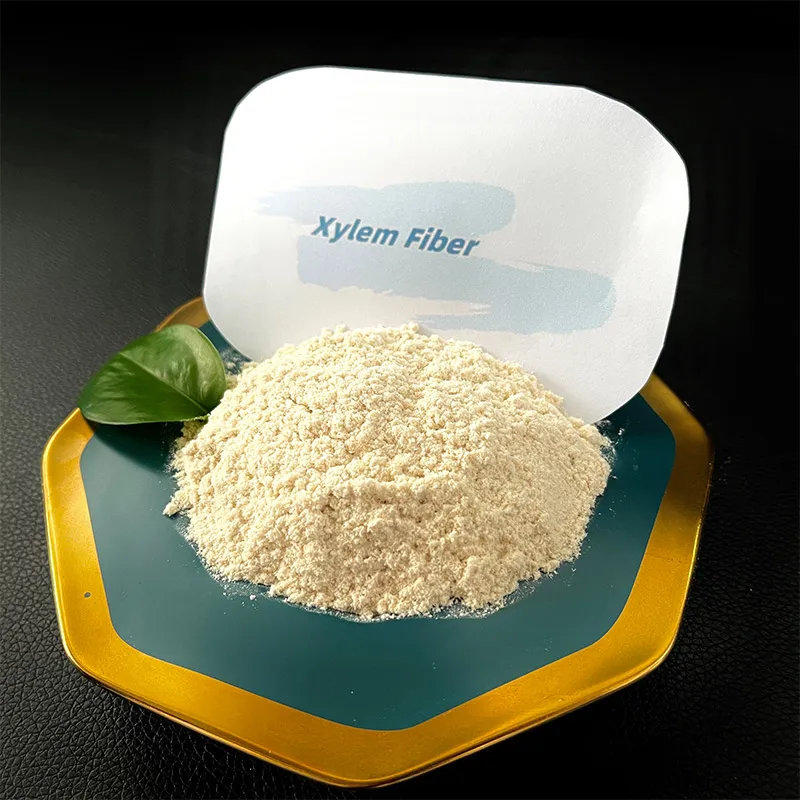
Xylem fiber is a natural, renewable resource extracted from wood. It undergoes chemical treatments and mechanical processing to enhance its properties, making it suitable for a wide range of applications. This fiber is not only biodegradable but also contributes to reducing the reliance on traditional raw materials, aligning with global sustainability goals. The process of extracting cellulose from wood involves breaking down the cellular structure of the wood to isolate the xylem fibers, which are then refined for industrial use. Learn more about xylem fiber.
Key Features and Advantages
The unique properties of xylem fiber make it a preferred choice in multiple industries. Here are some of its standout features:
- Enhanced Strength and Durability: When incorporated into concrete and mortar mixes, xylem fiber improves structural integrity, making it ideal for construction projects requiring high resilience.
- Environmental Sustainability: By reducing the need for traditional materials like cement and synthetic fibers, xylem fiber helps lower the carbon footprint of construction and manufacturing processes.
- Improved Workability: In gypsum products, xylem fiber enhances the workability of the material, allowing for easier shaping and application without compromising quality.
- Biodegradability: Unlike synthetic alternatives, xylem fiber is fully biodegradable, making it an eco-friendly option for products like wood pulp sponges.
- Reinforcing Agent: In the asphalt industry, xylem fiber acts as a reinforcing agent, extending the lifespan of road surfaces and reducing maintenance costs.
Technical Specifications
The following table provides a detailed overview of xylem fiber's technical specifications, which are essential for understanding its performance in various applications:
| Parameter | Specification |
|---|---|
| Material Composition | Natural cellulose fiber derived from wood |
| Moisture Content | ≤ 10% (as per industry standards) |
| Tensile Strength | Varies based on processing; typically 100-200 MPa |
| Absorbency | High, suitable for applications requiring moisture retention |
| Chemical Resistance | Resistant to mild acids and bases; not recommended for extreme environments |
| Biodegradability | 100% biodegradable under natural conditions |
Applications Across Industries
Xylem fiber's versatility allows it to be used in diverse sectors, each leveraging its unique properties:
1. Construction Industry
In the construction sector, xylem fiber is a game-changer. When added to concrete and mortar, it enhances strength and durability, making structures more resistant to cracks and weathering. For gypsum products, it improves workability and structural integrity, reducing the need for additional binders. The fiber's absorbent nature also makes it ideal for wood pulp sponges, offering a sustainable alternative to synthetic sponges. Explore xylem fiber applications.
2. Asphalt Industry
In the asphalt industry, xylem fiber acts as a reinforcing agent, improving the resilience of road surfaces. This application not only extends the lifespan of roads but also reduces maintenance costs. The fiber's ability to bind with asphalt components ensures a more uniform and durable surface, even under heavy traffic conditions.
3. Medium Density Fiberboard (MDF) Manufacturing
Xylem fiber is a key ingredient in the production of medium density fiberboard (MDF). This material is widely used in the home-building sector for furniture and cabinetry due to its strength and smooth finish. By using xylem fiber, manufacturers can create sustainable MDF panels that meet modern environmental standards.
4. Sustainable Product Development
The use of xylem fiber aligns with the growing trend of sustainable product development. From biodegradable cleaning products to eco-friendly building materials, xylem fiber's adaptability makes it a valuable resource for innovators seeking to reduce their environmental impact. As noted by the National Institute of Standards and Technology (NIST), "the integration of renewable resources like xylem fiber into manufacturing processes is critical for advancing sustainable technologies."
Company Background: HeBei ShengShi HongBang Cellulose Technology CO.,LTD.
Xylem fiber is produced by HeBei ShengShi HongBang Cellulose Technology CO.,LTD., a company dedicated to innovative cellulose solutions. With a focus on sustainability and quality, the company has established itself as a leader in the production of wood-derived fibers. Their commitment to responsible forestry practices ensures that the raw materials used are sourced ethically, promoting ecosystem balance and combating climate change. Discover more about the company.
Conclusion
Xylem fiber represents a paradigm shift in the use of natural resources for industrial applications. Its ability to enhance product performance while reducing environmental impact makes it a cornerstone of sustainable development. As industries continue to prioritize eco-friendly practices, the role of xylem fiber will only grow. By leveraging this renewable resource, manufacturers can meet consumer demands for high-quality, sustainable products while contributing to a healthier planet. Explore xylem fiber solutions today.
References
National Institute of Standards and Technology (NIST). "Driving Innovation: From developing precise atomic clocks to creating encryption standards to supporting manufacturing, NIST plays a crucial role in advancing technology."
-
Industrial Guide to ГПМЦ целлюлоза High Performance CelluloseNewsApr.16,2026
-
Wood Cellulose Properties and Industrial Applications GuideNewsApr.09,2026
-
Does Wood Contain Cellulose A Detailed Exploration of its Composition and UsesNewsApr.07,2026
-
Understanding Wood Cellulose Meaning Applications and Future TrendsNewsApr.04,2026
-
Exploring the Potential of Wood Cellulose is wood cellulose a Sustainable MaterialNewsMar.31,2026
-
Exploring the Sustainability and Versatility of Cellulose Wood ChipsNewsMar.28,2026
-
Understanding Wood Pulp Cellulose A Comprehensive Guide to Properties and ApplicationsNewsMar.26,2026