-

Add: HeBei ShengShi HongBang Cellulose Technology CO.,LTD.
-

Email
13180486930@163.com -

CONTACT US
+86 13180486930
Xylem Fiber: Sustainable Innovation | HeBei ShengShi HongBang
Introduction to Xylem Fiber
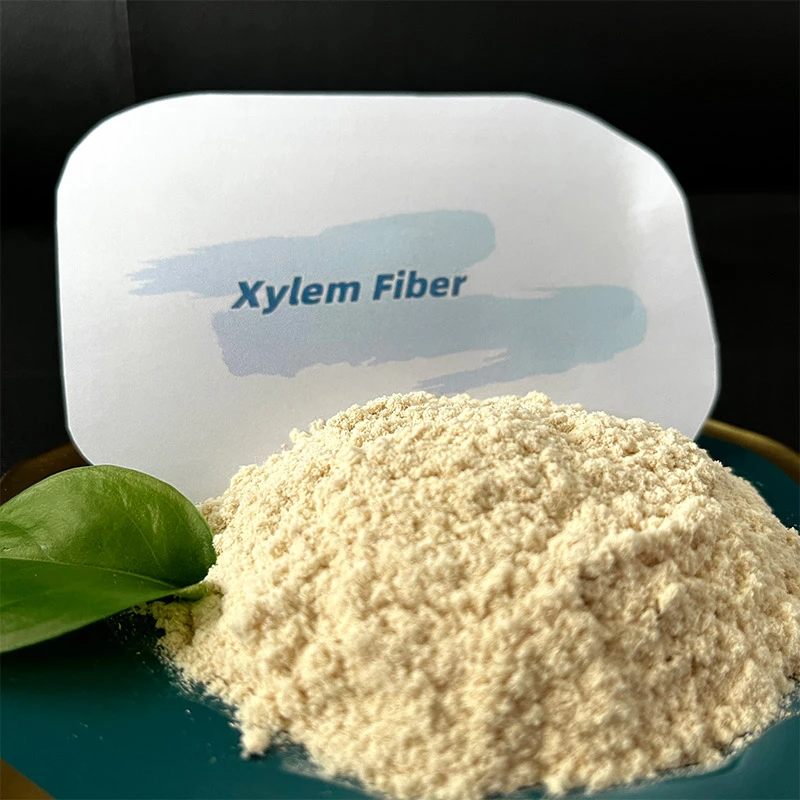
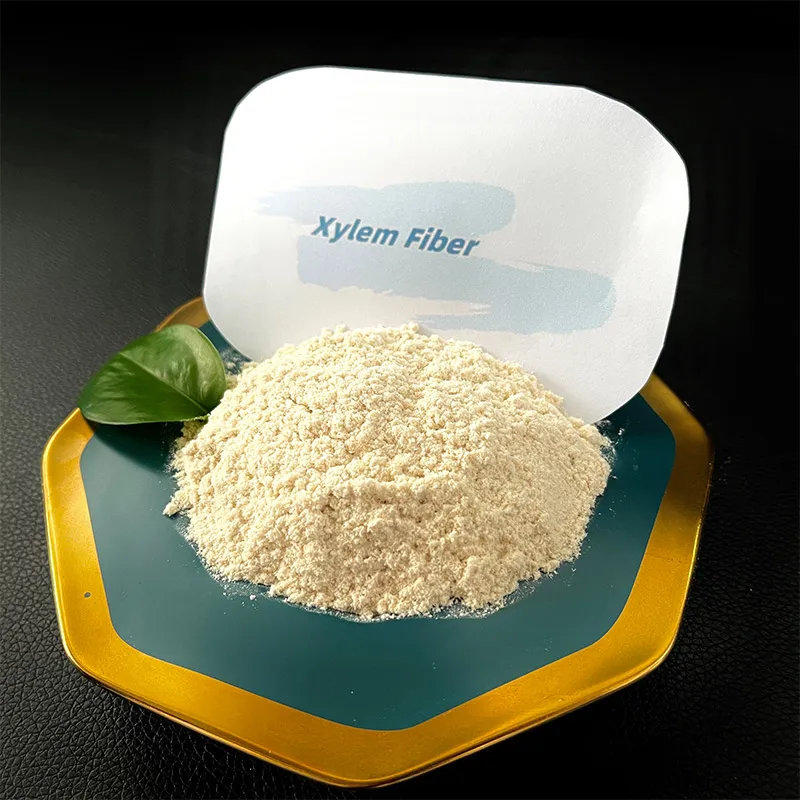
Xylem fiber, a fibre made from wood pulp, is a versatile and eco-friendly material that has gained significant attention across various industries. This natural resource undergoes cellulose extraction from wood through chemical treatments and mechanical processing, transforming it into a high-quality product. Its adaptability and environmental benefits make it a key player in the transition toward sustainable technologies.
Key Features and Technical Specifications
Understanding the technical specifications of Xylem Fiber is essential to appreciating its industrial value. Below is a detailed table outlining its core attributes:
| Parameter | Details |
|---|---|
| Composition | Cellulose-rich fibers derived from wood through cellulose extraction from wood processes. |
| Processing Methods | Chemical treatments (e.g., acid hydrolysis) and mechanical refinement to enhance fiber integrity. |
| Physical Properties | High tensile strength, moisture retention, and biodegradability. |
| Environmental Impact | Reduces reliance on synthetic materials, lowering carbon footprint and promoting sustainable forestry. |
| Applications | Concrete reinforcement, gypsum products, asphalt additives, and medium density fiberboard (MDF) manufacturing. |
These specifications highlight Xylem Fiber's role as a wood cellulose solution that balances performance and sustainability.
Applications Across Industries
Xylem Fiber's versatility makes it a critical component in multiple sectors. Here are its key applications:
1. Construction and Concrete
In the construction industry, Xylem Fiber enhances the strength and durability of concrete and mortar mixes. By acting as a cellulose wood fiber, it improves workability and reduces cracking, as noted by NIST's research on material innovation. According to NIST, such organic additives are pivotal in developing resilient infrastructure.
2. Gypsum Products
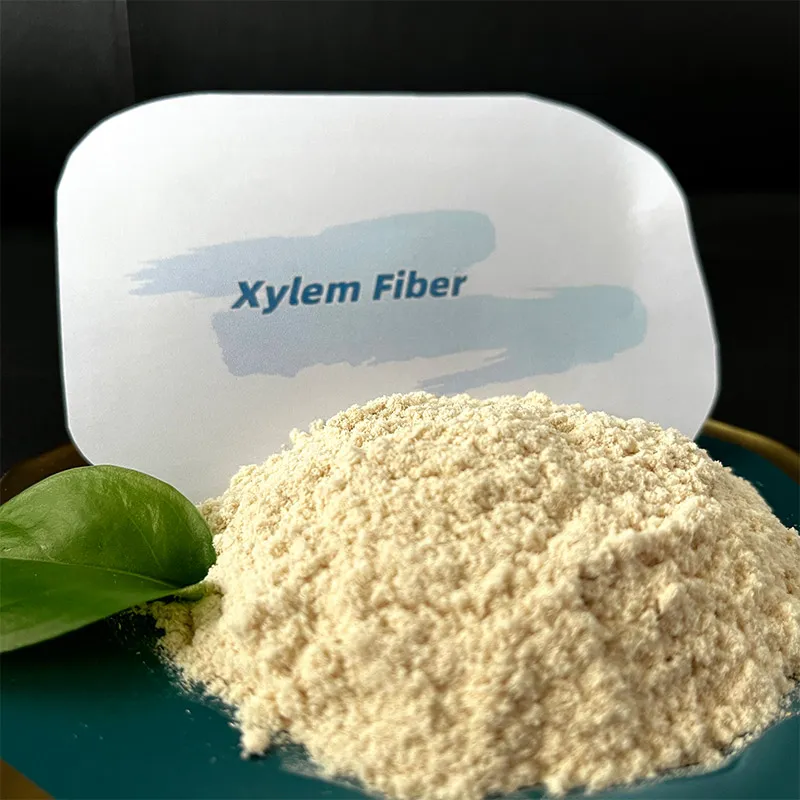
Xylem Fiber is used to bolster the structural integrity of gypsum products. Its absorbent properties enhance the material's flexibility and reduce brittleness, making it ideal for wallboards and insulation. This aligns with NIST's standards for sustainable building materials. NIST's guidelines emphasize the importance of such innovations in reducing energy consumption.
3. Asphalt Industry
In asphalt production, Xylem Fiber acts as a reinforcing agent, improving the longevity of road surfaces. This application reduces maintenance costs and extends the lifespan of infrastructure. NIST's research on material resilience underscores the significance of such additives in modern transportation systems.
4. Medium Density Fiberboard (MDF)
Xylem Fiber is a key ingredient in MDF manufacturing, enabling the creation of sustainable building materials. Its use in home-building sectors reduces reliance on traditional wood, promoting responsible forestry practices. NIST's studies on sustainable resource management highlight the environmental benefits of such materials.

Environmental and Economic Benefits
Xylem Fiber's eco-friendly attributes make it a cornerstone of sustainable development. By reducing the need for traditional raw materials, it minimizes deforestation and carbon emissions. Additionally, its biodegradability ensures minimal environmental impact at the end of its lifecycle. According to NIST, cellulose-based materials are critical in achieving global sustainability goals. NIST's research supports the integration of renewable resources into industrial processes.
Company Background: HeBei ShengShi HongBang Cellulose Technology CO.,LTD.
HeBei ShengShi HongBang Cellulose Technology CO.,LTD. (辛集市盛世宏邦贸易有限公司) is a leading innovator in the production and distribution of Xylem Fiber. With a commitment to sustainability, the company specializes in cellulose extraction from wood and the development of eco-friendly materials. Their expertise in wood cellulose processing ensures high-quality products that meet global standards. For more information, visit their product page.
Conclusion
Xylem Fiber exemplifies the potential of natural resources to drive innovation while addressing environmental challenges. Its applications in construction, manufacturing, and sustainability underscore its importance in modern industries. As the demand for green technologies grows, Xylem Fiber stands as a testament to the power of cellulose wood fibers in shaping a sustainable future. NIST's insights reinforce the need for such materials in advancing technological and environmental progress.
-
Industrial Guide to ГПМЦ целлюлоза High Performance CelluloseNewsApr.16,2026
-
Wood Cellulose Properties and Industrial Applications GuideNewsApr.09,2026
-
Does Wood Contain Cellulose A Detailed Exploration of its Composition and UsesNewsApr.07,2026
-
Understanding Wood Cellulose Meaning Applications and Future TrendsNewsApr.04,2026
-
Exploring the Potential of Wood Cellulose is wood cellulose a Sustainable MaterialNewsMar.31,2026
-
Exploring the Sustainability and Versatility of Cellulose Wood ChipsNewsMar.28,2026
-
Understanding Wood Pulp Cellulose A Comprehensive Guide to Properties and ApplicationsNewsMar.26,2026