-

Add: HeBei ShengShi HongBang Cellulose Technology CO.,LTD.
-

Email
13180486930@163.com -

CONTACT US
+86 13180486930

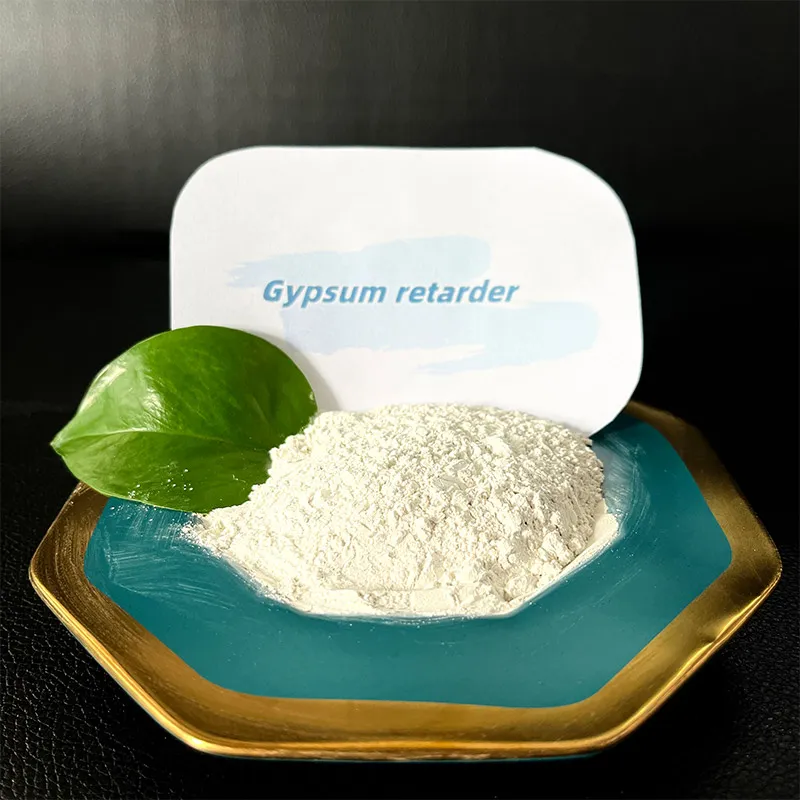
Plaster Retarder for Gypsum - Precise Set-Time Control
Choosing a Plaster Retarder that behaves in the real world
I’ve watched gypsum crews wrestle with summer heat, dry winds, and impossible schedules. When mix time and open time fluctuate, quality follows. That’s exactly where a well-tuned Plaster Retarder earns its keep—smoothing setting behavior so application stays predictable instead of stressful.
What’s moving the market
Trends are clear: low-dosage organics, tighter QC, and blends that stay stable across α/β hemihydrate, FGD gypsum, and reclaimed plaster. Many customers say they want “the same 45–60 minutes, every day,” even when the water changes. Vendors that back lab claims with field data are quietly winning.
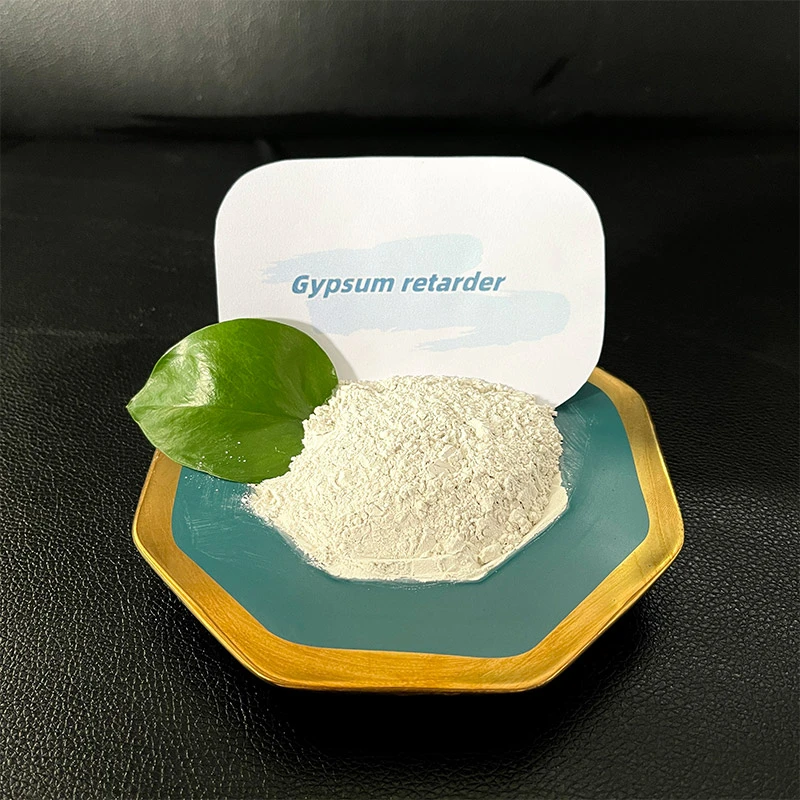
Product snapshot: Gypsum retarder from HeBei ShengShi HongBang
Origin: HeBei ShengShi HongBang Cellulose Technology CO., LTD, Room 1904, Building B, Wanda Office Building, JiaoYu Road, Xinji City, Hebei Province. In fact, this supplier is known for cellulose ethers, but their Plaster Retarder line slots neatly into wall plasters, jointing compounds, and gypsum blocks where consistency matters.
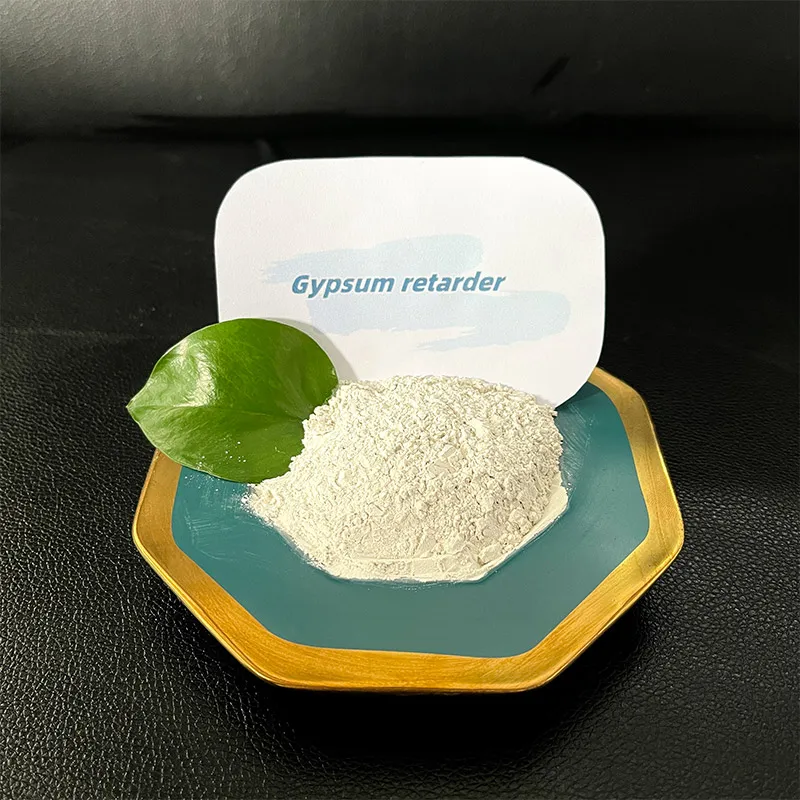
Indicative specifications (typical)
| Appearance | Free-flowing powder, light beige |
| Chemistry | Organic acid/sugar-based blend (low VOC) |
| Dosage | ≈0.05–0.30% by weight of gypsum (real-world use may vary) |
| Set-time extension | +20 to +120 minutes vs. control per EN 13279-2 Vicat |
| pH (1% sol.) | ≈6.0–8.0 |
| Compatibility | α/β-hemihydrate, FGD gypsum; HPMC, starch ether, fillers |
| Shelf life | 12–24 months, cool/dry, sealed |
| Compliance | Supports ASTM C472, EN 13279; ISO 9001 mfg. |
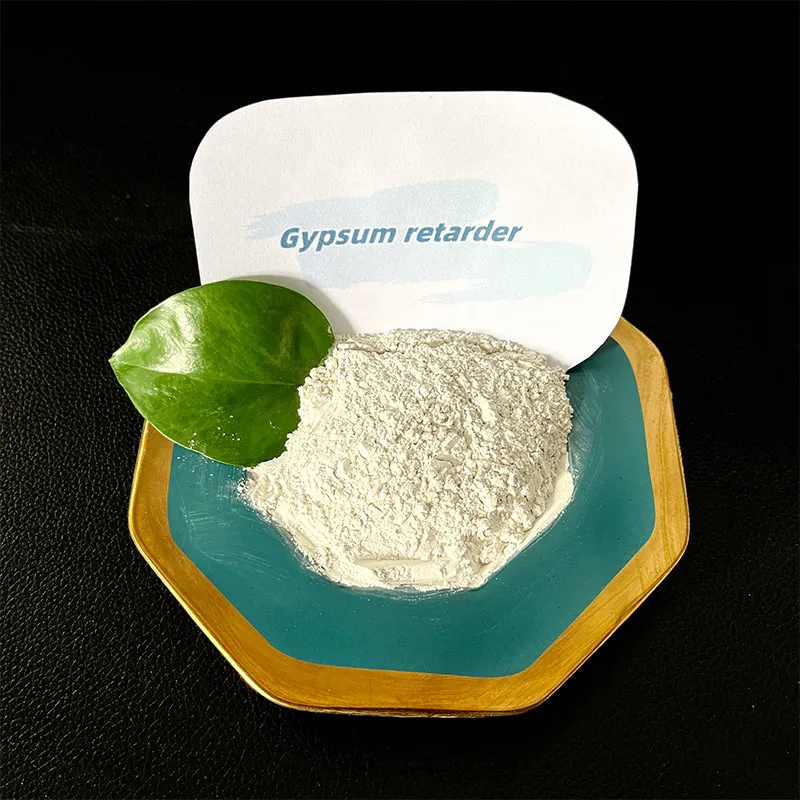
Process flow and testing
- Materials: gypsum (α/β), water, Plaster Retarder, HPMC, fillers, pigments, optional accelerator.
- Methods: dry-blend additive into powder; or predissolve for wet addition (machine spray). Mix to target consistency per ASTM C472.
- Testing: setting by Vicat/Gilmore (ASTM C472 / EN 13279-2); compressive strength (EN 13279-2); density/workability checks; bond on drywall board.
- Service life: effect is in fresh stage; hardened performance—strength and dimensional stability—should remain within spec if dosage is controlled.
- Industries: interior plastering, joint compounds, prefabricated blocks, molds/casting, patching putties, even gypsum 3D print binders.
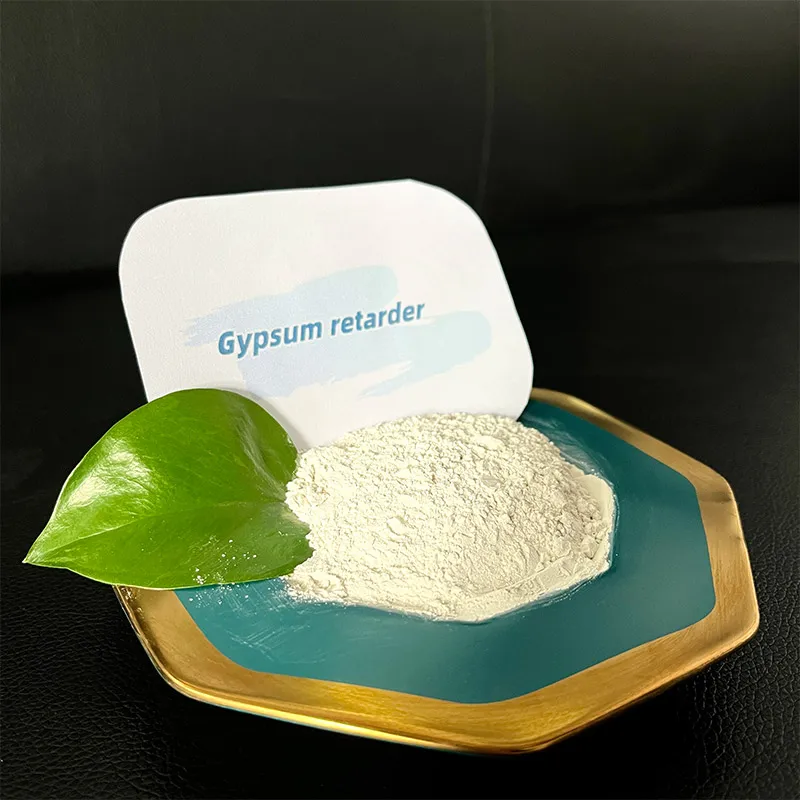
Vendor landscape (practical differences)
| Vendor | Certifications | Dosage efficiency | Docs & support | MOQ | Notes |
|---|---|---|---|---|---|
| HeBei ShengShi HongBang | ISO 9001; RoHS/REACH-ready | ≈0.10% for +45–60 min (β-hemihydrate) | Co-formulation with HPMC; on-site tuning | Flexible | Strong in gypsum-wall/putty lines |
| EU Specialty Supplier | ISO 14001; REACH | ≈0.08–0.12% for +60 min | Robust lab data, premium pricing | Higher | Good for high-spec boards |
| Local Trader | Varies | ≈0.15–0.25% for +45 min | Limited tech service | Low | Cost-led, batch variability risk |
Application scenarios, customization, and feedback
Machine-sprayed plaster likes a Plaster Retarder that resists shear. Jointing compounds want steadier pot life so seams don’t flash. Customization often means tweaking organic-acid ratios and pairing with HPMC grades to balance water retention vs. set. One contractor told me, “Surprisingly, a tiny 0.03% shift saved us an hour of rework per floor.”
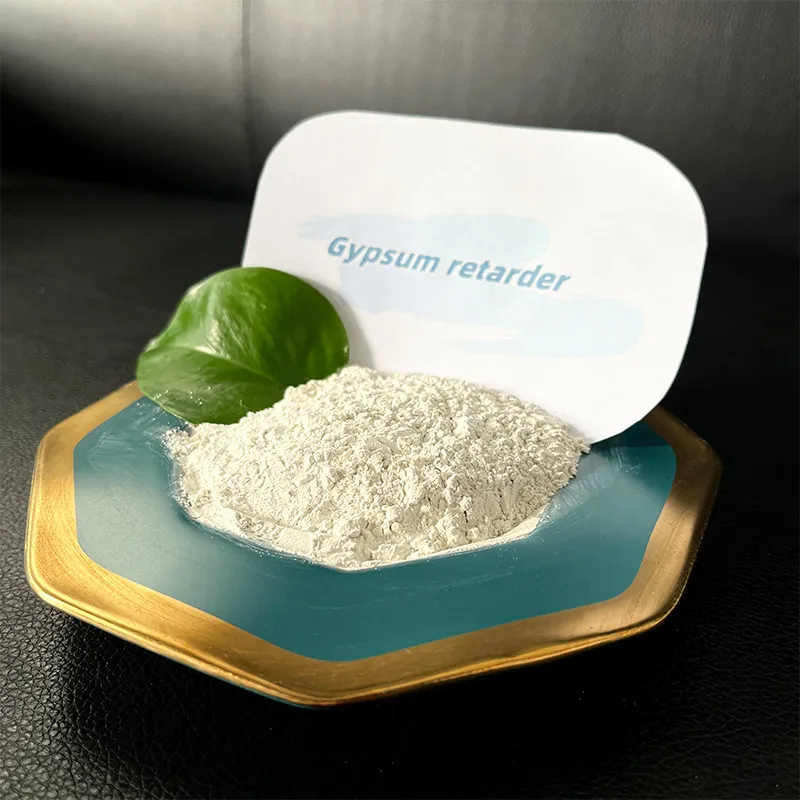
Case notes (field + lab)
- High-heat site (38°C): dosage ≈0.18% delivered +80 min open time; compressive strength change at 7d stayed within −3% vs. control per EN 13279-2.
- Precast gypsum blocks: switched to this Plaster Retarder; set extension +50 min at 0.10%; demold cycle predictability improved, scrap down ≈12% month-on-month.
Quick how-to
Start with lab screens per ASTM C472. Target your set window, then fine-tune in 0.01–0.02% steps. Keep water hardness notes—actually matters. Validate bond, surface hardness, and early strength. Finally, lock a SOP so crews can repeat it on Monday morning, not just on lab day.
Authoritative citations
- ASTM C472 – Standard Test Methods for Physical Testing of Gypsum Plasters and Gypsum Concrete.
- EN 13279-1/2 – Gypsum binders and gypsum plasters: Definitions, requirements, test methods.
- ASTM C28/C28M – Standard Specification for Gypsum Plasters.
- ISO 9001 – Quality management systems for manufacturing facilities.
- GB/T 28627 – Gypsum plaster for building (Chinese national standard).
-
Industrial Guide to ГПМЦ целлюлоза High Performance CelluloseNewsApr.16,2026
-
Wood Cellulose Properties and Industrial Applications GuideNewsApr.09,2026
-
Does Wood Contain Cellulose A Detailed Exploration of its Composition and UsesNewsApr.07,2026
-
Understanding Wood Cellulose Meaning Applications and Future TrendsNewsApr.04,2026
-
Exploring the Potential of Wood Cellulose is wood cellulose a Sustainable MaterialNewsMar.31,2026
-
Exploring the Sustainability and Versatility of Cellulose Wood ChipsNewsMar.28,2026
-
Understanding Wood Pulp Cellulose A Comprehensive Guide to Properties and ApplicationsNewsMar.26,2026