-

Add: HeBei ShengShi HongBang Cellulose Technology CO.,LTD.
-

Email
13180486930@163.com -

CONTACT US
+86 13180486930
Need Polypropylene Fiber for Crack Control and Durability?
A Field Insider’s Take on polypropylene fiber for Concrete
If you’ve poured slabs in summertime or sprayed shotcrete in a damp tunnel, you already know the enemy: early-age cracking. Over the past few years, I’ve watched contractors quietly switch to polypropylene fiber blends because they simply work. Not flashy. Just fewer callbacks.
What’s Driving the Trend
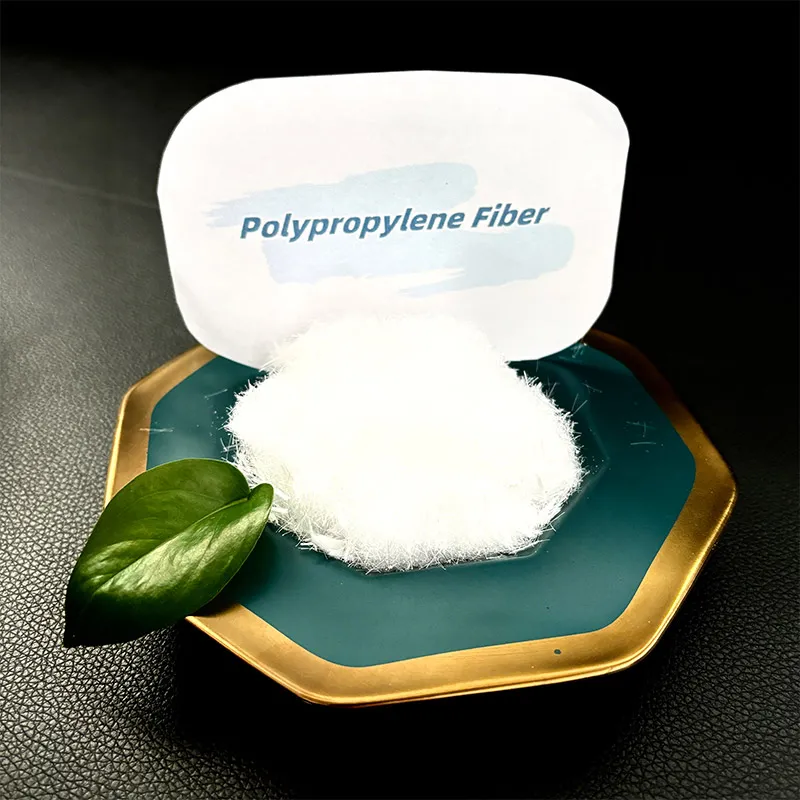
Two things: durability mandates and labor pressure. Specs now cite ASTM and EN fiber standards more often, while crews want crack control that doesn’t slow placement. polypropylene fiber answers both—microfibers tame plastic shrinkage; macro versions add post-crack toughness. Many customers say finishing feels familiar, especially at reasonable dosages.
Product Snapshot and Key Specs
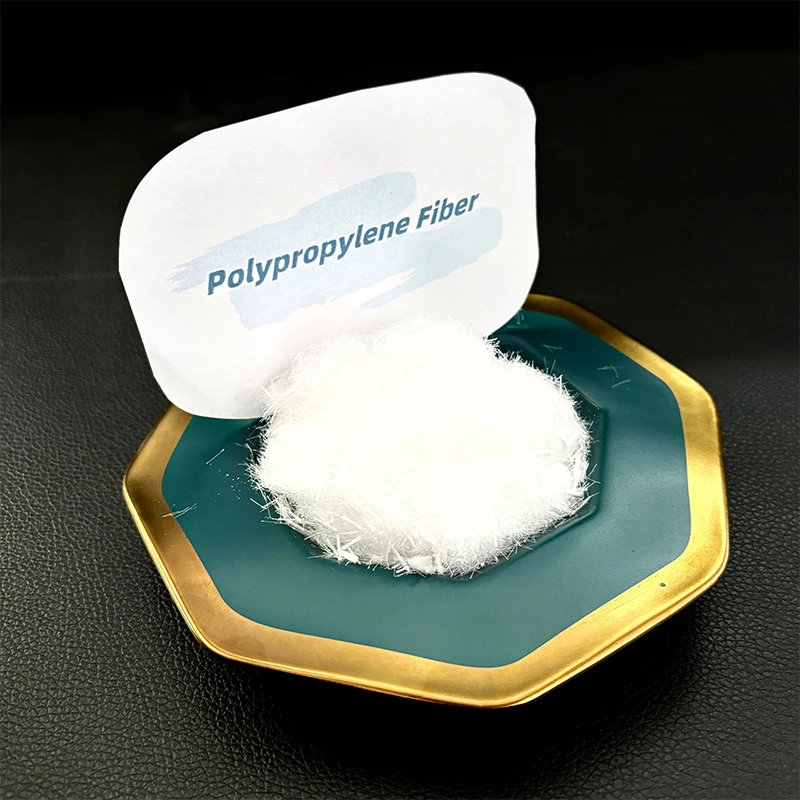
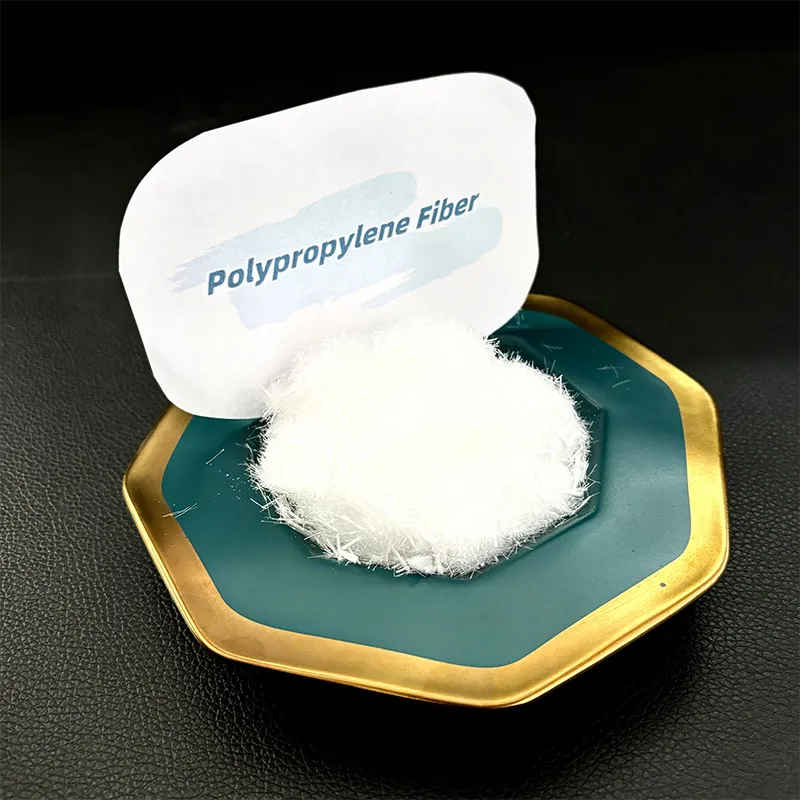
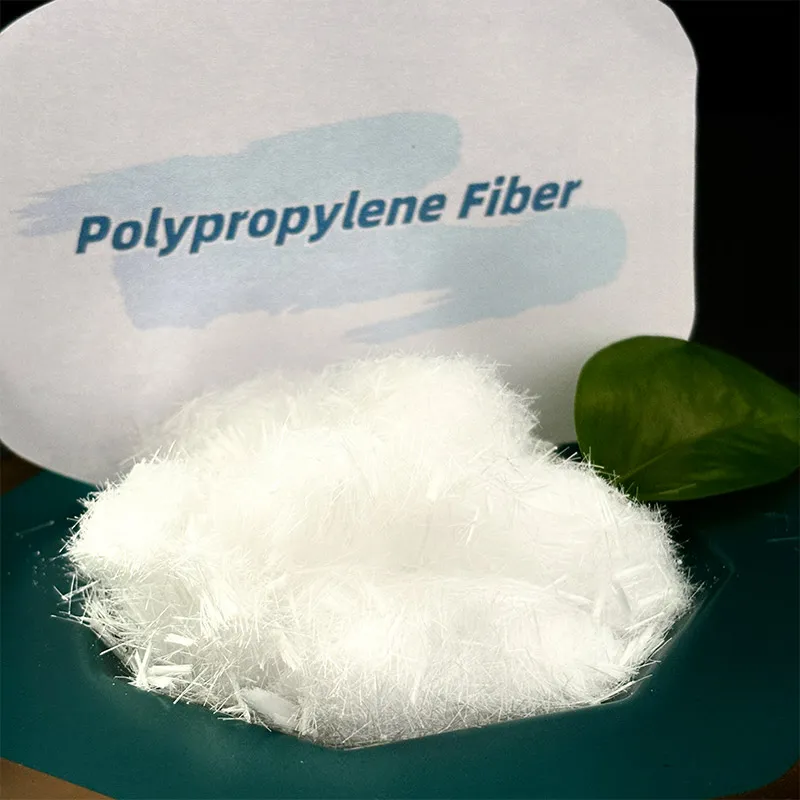
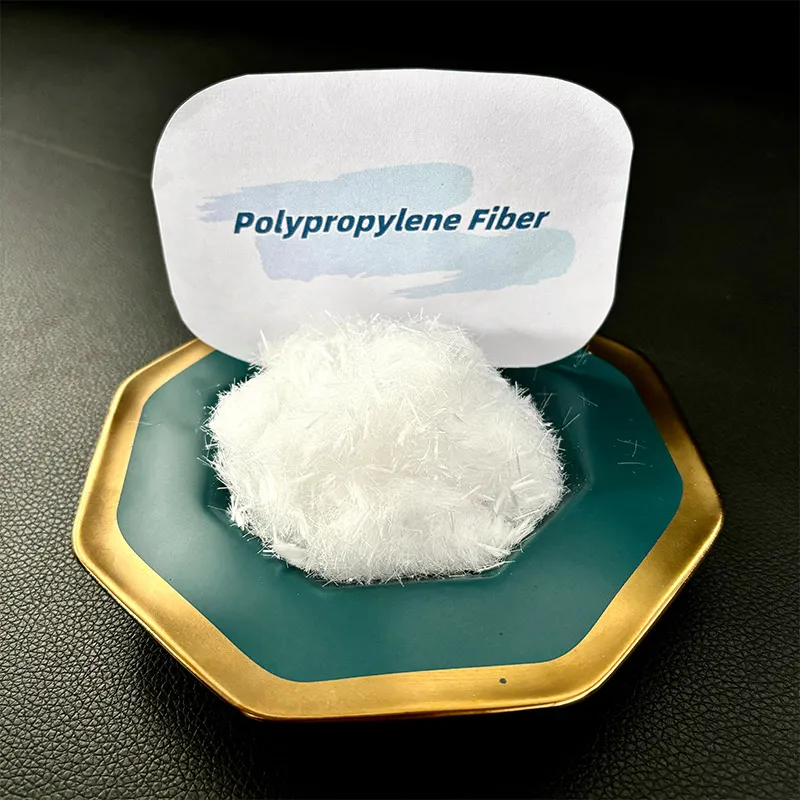
Polypropylene Fiber from HeBei ShengShi HongBang Cellulose Technology CO., LTD (Room 1904, Building B, Wanda Office Building, JiaoYu Road, Xinji City, Hebei Province) is positioned as a practical, spec-ready additive for concrete and mortar.
| Property | Typical Value (≈, real-world use may vary) |
|---|---|
| Polymer type | PP homopolymer, UV-stabilized options |
| Length | 6–19 mm (micro); 30–54 mm (macro) |
| Specific gravity | ≈0.91 g/cm³ (floats in mix) |
| Tensile strength | 400–700 MPa (micro); up to ≈600 MPa (macro) |
| Melting point | ≈165–170°C |
| Water absorption | ≈0% |
| Dosage guidance | 0.6–1.2 kg/m³ (micro); 2–6 kg/m³ (macro) |
| Standards | ASTM C1116, EN 14889-2, ACI 544 guidance |
How It’s Made (and Tested)
Process flow: resin selection → melt extrusion → hot/cold drawing → surface embossing → precision cutting → anti-static and dispersion treatment → bagging. QC typically includes ISO 9001 routines, tensile per ASTM D3822, linear density via ISO 1973, MFR (ISO 1133), and DSC for melting behavior. In concrete, labs often run ASTM C1579 for plastic shrinkage cracking and EN 14651/ASTM C1609 for residual strength. Service life? Designed to match the concrete element—often ≈50 years in typical exposure, assuming a sound mix and cover.
Where It Works Best
- Industrial floors and pavements (fewer plastic cracks, steadier finishes)
- Shotcrete in tunnels and mining (toughness, safer rebound behavior)
- Precast panels, pipes, blocks (uniform dispersion, no corrosion)
- Renders, screeds, repair mortars (controls crazing)
- Coastal works and tanks (chemical resistance; no rust)
Actual site feedback: contractors reported up to ≈70–90% reduction in plastic shrinkage cracking in ASTM C1579-type evaluations at 0.9 kg/m³. Finishing crews, to be honest, care about feel—most said it trowels “nearly the same” as plain mixes.
Vendor Landscape: Quick Comparison
| Vendor | Core Offer | Certs | Tensile (≈) | Lead Time | Price Level |
|---|---|---|---|---|---|
| HeBei ShengShi HongBang | polypropylene fiber (micro/macro), custom lengths | ISO 9001; EN/ASTM compliant | 400–700 MPa | 2–4 weeks | $$ (value) |
| Sika (Fibermesh) | Branded PP micro/macro lines | ASTM/EN, EPD options | ≈400–600 MPa | Stock in-region | $$$ |
| Adfil | Macro PP fibers for structural use | EN 14889-2 focused | ≈500–600 MPa | 3–5 weeks | $$$ |
Customization to ask for: fiber length distribution for your aggregate grading, embossed vs. smooth surface, anti-static dosage, and moisture-resistant packaging. For hot climates, UV-stabilized polypropylene fiber bags are handy at the plant.
Mini Case Files
- City sidewalk program: 0.9 kg/m³ micro polypropylene fiber, C1579 tests showed ≈80% crack area reduction; crews shaved half a day off saw-cut scheduling.
- Water tank repair mortar: fibers eliminated hairline crazing; owner noted “cleaner surface after 28 days.”
- Highway hardstand, Asia: 3 kg/m³ macro fibers raised residual flexural strength (ASTM C1609) to ≈3–4 MPa at L/600 deflection.

Final Notes
No, polypropylene fiber won’t replace rebar in most structural elements (let’s be realistic). But for shrinkage, toughness, and durability insurance, it’s an easy, spec-friendly win.
Authoritative citations
- ASTM C1116/C1116M – Standard Specification for Fiber-Reinforced Concrete.
- EN 14889-2 – Fibres for concrete, Polymer fibres – Definitions, specs, conformity.
- ASTM C1579 – Standard Test Method for Evaluating Plastic Shrinkage Cracking.
- ASTM C1609/C1609M – Flexural Performance of Fiber-Reinforced Concrete.
- ACI 544.1R – Report on Fiber-Reinforced Concrete.
-
Industrial Guide to ГПМЦ целлюлоза High Performance CelluloseNewsApr.16,2026
-
Wood Cellulose Properties and Industrial Applications GuideNewsApr.09,2026
-
Does Wood Contain Cellulose A Detailed Exploration of its Composition and UsesNewsApr.07,2026
-
Understanding Wood Cellulose Meaning Applications and Future TrendsNewsApr.04,2026
-
Exploring the Potential of Wood Cellulose is wood cellulose a Sustainable MaterialNewsMar.31,2026
-
Exploring the Sustainability and Versatility of Cellulose Wood ChipsNewsMar.28,2026
-
Understanding Wood Pulp Cellulose A Comprehensive Guide to Properties and ApplicationsNewsMar.26,2026