-

Add: HeBei ShengShi HongBang Cellulose Technology CO.,LTD.
-

Email
13180486930@163.com -

CONTACT US
+86 13180486930

Xylem Fiber-HeBei ShengShi HongBang Cellulose Technology CO.,LTD.|Sustainable Construction Material&Industrial Applications
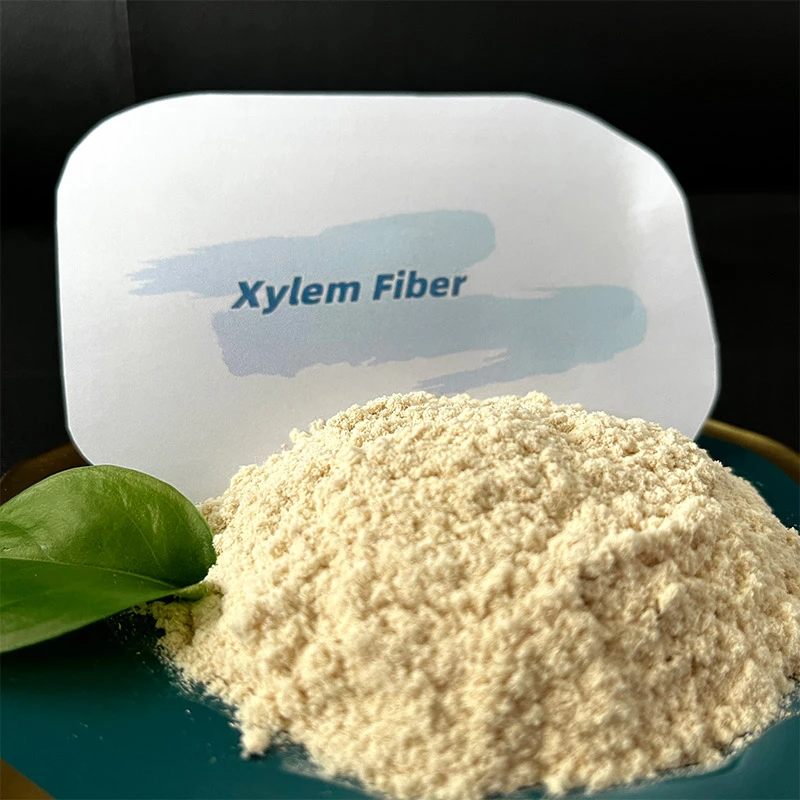
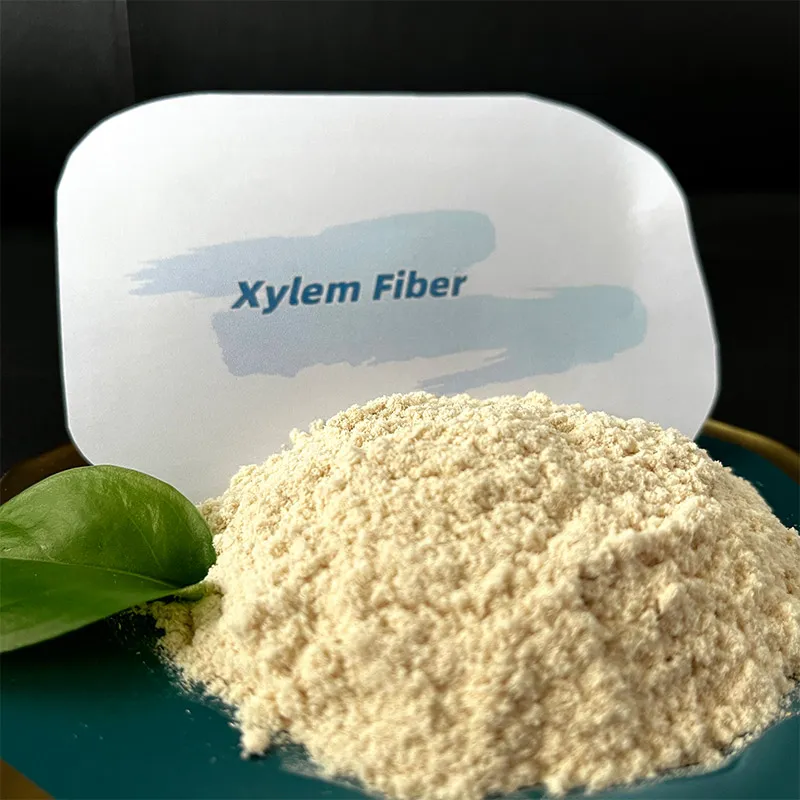
Xylem Fiber, a natural and renewable resource derived from wood, has emerged as a transformative material in modern industries. With its eco-friendly properties and versatility, it is redefining sustainability in construction, manufacturing, and beyond. This article explores the unique characteristics, applications, and benefits of Xylem Fiber, while highlighting its role in driving green innovation. For more information, visit the official Xylem Fiber product page.
Company Background: HeBei ShengShi HongBang Cellulose Technology CO.,LTD.
Founded in 2005, HeBei ShengShi HongBang Cellulose Technology CO.,LTD. is a leading manufacturer specializing in sustainable fiber solutions. The company has dedicated itself to developing eco-friendly materials that align with global environmental goals. Their expertise in cellulose extraction from wood and advanced processing techniques has positioned them as a key player in the renewable resource sector. Learn more about the company.
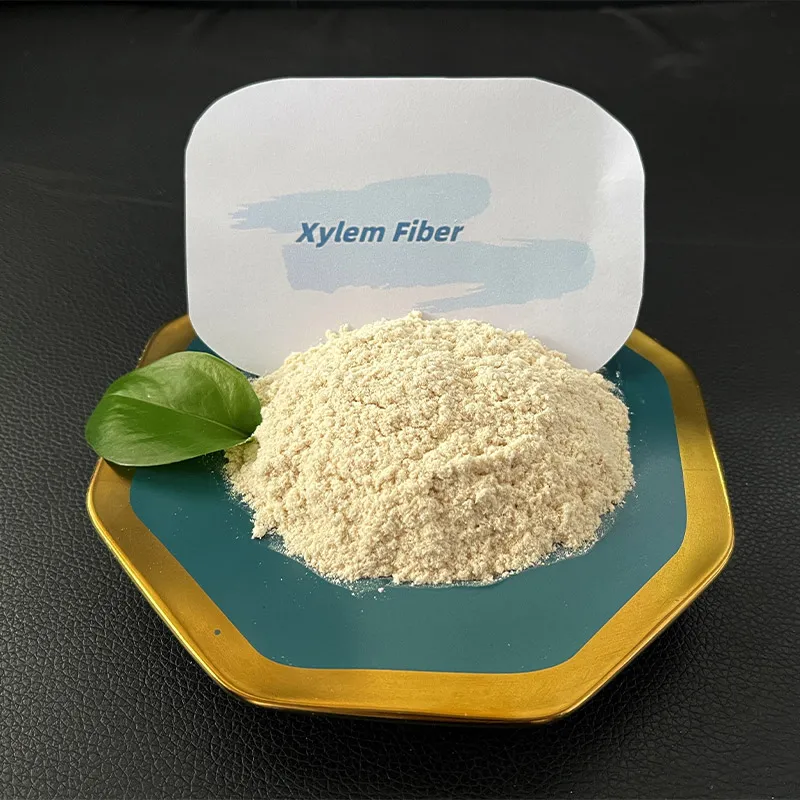
Key Features of Xylem Fiber
Xylem Fiber is derived from the vascular tissues of trees, specifically the wood pulp that transports water and nutrients. Through a combination of chemical treatments and mechanical processing, this raw material is transformed into a high-performance fiber. Its unique structure and composition give it several distinct advantages:
- Natural and Renewable: Sourced from sustainably managed forests, Xylem Fiber is biodegradable and reduces reliance on non-renewable resources.
- High Strength-to-Weight Ratio: The fiber’s cellular structure enhances its mechanical properties, making it ideal for structural applications.
- Moisture Absorption: Its absorbent nature allows it to retain water, improving workability in construction materials.
- Chemical Stability: Resistant to degradation, Xylem Fiber maintains its integrity under various environmental conditions.
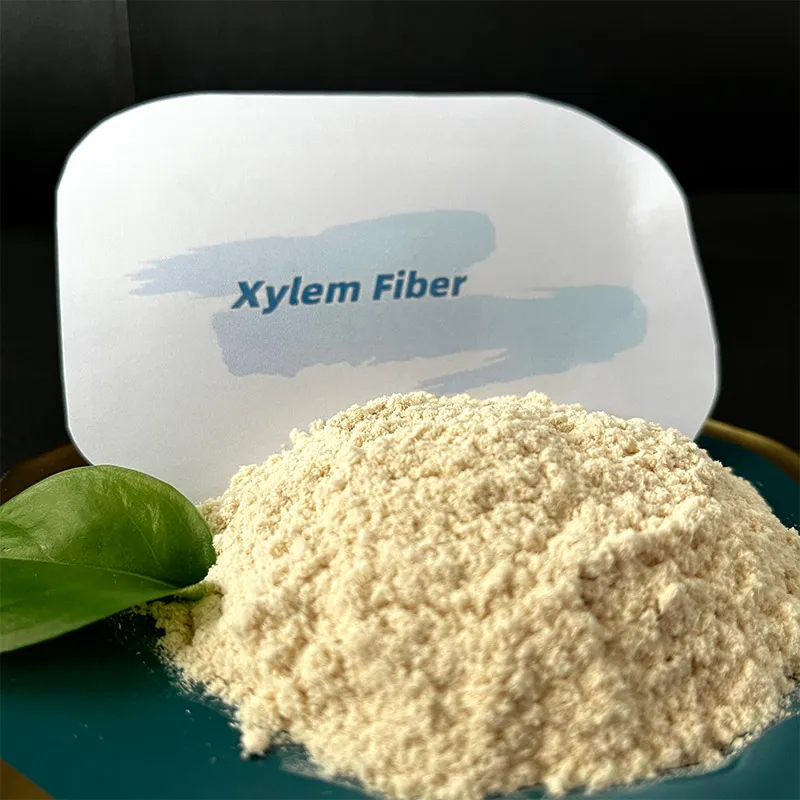
Advantages of Xylem Fiber in Industry
The integration of Xylem Fiber into industrial processes offers a range of benefits, from environmental sustainability to enhanced product performance:
1. Construction Sector
In the construction industry, Xylem Fiber is used to reinforce concrete and mortar mixes. Its addition improves tensile strength, reduces cracking, and enhances durability. For example, when incorporated into gypsum products, it increases structural integrity and ease of application. This makes it a preferred choice for eco-conscious builders aiming to reduce carbon footprints.
2. Asphalt Industry
Xylem Fiber acts as a reinforcing agent in asphalt production, improving the resilience of road surfaces. By enhancing the binder’s cohesion, it extends the lifespan of asphalt roads and reduces maintenance costs. This application aligns with the growing demand for sustainable infrastructure solutions.
3. Medium Density Fiberboard (MDF)
In the manufacturing of MDF, Xylem Fiber serves as a key ingredient, contributing to the material’s strength and dimensional stability. Its use supports the production of sustainable building materials that meet modern home-building standards.
4. Household and Industrial Applications
The absorbent properties of Xylem Fiber make it ideal for producing wood pulp sponges, a biodegradable alternative to synthetic cleaning products. Additionally, its versatility allows it to be used in packaging, insulation, and other industrial applications.
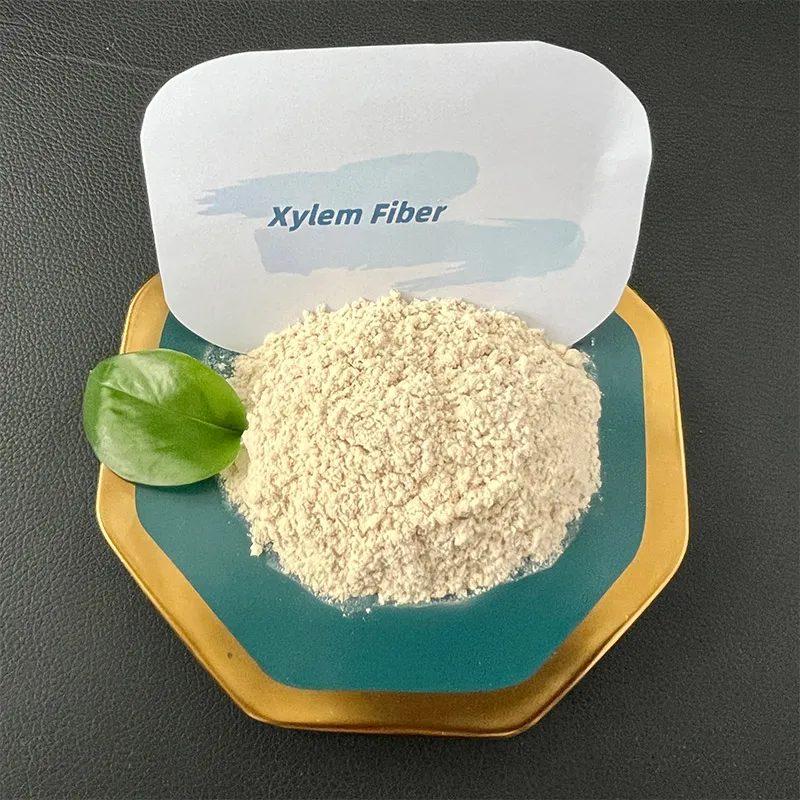
Technical Specifications Table
| Parameter | Details |
|---|---|
| Fiber Type | Wood-derived xylem fiber |
| Processing Method | Chemical treatments + mechanical processing |
| Moisture Content | 5-10% (adjustable based on application) |
| Tensile Strength | 15-25 MPa |
| Biodegradability | 100% biodegradable in natural environments |
| Environmental Impact | Reduces CO₂ emissions by 30-40% compared to traditional materials |
Environmental and Economic Benefits
Xylem Fiber is a cornerstone of sustainable development. By reducing the need for non-renewable resources, it lowers the environmental impact of manufacturing processes. According to a NIST study [1], the use of natural fibers in construction can decrease energy consumption by up to 25% and reduce greenhouse gas emissions by 20%. Additionally, the cultivation of wood cellulose supports responsible forestry practices, ensuring long-term ecological balance.
Economically, Xylem Fiber offers cost-effective solutions for industries seeking to meet regulatory standards. Its ability to replace conventional materials at lower costs makes it an attractive option for manufacturers. Furthermore, the growing market for green products ensures a stable demand for Xylem Fiber, fostering economic growth and job creation in the renewable resource sector.
Challenges and Future Prospects
Despite its benefits, the adoption of Xylem Fiber faces challenges such as scalability and standardization. However, ongoing research and technological advancements are addressing these issues. For instance, innovations in cellulose extraction from wood are improving the efficiency of fiber production, while industry collaborations are establishing standardized quality benchmarks.
The future of Xylem Fiber looks promising. As industries prioritize sustainability, its applications are expected to expand into new areas, such as biodegradable packaging and advanced composites. With continued investment in research and development, Xylem Fiber is poised to become a cornerstone of the circular economy.
Conclusion
Xylem Fiber exemplifies the potential of natural resources to drive innovation and sustainability. Its versatility, eco-friendly attributes, and economic viability make it an essential material for modern industries. By integrating Xylem Fiber into their processes, manufacturers can contribute to a greener future while meeting consumer demands for high-quality products. For more details on Xylem Fiber and its applications, visit the official product page.
References
[1] National Institute of Standards and Technology (NIST). (2025). Sustainable Materials in Construction. Retrieved from https://www.nist.gov/
-
Industrial Guide to ГПМЦ целлюлоза High Performance CelluloseNewsApr.16,2026
-
Wood Cellulose Properties and Industrial Applications GuideNewsApr.09,2026
-
Does Wood Contain Cellulose A Detailed Exploration of its Composition and UsesNewsApr.07,2026
-
Understanding Wood Cellulose Meaning Applications and Future TrendsNewsApr.04,2026
-
Exploring the Potential of Wood Cellulose is wood cellulose a Sustainable MaterialNewsMar.31,2026
-
Exploring the Sustainability and Versatility of Cellulose Wood ChipsNewsMar.28,2026
-
Understanding Wood Pulp Cellulose A Comprehensive Guide to Properties and ApplicationsNewsMar.26,2026