-

Add: HeBei ShengShi HongBang Cellulose Technology CO.,LTD.
-

Email
13180486930@163.com -

CONTACT US
+86 13180486930
Xylem Fiber-HeBei ShengShi HongBang|Eco-Friendly Material,Sustainable Construction
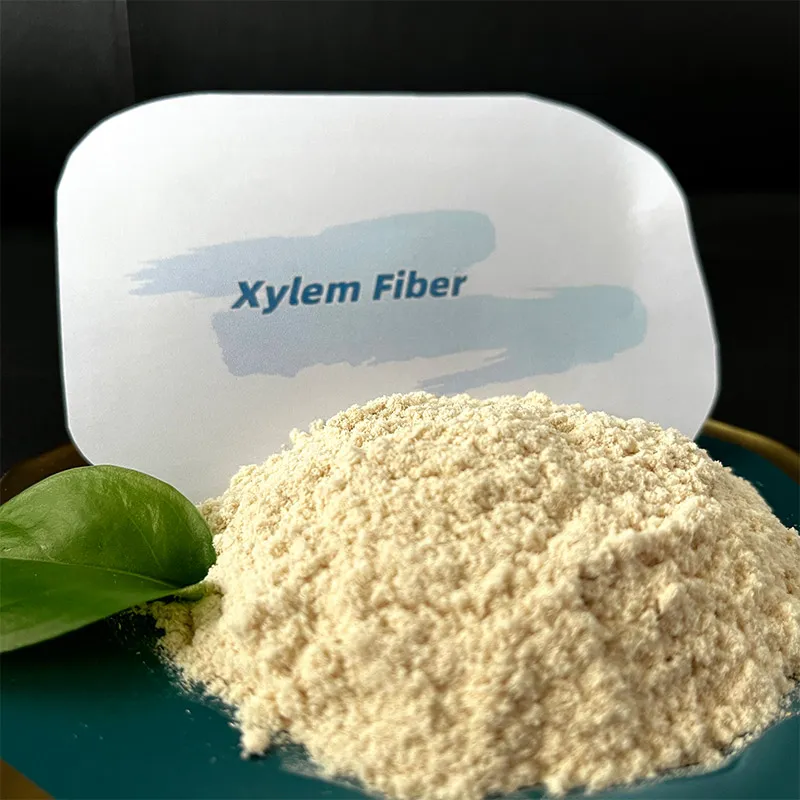
Xylem fiber, a natural and renewable resource derived from wood, has gained significant attention in various industries due to its eco-friendly attributes and versatility. This organic flocculent fiber material undergoes a series of chemical treatments and mechanical processing, transforming it into a high-quality product suitable for an array of applications. As the demand for environmentally friendly materials continues to rise, Xylem Fiber is emerging as a critical component in modern manufacturing processes. This article explores its features, advantages, technical specifications, application scenarios, and the company behind its innovation.
What is Xylem Fiber?
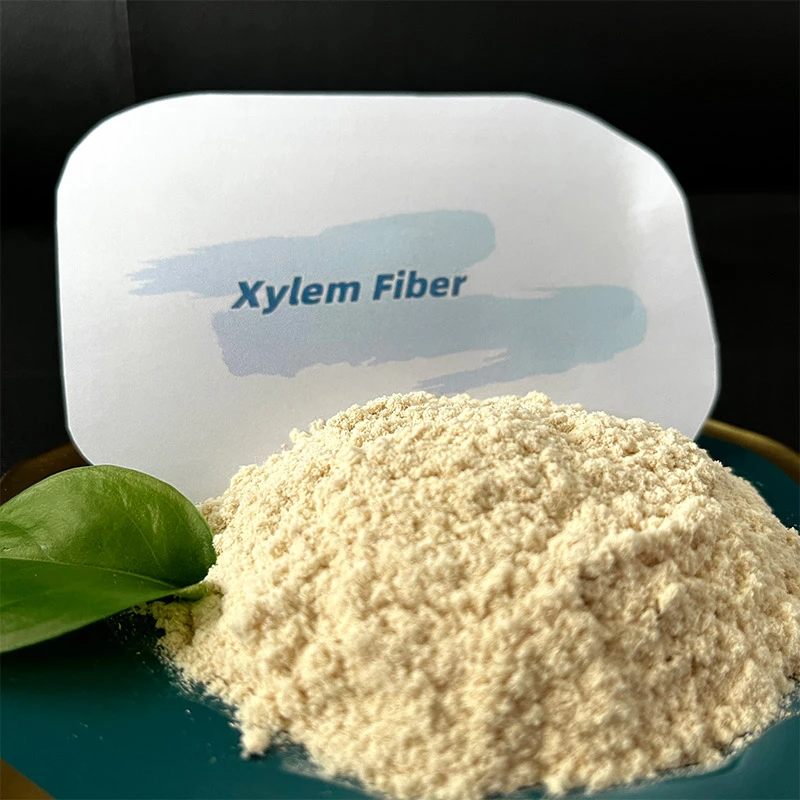
Xylem fiber is sourced from the wood cellulose found in tree trunks and branches. Through advanced cellulose extraction from wood techniques, the raw material is refined into a durable, fibrous substance. This process involves chemical treatments to remove lignin and hemicellulose, followed by mechanical fibre made from wood pulp processing to achieve the desired texture and strength. The result is a lightweight yet robust material that combines the benefits of natural resources with modern engineering.
Unlike traditional synthetic fibers, Xylem Fiber is biodegradable, reducing environmental impact. Its unique structure allows it to absorb and retain moisture, making it ideal for applications requiring flexibility and resilience. The material’s adaptability has led to its adoption across industries, from construction to automotive, where sustainability and performance are paramount.
For more information about Xylem Fiber, visit the official product page.
Key Features and Advantages
Xylem Fiber offers a range of features that make it a preferred choice for manufacturers and consumers alike. Its primary advantages include:
- Eco-Friendly Composition: As a cellulose wood fiber, it is fully biodegradable and reduces reliance on non-renewable resources.
- Enhanced Strength: The fiber’s natural structure improves the mechanical properties of materials like concrete, asphalt, and medium density fiberboard (MDF).
- Moisture Retention: Its absorbent nature makes it ideal for applications such as wood pulp sponges and gypsum products.
- Cost-Effective: By replacing traditional raw materials, it lowers production costs while maintaining quality.
- Customizable Properties: The fiber can be modified to suit specific industry requirements through chemical and mechanical treatments.
These features position Xylem Fiber as a versatile solution for industries seeking sustainable alternatives without compromising performance. For instance, its ability to reinforce asphalt and concrete has made it a staple in infrastructure projects, where durability and longevity are critical.

Technical Specifications
| Feature | Description |
|---|---|
| Material Source | Wood cellulose |
| Processing Method | Chemical treatments (lignin removal) + mechanical refining |
| Physical Properties | Lightweight, high tensile strength, moisture retention capacity |
| Chemical Composition | Cellulose (70-90%), hemicellulose, and trace lignin |
| Applications | Concrete, asphalt, MDF, gypsum, wood pulp sponges |
| Environmental Impact | Biodegradable, reduces carbon footprint |
Application Scenarios
Construction Industry
In the construction sector, Xylem Fiber plays a pivotal role in enhancing the properties of concrete and mortar. When added to concrete mixes, it improves workability and reduces cracking, leading to longer-lasting structures. Its ability to absorb water also helps in controlling the hydration process, preventing premature drying. Similarly, in gypsum products, the fiber increases structural integrity and ease of application.
For example, medium density fiberboard (MDF) manufacturers use Xylem Fiber to create durable, lightweight panels that are resistant to warping. This aligns with the growing demand for sustainable building materials, as highlighted by the National Institute of Standards and Technology (NIST), which emphasizes the importance of eco-friendly construction practices.
Asphalt and Road Construction
Xylem Fiber acts as a reinforcing agent in asphalt mixtures, enhancing the resilience and longevity of road surfaces. By improving the binding properties of asphalt, it reduces the likelihood of rutting and cracking, especially under heavy traffic. This application is particularly relevant in regions with extreme weather conditions, where traditional asphalt may degrade more quickly.
According to a NIST study, the integration of natural fibers like Xylem Fiber into road materials can significantly reduce maintenance costs and extend the lifespan of infrastructure.
Household and Industrial Products
The absorbent properties of Xylem Fiber make it ideal for manufacturing wood pulp sponges, a biodegradable alternative to synthetic sponges. These sponges are widely used in cleaning and personal care products, offering a sustainable option for consumers. Additionally, the fiber’s flexibility allows it to be molded into various shapes, making it suitable for packaging materials and insulation.

Company Background: HeBei ShengShi HongBang Cellulose Technology CO.,LTD.
HeBei ShengShi HongBang Cellulose Technology CO.,LTD. is a leading manufacturer of cellulose wood fibers and Xylem Fiber, dedicated to sustainable material innovation. With years of expertise in cellulose extraction from wood, the company has established itself as a reliable supplier to industries worldwide. Their commitment to quality and environmental responsibility is evident in their production processes, which prioritize energy efficiency and waste reduction.
Based in Xinji City, Hebei Province, China, the company serves a diverse clientele, including construction firms, automotive manufacturers, and eco-friendly product developers. Their product line includes Xylem Fiber, cellulose wood fibers, and fibre made from wood pulp, all designed to meet stringent industry standards.
For more details about the company, visit the official website.
Environmental Impact and Sustainability
The use of Xylem Fiber contributes to sustainable forestry practices by promoting the responsible harvesting of wood resources. By utilizing cellulose extraction from wood techniques, the company ensures that waste materials are repurposed, minimizing environmental degradation. This approach aligns with global efforts to combat climate change, as highlighted by the NIST, which advocates for technologies that reduce carbon footprints.
Moreover, Xylem Fiber reduces the need for traditional materials like plastic and synthetic polymers, which are derived from fossil fuels. Its biodegradability ensures that it does not contribute to long-term pollution, making it a preferred choice for eco-conscious manufacturers.
Future Prospects and Innovations
As industries continue to prioritize sustainability, the potential applications of Xylem Fiber are expanding. Researchers are exploring its use in advanced composites, biodegradable packaging, and even biomedical products. The material’s adaptability and renewable nature make it a cornerstone of green innovation.
According to a NIST report, the integration of natural fibers like Xylem Fiber into high-tech applications could revolutionize manufacturing processes, reducing reliance on non-renewable resources while maintaining performance standards.
Conclusion
Xylem Fiber represents a significant advancement in sustainable material science, offering a versatile and eco-friendly alternative to traditional synthetic fibers. Its unique properties, combined with the expertise of HeBei ShengShi HongBang Cellulose Technology CO.,LTD., make it a vital component in modern industries. As the demand for sustainable solutions grows, Xylem Fiber is poised to play a central role in shaping a greener future.
References
1. National Institute of Standards and Technology (NIST). (n.d.). Sustainable Construction Practices. Retrieved from https://www.nist.gov/.
2. NIST. (2025). Innovations in Material Science. Retrieved from https://www.nist.gov/.
3. HeBei ShengShi HongBang Cellulose Technology CO.,LTD.. (n.d.). Xylem Fiber Product Page. Retrieved from https://www.sshbhpmc.com/xylem-fiber.html.
-
Industrial Guide to ГПМЦ целлюлоза High Performance CelluloseNewsApr.16,2026
-
Wood Cellulose Properties and Industrial Applications GuideNewsApr.09,2026
-
Does Wood Contain Cellulose A Detailed Exploration of its Composition and UsesNewsApr.07,2026
-
Understanding Wood Cellulose Meaning Applications and Future TrendsNewsApr.04,2026
-
Exploring the Potential of Wood Cellulose is wood cellulose a Sustainable MaterialNewsMar.31,2026
-
Exploring the Sustainability and Versatility of Cellulose Wood ChipsNewsMar.28,2026
-
Understanding Wood Pulp Cellulose A Comprehensive Guide to Properties and ApplicationsNewsMar.26,2026