-

Add: HeBei ShengShi HongBang Cellulose Technology CO.,LTD.
-

Email
13180486930@163.com -

CONTACT US
+86 13180486930

Premium Starch Ether for Enhanced Viscosity & Stability | Supplier
Advancements in Starch Ether Technology: Innovation in Material Science
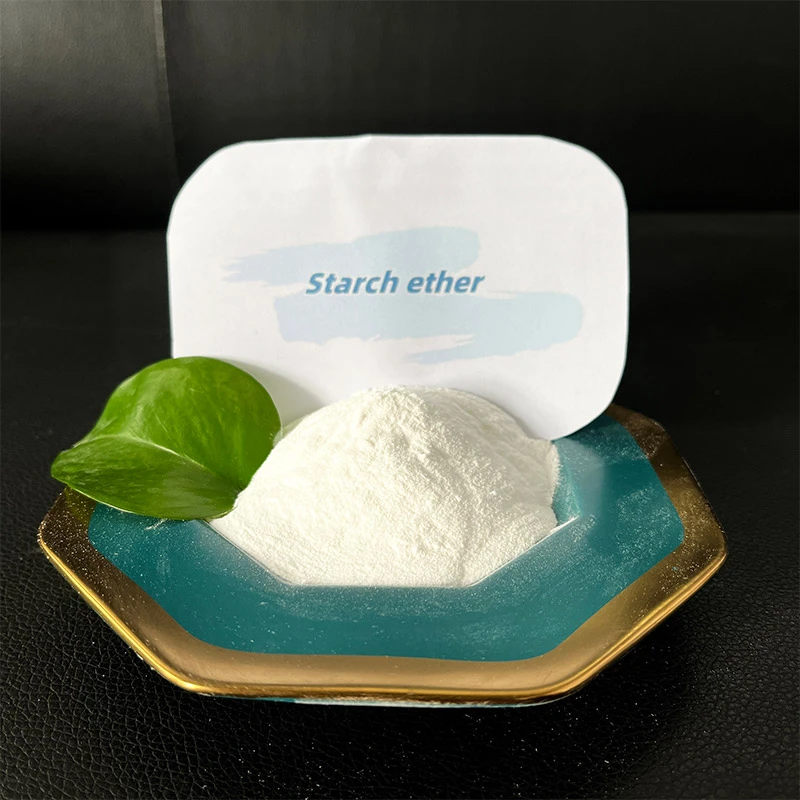
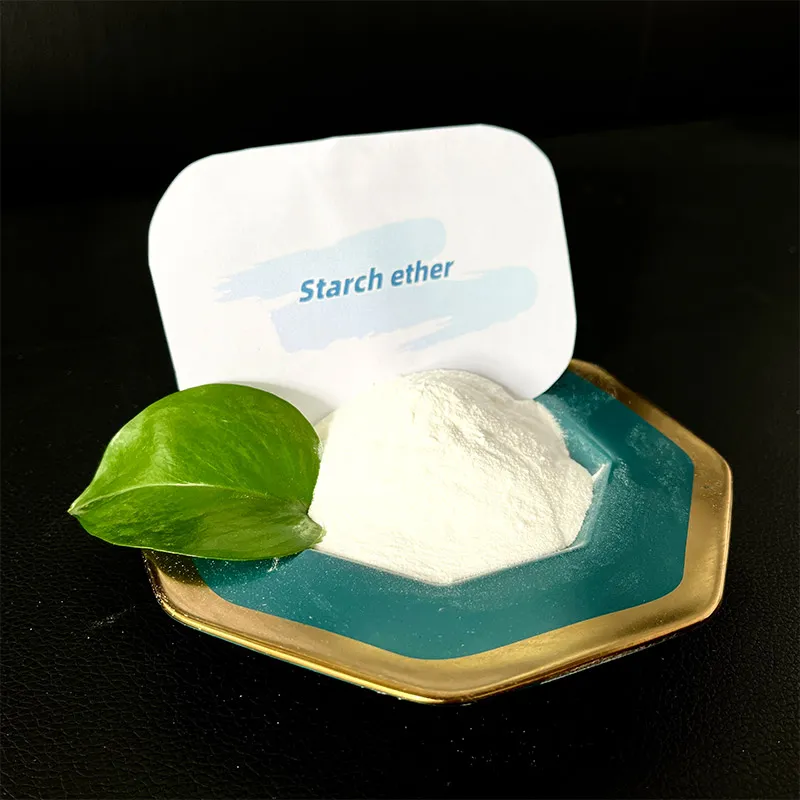
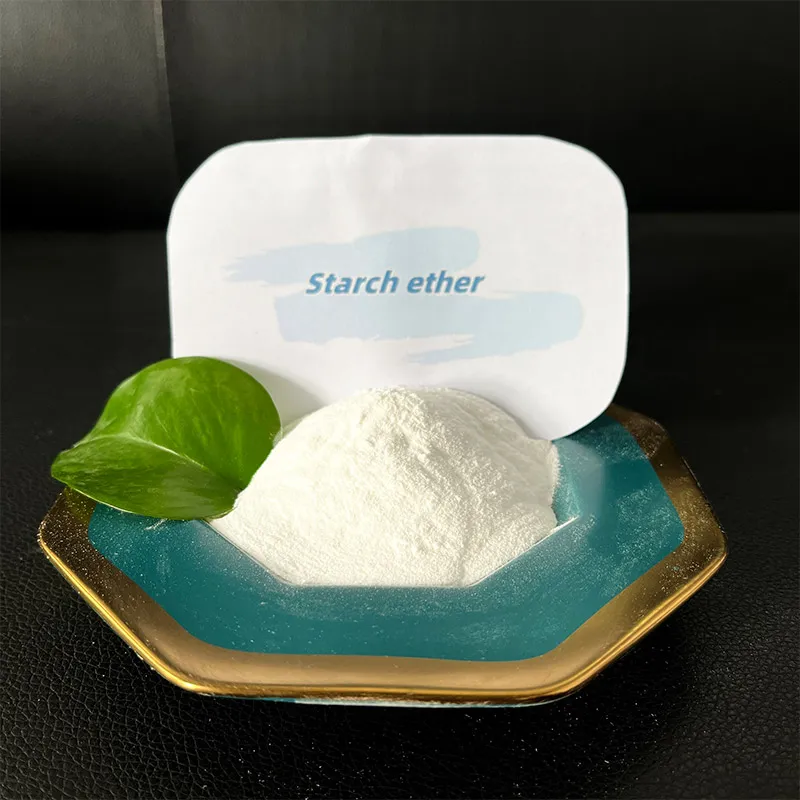
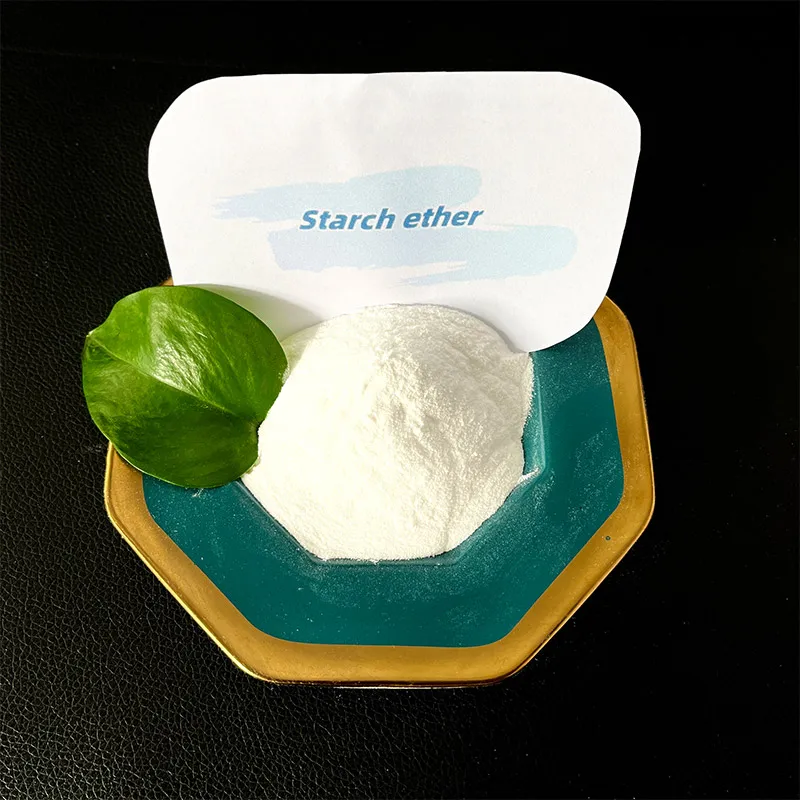
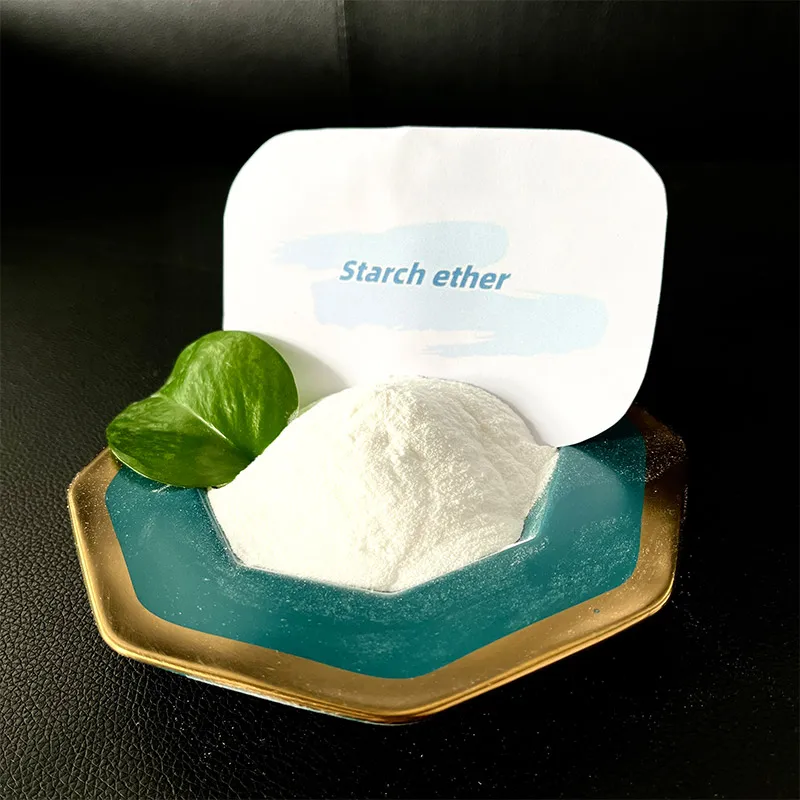
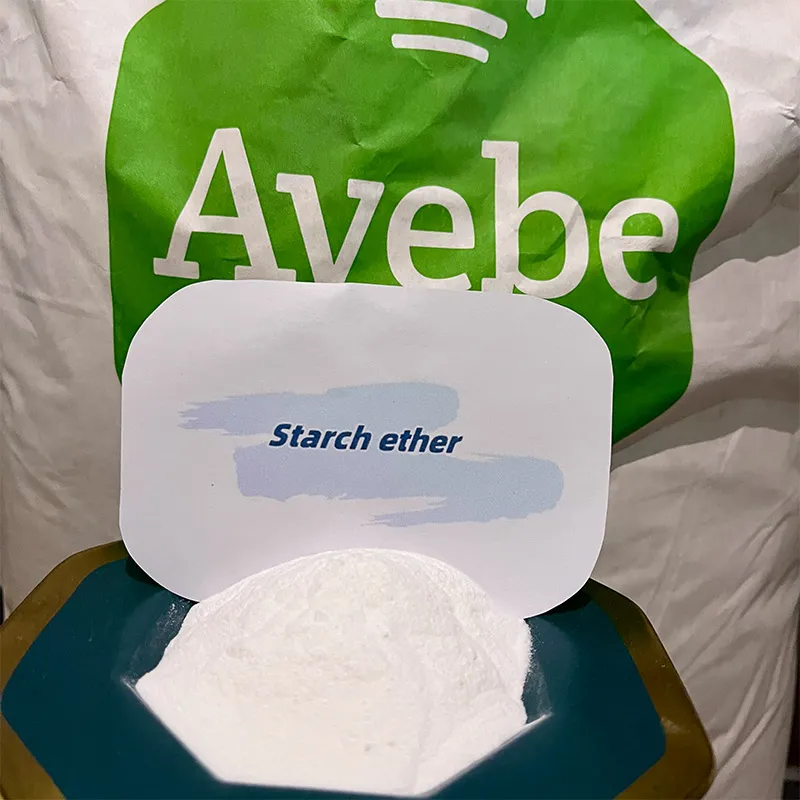
Starch ether, a refined white powder derived from natural plant sources, undergoes a sophisticated process of modification characterized by substantial etherification reactions, followed by a technique known as spray drying. At HeBei ShengShi HongBang, we've pioneered advanced manufacturing techniques to produce high-purity starch ether compounds with exceptional consistency and performance characteristics. Our starch ether solutions meet rigorous international standards across multiple industries.

Technical Parameters of Starch Ether
Comprehensive Technical Specifications
| Parameter | Standard Range | Test Method | Significance |
|---|---|---|---|
| Viscosity (2% solution) | 100-10,000 mPa·s | Brookfield LVF | Determines thickening efficiency |
| pH Value | 5.5-7.5 | DIN EN ISO 787-9 | Chemical compatibility indicator |
| Moisture Content | ≤ 8% | Karl Fischer | Storage stability & shelf life |
| Degree of Substitution (DS) | 0.02-0.10 | Titration Method | Functional group quantification |
| Ash Content | ≤ 1% | DIN EN ISO 3451 | Purity measurement |
| Granulation (200 mesh) | ≥ 95% | Sieve Analysis | Solubility and dispersion |
| Bulk Density | 450-550 g/l | ASTM D1895 | Dosage and handling |
Industry Applications of Starch Ether
Construction Materials
Starch ether serves as a multifunctional additive in tile adhesives, cement renders, and self-leveling compounds. Our specialized products enhance water retention, prolong open time, and improve sag resistance.
Pharmaceutical Excipients
In tablet formulations, starch ether functions as a superior binder-disintegrant combination. Medical-grade etherified starch enhances dissolution profiles while maintaining excellent compression characteristics.
Food Processing
Food-grade modified starch acts as a thickener, stabilizer, and texture modifier. Our specialized products are certified for applications in sauces, dressings, and frozen food preparations.
Paper Manufacturing
As a coating binder and surface sizing agent, starch ether improves paper strength, printability, and surface characteristics while reducing dusting during converting operations.
Textile Processing
In textile printing, our specialized starch ether serves as efficient thickeners that provide excellent color yield, sharpness of print, and easy washability.
Oil Field Applications
High-performance drilling fluid additives based on starch ether offer excellent fluid loss control at elevated temperatures while maintaining environmental compatibility.
Starch Ether Advantages
🌱Sustainable Origin
Derived from annually renewable starch resources, our products support sustainable material cycles. Life cycle assessments confirm the ecological advantages of starch-based chemicals versus petroleum alternatives.
💧Water Retention
Our patented starch ether chemistry achieves up to 30% higher water retention efficiency in construction materials compared to conventional cellulose ethers, improving hydration control in cementitious systems.
🧪Compatibility Enhancement
Through specialized modification processes, we've developed starch ether products that demonstrate improved compatibility with modern additives including PCE superplasticizers and redispersible polymer powders.
⚖️Cost Efficiency
At equivalent performance levels, starch ether additives deliver significant formulation cost advantages while often improving application characteristics in multiple materials systems.
Technical FAQs About Starch Ether
Industry Recognitions & References
- International Journal of Material Science: "Advanced Modification Techniques for Improved Starch Functionality" https://doi.org/10.1016/j.ijms.2022.102456
- Construction Chemistry Review: "Novel Applications of Starch Ethers in Modern Building Materials" https://www.conchem-review.org/articles/ccr.11945
- European Polymer Journal: "Structural Analysis of Industrially Modified Starch Derivatives" https://doi.org/10.1016/j.eurpolymj.2021.110812
- Food Technology Magazine: "Functional Properties of Modified Food Starches in Processed Foods" https://www.ift.org/news-and-publications/food-technology-magazine
- Industrial Chemistry Research: "Continuous Production Processes for Starch Ether Derivatives" https://pubs.acs.org/doi/10.1021/acs.iecr.1c01234
-
Industrial Guide to ГПМЦ целлюлоза High Performance CelluloseNewsApr.16,2026
-
Wood Cellulose Properties and Industrial Applications GuideNewsApr.09,2026
-
Does Wood Contain Cellulose A Detailed Exploration of its Composition and UsesNewsApr.07,2026
-
Understanding Wood Cellulose Meaning Applications and Future TrendsNewsApr.04,2026
-
Exploring the Potential of Wood Cellulose is wood cellulose a Sustainable MaterialNewsMar.31,2026
-
Exploring the Sustainability and Versatility of Cellulose Wood ChipsNewsMar.28,2026
-
Understanding Wood Pulp Cellulose A Comprehensive Guide to Properties and ApplicationsNewsMar.26,2026